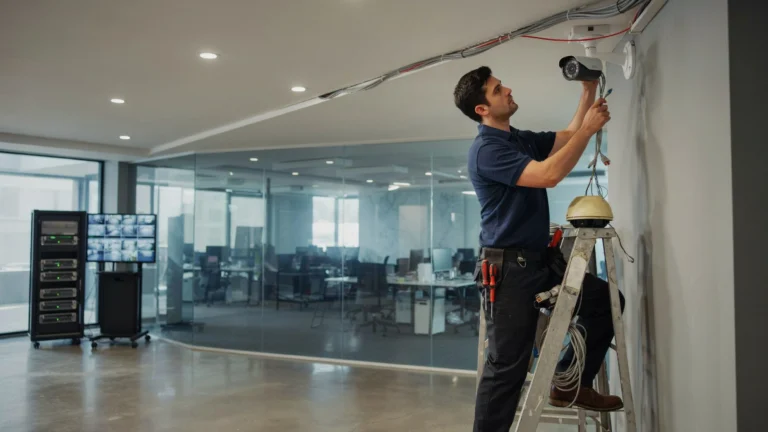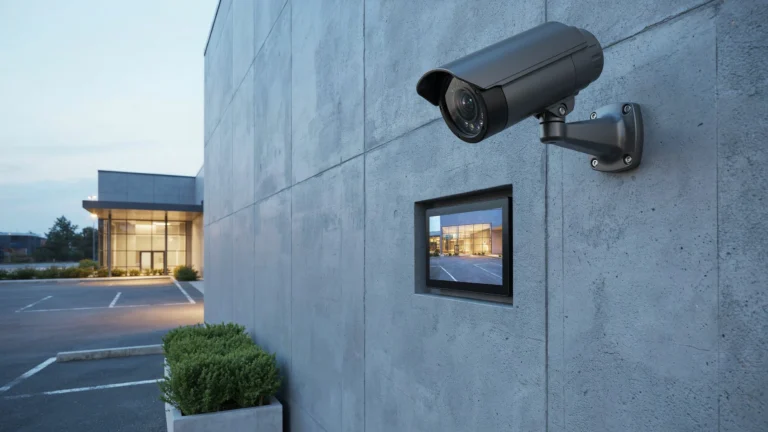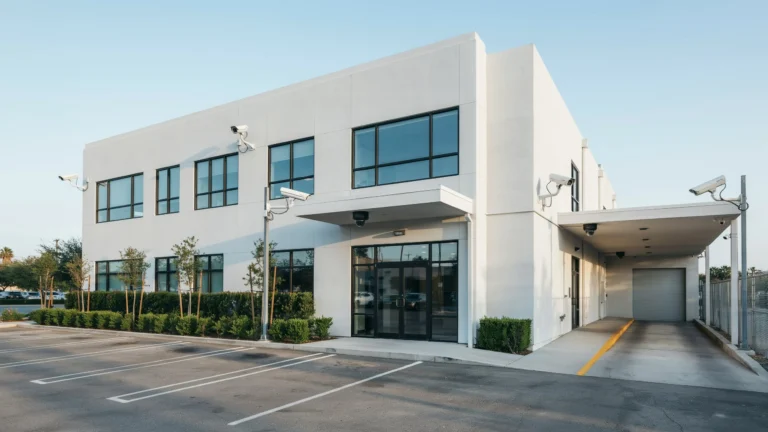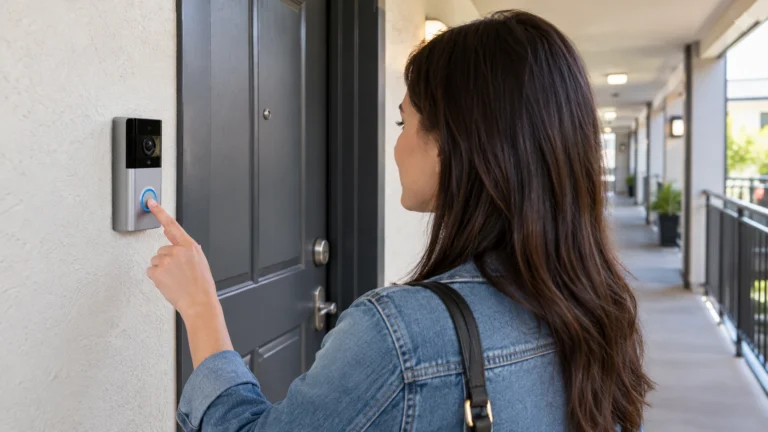
Outdoor surveillance cameras have become one of the most effective tools for protecting homes, families, and property. From deterring burglars to providing valuable evidence, these devices are now a standard feature in many neighborhoods. However, before installing them, homeowners must understand the laws on outdoor surveillance cameras for homes, as regulations can vary at the federal, state, and even local level.
Knowing what’s legal and what isn’t ensures you stay compliant, avoid disputes with neighbors, and make the most of your investment. At Cam Security Surveillance, we help homeowners navigate these rules by providing professional installation and guidance that aligns with privacy laws while maximizing security coverage.
Federal Laws on Outdoor Surveillance Cameras for Home Security

Understanding the laws on outdoor surveillance cameras for home is key before installing any system. While no single federal law fully regulates residential cameras, several nationwide rules apply.
Overview of Nationwide Regulations
- Video Recording is generally legal outdoors, as long as you avoid areas with a reasonable expectation of privacy.
- Audio Recording falls under the Wiretap Act, meaning consent may be required depending on the state.
- Hidden Cameras are illegal in private spaces, even on your own property.
Federal vs. State Rules
- Federal laws cover broad privacy and consent protections
- State laws often go further, defining camera placement and neighborhood considerations.
How It Applies to Homeowners
For those following security cameras for home laws, the main takeaway is simple: record responsibly, avoid private areas, and be cautious with audio features. If your setup connects cameras to PC or cloud storage, protect the data from unauthorized use.
Security Camera Placement Laws by State
When it comes to the laws on outdoor surveillance cameras for home, state regulations can vary widely. What may be completely legal in one state could raise privacy concerns in another. That’s why it’s important to look beyond federal rules and review your state and city ordinances.
Variation of Surveillance Camera Laws Across States
- Some states emphasize privacy protection, limiting how cameras can be aimed at sidewalks, shared driveways, or neighboring yards.
- Other states are more flexible, allowing broad use of outdoor cameras as long as they’re placed on your property.
- For homeowners searching for security camera installation near me, knowing these differences ensures your setup is both effective and compliant.
Examples of Stricter vs. More Lenient States
- Stricter states: California and New York often enforce stronger privacy expectations, especially with audio recording and neighbor-facing cameras.
- More lenient states: Texas and Florida generally allow broader use of outdoor surveillance as long as cameras aren’t hidden in private areas.
Importance of Checking Local Ordinances
Even if state law permits certain placements, local ordinances or HOA rules may add restrictions. Before moving forward with security cameras installation, always verify what applies in your area. Following the laws on surveillance cameras at home not only keeps you safe legally but also prevents conflicts with neighbors.
Importance of Obeying Residential Security Cameras Laws
Following the laws on outdoor surveillance cameras for home is more than just a legal requirement; it’s about protecting yourself and respecting others. Many homeowners assume that because the cameras are on their property, they can point them anywhere. In reality, there are clear laws regarding security cameras that must be followed.
Legal Consequences of Violating Surveillance Laws
- Recording in restricted areas can lead to fines or even criminal charges.
- Unauthorized audio recording is especially risky under federal and state privacy acts.
- Ignoring local rules may result in your footage being inadmissible in court.
Avoiding Lawsuits and Neighbor Dispute
Improper placement can cause tension with neighbors who feel their privacy is being invaded. By respecting residential security camera laws, you prevent unnecessary disputes and avoid being dragged into costly lawsuits.
Protecting Your Home Without Invading Privacy
The goal of any CCTV installation is safety, not surveillance of others. By positioning cameras toward entryways, driveways, or backyards, you can deter crime while staying compliant. Checking updated rules on the web helps ensure your setup meets legal standards.
In short, obeying these laws protects both your property and your reputation while keeping you on the right side of the law.
Where to Point Outdoor Surveillance Cameras?
One of the most common questions homeowners ask is not just how to install cameras, but where to point them. Placement plays a major role in both effectiveness and compliance with the laws on outdoor surveillance cameras for home. Poor positioning can create privacy issues, while strategic placement enhances security.
Guidelines for Legal Camera Angles
- Cameras should cover your own property, such as entry doors, garages, and driveways.
- Angles should avoid windows or areas of neighboring homes where privacy is expected.
- Modern AI cameras make it easier to adjust zones, ensuring you only capture what matters.
Avoiding Direct Focus on Neighbors’ Property
- Pointing cameras into someone else’s yard, windows, or shared spaces could violate surveillance camera laws.
- Even if your intentions are good, neighbors may feel their privacy is compromised.
- Slight adjustments in angle or lens choice can prevent legal and personal disputes.
Best Practices for Coverage
- Driveway: Capture vehicles and visitors without including the street beyond what’s necessary.
- Backyard: Focus on gates and fences to deter trespassing.
- Entryway: Position cameras for a clear view of the front door to monitor packages and guests.
By following these practices, homeowners can maximize security while respecting privacy boundaries. Staying mindful of surveillance camera laws ensures your system is both effective and compliant.
Restricted Locations for Security Cameras by Law
Even though homeowners want maximum coverage, the laws on outdoor surveillance cameras for homes clearly limit where cameras can and cannot be placed. Respecting these restrictions keeps your setup legal and avoids conflicts.
Places Where Cameras Are Not Allowed
- Bathrooms, bedrooms, and guest rooms – private areas are always off-limits.
- Inside rental units – landlords cannot install cameras in spaces tenants consider private.
- Hidden cameras in intimate areas are strictly illegal.
Legal Gray Areas
- Public sidewalks – filming is often allowed, but excessive zooming on individuals could raise privacy concerns.
- Shared spaces – such as apartment hallways or community yards, may require special permission.
Understanding Reasonable Expectation of Privacy
This principle means people should not be recorded in places where they naturally expect privacy. While wire security cameras are excellent for monitoring driveways, doors, and backyards, pointing them toward a neighbor’s windows or private areas crosses the legal line.
Following these rules ensures your surveillance protects your home without violating privacy laws.
Audio Recording vs. Video Recording in Laws: What’s the Difference?
When discussing the laws on outdoor surveillance cameras for home, it’s important to understand that audio and video recording are treated differently under the law. Many homeowners don’t realize that capturing sound is often more regulated than video footage.
One-Party Consent vs. Two-Party Consent States
- One-party consent states: Only one person in the conversation (often the homeowner) needs to know the recording is happening.
- Two-party consent states: Everyone involved must agree before you can record audio legally.
- Failing to follow these rules can lead to fines or criminal charges.
Why Audio Recording is Stricter
- Conversations are considered private, even in public areas.
- Unlike video surveillance, which is usually legal on your property, recording sound without consent can be a direct violation of privacy rights.
How to Stay Compliant
- Check your camera’s settings to disable or enable audio.
- Use features that allow you to mute or block sound if local law requires it.
- Clearly notify visitors (such as delivery drivers) if your system does record audio.
By understanding these differences, you can set up video surveillance that keeps your home secure while staying within the law.
Bonus: Laws Against Hidden Cameras
Many homeowners wonder if it’s legal to hide security cameras around their property for discreet monitoring. While this might seem like a clever way to catch intruders, hidden devices can quickly cross into illegality if placed in the wrong areas.
When Hidden Cameras Become Illegal
- Installing cameras in private spaces such as bathrooms, bedrooms, or guest rooms is strictly prohibited.
- Recording without consent in areas where people expect privacy can result in criminal charges.
Federal and State Laws on Secret Recording
- Federal law prohibits using hidden cameras in any setting where there is a reasonable expectation of privacy.
- State laws may add stricter guidelines, with some requiring consent for both video and audio, even in shared spaces.
Staying Compliant with Discreet Options
- If you choose to hide security cameras outdoors, ensure they only cover your property driveways, doors, and yards.
- Avoid pointing them toward neighbors’ homes or shared community areas.
- Always check state-specific regulations before using disguised devices.
By respecting these rules, you can protect your home while avoiding legal risks tied to secret surveillance.
Why Choose Cam Security Surveillance
Following the laws on outdoor surveillance cameras for home can feel overwhelming, but Cam Security Surveillance makes it simple. We ensure every system is compliant with federal and state rules, from video placement to audio settings.
With expert residential camera installation, our team positions cameras for maximum coverage while respecting privacy boundaries. The result is reliable protection without legal risks.
For true peace of mind, explore our About Us page and see why homeowners trust Cam Security Surveillance for secure, law-compliant solutions.
Final Thoughts
Understanding the laws on outdoor surveillance cameras for home is essential to protecting your property without violating privacy rights. From federal guidelines to state-specific rules, following the law ensures your system works for you, not against you.
At Cam Security Surveillance, we specialize in compliant installations that give homeowners peace of mind. Contact us today for expert guidance and professional installation that keeps your security strong and legal.
FAQs
What are the basic laws on outdoor surveillance cameras for home?
Most laws allow homeowners to install outdoor cameras as long as they don’t invade areas with a reasonable expectation of privacy, such as bedrooms or bathrooms. However, audio recording is more restricted and often requires consent depending on your state.
Can my outdoor cameras point toward my neighbor’s property?
No. Even if cameras are on your property, pointing them directly at a neighbor’s windows or private spaces may violate laws on outdoor surveillance cameras for home. Always angle cameras toward your own doors, driveway, or yard.
How can Cam Security Surveillance help me stay compliant?
Cam Security Surveillance provides expert guidance and professional installation, ensuring your system follows federal and state rules. This way, you get effective security without breaking privacy laws.