Most modern security cameras can record audio, but it is not always allowed everywhere. The rules depend on where you live and how you use the system. Audio recording can help security, but it also raises privacy concerns. Understanding the limits is important before you turn it on.
Can You Record Audio On Your Home Security Camera is a question many homeowners ask today. The simple answer is yes, many cameras support it. But the legal side depends on consent laws and location rules. Knowing both sides helps you avoid legal trouble and misuse.
What Is Audio Recording in Security Cameras?

What Is Audio Recording in Security Cameras?
Audio recording in security cameras means the device captures sound along with video.
This is done using a built-in microphone inside the camera body.
Some systems also support two-way audio. That allows talking through the camera.
There are three common setups:
- Video only cameras
- Video + audio recording cameras
- Two-way communication cameras
Many users ask do security cameras record sound or does CCTV have audio. The answer depends on the model and settings. Modern IP systems and smart cameras often include microphones by default. Older CCTV systems usually do not unless upgraded.
Can You Record Audio on Your Home Security Camera?
Yes, you can record audio on many home security cameras if the feature is enabled. But here is the key point. Just because you can does not always mean you should.
If you are asking if a security camera can record sound, the answer is yes in most smart systems. If you ask can CCTV record audio, the answer is sometimes, but only with added hardware.
For professional setups like cctv installation services indianapolis by Cam Security Surveillance, audio setup is always checked based on legal rules and client needs.
Before turning audio on, check:
- Device settings
- Local privacy laws
- Recording storage rules
Some cameras allow turning audio off completely for safety reasons.

Legality depends on consent laws. Different countries and states follow different rules.
There are two main legal types:
- One-party consent: one person must know about recording
- Two-party consent: all parties must agree
In many places, hidden audio recording is not allowed. If you use Can You Record Audio On Your Home Security Camera, you must check local law first. Video-only recording is usually safer in public or shared spaces.
Illegal recording can lead to:
- Fines
- Legal action
- Privacy complaints
Laws Around Audio Surveillance in Homes
Inside your own home, rules are more flexible. You can often record audio in your private space.
But there are limits:
- You should not secretly record guests without notice
- Shared spaces may require consent
- Bathrooms and private rooms are restricted
If family members or guests are present, informing them is the safest option. Many users still ask can security camera record sound inside homes. Yes, but privacy rules still apply even in private property.
Laws Around Audio Surveillance in Businesses
Business settings have stricter rules. Employees and customers have privacy rights.
You may need:
- Visible warning signs
- Written policies
- Consent depending on region
Audio recording in workplaces is often more restricted than video. This is where professional setup matters. Companies like Cam Security Surveillance ensure systems follow proper guidelines during installation.
For example, in setups like cctv installation services indianapolis, compliance checks are part of system design.
Pros of Audio Recording in Security Cameras
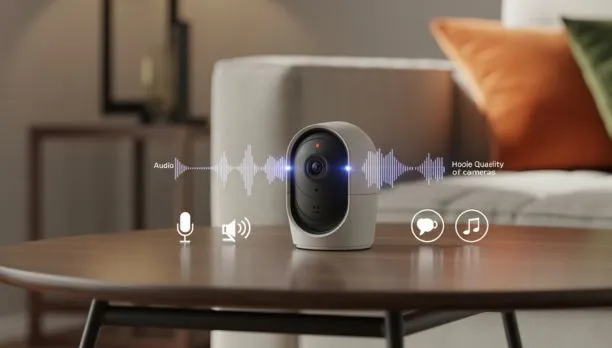
Audio adds another layer of security.
Key benefits:
- Better evidence in disputes
- Helps confirm incidents clearly
- Supports emergency response
- Useful for package delivery proof
- Enables two-way communication
When people ask do security cameras record sound, they often want stronger proof in case of theft or conflict. Audio makes footage more complete and useful.
Risks and Legal Concerns
Audio recording also brings risks.
Main concerns:
- Privacy violations
- Illegal recording without consent
- Misuse of stored audio
- Data leaks if system is not secure
Many people ignore these risks until problems happen.
The keyword Can You Record Audio On Your Home Security Camera must always be linked with legal awareness, not just technology. Even legal systems can become illegal if misused.
Best Practices for Safe Use
To stay safe, follow simple rules:
- Always inform people when recording is active
- Use audio only when needed
- Turn off microphones in sensitive areas
- Secure your cloud storage
- Check local laws before setup
A professional installer like Cam Security Surveillance can help set correct configurations during installation. Good setup prevents legal mistakes later.
Do All Security Cameras Support Audio?
No, not all cameras support audio.
There are three main types:
- Basic CCTV without audio
- IP cameras with built-in microphones
- Advanced smart cameras with two-way audio
If you are searching does CCTV have audio, most older systems do not. Newer systems are more flexible and often include sound features. But default settings may still disable audio for privacy safety.
Expert Recommendation
From real installation experience, audio should be used carefully.
Here is the practical approach:
- Use audio in home entry points
- Avoid audio in private rooms
- Disable recording in restricted areas
- Use signage in business locations
When clients ask Can You Record Audio On Your Home Security Camera, the answer is never just technical. It always includes legal and ethical checks. A balanced setup gives security without crossing privacy lines.
Common Mistakes People Make
Many users make avoidable mistakes:
- Leaving audio on by default
- Not checking local laws
- Recording without notice
- Using cheap systems without security controls
These mistakes can turn a useful system into a legal problem.
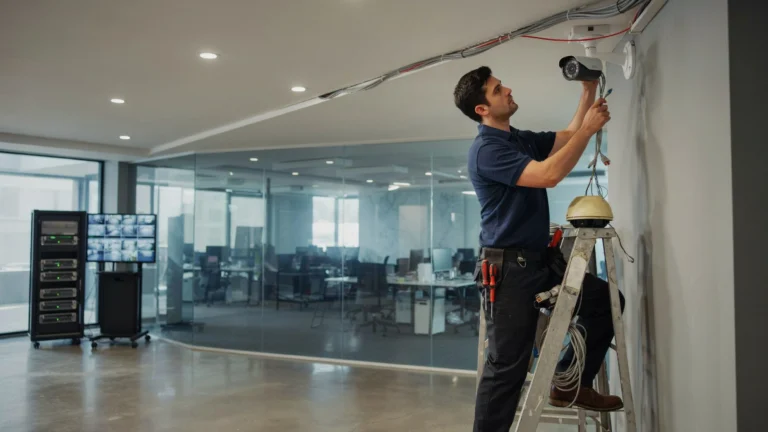
Why Professional Installation Matters
DIY setups often ignore legal rules. Professional systems are designed with compliance in mind.
A trained installer:
- Checks privacy laws
- Sets correct audio permissions
- Configures storage safely
- Ensures proper camera placement
This is why services like cctv installation services indianapolis are preferred for reliable setups.
Conclusion
So, can you record audio on your home security camera? Yes, most modern systems allow it. But legality depends on consent laws and how you use it. If you understand Can You Record Audio On Your Home Security Camera, you avoid legal issues and improve system safety.
Audio can help security, but only when used responsibly. A smart setup balances protection and privacy at the same time. If you need expert help with the right configuration or installation, contact us at Cam Security Surveillance for professional guidance and support.
FAQs
Do security cameras record sound by default?
Not always. Many modern security cameras come with a built-in microphone, but audio recording is usually turned off by default. Users need to manually enable it in the camera settings or mobile app. Some systems also allow you to control audio per camera, so you can turn it on in one area and keep it off in another for privacy reasons.
Can a security camera record sound legally?
Yes, but legality depends on local consent laws. In some regions, only one person needs to know about the recording. In others, everyone involved must give permission before audio is recorded. Because rules vary, it is important to check local regulations before using audio features, especially in shared or public spaces.
Can CCTV record audio in old systems?
Most older CCTV systems do not support audio recording at all because they were designed for video only. However, some setups can be upgraded with external microphones or replaced with newer IP-based systems that include built-in audio features. Modern systems are much more flexible compared to traditional CCTV.
Is audio recording better than video only?
Audio can make security footage more useful because it adds context to what is happening in the video. It helps understand conversations, events, and incidents more clearly. However, it also increases privacy concerns and legal responsibility. That is why many users prefer a balanced setup where audio is used only in specific areas where it is needed.