Yes, your neighbor can record you on your property if their camera only picks up what’s visible from a public angle. But if the lens points into your bedroom window or fenced backyard, that’s a different story. The law draws a hard line between public view and private space.
Knowing where to place your home security cameras helps you see exactly what’s legal and what crosses the line. It also protects you from the same mistake your neighbor might be making right now. At Cam Security Surveillance, this is one of the questions our customers ask us most.
Can Your Neighbor Legally Record Your Property?
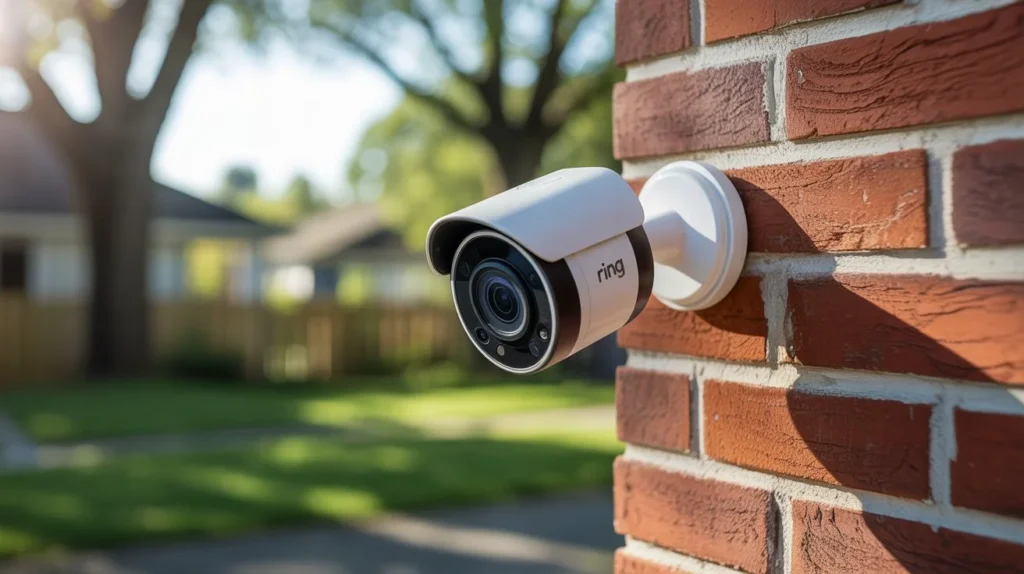
Most of the time, yes. Courts across the country generally allow homeowners to record areas visible from their own property, even if your yard shows up in the frame. This includes sidewalks, driveways, and the front of your house.
The rule most judges use is simple. If you can see it from a public street or your neighbor’s porch, there’s no reasonable expectation of privacy attached to it. Once you understand this, deciding where to place your home security cameras gets a lot easier for both sides of the fence.
When Is It Legal for a Neighbor to Record You?
A neighbor’s camera is legal when it captures:
- Their own porch, driveway, or yard, even if your property appears in the background
- Public areas like sidewalks or streets
- Shared spaces such as a mailbox area or a fence line visible from both homes
This is standard practice, and it’s part of why so many homeowners research where to place your home security cameras before buying a system. Doorbell cameras and driveway cams almost always fall into this legal category.
When Does Recording Become Illegal?
Recording turns illegal when the camera targets a space where you have a real expectation of privacy. That includes your bathroom window, your bedroom, or the inside of your fenced backyard where a normal person couldn’t see in without trying.
Audio recording adds another layer. Many states require consent from at least one party, and some require everyone in the conversation to agree. A camera that captures your private conversations without permission can break wiretapping laws, not just privacy laws.
What Is Considered a Reasonable Expectation of Privacy?
This phrase shows up in almost every case about neighbor cameras, so it’s worth breaking down. Courts ask one question: would a reasonable person expect privacy in that spot?
A fenced backyard, a covered patio, or the inside of your home usually qualifies. An open front yard visible from the street usually doesn’t. This standard is exactly why placement matters so much, and why thinking through where to place your home security cameras protects you from legal trouble later.
Can a Neighbor Record Audio Conversations?
This is where many neighbors cross a line without realizing it. Video alone is often legal in public-facing areas. Audio is much stricter.
If your neighbor’s camera picks up your private conversations across the fence, and your state requires two-party consent, that recording could be illegal even if the video portion is fine.
Can Doorbell Cameras Record Your Property?
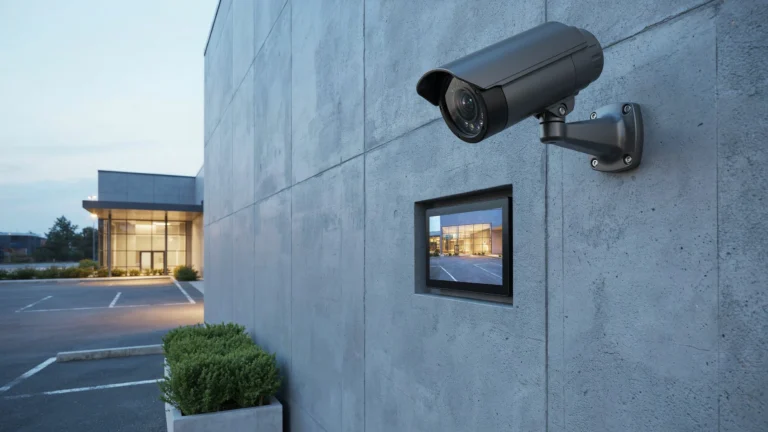
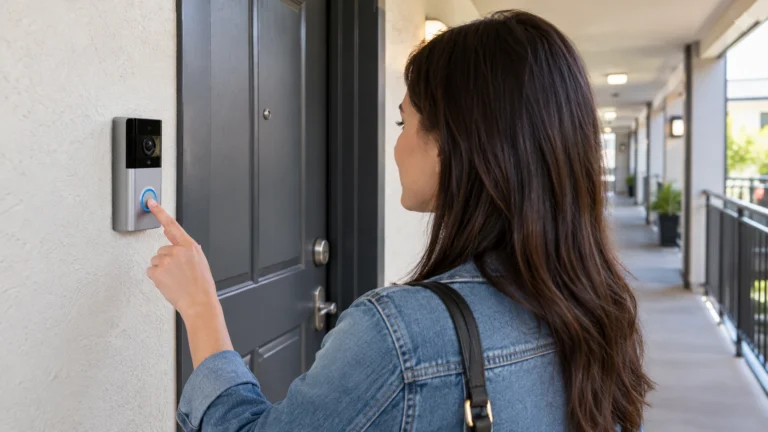
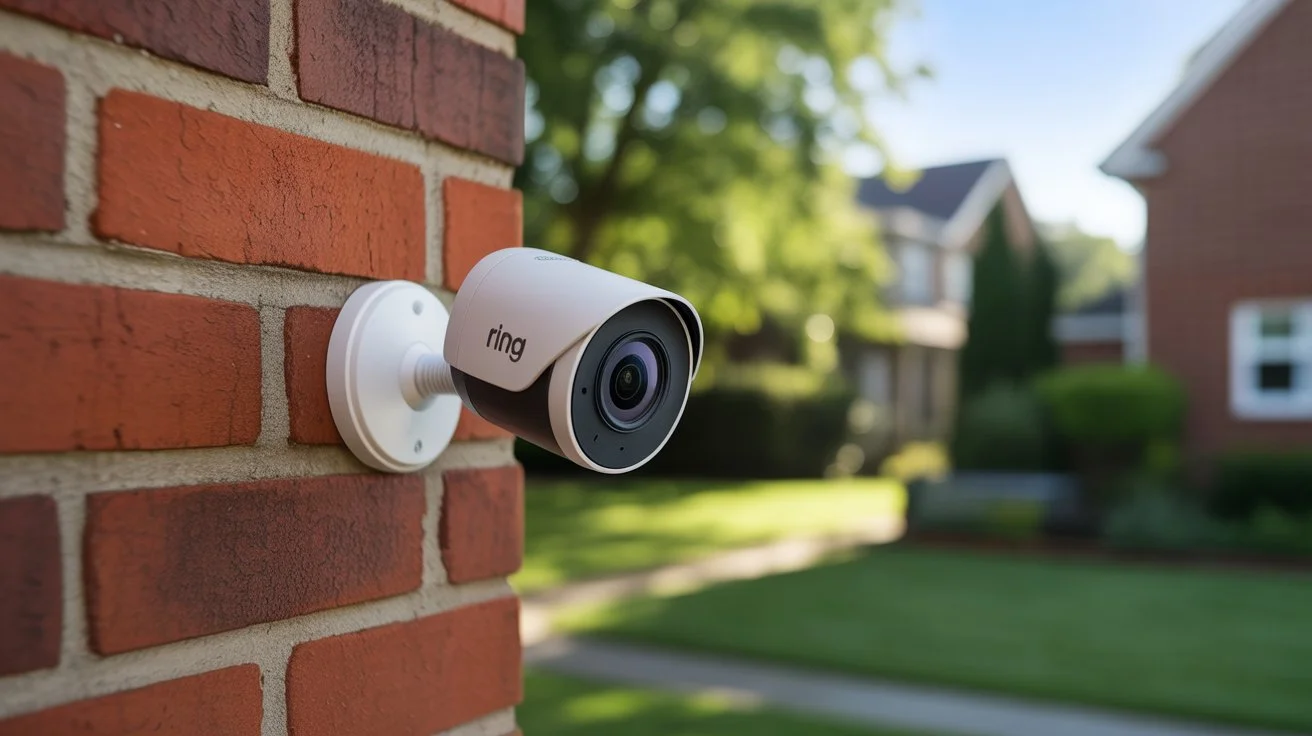
Doorbell cameras like Ring or Nest almost always record part of the street and nearby yards. This is legal in most cases because the camera sits on the owner’s property and captures what’s naturally visible from that spot.
This is also where flock camera locations come into the conversation. Flock Safety cameras, often installed by neighborhoods or local police departments, sit on public roads and capture license plates and vehicles passing by. Unlike a personal doorbell camera, these are usually placed with local government approval, which changes the legal picture slightly.
What Are Flock Cameras and Can They Record Your Property?
A common question people search alongside “can my neighbor record me on my property” is what are flock cameras. Flock cameras are automated license plate readers used by many U.S. neighborhoods and police departments. They sit at entry and exit points of a community and log vehicles that pass through.
Unlike a personal security camera, flock cameras are usually mounted on public right-of-way or with a homeowners association agreement. They don’t typically point directly into private yards. If you’re curious about flock camera locations near you, most departments list them on their public safety websites, since transparency laws often require it.
If a flock camera near your home seems to be aimed at your porch or windows instead of the street, that’s worth raising with your local police department or HOA directly.
How to Tell If Your Neighbor’s Camera Is Recording Your Property
A few signs can tell you a lot:
- Camera angle. Stand where the camera points and check what’s actually in frame.
- Camera type. Wide-angle lenses capture more than narrow ones, sometimes without the owner realizing it.
- Placement height. A camera mounted high and angled down often covers more of your yard than one at eye level.
- App settings. Some apps let you view a live feed. If you’re on good terms, just ask to see it.
Walking the property line and looking at the camera from different spots usually answers the question fast.
What Should You Do If Your Neighbor’s Camera Invades Your Privacy?
Start with a conversation. Most neighbors don’t realize their camera catches more than they think, and a simple heads-up often fixes it. Explain what you’re seeing and ask them to adjust the angle.
If that doesn’t work, document the issue. Take photos of the camera’s position and note what it appears to capture. Check your local laws, since some cities require a permit or notice for cameras aimed near a property line.
If the problem continues, you can file a complaint with your local police non-emergency line or consult a lawyer who handles privacy disputes. Keep records of every conversation and any recordings you’re able to obtain.
Can You Block a Neighbor’s Security Camera?
Yes, and this is legal in almost every state. You can plant a hedge, build a fence, or hang a privacy screen on your own property to block the view. You don’t need your neighbor’s permission to do this on your own land.
What you can’t do is damage or disable their camera, cover their lens without permission, or interfere with their property. That crosses from a privacy fix into criminal mischief or vandalism, which creates a bigger problem than the one you started with.
Privacy Tips When Installing Your Own Security Cameras
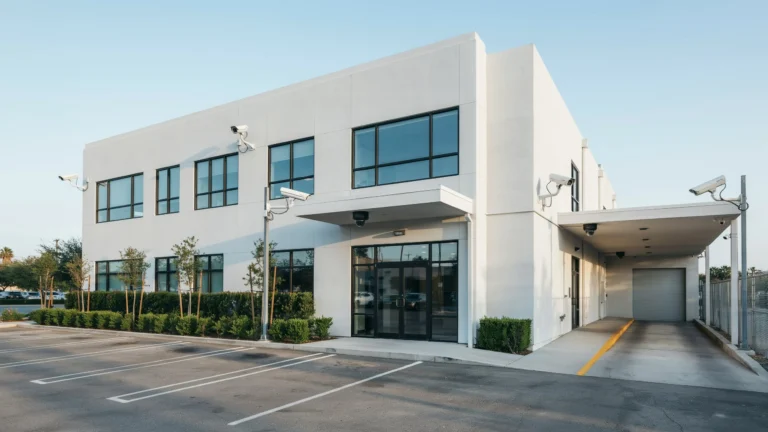
If you’re setting up your own system, thinking carefully about where to place your home security cameras protects both your privacy and your neighbor’s.
- Angle cameras toward your own property, not directly into a neighbor’s windows or yard.
- Skip audio recording near shared fence lines unless your state allows one-party consent.
- Post a small sign if local law requires notice of recording.
- Review your camera’s field of view every few months, since bushes grow and angles shift.
- Choose cameras with adjustable zoom so you’re not capturing more than you need.
Getting where to place your home security cameras right from day one saves you from awkward conversations and possible legal letters down the road.
Common Myths About Neighbor Security Cameras
Myth: Any camera pointed near my house is illegal. False. Cameras capturing public-facing areas are generally legal, even if your property is in the frame.
Myth: I can sue my neighbor just because I don’t like being on camera. Not usually. You need to show an actual invasion of a private space, not just discomfort.
Myth: Flock cameras are the same as personal home cameras. No. Flock camera locations are typically chosen by police departments or HOAs for public safety, not by individual homeowners.
Myth: Blocking a camera with a fence is illegal. False, as long as the fence sits on your own property and follows local height rules.
Should You Hire a Professional Security Camera Installer?
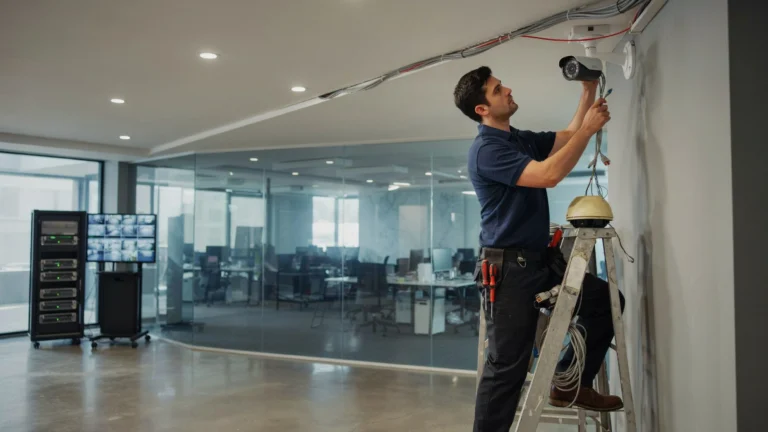
Getting the angle, height, and coverage right isn’t always a DIY job. A professional installer knows local laws, understands where to place your home security cameras for maximum coverage, and avoids pointing lenses into a neighbor’s private space by accident.
If you’re in the area, security camera installation Indianapolis homeowners trust comes from a team that understands both security and privacy law. At Cam Security Surveillance, our installers walk your property line first, then set up cameras that protect your home without creating legal headaches with the people next door. This kind of planning matters more than most homeowners realize until a dispute actually happens.
Conclusion
Your neighbor can record you in most public-facing areas, but private spaces like bedrooms, bathrooms, and fenced yards stay off limits. Knowing where to place your home security cameras protects your own privacy and keeps you from accidentally invading someone else’s.
If a camera near you feels invasive, talk to your neighbor first, document what you see, and involve local authorities only if needed. A little communication solves most of these disputes before they turn into something bigger. If you’re planning to install a security camera system that protects your home while respecting your neighbors’ privacy, contact us today. Our experts can design and install a system that provides reliable coverage and complies with local privacy considerations.
FAQs
Can my neighbor record me on my property?
Generally, yes, if the camera captures a public-facing view like your driveway or front yard. It becomes illegal if it targets a private space like your bedroom window.
Is it legal for my neighbor to record me?
It depends on where the camera points and what it captures. Public areas are usually fine. Private spaces and audio without consent are not.
What are flock cameras?
Flock cameras are license plate readers placed by police departments or neighborhoods at road entry points. They track vehicles, not individual yards.
Where can I find flock camera locations near me?
Many police departments publish flock camera locations on their public safety pages, since transparency requirements often apply to this kind of surveillance.
Can I block my neighbor’s camera?
Yes, using a fence, hedge, or screen on your own property. You cannot touch or disable their equipment.
What’s the best way to decide where to place your home security cameras?
Angle them toward your own doors and driveway, avoid pointing directly into a neighbor’s windows, and check your local audio recording laws before enabling sound.