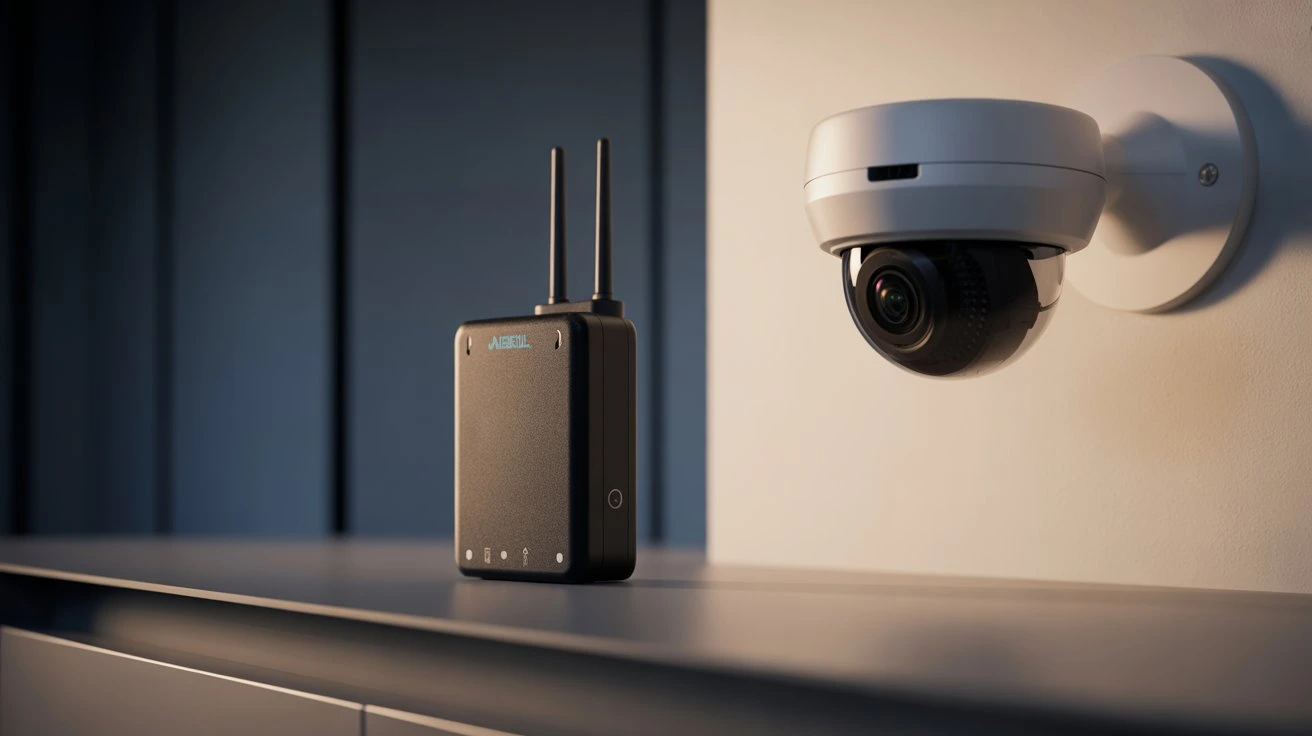
Weak Wi-Fi, loss of power, network problems, radio interference and many other causes can cause security cameras to lose video. There are gadgets that are made to jam wireless signals, but utilizing them may be illegal and harmful. When a camera goes offline, it’s not always an attack on your system. Often, the real culprit is something as simple as a network or power problem.
### Is it Legal to Use a Device to Jam Security Cameras? Yep. Some signal-jamming devices may interfere with wireless communications, including the Wi-Fi some cameras use. But deliberately interfering with someone else’s camera system can be illegal. The correct way is to find the root cause of the outage and improve the reliability of the system.
What Is Interference With a Security Camera?
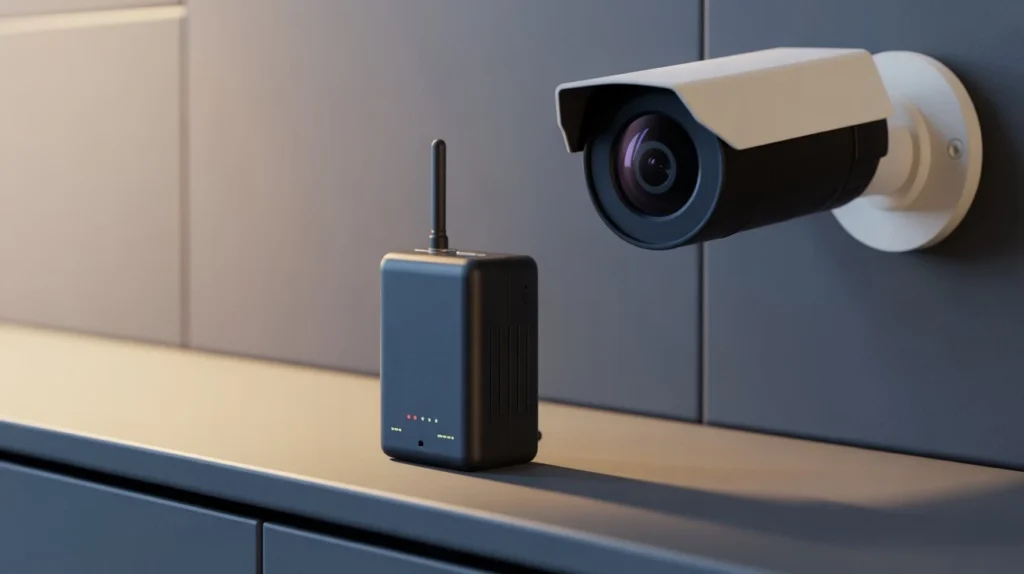
Security camera interference is when something inhibits the camera from delivering, receiving or recording footage like it should. There are a few ways this can occur. A Wi-Fi camera can lose its connection if it is not receiving a strong wifi signal. Heavy network traffic might potentially slow or drop video. Wireless signals can be weakened by huge appliances, metal doors, concrete walls and other physical barriers.
There is also intentional radio interference. A jammer is designed to transmit radio energy that interferes with wireless communications within its range. The FCC warns that jammers can affect Wi-Fi and other authorized communications. Not every camera problem is caused by interference. A failed power adapter, bad Ethernet cable, overloaded router, damaged connector, or internet outage can produce similar symptoms. That distinction matters. Replacing equipment before finding the cause can waste time and money.
Is There a Device That Can Interfere With Security Cameras?
Yes, devices designed to interfere with wireless signals do exist. They are often described as signal jammers or signal blockers. For a wireless security camera, the main concern is communication between the camera and the network. If that connection is disrupted, live viewing may stop or cloud-connected features may fail. However, a jammer does not simply “turn off a camera.” Its effect depends on the camera system, connection type, network design, and whether the camera can continue recording locally.
This is one reason wired systems can be useful for important camera locations. A PoE camera sends data and receives power through a network cable. It does not depend on a wireless connection between the camera and router. The legal side is also important. In the United States, the FCC says consumers may not operate jammers that intentionally block or interfere with authorized radio communications. The FCC also warns about the risks to emergency communications.
So if you are searching for are security camera jammers legal, do not assume that a device advertised online is legal to use. Laws differ by country, but U.S. users should follow FCC rules and local laws.
How Can Security Camera Interference Happen?
Camera interference can be intentional, but normal conditions cause many more everyday connection problems.
Wi-Fi Congestion
A busy wireless network can struggle when many devices compete for the same connection. Phones, laptops, televisions, smart speakers, cameras, and other devices may all use the network. This can lead to slow video, delayed alerts, or temporary camera disconnections.
Weak Wi-Fi Coverage
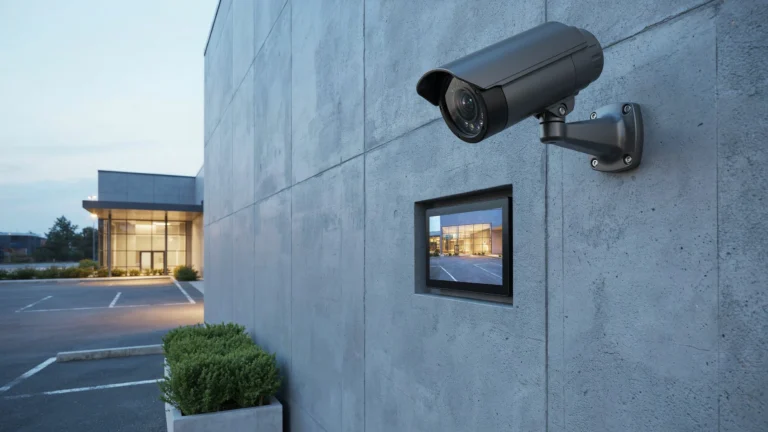
Distance matters. A camera installed far from the router may have a weak signal. Outdoor cameras can face even more challenges because walls, windows, brick, and metal can block wireless signals. A camera may work well during installation but become unreliable after furniture, appliances, or other network devices are added.
Physical Barriers
Concrete, brick, metal, and other dense materials can reduce wireless signal strength. For example, a camera installed outside a detached garage may struggle to maintain a stable connection if the router is inside the house and several walls stand between them.
Electromagnetic Interference
Some electronic equipment can create unwanted interference. This does not mean the equipment is a jammer. Normal electronic noise, poor equipment placement, or defective hardware can sometimes affect communication.
Power Problems
A camera needs reliable power to operate. A loose connection, failed adapter, damaged cable, or electrical outage can make the camera appear offline. If several cameras stop working together, check the power source and network equipment before assuming someone is interfering with the system.
Can Someone Block a Wi-Fi Security Camera?
A Wi-Fi camera depends on wireless communication, so a serious loss of wireless connectivity can stop live communication with the network. People often search for block wifi camera signal because they want to understand why a camera suddenly goes offline. The important point is that several normal problems can create the same result. For example, imagine an outdoor camera that normally works every day. It suddenly disconnects after a new router is installed. That does not prove intentional interference.
The new router may have different coverage, settings, or placement. If you believe someone is intentionally disrupting your system, do not try to disrupt their equipment in return. First, check your router, camera logs, power supply, cables, and network coverage. A professional network or camera technician can also test the system under normal operating conditions.
Can Wired Security Cameras Be Interfered With?
Wired cameras have different failure points from Wi-Fi cameras. A PoE camera uses a network cable for both data and power. This removes the wireless connection between the camera and network switch. That does not make a wired system impossible to disrupt. A damaged cable, failed PoE switch, power outage, network fault, or NVR problem can still stop recording or viewing. The key benefit is that wireless radio interference is not part of the camera-to-network connection.
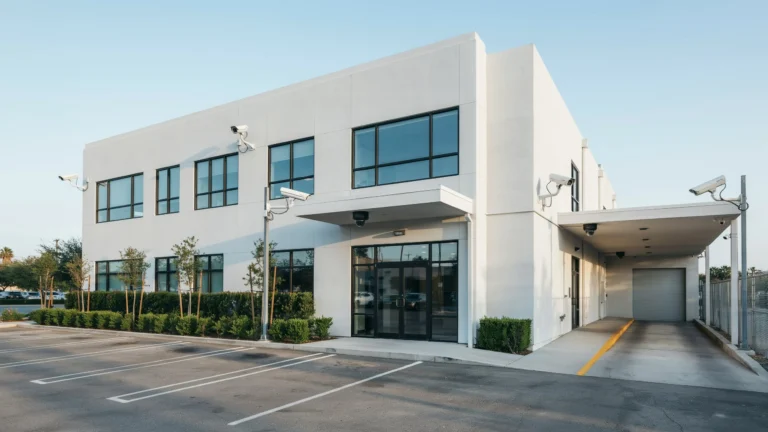
For critical areas, such as entrances, cash handling areas, loading zones, or large commercial sites, a properly designed wired system may offer a more stable connection. A local recorder can also provide another layer of protection. Depending on the system, cameras may continue recording to an NVR even when the internet connection is unavailable.
Are There Camera Jammers?
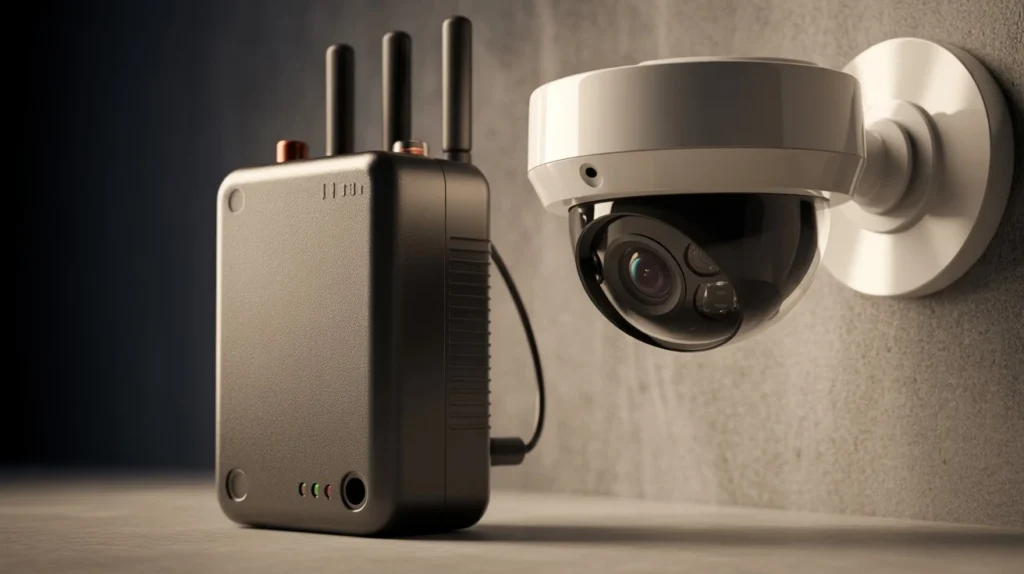
Yes, devices marketed as camera or signal jammers exist. But marketing claims should not be confused with legal permission. The FCC has warned that jammers can interfere with Wi-Fi and other authorized communications. It also states that consumers cannot legally operate jammers in the United States, including on private property.
Because these devices can affect communications beyond one camera, they can create problems for other nearby devices as well. For that reason, this article does not provide instructions for selecting, configuring, or using a jammer. If your goal is privacy rather than disruption, use lawful options such as privacy screens, better camera placement, window coverings, fencing, or changes to your own camera’s viewing angle.
How to Tell If Your Security Camera Has Interference
It is difficult to prove interference from a single symptom. Look for patterns instead.
Common warning signs include:
- The camera repeatedly goes offline.
- Live video freezes or becomes delayed.
- Motion alerts arrive late.
- Several wireless cameras fail at the same time.
- The NVR shows connection errors.
- Video quality changes without a clear reason.
- The camera works normally when moved closer to the router.
- Wired cameras continue working while Wi-Fi cameras disconnect.
Start with basic troubleshooting.
Check whether the camera has power. Then check the router and internet connection. Review the camera’s connection status and signal strength. Inspect cables, connectors, and network equipment. If only one camera has a problem, the issue may be local to that camera. If every wireless camera fails together, investigate the network or power system.
How to Protect Security Cameras From Interference
The best defense is a camera system designed for reliability.
Use Wired Connections for Important Cameras
PoE cameras can reduce dependence on Wi-Fi. They are often a good choice for fixed cameras that need a stable connection.
Improve Wi-Fi Coverage
If wireless cameras are necessary, place the router or access points where they can provide reliable coverage.
Do not assume that a strong signal inside the house will automatically reach every outdoor location.
Use Local Recording
An NVR or other local storage can help keep footage available even when the internet connection fails. Cloud features can still be useful, but local recording gives you another recording path.
Protect the Power Supply
Consider backup power for the router, PoE switch, NVR, and other important equipment. A UPS can keep key equipment running during short power interruptions.
Secure the Network
Use a strong Wi-Fi password and keep network equipment updated. Change default passwords on cameras and recorders. Only give trusted users access to the camera system.
Test the entire system
Don’t stop testing when you see a live picture on the camera. Test recording, playback, notifications, remote viewing, nite vision, and network connectivity. Full system testing helps uncover problems before a key event happens.
What to do when you suspect someone is messing with your cameras?
Focus on the data, not on assumptions. Start by noting the time that the problem happens. Record which cameras go down, how long they remain offline and whether wired or wireless devices are affected. Check your router and camera logs when available. Review power events and network changes. If the problem continues, have a qualified technician inspect the installation.
If you have evidence of unlawful interference, use the proper legal or regulatory channel. In the United States, the FCC provides complaint options for interference issues. Do not attempt to retaliate by interfering with another person’s equipment. That can create a second problem instead of solving the first one.
How Professional Security Camera Installation Can Help
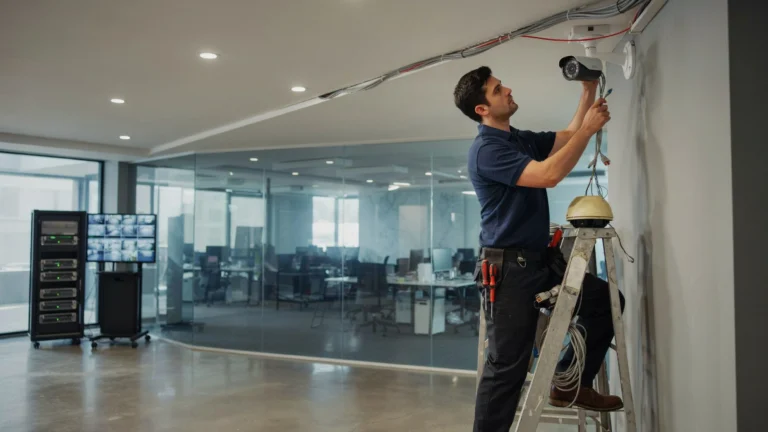
Good installation begins before the first camera is installed. A skilled installer will survey the site, identify regions of weak Wi-Fi, identify best camera placement, arrange cable runs, and determine whether to use hardwired or wireless equipment. “People should want reliable coverage for their homes and businesses, not just the most cameras.”
If you are looking for security camera installation indianapolis, Cam Security Surveillance’s security camera installation service can help with system planning and installation.
Cam Security Surveillance can also help determine whether a property is better suited for wired cameras, wireless cameras, or a combination of both. A proper installation should include camera positioning, network testing, recording checks, and remote-viewing setup. These steps can reduce common problems that users may mistake for signal interference.
Conclusion
Is There a Device That Can Interfere With Security Cameras? Yes, devices designed to interrupt wireless communications exist. But a camera being offline does not show that a jammer is being deployed. Weak Wi-Fi, network congestion, power problems, damaged cables, and equipment malfunctions might generate similar symptoms.
For reliable protection, focus on good system design. Use wired connections where practical, maintain strong network coverage, protect critical equipment with backup power, and keep local recording available when needed.
If your cameras repeatedly disconnect or fail to record, professional troubleshooting can help identify the real cause. Contact Cam Security Surveillance today to discuss a camera system that fits your property and coverage needs. Contact us today for professional help with camera installation, system planning, and reliable security coverage.
FAQs
Is There a Device That Can Interfere With Security Cameras?
Yes. Devices designed to interfere with wireless communications can affect Wi-Fi-connected cameras. However, camera outages can also come from weak Wi-Fi, power loss, network problems, or faulty equipment.
Are security camera jammers legal?
In the United States, the FCC prohibits consumers from operating devices that intentionally block or interfere with authorized radio communications.
Are there camera jammers?
Devices marketed as camera or signal jammers do exist. Some are designed to interfere with wireless communications. Their use can be illegal and may also affect other nearby wireless devices.
What is the best camera jammer?
There is no safe or lawful reason to recommend a jammer for disrupting someone else’s security system. If you have a camera problem, troubleshoot the network, power, and equipment instead.
Can I block a Wi-Fi camera signal?
Intentionally blocking another person’s camera signal can create legal and safety issues. If you need privacy on your own property, use lawful methods such as privacy screens, landscaping, window coverings, or proper camera placement.
Can a Wi-Fi security camera stop recording if Wi-Fi goes down?
It depends on the camera and storage setup. Some cameras can continue recording locally, while others rely heavily on their network or cloud connection.
Are wired security cameras harder to interfere with?
Wired cameras do not depend on a wireless camera-to-network link. They can still experience power, cable, switch, or recorder problems, but wireless signal interference is not a normal failure point.
How can I make my security cameras more reliable?
Use suitable camera placement, reliable power, strong network coverage, secure equipment, local recording, and regular system testing. Wired PoE cameras can be useful for important locations.