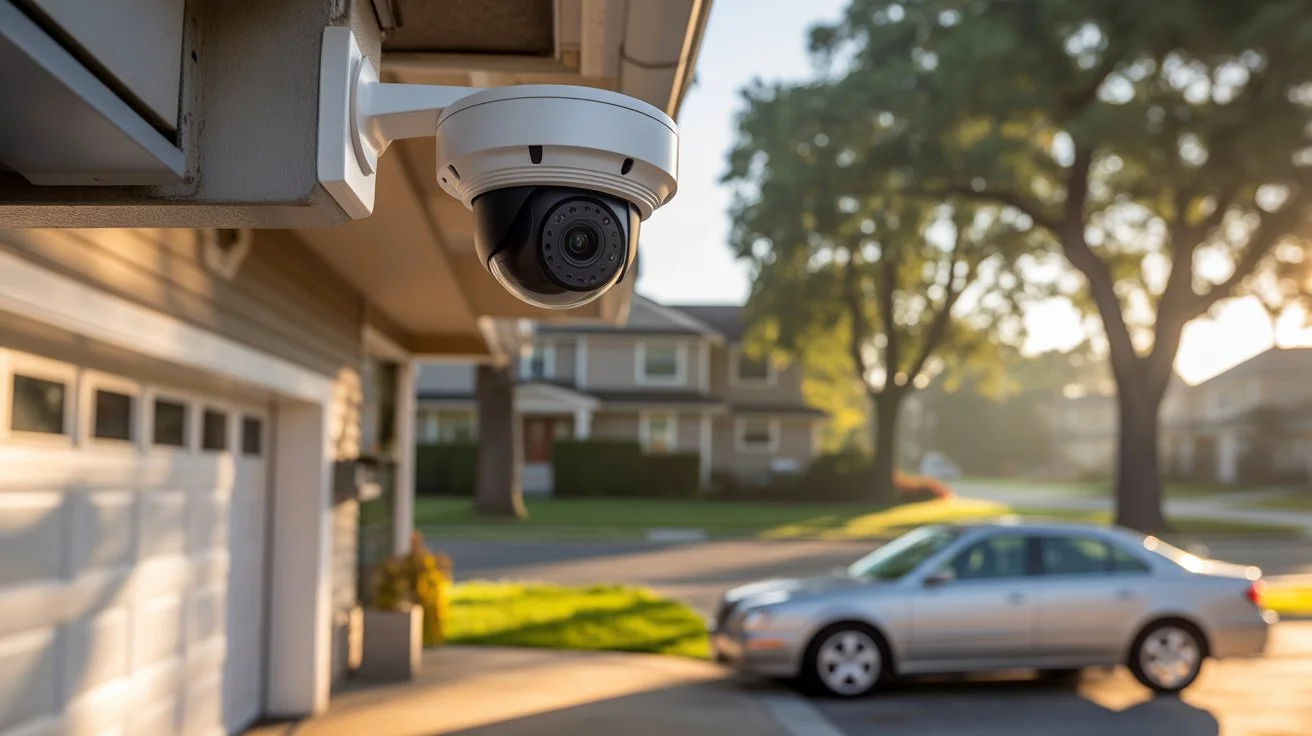
Security cameras help protect your home or business, but using them the wrong way can lead to serious legal trouble. Many people install cameras without knowing the rules. That mistake can cost money, privacy, and peace of mind. The good news is that most laws are simple when explained clearly.
Understanding Security Cameras Law helps you stay safe and avoid risk. This guide explains what you can and cannot do, in plain terms, so you can protect your property the right way.
Why Security Camera Laws Matter
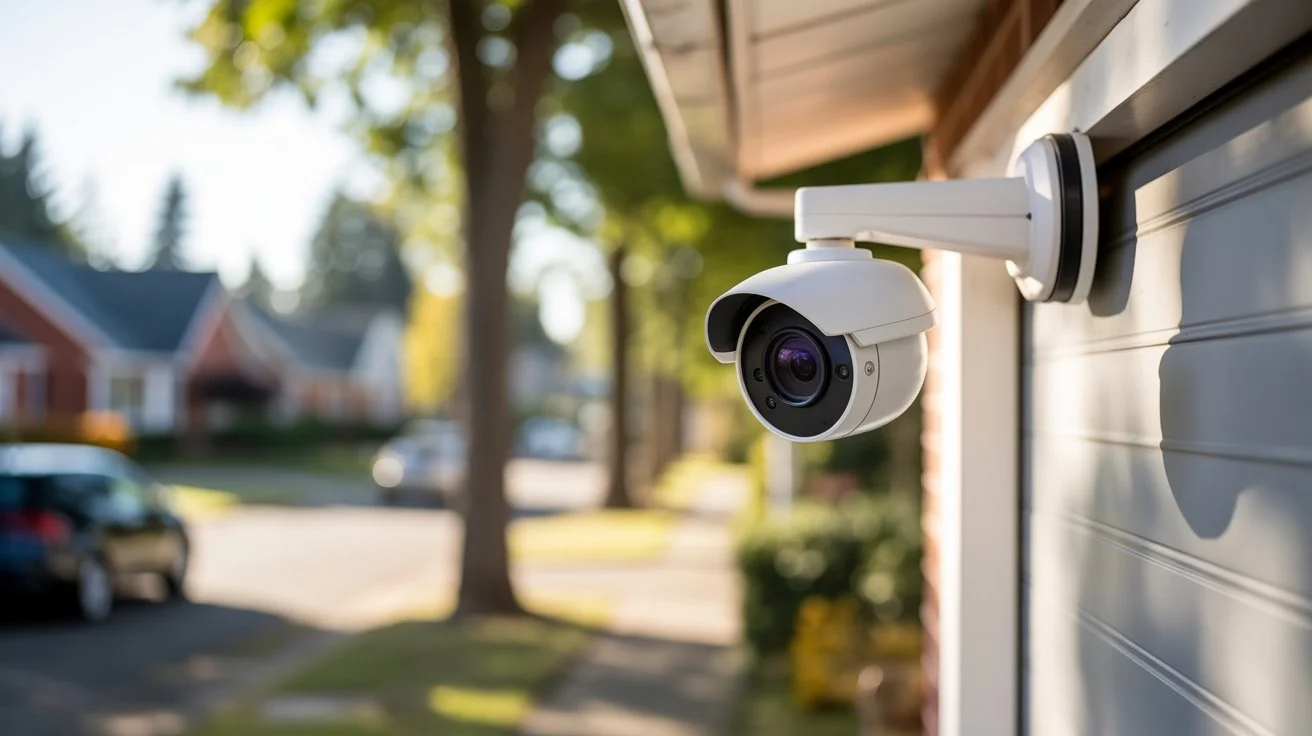
Security cameras are powerful tools. They record people, actions, and sometimes conversations. That raises privacy concerns. Laws exist to protect both you and others. If you ignore these rules, you may face fines or lawsuits. In some cases, you could face criminal charges. This is why Security Cameras Law is not something to guess.
For example, many homeowners install cameras without checking local rules. A simple setup meant for safety can become illegal if it records private areas. Even businesses offering services like security camera installation indianapolis must follow strict guidelines to avoid legal trouble.
At Cam Security Surveillance, we often see users who install systems first and learn laws later. That approach creates risk. It is always better to understand the law before you install anything.
Federal vs State Laws (Overview)
There is no single law that covers everything. Instead, rules come from two levels:
Federal Laws
Federal law focuses on privacy and wiretapping. It mainly controls audio recording. Video recording is less strict at this level.
State Laws
State laws vary a lot. This is where most rules come from. These include:
- video surveillance laws by state
- Audio consent rules
- Privacy rights
Some states allow recording with one person’s consent. Others require all parties to agree.
Because of this, you must check your local laws before installing cameras. What is legal in one state may be illegal in another.
Is It Legal to Install Security Cameras?
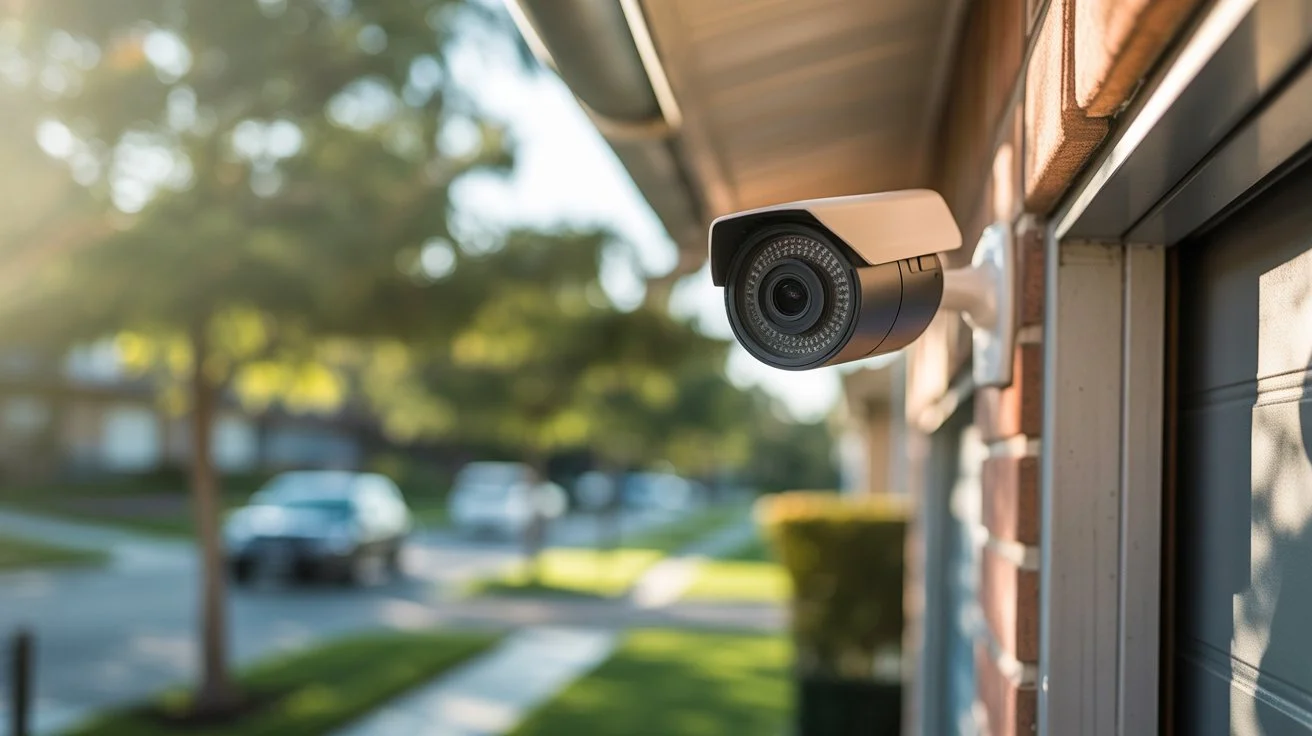
Yes, in most cases it is legal. But there are limits.
For Homes
Homeowners can install cameras on their property. This includes:
- Front doors
- Backyards
- Driveways
These fall under security cameras for home laws. The key rule is simple. You cannot record areas where people expect privacy.
For Businesses
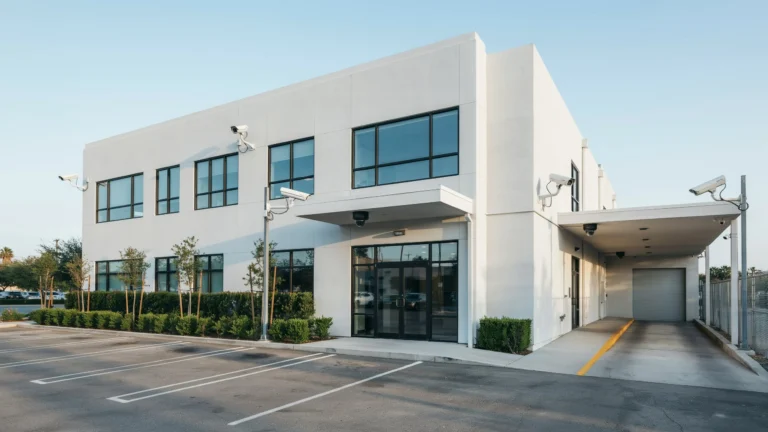
Businesses can use cameras for safety and monitoring. This includes:
- Shops
- Offices
- Warehouses
However, employers must respect employee privacy. Hidden cameras are often restricted. So while installation is legal, how and where you use cameras matters most.
Where You Can and Cannot Place Cameras
Placement is one of the biggest legal issues.
Allowed Areas
You can place cameras in:
- Entry points
- Parking areas
- Public-facing spaces
These areas are considered safe under most security camera placement laws.
Restricted Areas
You must avoid placing cameras in:
- Bathrooms
- Bedrooms
- Changing rooms
These areas have a strong expectation of privacy. Recording here is almost always illegal. Even outdoors, be careful. Do not aim cameras directly into a neighbor’s window. That can lead to legal complaints.
Do You Need to Inform People About Cameras?
In many cases, yes.
For Businesses
Businesses should clearly inform people about cameras. This is often done with signs. It builds trust and helps meet legal rules.
For Homes
Homeowners are not always required to post signs. But it is still a good idea. It avoids confusion and disputes. Transparency is a key part of home video surveillance laws. When people know they are being recorded, legal risk drops.
Security Cameras in the Workplace
Workplace surveillance is common, but it has limits.
Employers can monitor:
- Work areas
- Entrances
- Storage rooms
They cannot monitor:
- Restrooms
- Break rooms (in many cases)
- Private offices without reason
Hidden cameras are risky. Many states ban them unless there is a strong reason. Also, audio recording in the workplace is heavily regulated. You must follow consent laws strictly.
Security Cameras for Renters and Tenants
Renters also have rights, but there are rules.
What Tenants Can Do
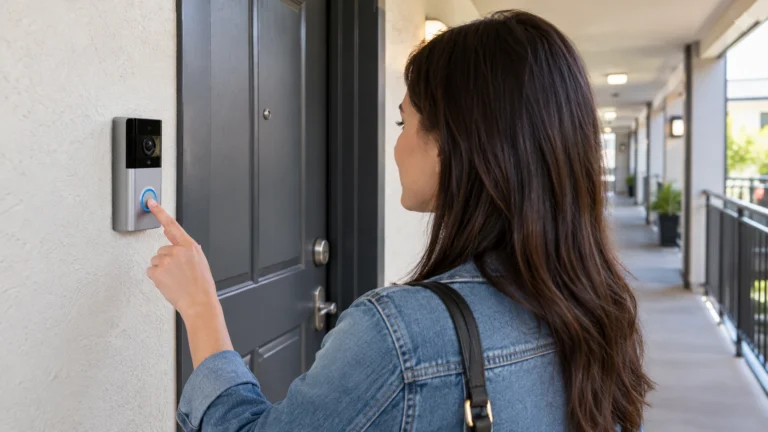
Tenants are usually allowed to install security cameras inside their own unit. This includes devices like indoor cameras or video doorbells placed at their front door. These cameras help improve personal safety and are generally allowed under security cameras for home laws, as long as they only cover the tenant’s private space.
What Tenants Cannot Do
Tenants cannot record areas that are shared with others, such as hallways, staircases, or parking spaces. They also should not point cameras into another person’s apartment or private area. Doing so can violate privacy laws and lead to complaints or legal issues.
Landlords may also include rules about cameras in the lease agreement. That is why it is always important to review your lease and get permission if needed before installing any security system.
Neighbor Privacy and Boundary Issues
This is one of the most common problems.
You can record your own property. But issues arise when your camera captures:
- A neighbor’s yard
- Windows or doors
- Private activities
Even if it is unintentional, it can lead to disputes.
To stay safe:
- Adjust camera angles
- Use privacy zones
- Avoid zooming into private spaces
Respecting boundaries is a key part of Security Cameras Law.
Audio Recording Laws (Often Overlooked)
Audio laws are stricter than video laws.
There are two main types:
- One-party consent
- Two-party consent
In one-party states, only one person needs to agree. In two-party states, everyone must agree. Recording audio without consent can lead to serious legal trouble. In many cases, it is better to disable audio unless you are sure it is legal.
Data Storage and Footage Laws
Recording video is only part of the process. Storing it also has rules.
Storage Limits
There is no fixed rule for how long you can keep footage. Still, storing it for too long can raise privacy concerns and even legal questions in some cases. It is best to keep footage only for a reasonable period, such as 30 to 90 days, unless you need it for evidence or an investigation.
Data Protection
You must keep your recorded footage safe at all times. Protect it from hackers, data leaks, and system breaches. Use strong passwords and secure storage systems so no one can access the footage without proper permission.
Sharing Footage
You can share footage with law enforcement when required for legal reasons. However, sharing it publicly, especially on social media, without consent can create serious legal problems. Always make sure you have a valid reason before sharing any recorded video.
Following these rules helps you stay compliant with video surveillance laws by state.
Penalties for Violating Security Camera Laws
Breaking the law can have serious results.
Possible Consequences
- Fines
- Lawsuits
- Criminal charges
For example, recording in private areas can lead to heavy penalties. Audio violations are even more serious. This is why understanding Security Cameras Law is essential before installing any system.
Best Practices to Stay Legally Compliant
Here are simple steps to stay safe:
- Place cameras only in allowed areas
- Avoid recording private spaces
- Use clear signage when needed
- Disable audio if unsure
- Check local laws before installing
These steps follow both home video surveillance laws and general privacy rules.
How to Choose a Compliant Security System
Not all systems are equal. Some features help you stay within the law.
Look for These Features
- Privacy masking
- Secure storage
- Motion detection
- Remote access
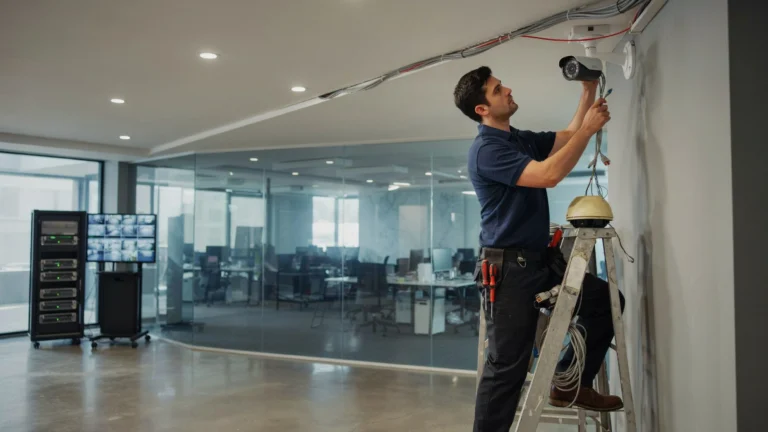
Professional installation also helps. Experts understand security camera placement laws and can guide you. A well-designed system reduces both legal risk and security gaps.
Conclusion
Security cameras are useful, but they come with responsibility. You must follow clear rules about placement, recording, and privacy to avoid legal trouble. Even a small mistake, like pointing a camera in the wrong direction, can create serious issues.
Understanding Security Cameras Law helps you avoid mistakes and protect your property the right way. It also ensures that you respect the privacy of others while keeping your home or business secure. Always check your local laws before installing or upgrading your system, and make sure your setup follows proper guidelines.
If you are unsure about legal requirements or need expert help with installation, it is always better to consult professionals. For reliable guidance and compliant solutions, you can contact us at Cam Security Surveillance and get the right setup without the risk.
FAQs
Can I record audio on my security cameras?
It depends on your state laws. Some states follow one-party consent, where only one person involved needs to agree to the recording. Other states require all parties to give consent before audio can be recorded. Because audio laws are stricter than video laws, it is always safer to check your local rules or disable audio if you are unsure.
Do I need signs for security cameras?
Businesses are usually required to post clear signs informing people about surveillance. This helps with transparency and legal compliance. Homeowners may not always need signs, but it is still a smart practice. It can prevent disputes and make visitors aware that recording is taking place.
Can my neighbor point a camera at my house?
Your neighbor can install cameras to monitor their own property, such as their yard or entrance. However, they should not aim cameras directly into your home, windows, or private spaces. If a camera invades your privacy, you may have the right to raise a complaint or take legal action.
How long can I keep security footage?
There is no strict legal limit for storing footage in most areas. However, keeping recordings for too long can raise privacy concerns. A common practice is to store footage for 30 to 90 days unless it is needed for evidence or an ongoing investigation.
Are hidden cameras legal?
In most cases, hidden cameras are not allowed, especially in places where people expect privacy, such as bathrooms or bedrooms. Using hidden cameras without consent can lead to serious legal consequences. It is always better to use visible cameras and follow clear legal guidelines.