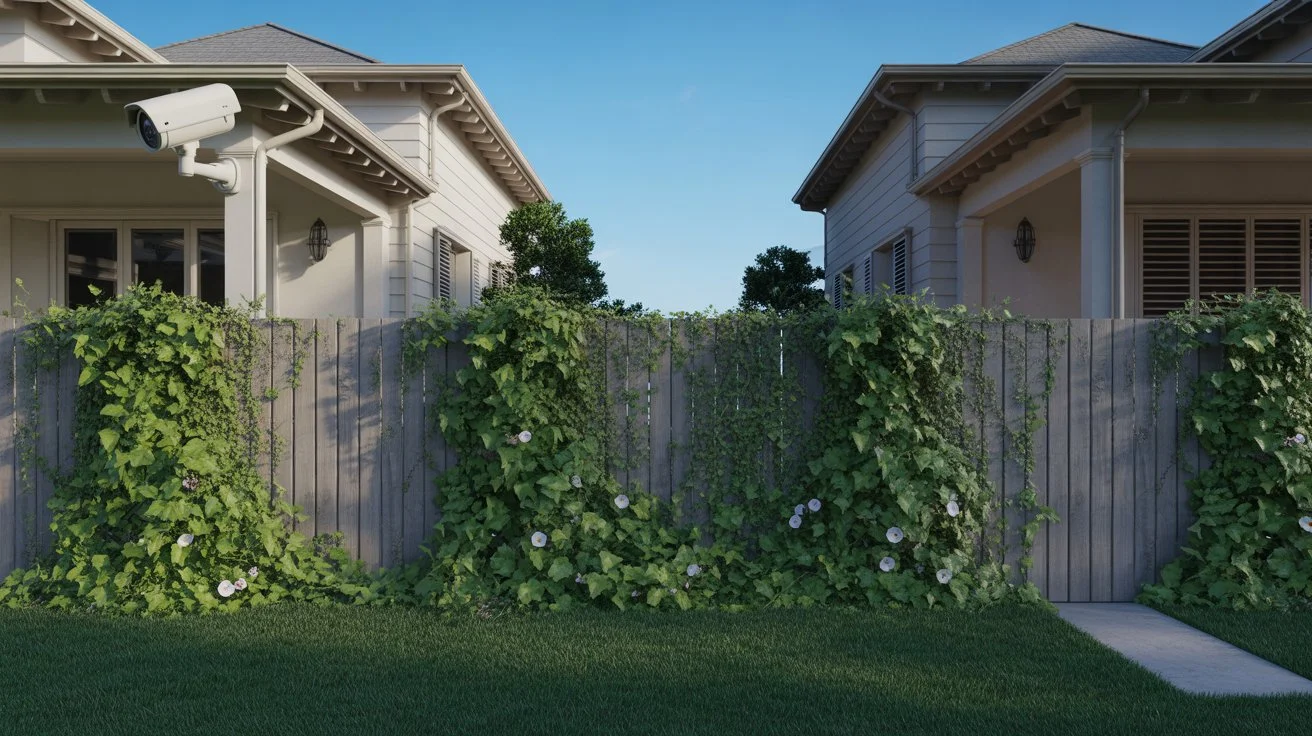
A security camera can keep a home safe. It might also feel uncomfortable when it aims at your yard, windows or other private spots. The best way to handle this is not to mess with the camera itself but to block the view. You can use privacy fences, bushes, trees or outdoor screens to stop the camera from seeing what you don’t want it to see. Rearranging your garden or yard can also help reduce visibility without harming anyone’s property.
If you are wondering how to block neighbor security cameras start with something. First figure out which private areas are being seen. Then have a conversation with your neighbor. Sometimes just talking helps. If you still feel the need add a privacy barrier, like a fence or plants. Never cover the camera break it disconnect it or try to interfere with its function. That can cause problems. Might not be legal. Keep things safe.
Can You Legally Block a Neighbor’s Security Camera?
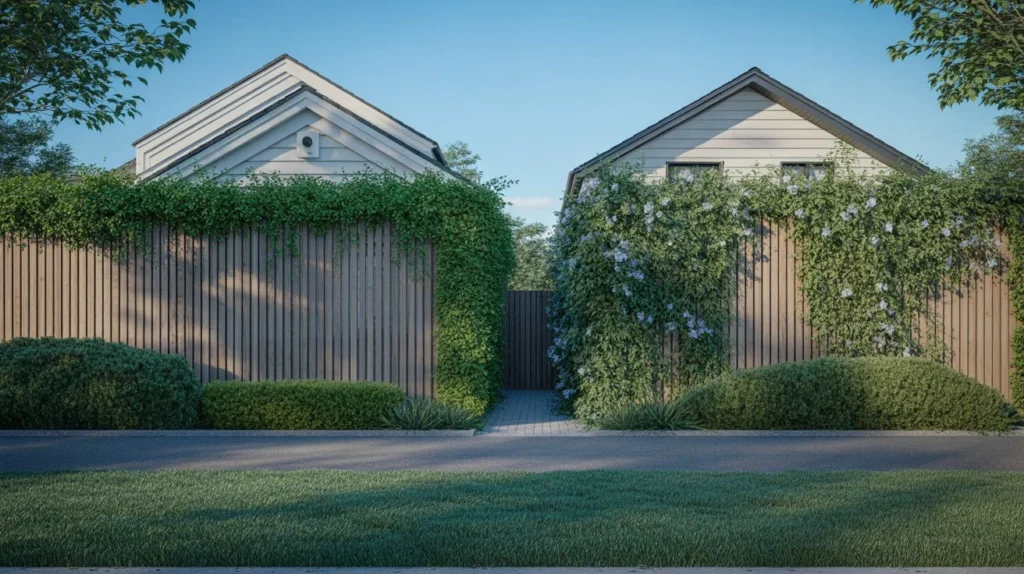
There is no one rule that fits every neighbor camera dispute. Privacy laws, property rules, HOA guidelines and local ordinances can vary depending on where you live. A camera pointed at a driveway, street front yard or another public area is different from one aimed directly at a space like a bedroom window or backyard. The reason, behind the camera placement also plays a role. A neighbor might have installed the camera to protect their entrance, vehicles or property of trying to watch your home.
Before taking action, ask three questions:
- What area can the camera actually see?
- Is the camera on the neighbor’s property?
- Is it recording an area where you have a reasonable expectation of privacy?
Do not think that seeing a camera means your privacy rights have been broken. At the time do not pay no attention to a camera that seems to look at private parts.
If you are in Indiana state law has rules, about putting a camera or electronic watching device on someone Private land without permission. The specific details still count,. Legal questions need to be checked against the latest state and local laws.
How to Block the View of a Neighbor Security Camera
The goal should be to create privacy on your property without touching the neighbor’s equipment. These options can work for homes, patios, gardens, balconies, and side yards.
1. Install a Privacy Fence
A privacy fence is one of the practical ways to reduce a cameras view. A solid fence can block a low or medium-angle camera from seeing parts of your yard. Before installing one check height rules and property boundaries. For example if a camera looks across a backyard, toward your patio a placed fence may block that sightline while still allowing the neighbor to protect their own property. Do not build the fence simply to cover the camera itself. Build it around the area where you need privacy.
2. Use Trees, Shrubs, or Privacy Plants
Plants can create a visual barrier without changing the camera. Tall shrubs, hedges, trees and climbing plants can help cover sightlines into a yard. This option works best when you have space for plants to grow.
Choose plants based on your climate, sunlight, maintenance needs and local rules. Keep plant size in mind. A small plant may not provide privacy for several years.
3. Add a Privacy Screen
A privacy screen can work well when you need a smaller barrier.
Screens can be placed around:
- Patios
- Decks
- Outdoor seating
- Balconies
- Pools
- Garden areas
Screen can be useful when a full fence would be too expensive or unnecessary. Screen can also protect one area instead of blocking the entire yard. Screen makes a choice when camera only sees one section of property.
4. Change the Layout of Your Private Area
Sometimes you don’t have to block the camera view. Just move seating play areas or private activities behind an existing wall, fence, shed or landscaping feature. A covered patio can also help reduce visibility from camera angles. This idea is often missed when people look for waysto block neighbors camera views. You might only need to protect the part of your property where privacy matters most.
5. Ask the Neighbor to Reposition the Camera
A calm conversation can solve the problem faster, than a barrier. Explain what concerns you. Point out the area you believe the camera can see. The neighbor may not realize that the camera captures part of your yard or windows.
You can ask them to:
- Change the camera angle
- Move the camera
- Narrow the viewing area
- Use a privacy zone
- Disable recording for a certain area
Many modern security cameras offer privacy masking. Privacy masking can hide selected parts of the image while still allowing the security camera to protect the owners property.
6. Use Your Own Privacy Barrier Near Windows
If the main issue is a space that can be seen through a window outdoor barriers are not the only thing you can use. Curtains, blinds, privacy film and windows that are covered with something that makes them cloudy can make it harder for people outside to see inside bedrooms, bathrooms, offices and other private areas.
This does not stop the neighbors camera from working. It just makes it so the camera cannot see through the window.
What Not to Do to Block a Neighbor’s Security Camera
When people search for how to block security camera equipment, they may find suggestions involving direct interference. Avoid those methods.
Do not:
- Cover the camera with an object.
- Spray or damage the camera lens.
- Cut its power or network cable.
- Enter the neighbor’s property to change its position.
- Throw objects at the camera.
- Damage the mounting hardware.
- Use devices intended to interfere with the camera.
These actions can turn a privacy concern into a property dispute or legal problem. A better approach is to control what happens on your side of the property line. A fence, screen, landscaping or privacy covering can solve the problem without touching the persons equipment.
What to Do If a Neighbor’s Camera Points Into Your Home
A camera pointing toward your home deserves attention especially if it appears to capture private indoor areas. Start by identifying what the camera can actually see. Look at its position, direction and visible field of view from your property. Avoid entering the neighbors property to inspect it. If you believe the camera is recording areas document the concern, from your own property. Take notes about the cameras location and what part of your property appears visible.
Then speak with the neighbor if it is safe to do. Ask whether they can adjust the camera or activate privacy masking. If communication does not resolve the issue check your laws HOA rules, lease terms or property regulations. For disputes a local attorney or appropriate authority can explain what options apply to your situation.
What If a Neighbor Has a Camera Pointing Into My Garden?
A neighbour has a camera pointing into my garden. That situation does not always mean the camera is illegally recording you. The camera might just be aimed at the neighbor’s driveway, gate, garage or side entrance. Your garden could simply be in the view of the camera’s angle.
The main question is whether the camera can be adjusted so it still protects the neighbors property but doesn’t unnecessarily capture your area. Sometimes a privacy fence, a hedge or a screen can help fix the problem. These solutions may stop the camera from seeing your garden without causing tension, between neighbours.
How to Prevent Security Cameras From Invading Your Privacy
You can improve privacy before a camera becomes a problem.
Start by identifying exposed areas around your property. Look at windows, patios, side yards, driveways, gardens, and outdoor seating areas.
Then consider simple privacy measures:
- Use curtains or privacy film on exposed windows.
- Add fencing around private outdoor areas.
- Use plants to create natural screening.
- Place outdoor seating behind a wall or screen.
- Use covered structures for highly private spaces.
- Review nearby camera positions before creating a new private area.
Consider privacy from heights. A six-foot fence may block a view, at ground level. May not stop a camera on a second story wall. That is why privacy planning must take into account the height of a camera and the angle of a camera.
Can You Block a Security Camera Without Damaging It?
Yes. The safest way is to stop the camera from seeing your property of trying to block or mess with the camera. For example imagine a camera on a house door that can see into a side yard. You could put up a privacy screen on your land that stops that view.
Another example is a garden where a camera can see over a fence. Putting up plants can make it harder to see without touching the camera. If you are asking how to stop cctv camera views think about the sightlines of the equipment. The question is not “How can I stop the camera?” It is, “How can I keep my space private?” That change, in thinking leads to more realistic answers.
When Should You Contact a Professional?
A professional can help when privacy concerns involve the placement of your own security cameras or the layout of your property. For example, if you are installing cameras at home, a professional can help position them toward entrances, driveways, garages, and other important areas while limiting unnecessary views of neighboring properties.
If you are in Indianapolis, you can explore professional security camera installation indianapolis services for help with camera placement, coverage, and privacy-aware installation.
Cam Security Surveillance can help property owners plan camera locations based on the areas that need protection. A proper site assessment can also help reduce blind spots without unnecessarily pointing cameras toward neighboring homes.If your concern involves a neighbor’s camera, a security installer cannot decide whether that camera is legally allowed to record your property. Legal disputes should be handled with the appropriate local authority or legal professional.
A Simple Way to Handle a Neighbor Camera Dispute
If you are unsure what to do, follow this order:
Step 1: Identify exactly what the camera can see.
Step 2: Determine whether it is actually recording your private area.
Step 3: Talk with the neighbor calmly.
Step 4: Ask for repositioning or privacy masking.
Step 5: Add a fence, screen, plants, or window covering on your property if needed.
Step 6: Check local rules if the problem continues.
This approach protects your privacy while reducing the chance of a larger property dispute.
Conclusion
The best answer to How, to Block Neighbor Security Cameras is usually to block the view, not the equipment. A privacy fence, screen, landscaping, window covering or better outdoor layout can protect your areas without damaging the neighbors camera.
If you need help choosing the right camera locations for your property, contact us today. Cam Security Surveillance can help you plan a security camera system that provides useful coverage while keeping privacy in mind.
FAQs
Can I legally block my neighbor’s security camera?
You can use privacy measures on your property like a fence or screen.. Local rules about property and privacy vary. Don’t. Interfere with the camera.
How can I stop my neighbor’s camera from seeing my yard?
You can use a privacy fence, tall plants, a privacy screen or a covered outdoor area. You can also talk to your neighbor. Ask them to move the camera or use privacy masking.
Can a privacy fence block a security camera?
Yes. A privacy fence if placed correctly can block the camera’s view of your yard. Consider the camera’s height and angle when choosing the fence height.
Can I ask my neighbor to move their security camera?
Yes. It’s best to talk to them. Explain which part of your property is private and ask if they can reposition the camera or use privacy masking.
Is it illegal to cover or disable a neighbor’s security camera?
Yes it can be illegal. Damaging, covering, disconnecting or interfering with someone ’s camera can cause legal trouble. Use privacy barriers, on your property instead.
What can I do if my neighbor’s camera points into my house?
First see what the camera actually captures. Then ask your neighbor to move it or use privacy masking. If the problem continues check laws or talk to a lawyer.
Can security cameras use privacy masking?
Yes. Many modern cameras have privacy masking or privacy zones. These let you blur or hide areas while still monitoring the rest of the property.