There are several reasons why security cameras can lose video. Weak Wi-Fi, power failure, network issues or radio interference. Some gadgets are made to jam wireless signals, but employing them might be unlawful and dangerous. Not all the camera failures are system attacks. Often the underlying cause is a simple network or power problem.
Is There a Device That Can Jam Security Cameras? Yes. Some signal jammers can interfere with wireless communication such as Wi-Fi utilized by some cameras. But deliberately messing with someone else’s camera system could be against the law. The preferable way is to identify the root cause of the outage and increase the reliability of the system.
What does interference with a security camera mean?

One way to conceal a security camera is to put it somewhere less obvious. It doesn’t always entail making the camera invisible. Discreet location has practical advantages for the majority of households. A camera can be positioned next to a wall corner or beneath an eave without drawing attention to itself. The region you wish to protect should still be clearly visible to the camera. Its lens shouldn’t be positioned behind screens, glass, foliage, or other items.
Additionally, a well-positioned camera should be easily accessible for maintenance and repairs. Making a camera hard to access can lead to issues down the road. Additionally, there is a significant distinction between covert monitoring and discreet security. It is not appropriate to place a security camera on your property to surreptitiously observe personal activities.
Is It Legal to Hide a Security Camera?
The regulations governing cameras vary depending on where you are and what the camera captures. Generally speaking, recording places where people have a legitimate expectation of privacy might raise significant legal issues. Special attention must be given to private areas such as restrooms, changing rooms, and bedrooms. Additionally, audio may give rise to distinct legal concerns. Conversation recording is prohibited in some places.
Examine the laws that apply to your home before installing a covert camera. States and localities may have different regulations. Examine the camera’s field of vision closely if it is recording outside your property. Without purposefully recording a neighbor’s private area, you might be able to safeguard your driveway. The simplest method is the safest. Avoid private places, use cameras for justifiable security reasons, and change the viewing angle as necessary.
Why Would You Want to Hide a Security Camera?
Making a camera less obvious can be done for a number of useful reasons. First, a covert camera might look nicer on your property. On some houses, large cameras may seem out of place. Second, the camera can be shielded from unintentional damage by careful positioning. A camera positioned beneath an overhang can be more resilient to rain and debris. Third, you might wish to lessen the possibility that the device will be tampered with.
Additionally, there is a balance between secrecy and visibility. Because people are aware that they are being filmed, a visible camera might serve as a deterrent. Coverage can be provided by a covert camera without drawing attention to itself. Prior to selecting the place, consider the goal.
Best Places to Hide or Discreetly Position Security Cameras

A location that offers a clear view while protecting the equipment is typically the best spot to conceal a camera.
Below a Roof Overhang or Eave
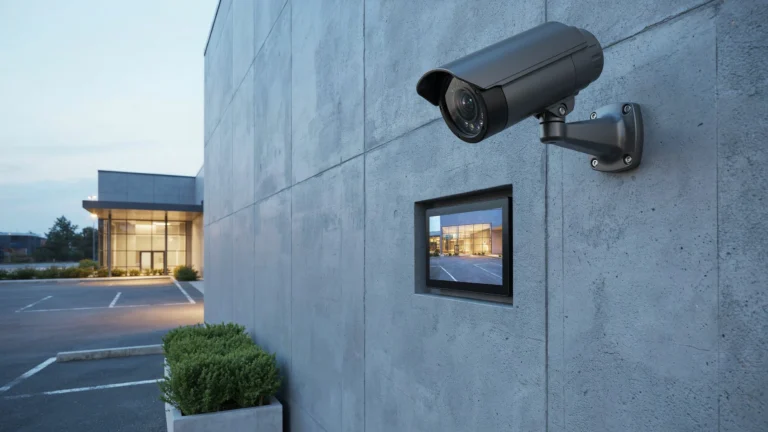
An outdoor camera can be placed naturally in an eave. It can shield the camera from intense sunlight and rain. Additionally, it increases the camera’s viewing angle.
Verify that the image’s top and sides are not obscured by the roof construction.
Close to a Wall Corner
From some viewing angles, a camera may be obscured by a wall corner.This works well around rear doors, garages, and side entries. Before making a permanent repair, check the camera’s whole field of vision.
Over a Garage Door
A garage is a crucial place for security. Above the garage door, a camera can keep an eye on people, cars, and activity close to the entrance. Don’t put it so high that it becomes hard to recognize faces.
Below a Covered Porch
A covered porch might shield the camera from the elements and make it less noticeable. Avoid aiming the lens in the direction of places where privacy might be assumed; instead, point it toward the entrance.
Within a Garage
Vehicles, tools, doors, and storage spaces can all be observed by a camera installed inside a garage. Mount it low enough to record important details but high enough to minimize unintentional contact.
Close to a Side Gate
It’s simple to forget about side gates while creating a security plan. It can be helpful to have a covert camera close to the gate. Don’t point it straight toward windows or the yard of a neighbor.
How to Hide Security Camera Wires
An otherwise covert camera may become noticeable due to visible wiring. Cables can frequently be run via appropriate conduit or along covered portions of walls for outdoor installations. When a building’s structure permits it, technicians may run wires via accessible wall or ceiling gaps.
Additionally, cable raceways can offer a tidy appearance. When it’s appropriate, they can be painted to match the wall. Avoid interfering with electrical wiring or running wires in dangerous areas. One Ethernet cable may transport both network data and power for PoE cameras. As a result, there may be fewer cords connecting to the camera. The type of camera, installation specifications, and building construction all influence the optimal wire path.
How to Make an Outdoor Security Camera Less Noticeable
Instead of covering the camera, start with location if you want to conceal my outdoor security cameras. To get a clear picture, an outside camera needs to be well exposed. An object covering the lens might impair nite vision and lower image quality. Instead, use the building’s natural features.
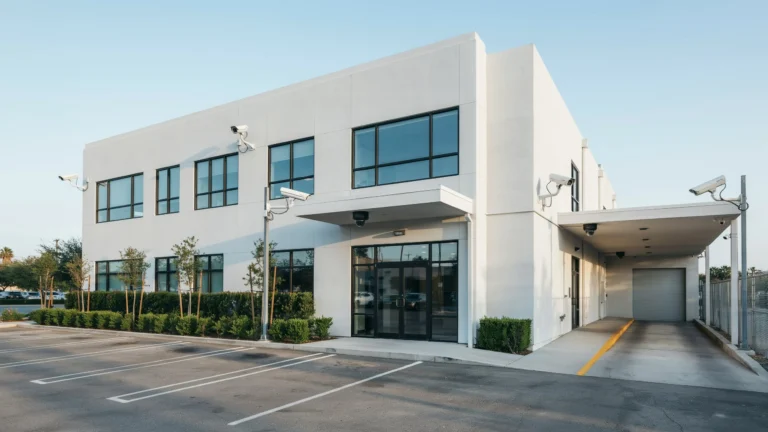
A camera can blend in with the property by using garage structures, eaves, porch ceilings, and wall corners. Select a camera size that is appropriate for the installation space. On a small porch, a huge camera might stand out more than a smaller one. Lighting is something else you should think about. During some hours, a camera exposed to intense sunlight may provide subpar photographs. Before determining that the site is suitable, test the camera at various times of the day.
How to Hide a Security Camera Without Blocking Its View
The primary guideline is straightforward: don’t conceal the lens behind anything. It is possible for a camera to be completely open and covert.
- Horizontal viewing angle
- Vertical viewing angle
- Night vision range
- Motion detection area
- Lighting conditions
- Distance from the target area
- Possible obstructions
For instance, it can appear appealing to position a camera behind a plant. However, leaves have the ability to move into the screen, obstruct motion detection, and appear as hazy forms at nite. Glass can also be problematic. While infrared light can reflect back into the lens, reflections can lower the quality of an image. A well-executed installation blends or conceals the camera body without obstructing the camera’s field of view.
Can You Hide a Security Camera in a Smoke Detector or Other Object?
There can be major privacy issues when a camera is hidden inside a commonplace item. It might be more difficult for people to notice a camera installed within a clock, lamp fixture, smoke detector, or other object. This increases the significance of the camera’s location and purpose. Disguising a camera as another device is typically not necessary for standard home security.
Instead, use regular security cameras in the right places. Put the camera under an architectural element or in another legal spot if you want it to look discrete. Never covertly record people in private spaces using a hidden camera.
Home security and covert surveillance are frequently combined in searches for the ideal locations to conceal a spy camera. They are not interchangeable. A responsible security system respects individual privacy while safeguarding property.
Indoor vs. Outdoor Discreet Camera Placement
Indoor and outdoor cameras have different placement needs.
Indoor Cameras
Good locations can include:
- Main entryways
- Hallways
- Living areas
- Home offices
- Garages
- Storage areas
Avoid private spaces such as bathrooms and changing areas. An indoor camera should also be positioned where it cannot be easily knocked over or covered.
Outdoor Cameras
Common areas include:
- Front doors
- Back doors
- Driveways
- Garages
- Side gates
- Patios
- Parking areas
Outdoor cameras need weather protection and suitable mounting hardware. Check the camera’s weather rating before using it outside.
Common Mistakes When Hiding Security Cameras
Discreet placement can fail when the camera becomes too hidden.
Blocking the Lens
The camera cannot provide useful footage if an object blocks its lens.
Mounting Too High
A very high camera can cover a large area but may make faces harder to identify.
Ignoring Night Vision
A location that looks perfect during daylight may perform poorly at night.
Pointing Toward Bright Lights
Streetlights, headlights, and strong outdoor lights can affect image quality.
Recording Private Areas
A camera should not unnecessarily capture private spaces.
Making Maintenance Difficult
You still need to clean the lens, check connections, update equipment, and troubleshoot problems.
Forgetting Wi-Fi Coverage
Wireless cameras need a reliable connection. A discreet location is not useful if the Wi-Fi signal is too weak.
How to Test a Hidden or Discreet Security Camera
Before you consider the installation finished, testing should be done. Watch the live image during the day to get started. Verify the visibility of the key regions. Next, test the camera at nite. Verify if doors, cars, faces, and other crucial elements are still visible. Additionally, test motion detection. Explore the locations you anticipate being watched by the camera. Verify the signal strength at the actual mounting site for wireless cameras.
Instead of depending just on the live view, you should also examine stored footage. On the live screen, a camera may appear flawless, but storage, network, or recorder settings may cause recording issues.
Hidden Security Cameras vs. Visible Security Cameras
Both approaches have advantages.
| Factor | Discreet Camera | Visible Camera |
| Appearance | Less noticeable | Easy to see |
| Deterrence | Less obvious | More noticeable |
| Weather protection | Depends on location | Depends on location |
| Maintenance | Can be harder | Usually easier |
| Privacy planning | Still required | Still required |
| Coverage | Depends on placement | Depends on placement |
There is no single answer for every property.
A visible camera may be useful near a front entrance because it clearly communicates that the area is protected. A discreet camera may work better where you want the equipment to blend into the building.
When Should You Avoid Hiding a Security Camera?
There are situations where making a camera less visible is not the right choice. If deterrence is your main goal, a visible camera may make more sense. You should also avoid hiding a camera if the location makes maintenance difficult.
Do not conceal a camera in a way that blocks its view or creates a privacy concern. If you are unsure about a location, consider what the camera will actually record. A small change in angle may protect your property while reducing unnecessary recording of surrounding areas.
What Is the Best Approach for a Discreet Security Camera?
Start with the area you need to protect. Do not begin by asking only how to hide camera equipment. First decide what the camera must see. For a front door, focus on faces and packages.
For a driveway, focus on vehicles and people approaching the property. For a side gate, focus on the gate and nearby access path. Then choose a mounting point that provides that view. This approach produces better results than simply finding the most hidden location.
How Professional Security Camera Installation Can Help
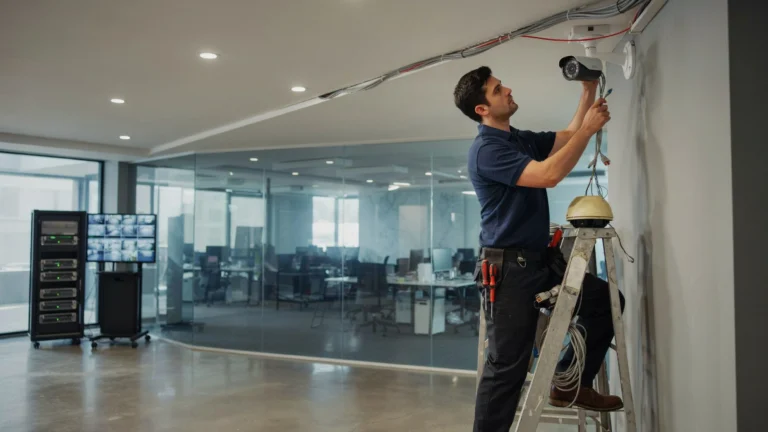
Professional installation can help when camera placement, wiring, or coverage is difficult to plan. An installer can assess the property and identify useful camera locations. They can also check lighting, viewing angles, cable routes, power, and network coverage. If you need security camera installation Indianapolis, professional planning can help you position cameras discreetly while keeping important areas visible.
Cam Security Surveillance provides security camera installation for homes and businesses. The team can help determine whether existing equipment can be reused and where new cameras should be installed. A site assessment can also help reduce blind spots. It gives you a chance to address privacy concerns before the equipment is permanently mounted.
Conclusion
How to Hide Security Cameras starts with choosing the right location, not simply making the camera invisible. Use eaves, wall corners, covered areas, garages, and other suitable locations to make cameras less noticeable. Keep the lens clear and test the view during day and night. Avoid placing cameras in private areas or disguising them for secret recording. Privacy laws can vary, and audio recording may have separate rules.
If you are unsure about the best place to hide a camera, focus on coverage, safety, privacy, and maintenance. A discreet camera should still provide reliable footage when you need it. For help planning a discreet and practical security camera system, contact Cam Security Surveillance today.
FAQs
Can I legally hide a security camera?
Laws vary by location. Avoid recording areas where people have a reasonable expectation of privacy, and check local rules before installation.
Where is the best place to hide a security camera?
Useful discreet locations include eaves, wall corners, covered porches, garage areas, and other places with a clear view.
Can security cameras be hidden outside?
Yes. Outdoor cameras can be placed discreetly under eaves, porch roofs, garage structures, or other suitable areas. The camera still needs a clear view and proper weather protection.
How can I hide security camera wires?
Cables can often be routed through suitable wall or ceiling spaces, along protected areas, or inside cable raceways. Outdoor cables may need suitable conduit.
Can I hide a security camera inside my house?
You can place a home security camera discreetly in suitable common areas. Avoid private spaces such as bathrooms and changing areas.
How do I hide a security camera without blocking the view?
Use the building’s natural features, such as eaves and corners, instead of placing objects over the camera. Test the full viewing angle before installation.
Are hidden cameras legal in bedrooms or bathrooms?
Recording in areas where people expect strong privacy can create serious legal issues. Avoid placing security cameras in bathrooms, changing rooms, and similar private areas.
Can I hide a security camera in a smoke detector?
Using disguised cameras can raise privacy concerns. For normal property security, a standard camera placed discreetly in a suitable location is a safer approach.
Should security cameras be visible or hidden?
It depends on your goal. Visible cameras can provide a clear deterrent, while discreet cameras can blend into the property. Both require proper placement and privacy planning.
Can hidden cameras still record at night?
Yes, if the camera has suitable night vision or low-light capability. Test nighttime footage at the actual installation location.