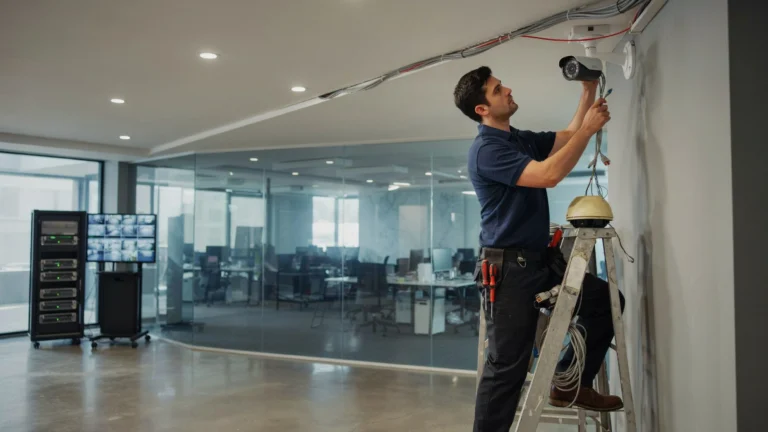
How to set up a router is one of the most essential skills for anyone who wants a smooth, secure, and high-speed internet experience at home or in the office. At Cam Security Surveillance, we understand that a properly configured router is the backbone of reliable connectivity powering everything from streaming and gaming to smart devices and security systems. By learning how to set up a router the right way, you can enjoy faster internet speeds, stronger security against cyber threats, and a stable connection that keeps all your devices running seamlessly. In this guide, we’ll walk you through every step from unboxing and connecting your router to optimizing settings and securing your network so you can enjoy hassle-free internet from day one.
Understanding the Basics Before You Begin

Before you learn how to set up a router, it’s important to understand what it does and how it fits into your internet setup. At Cam Security Surveillance, we’ve seen that taking time to grasp these basics can make the installation process faster, especially when connecting devices like wireless cameras and wired cameras.
- Router function – Directs internet traffic between your modem and devices.
- Modem vs. router – The modem brings the internet in; the router distributes it.
- Wired router – Best for stable connections to wired devices.
- Wireless router – Sends Wi-Fi to phones, laptops, and wireless cameras.
- Dual-band or tri-band – Offers better speed and handles more devices.
- ISP requirements – Know your login details, connection type, and router IP address.
By understanding these points prior to setting up, you’ll be more equipped to configure your network for speed, security and reliability so your devices remain connected without interruptions.
Tools & Information You’ll Need
Before you start the process of how to set up a router, gathering the right tools and information will save you time and prevent unnecessary interruptions. Whether you’re connecting a Netgear WiFi extender to improve range, setting up home internet to install WiFi for smart devices, or running a security system with the worth of cameras connected, being prepared is key.
- Internet service account details – Keep your ISP username and password ready, as you may need them to establish the connection.
- Ethernet cables and power supply – Essential for connecting your router to the modem and powering it up during the initial setup.
- A computer, laptop, or smartphone – You’ll need one of these devices to access settings and sign in to router for configuration.
- Router’s manual or model number – Having this on hand helps you follow the manufacturer’s specific instructions and find the correct login information.
Preparing to set up a router more easily means being prepared with these essential items, ensuring you can quickly connect devices without scrambling for missing cables or log-in credentials.
Step-by-Step Guide: How to Set Up a Router
Learning how to set up a router doesn’t have to be complicated. Whether you’re running an office network, connecting AI security cameras, or looking up security camera installation near me, a well-configured router ensures your devices stay online and secure. Many people even wonder, Do all cameras need WiFi? and while some wired models don’t, most modern systems, including many smart cameras, benefit from a strong, stable wireless connection. That’s why following these steps will help you get your router up and running efficiently, especially if you work with professional surveillance system installers or security camera installers.
Step 1. Unbox and Inspect Your Router
Before starting, open the box and make sure all components are included.
- Check for power adapter, Ethernet cables, and manuals.
- Identify key ports: power port, LAN ports, WAN/Internet port, and reset button.
- Confirm there’s no visible damage to the device.
Step 2. Connect the Router to the Modem
- Turn off both the modem and router before making connections.
- Use an Ethernet cable to connect the modem’s output port to the router’s WAN/Internet port.
- Power on the modem first, then the router, allowing each to fully boot.
Step 3. Power On and Access the Router’s Admin Panel
- Locate the default router IP address (often printed on the back or bottom of the router).
- Enter it into a web browser to access the admin panel.
- Sign in using default credentials, then change the username and password for better security.
Step 4. Configure Your Network Settings
- Set a unique network name (SSID) that’s easy to recognize but doesn’t reveal personal info.
- Choose a strong Wi-Fi password with WPA3 or WPA2 encryption.
- Enable network encryption to protect data from unauthorized access.
Step 5. Update Router Firmware
- Check for firmware updates in the admin panel or manufacturer’s website.
- Updating improves security, fixes bugs, and enhances performance.
Step 6. Set Up Additional Features
- Guest networks – Allow visitors to connect without accessing your main devices.
- Parental controls – Manage internet access for children’s devices.
- Quality of Service (QoS) – Prioritize bandwidth for gaming, video calls, or streaming.
By following these steps, not only will you learn how to set up a router but also create a strong and secure network that supports everything from streaming videos and AI security cameras, all the way up to AI home monitoring devices. No matter if it is for DIY enthusiasts or professional installation services; having an efficient router setup provides the foundation of a reliable digital environment.
Testing Your Internet Connection
Once you’ve completed all the steps of how to set up a router, the final crucial step should be testing that your internet is working as intended. A properly tested connection ensures that every device from laptops to wire security cameras and high-quality 4K IP security systems runs smoothly without lag or interruptions. Whether you’ve handled the process yourself or opted for professional WiFi router installation, testing gives you peace of mind that your setup is both fast and reliable.
Using Speed Test Tools
- Open a trusted speed test site or app to measure download, upload, and ping times.
- Compare results with your internet plan to ensure you’re getting the promised speeds.
- Run multiple tests at different times of day for accuracy.
Checking for Wi-Fi Dead Zones
- Move around your home or office with a connected device to spot areas with weak signals.
- Pay extra attention to spots where security equipment is installed, as poor coverage can affect wire security cameras and smart devices.
- Consider a Wi-Fi extender or mesh network to boost coverage in dead zones.
Troubleshooting if Internet is Not Working
- Restart your modem and router to refresh the connection.
- Check cables, ports, and power supply for loose or damaged connections.
- If you still face issues, log in to your router’s admin panel and review settings, or contact your ISP.
Test how to set up a router can not only verify that all devices are connected, but it can also ensure your network is optimized for performance. For outdoor setups, especially with security systems, also take steps to prevent fog on camera lenses to maintain clear visuals because a fast internet connection is only as good as the clarity of the devices it supports.
Router Placement for the Best Wi-Fi Coverage
Knowing how to set up a router is only part of the equation where you place it plays a huge role in how well your network performs. A strong, stable connection is essential not just for everyday browsing, but also for devices like the best PoE security systems and cameras outside your home or business. Even with a professional WiFi router installation, poor placement can lead to weak signals, slow speeds, and frustrating dead zones.
Central Location in Your Home
- Place your router in a central, elevated position to distribute the signal evenly.
- Keep it in an open space rather than hidden in a cabinet for better airflow and coverage.
Avoiding Interference from Walls, Electronics, and Appliances
- Thick walls, metal surfaces, and large appliances can block or weaken Wi-Fi signals.
- Avoid placing the router near microwaves, cordless phones, or large electronic equipment.
When to Consider Wi-Fi Extenders or Mesh Systems
- If your space is large or has multiple floors, even the best routers may struggle to cover every corner.
- Wi-Fi extenders can help boost signals to hard-to-reach areas.
- Mesh systems are ideal for seamless coverage throughout the entire property.
Strategic placement after how to set up a router ensures that all your devices from smartphones to cameras outside stay connected without dropouts. This is especially critical for security setups, where uninterrupted connectivity can make the difference between capturing and missing important footage.
Security Best Practices After Router Setup
After learning how to set up a router, securing it is essential to protect devices, networks, and cloud storage data. Even if you’ve worked with surveillance camera installation Indianapolis experts, these quick steps keep your connection safe:
- Change admin credentials – Replace defaults and update regularly.
- Enable firewalls – Block unauthorized access.
- Disable WPS – Turn it off if not required.
- Update firmware – Patch security flaws and boost performance.
A few minutes of maintenance after how to set up a router can make your network faster, safer, and more reliable.
Why Choose Cam Security Surveillance
When it comes to how to set up a router, our team at Cam Security Surveillance ensures the process is efficient, secure, and customized for your needs. We don’t just handle WiFi installation, we build networks that work seamlessly with all your devices.
What Sets Us Apart
- Expert Knowledge – Years of experience in router setup, security systems, and network optimization.
- Customized Solutions – Tailored configurations for homes, offices, and security systems.
- Security-First Approach – Protecting your connection against threats from day one.
- Full Compatibility – Networks designed to support smart devices, streaming, and security cameras.
By choosing us, you’re not just getting help with how to set up a router; you’re investing in a reliable, high-performance connection that will last.
Final Thought
Mastering how to set up a router is the foundation for enjoying fast speeds, strong security, and reliable connectivity across all your devices. At Cam Security Surveillance, we’ve seen how the right setup keeps everything from streaming services to smart home devices running smoothly without disruptions. Proper configuration also strengthens your network security, helping protect sensitive data and connected systems.
To get the most from your setup, keep your router’s firmware updated, review security settings regularly, and ensure it’s placed in an optimal location. If you want a hassle-free experience or a professional touch, reach out to Cam Security Surveillance today for expert installation and WiFi installation services that keep your network performing at its best.
FAQs
What is the easiest way to learn how to set up a router?
The easiest way is to follow your router’s manual, connect it to your modem using an Ethernet cable, and access the admin panel using the router IP address. From there, change the default login credentials, set a unique network name, and create a strong password.
Do I need professional help for how to set up a router?
While many people can set up a router themselves, professional services like Cam Security Surveillance ensure your network is optimized for speed, security, and device compatibility, especially if you have smart devices or security cameras.
How often should I check my router after setup?
After learning how to set up a router, it’s good practice to check your settings monthly, update firmware when available, and restart the device periodically to maintain peak performance.