How to prevent fog on security cameras is a concern many property owners face, especially when outdoor conditions shift rapidly. At Cam Security Surveillance, we often get asked why perfectly installed cameras suddenly deliver blurry or distorted footage. The answer lies in fog whether from external condensation forming on the lens or internal moisture accumulating inside the housing.
Fog not only obstructs visibility but also degrades camera performance, impacting critical features like night vision, motion detection, and overall image quality. Understanding the root causes of fogging and knowing how to prevent it is essential for maintaining reliable surveillance, protecting assets, and ensuring your security system performs at its best in any weather.
Why Do Security Cameras Fog Up?

Understanding how to prevent fog on security cameras starts with knowing why it happens. Fogging is caused by condensation when warm, moist air hits a cooler camera lens, tiny water droplets form and blur the view.
Key Weather Triggers:
- High humidity
- Sudden temperature changes
- Low dew point
- Rain, fog, or morning dew
This is especially common with outdoor cameras, which are exposed to open weather conditions every day.
Internal vs. External Fog:
- External fog forms on the lens surface usually due to weather.
- Internal fog forms inside the housing often from poor sealing or trapped moisture.
At Cam Security Surveillance, we often see fog in spots like driveways, backyards, and garages places where cameras need WiFi and airflow is limited.
If you’re noticing blurry footage, it’s time to think about how to stop fog on security camera systems before it impacts your safety.
Problems Caused by Fog on Security Cameras
Fog might seem like a minor issue, but when it comes to surveillance, even light condensation can compromise your entire security setup. If you’re serious about protection, learning how to prevent fog on security cameras is essential for keeping your system effective and reliable.
Blurry or Distorted Video Footage
The most obvious problem is a loss in video clarity. When the lens is fogged, your footage turns hazy often right when you need it most. Whether you’re checking live feeds or reviewing recordings, unclear footage defeats the purpose of having cameras in the first place.
This is especially common with low quality equipment that lacks proper weatherproofing or sealed enclosures.
Poor Night Vision Performance
Night vision relies on infrared technology that reflects off objects to illuminate the dark. Fog disrupts this process, scattering the light and making it harder to see what’s in front of the camera. The result? Dark, unclear images when visibility matters most.
Harder to Identify Faces or Plates
Whether you’re trying to recognize a trespasser’s face or read a license plate, fog makes identification difficult or impossible. This weakens evidence during investigations and creates blind spots in your monitoring.
Moisture Can Shorten Camera Lifespan
Long-term exposure to internal fog or condensation can corrode internal parts. We’ve seen security cameras tamper over time due to trapped moisture, especially in areas where cheap or outdated invented cameras were used without protective housing.
How to Prevent Fog on Security Cameras: Proven Methods
Fogged lenses can lead to video loss and poor surveillance. Here’s how to keep your footage clear year-round:
- Use weatherproof, IP-rated cameras – These resist moisture and are ideal for outdoor use.
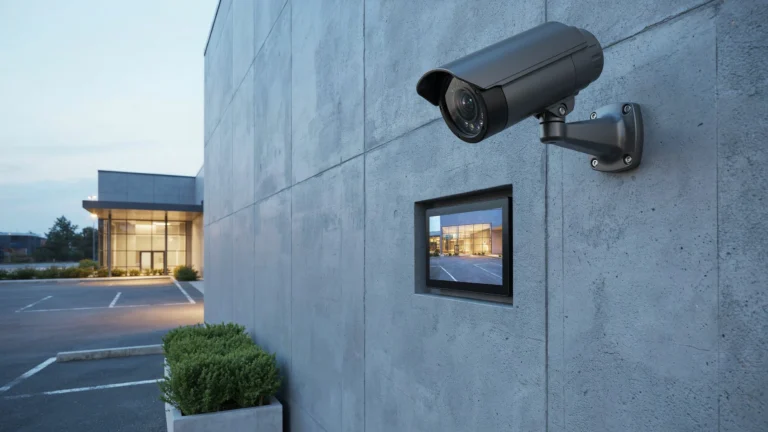
- Install anti-fog housings or domes – They regulate temperature and reduce condensation.
- Add silica gel packs – They absorb moisture inside enclosures and help prevent condensation on outdoor camera lenses.
- Apply anti-fog spray – A quick solution to keep the lens fog-free.
- Use heated housings or defogger cameras – Great for cold climates.
- Be smart about placement – Know where to place cameras to avoid humid or shaded spots.
- Maintain regularly – Clean lenses, check seals, and inspect housings often.
If you’re searching for a professional security camera installation near me, Cam Security Surveillance ensures your setup is done right the first time fog prevention included.
When to Replace or Upgrade Your Camera
While routine cleaning and maintenance can help, there comes a point when no amount of wiping will solve the issue. Knowing how to prevent fog on security cameras is important, but recognizing when it’s time to replace or upgrade your system is just as critical.
Signs Moisture Damage Can’t Be Reversed
Some fogging is temporary, but constant or internal moisture is a warning sign. Look out for:
- Persistent condensation inside the lens
- Rust or corrosion on internal parts
- Discoloration or black spots on the footage
- Camera shutting off unexpectedly after damp weather
If these symptoms appear, your camera has likely suffered long-term water damage. Continued use may affect other connected devices like your smoke alarm or glass-break detector, especially in integrated systems.
Upgrade Instead of Repeated Cleaning
If you’re frequently taking your camera down to clean it, that’s time and energy better spent elsewhere. Instead of treating the symptom, it’s often smarter to upgrade to a fog-resistant model. Modern cameras come with sealed housings, built-in heaters, and anti-fog lens coatings—features that solve fog issues at the source.
Don’t forget—some municipalities require an alarm permit when upgrading your security system, especially if it’s tied into an active alert or dispatch network. Always check local regulations before replacing equipment.
ROI of Modern, Fog-Proof Cameras
Upgrading might seem costly upfront, but it pays off in performance, reliability, and peace of mind. Clear footage ensures accurate alerts, faster response times, and better evidence if incidents occur.
Whether you’re managing a home system or a business property, knowing how to prevent fog on security cameras includes investing in the right hardware not just maintaining old ones past their prime.
Cam Security Surveillance can help assess your current system and recommend smart upgrades that work with your setup, whether it includes a basic recording system or full integration with smoke alarms and other detectors.
How Cam Security Surveillance Can Help
If you’re struggling with foggy camera footage, you’re not alone and it’s fixable. At Cam Security Surveillance, we specialize in helping homeowners and businesses understand how to prevent fog on security cameras through smart product choices and expert installation.
Professional Installation Matters
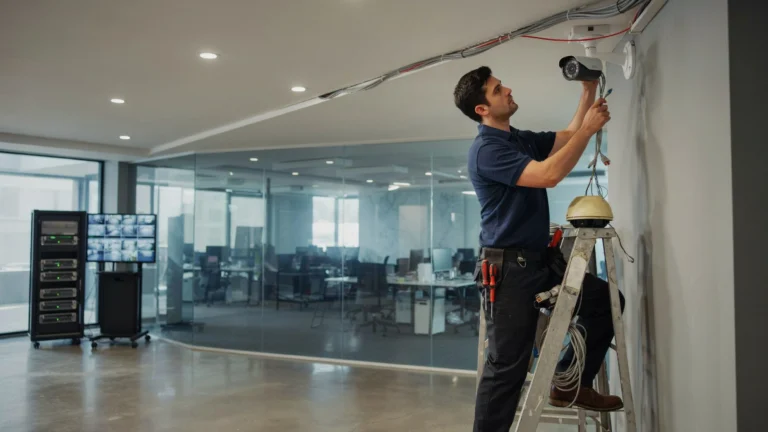
Improper mounting or exposure to moisture zones often causes recurring fog issues. Our home security camera installation service ensures your cameras are placed correctly, sealed tightly, and weatherproofed to minimize future problems.
Ongoing Maintenance Plans
We don’t just install, we maintain. Our maintenance packages include routine checks, lens cleaning, and seal inspections to keep your footage clear no matter the season.
Fog-Resistant Product Recommendations
From cameras with built-in defogging heaters to those designed for humid climates, we’ll guide you toward the right equipment. We only recommend tested, reliable gear designed to last and to stay clear.
Cam Security Surveillance is here to make sure your security system runs without interruption even when the weather doesn’t cooperate.
Final Thought
Keeping your lenses fog-free is critical to maintaining a reliable security system. Understanding how to prevent fog on security cameras helps ensure clear footage, strong night vision, and long-term camera performance. Simple steps like proper placement, weatherproof equipment, and regular cleaning can make a major difference.
At Cam Security Surveillance, we specialize in smart, weather-resistant solutions tailored to your environment. Whether you need expert advice or full home security camera installation, our team is here to help. Reach out today and secure your view rain, fog, or shine.
FAQs
What causes fog to form on my security camera lens?
Fog typically forms due to condensation, which happens when warm, moist air hits a cooler camera surface. This is especially common with outdoor cameras exposed to rapid temperature changes, high humidity, or poor airflow.
How to prevent fog on security cameras during winter or rainy seasons?
To prevent fog during cold or wet weather, use IP-rated weatherproof cameras, install anti-fog housings, place silica gel inside enclosures, and ensure proper placement away from moisture-prone areas. Professional installation from companies like Cam Security Surveillance can make a big difference.
Do I need to replace my camera if it keeps fogging up?
Not always. If fogging is mild and external, cleaning and repositioning may help. But if moisture is trapped inside or damage appears, it may be time to upgrade to a fog-resistant model for long-term reliability.