Security is a top concern for both renters and property owners. With growing awareness of crime prevention, liability, and tenant safety, one question is asked repeatedly: Are Apartments Required to Have Security Cameras? Tenants want to feel protected, while landlords want to stay compliant with laws and avoid unnecessary risk.
The short answer is not always straightforward. Security cameras play an important role in modern apartment safety, but legal requirements vary widely by location. Understanding the rules, benefits, and tenant rights helps both parties make informed decisions without violating privacy laws.
In this guide, we break down laws, responsibilities, tenant expectations, and best practices for apartment surveillance.
Are Apartments Required to Have Security Cameras?
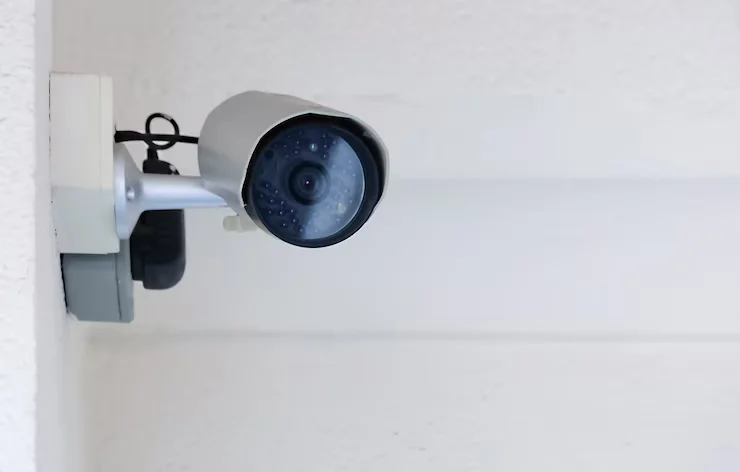
So, Are Apartments Required to Have Security Cameras? In most cases, the answer is no. There is no federal law in the United States that forces apartment owners or landlords to install surveillance systems.
However, whether cameras are present depends on state laws, city ordinances, and local housing regulations. Some municipalities impose stricter safety expectations for multi-family buildings, especially in high-crime areas.
Legal Overview
- Federal law: No nationwide requirement for apartment surveillance
- State & city rules: Local regulations may influence camera usage
- Landlord duty of care: Owners may still be liable if unsafe conditions lead to crime
While the law may not demand cameras, ignoring security altogether can expose landlords to lawsuits or insurance issues.
Landlord Responsibility vs Tenant Expectations
Although the law does not require cameras, tenants often expect visible security measures. Many renters ask questions like do apartments have cameras or do apartment complexes have cameras before signing a lease.
Cameras in shared spaces can:
- Deter theft and vandalism
- Provide evidence during disputes
- Increase tenant trust and retention
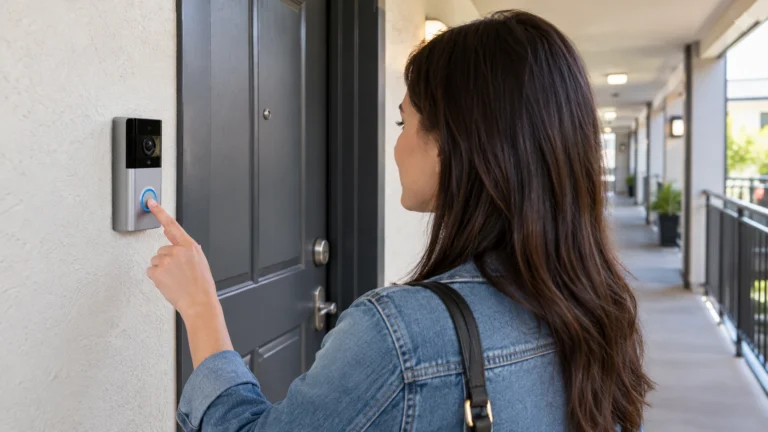
For landlords, installing systems such as a wireless doorbell camera at entrances or a full Apartment Security Camera setup is often a proactive investment rather than a legal obligation.
Apartment Security Camera Laws & Regulations
Understanding apartment security camera laws for tenants is essential. Surveillance must always balance safety with privacy. While cameras are allowed in shared spaces, misuse can lead to serious legal consequences.
Where Cameras Are Allowed
Cameras can legally be installed in:
- Building entrances and exits
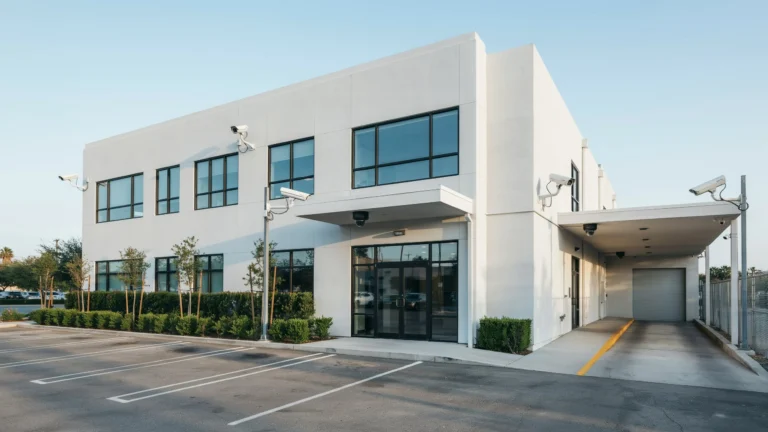
- Parking lots and garages
- Hallways and shared common areas
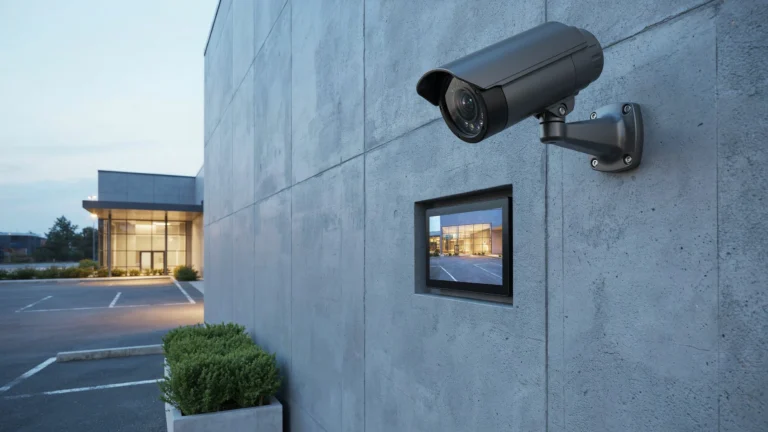
High-quality systems like PoE IP cameras are often used in these areas because they provide clear footage while remaining compliant.
Where Cameras Are Prohibited
Landlords cannot place cameras in areas where tenants expect privacy. This includes:
- Inside apartments
- Bathrooms or changing areas
- Any private living space
This answers a common concern: do apartments have cameras inside? Legally, they should not. Installing hidden cameras in private areas is illegal and can result in severe penalties.
State-Level Examples
- Indiana: Cameras not required, but landlords must maintain safe properties
- New York: Surveillance allowed only in public/common areas
- California: Very strict privacy protections with heavy fines for violations
This shows why security cameras laws must always be reviewed locally before installation.
Benefits of Apartment Security Cameras
When asking Are Apartments Required to Have Security Cameras?, many landlords discover that the real value lies in the benefits, not the mandate.
Crime Prevention & Evidence
Visible cameras reduce criminal activity and provide video evidence when incidents occur. Footage supports tenants, landlords, and law enforcement when disputes arise.
Peace of Mind for Tenants
Knowing that shared areas are monitored helps residents feel safer. This reassurance often increases lease renewals and tenant satisfaction.
Protection for Landlords
Surveillance reduces liability and helps resolve claims quickly. It also demonstrates a commitment to safety, which insurance providers often view favorably.
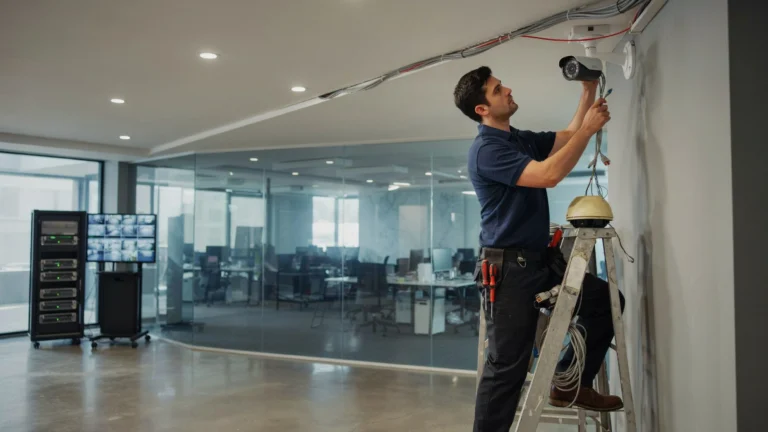
Professional setup through professional security camera installation ensures systems are effective and compliant.
Are Landlords Obligated to Install Cameras?
Legally speaking, landlords are not usually required to install cameras. Still, many ask again: Are Apartments Required to Have Security Cameras? The legal answer stays the same, but practical benefits often outweigh hesitation.
Insurance & Risk Reduction
Insurance companies frequently recommend surveillance systems. In some cases, installing cameras can lower premiums and reduce claim disputes.
Situations Where Cameras Are Common
- Luxury apartment complexes
- HOA-managed properties
- High-crime neighborhoods
In these cases, surveillance becomes an expected standard even if it’s not legally required.
Tenant Rights & Privacy Concerns
Tenants often ask about apartment security camera laws for tenants, especially when they feel monitored unfairly.
Can Tenants Request Cameras?
Yes, tenants can request cameras in common areas, but landlords are not legally required to comply unless local housing rules say otherwise.
Can Tenants Install Their Own Cameras?
Tenants may install cameras inside their unit if they don’t damage property or invade others’ privacy. Outdoor installations usually require approval and may lead landlords to consider commercial camera installation for consistency and compliance.
Best Practices for Apartment Surveillance
Even when cameras are optional, following best practices avoids disputes and improves security.
Smart Camera Placement
Effective locations include:
- Entrances and exits
- Parking areas
- Shared hallways
Avoiding private spaces ensures compliance and trust.
Clear Signage
Posting surveillance notices warns potential criminals and reassures tenants. Transparency prevents misunderstandings.
Choose the Right Installer
Working with professionals experienced in CCTV installation ensures proper placement, legal compliance, and system reliability.
How Cam Security Surveillance Can Help
For landlords wondering whether to install cameras, the real question becomes how to do it correctly. Cam Security Surveillance specializes in apartment surveillance solutions designed for safety, compliance, and long-term value.
Professional Apartment Camera Solutions
From entrances to parking areas, we design systems that protect tenants without violating privacy.
Legal Compliance & Privacy Protection
Our team stays updated on apartment security camera laws for tenants, ensuring your system follows all regulations.
Serving Indianapolis & Nearby Areas
Based in Indianapolis, Cam Security Surveillance supports apartment owners with reliable surveillance systems tailored to multi-unit properties.
Final Thoughts
So, Are Apartments Required to Have Security Cameras? In most cases, no. But installing them is one of the smartest steps landlords can take to protect tenants, reduce liability, and enhance property value.
With the right balance of visibility, placement, and compliance, surveillance becomes a powerful safety tool. To ensure everything is done correctly, contact Cam Security Surveillance today for trusted apartment camera solutions and professional guidance.
FAQs
Are apartments required to have security cameras by law?
No federal law requires it. Local and state rules vary.
Do apartment complexes have cameras in common areas?
Yes, many do, especially at entrances, parking areas, and hallways.
Do apartments have cameras inside units?
No. Cameras inside private apartments are illegal.
Can tenants install their own cameras?
Yes, inside their unit with limitations. Outside areas usually need approval.
Where should apartment cameras be installed legally?
Only in shared spaces, never in private living areas.