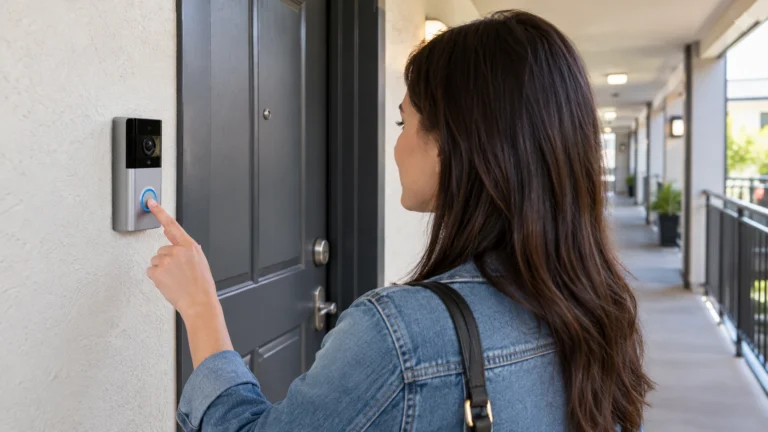

A doorbell can be a button or it can have video or it can have motion alerts or it can have two-way audio or it can have phone notifications. The main choice is how the doorbell gets power and how it connects to your home.
A Wired, vs Wireless Doorbell comparison depends on power, installation, maintenance, WiFi and placement. Wired models have a power source while wireless models usually use batteries.
What Is a Wired Doorbell?
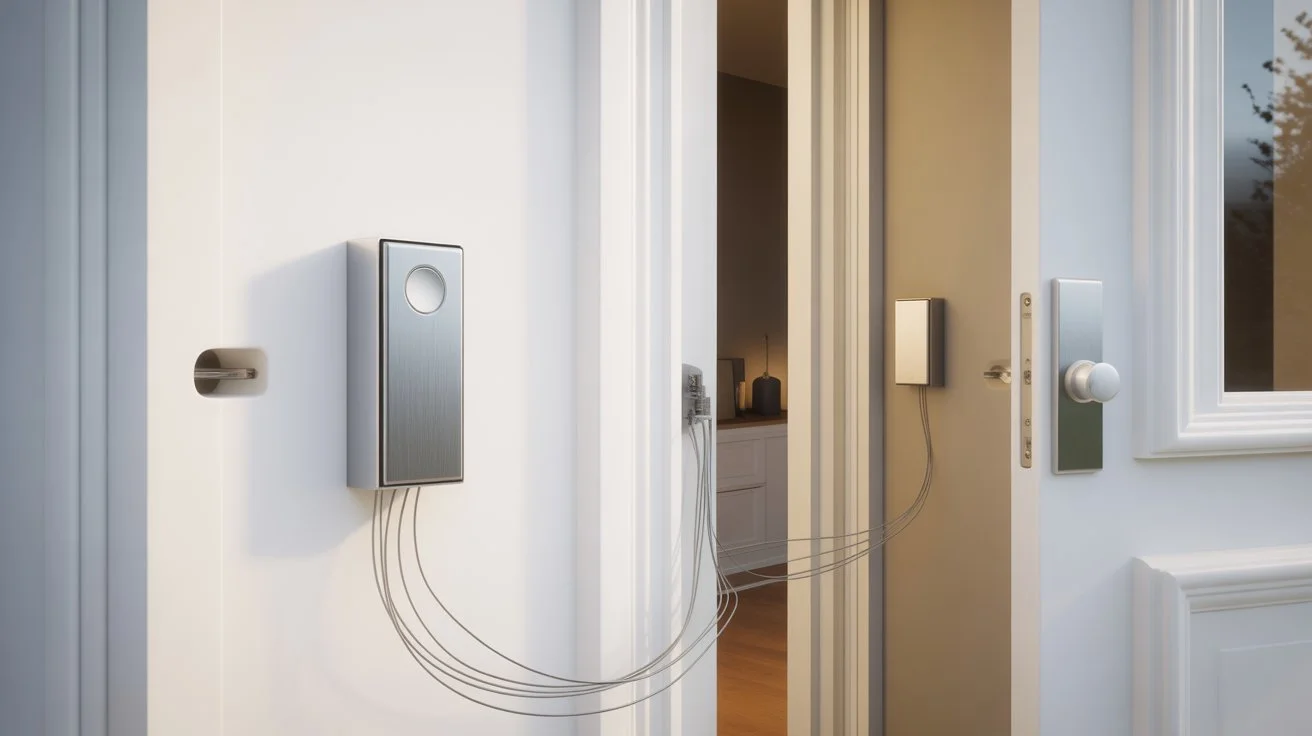
A wired doorbell connects to your home’s system using doorbell wiring. Traditional models usually rely on a low-voltage transformer to power the button and the indoor chime. Wired video doorbells operate in the same way. They stay connected to power through the wiring while using WiFi or another network connection for features. Some models may also offer recording or other storage options.
The biggest benefit is simple: you do not have to remove the doorbell every weeks to charge its battery. Wired doorbells can work well in homes that already have doorbell wiring. They are also helpful, at entrances where the camera might detect people throughout the day. Before buying one check your existing wiring and transformer. Not every older doorbell setup provides the power needed by a video doorbell.
What Is a Wireless Doorbell?
A wireless doorbell does not need a doorbell wire at the mounting location. Many models use rechargeable batteries. Some wireless video doorbells connect to your homes WiFi network. Others may use a wireless receiver or chime.
So how does a wireless doorbell work? The doorbell uses its battery, for power and wireless communication to send alerts or video to a device. For example someone presses the doorbell. The device can send a notification to your phone through the home network. A compatible chime may also sound inside the home.
Wireless models can be useful when there is no existing doorbell wiring. They can also make installation easier when running wire is not practical. However battery life depends on factors. Frequent motion alerts, weather live viewing and heavy use can increase battery drain.
Wired vs Wireless Doorbell: Key Differences
The biggest difference is the power source, but several other factors matter.
| Feature | Wired Doorbell | Wireless Doorbell |
| Power | Home wiring | Usually battery |
| Installation | May require wiring | Usually simpler |
| Battery charging | Usually not needed | Usually required |
| Placement | Limited by wiring | More flexible |
| Maintenance | Lower battery maintenance | Battery maintenance needed |
| WiFi | Needed for many smart models | Needed for many smart models |
| Power outages | Depends on home backup power | Battery may continue powering device |
| Best for | Permanent installations | Flexible installations |
One common mistake is thinking that wireless means completely free from WiFi. A doorbell that runs on batteries might still need WiFi to send phone alerts, store videos in the cloud and let you watch it from your phone. Similarly a doorbell that is wired can still rely on WiFi to use its features.
This means the choice between a wired doorbell and a wireless doorbell should be, about power source and how it is set up. Features that depend on the network are something to consider entirely.
Wired Doorbell: Pros and Cons
A wired doorbell is often a practical choice when suitable wiring already exists.
Benefits of a Wired Doorbell
Continuous power: The doorbell can stay powered without regular battery charging.
Less maintenance: You do not need to monitor battery levels as often.
Good for busy entrances: Frequent motion events are less of a concern when the device is not relying on a small battery.
Permanent installation: Wired models can be a good fit for homeowners who want a long-term setup.
Drawbacks of a Wired Doorbell
The main problem is installation. If your home does not have doorbell wiring that can be used you might need to run wires. Old wiring can cause problems, with compatibility too. The transformer might not give power for a newer video doorbell. That is why it is important to check the setup before buying any equipment.
Wireless Doorbell: Pros and Cons
Wireless doorbells are helpful when you want an installation or when you do not have existing doorbell wiring and I find Wireless doorbells to be a great choice.
Benefits of a Wireless Doorbell
Easy installation: Many battery-powered models can be mounted without running new doorbell wire.
Flexible placement: You have more freedom when choosing the mounting location.
Useful for older homes: A wireless model can avoid the need to reuse or replace old doorbell wiring.
Good for renters: Some battery-powered models may be easier to install without making permanent changes. Always check your lease before drilling or mounting equipment.
Drawbacks of a Wireless Doorbell
The main issue is battery maintenance. A doorbell that gets a lot of use may need to be charged often. WiFi coverage is important too for smart wireless doorbells. If the signal is weak, near the door you might see delayed alerts, blurry live video or trouble staying connected. Weather can impact battery life well. Make sure to check the manufacturer’s recommended temperature range before putting a battery-powered doorbell outside.
Wired vs Wireless Video Doorbells
A video doorbell can be connected with wires. It can work without wires. Either type can offer the smart features.
Depending on the model, you may get:
- HD or higher-resolution video
- Motion detection
- Person detection
- Night vision
- Two-way audio
- Mobile notifications
- Live video
- Cloud storage
- Local storage
- Privacy settings
The power source does not automatically mean video quality. Just because a video doorbell uses a wired connection does not make it better than an one. The camera sensor, the lens, the software the WiFi signal, the storage system and how the device is installed all play roles in how well it works.
Take a home with a sidewalk close, to the front door. A battery-powered camera might pick up a lot of motion during the day. This constant activity can lead to alerts. Those alerts can quickly drain the battery. In this case a wired model might be more practical. It stays powered all the time and avoids the problem of running out of power.
Which Is More Reliable: Wired or Wireless?
Reliability depends on the setup not only the power source. A wired doorbell has an advantage when consistent power is the concern. It does not depend on a battery to remain active. A wireless doorbell can still provide service when the battery is maintained and the WiFi signal is strong.
For either type, check these areas:
- Power supply
- WiFi signal strength
- Doorbell placement
- Weather exposure
- Device compatibility
- Firmware and app support
- Storage settings
I notice that a wireless doorbell keeps disconnecting and the problem may be the network, than the battery.
I also see that a wired doorbell stops working and the issue could involve the transformer, the wiring, the network or the device itself.
Which Doorbell Is Easier to Install?
A wireless doorbell is usually easier to set up when there is no existing wiring. Many models just need to be mounted and connected to the manufacturer’s app. This makes them quick to install and simple to use. Wired installation can take time and effort. You might have to check the existing wiring, the transformer, the chime and the voltage before adding a doorbell. This step is important because if the current setup doesn’t match the device you could run into problems.
For example swapping out a wired doorbell can be easy if the wiring still fits the new model.. If you are installing a doorbell in a spot with no wiring you may need to do extra work, like running new wires or adding a power source. So the easiest choice depends on your home, not the kind of doorbell you pick. It’s always good to look at your setup before deciding.
When to Consider Professional Doorbell Camera Installation
Professional installation is often the way to handle a set up that involves existing wiring, a new power connection, weak WiFi, difficult mounting or many security cameras. I have seen that professional installation can make a difference when the job is tricky. Professional installation reminds us that placement matters much as the doorbell itself. The camera should show a view of the approach to your door and it should not capture private areas unnecessarily.
Professional installation brings an installer who can check the mounting surface, the viewing angle, the wiring, the network coverage and the device settings. I know that a careful check can save a lot of headaches.
For homeowners who need coverage, professional security camera installation Indianapolis can help connect a doorbell camera with other cameras around the property. Cam Security Surveillance can help homeowners plan camera locations and choose equipment based on the property. A proper installation can reduce spots and avoid common set up mistakes.
Conclusion
The main difference between wired doorbells and wireless doorbells is how they receive power. Wired doorbells use a wired connection. Wireless doorbells usually use batteries. A wired doorbell can reduce battery maintenance. Work well at busy entrances. A wireless doorbell can offer installation and more flexible placement.
Before choosing a doorbell check your existing wiring WiFi signal, mounting location, battery needs and desired features. The best doorbell setup is one that provides alerts and a clear view of the entrance. If you need help choosing or installing a doorbell camera contact Cam Security Surveillance today.
FAQs
Is a wired or wireless doorbell better?
It depends on your property and installation needs. Wired models provide power while wireless models offer easier placement and installation.
How does a wireless doorbell work?
A wireless doorbell usually uses a battery for power and wireless communication for alerts, chimes or video features. Smart models often connect to WiFi.
Do wireless doorbells need WiFi?
Not all wireless doorbells need WiFi. Basic wireless chimes may use their wireless connection. WiFi is usually needed for video, remote viewing and phone alerts.
Do wired doorbells work during a power outage?
A wired doorbell normally needs power from the home’s system. It may stop working during an outage unless the system has backup power.
How long does a doorbell battery last?
Battery life varies by model and usage. Frequent motion alerts, viewing, cold weather and heavy activity can reduce battery life.
Can I install a doorbell without existing wiring?
Yes. Many battery-powered wireless doorbells can be installed without existing doorbell wiring. You still need to follow the manufacturer’s mounting and setup requirements.
Are wired video doorbells more reliable than wireless ones?
Wired models have power, which removes battery-related problems. Wireless models can also work reliably when the battery and WiFi connection are maintained.
Can a wired doorbell be converted to wireless?
Some wired doorbell systems can be replaced with battery-powered wireless models. The exact process depends on the existing wiring, mounting location and selected doorbell.
Does a video doorbell record all the time?
Not necessarily. Recording depends on the model, settings, storage method and subscription plan. Some devices record events of continuous video.
Is a wired doorbell for a busy entrance?
A wired model can be practical for an entrance because continuous power supports frequent activity without repeated battery charging. However camera quality and settings still matter.