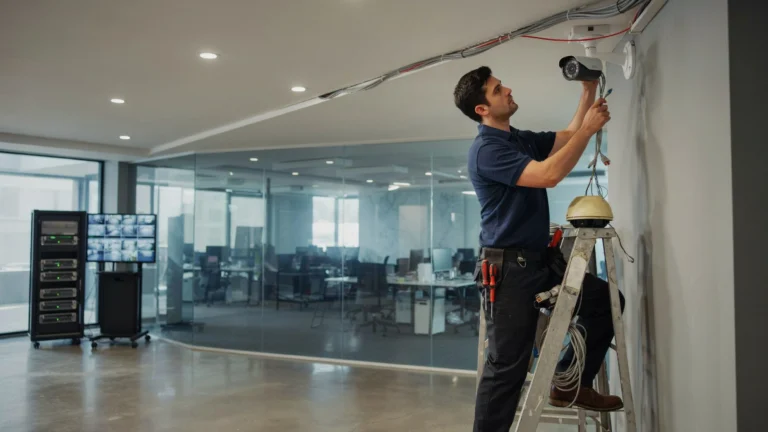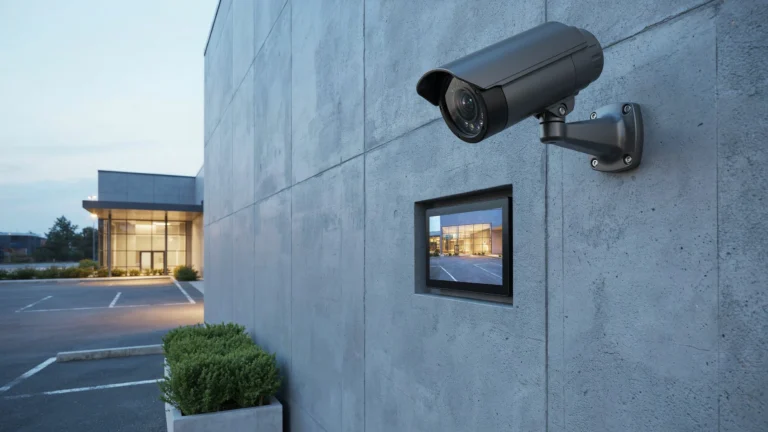
How to Hide Security Camera Wires Outside is one of the most common concerns for homeowners and business owners who want strong security without hurting curb appeal. Exposed wires make your system look unfinished and create an easy target for tampering or damage. A clean, protected setup keeps your cameras working and your property looking professional.
At Cam Security Surveillance, we focus on smart, discreet installations that protect your equipment while keeping wiring out of sight. This guide explains practical ways to hide outdoor camera wiring safely and effectively.
Why Hiding Security Camera Wires Matters

Learning How to Hide Security Camera Wires Outside is not only about appearance. It plays a major role in protecting your entire surveillance system.
Security Risks of Exposed Wires
When wires are left visible, your system becomes vulnerable:
- Tampering: Intruders can cut cables before entering.
- Vandalism: Exposed wiring is easy to damage.
- Weather damage: Sun, rain, and temperature changes weaken cables over time.
We often see systems fail simply because cables were not protected properly.
Visual Impact on Your Property
Poor cable management can also affect how your property looks:
- Wires hanging along walls appear messy.
- Visible cables reduce curb appeal.
- Some HOAs require hidden or secured exterior wiring.
Planning Where to Hide Camera Wires
Before starting, plan your wire path carefully. Knowing where and how cables will run helps avoid mistakes and ensures a clean installation, especially for security cameras Indianapolis.
Consider Camera Placement
Different camera locations need different solutions:
- Under roof eaves: Naturally hides wiring and protects from weather.
- Along siding or trim: Allows wires to stay out of sight.
- Brick or concrete walls: Best handled with a security camera wire cover rated for outdoor use.
- Detached garages or fences: Often require underground routing.
Use Existing Entry Points
Look for existing openings such as:
- Attic or garage access points
- Utility entry areas
- Soffits or vents
Using these paths reduces drilling and keeps installations cleaner.
Keep Routes Short and Safe
Planning the shortest route limits exposed wire and reduces signal issues. Whether you are using NVR vs DVR systems, cable protection is essential. Ethernet cables used with PoE setups are easier to manage, but still need protection outdoors.
Best Methods for Hiding Outdoor Camera Wires
Here are proven ways to keep your system secure and tidy.
1. Run Wires Through Walls or Attics
Running security camera wires through walls or attics conceals cables, protects them from weather, and ensures a clean, professional look. This method is ideal for infrared cameras that need stable power for reliable nighttime monitoring.
2. Use Outdoor Wire Covers or Conduit
Using an outdoor wire cover or conduit protects and conceals camera cables from weather while blending with exterior surfaces. Easy to install and weather-resistant, these covers work well on brick, siding, or concrete, and can be painted to match for a cleaner look.
3. Bury Wires Underground
Burying wires underground keeps cables hidden and secure, ideal for detached buildings or distant perimeter cameras. Using protective conduit prevents moisture, pests, and damage, providing a durable, professional installation despite requiring more labor and possible permits.
4. Paint Wires to Match Surfaces
Painting security camera wires to match surrounding surfaces is a simple, cost-effective way to make them less noticeable. While easy to apply, it offers limited protection from weather or damage, making it best for temporary or hard-to-conceal areas.
It can help with hiding CCTV cables, but should not be the only solution.
Common Mistakes to Avoid
When trying to hide security camera wires, avoid these issues:
- Leaving cables loose or dangling
- Skipping weatherproof materials
- Running wires near sharp edges
- Ignoring proper grounding
Poor installation shortens system life and increases risk.
Why Professional Installation Makes a Difference
Choosing professional help ensures wires are hidden correctly and safely. At Cam Security Surveillance, every installation is tailored to the property layout and camera type.
Our team handles:
- Outdoor wiring on brick, vinyl, or wood siding
- Secure routing for running CCTV cables outside
- Clean installs that protect cables from weather and tampering
A professional setup saves time and prevents costly repairs later.
Final Thoughts
Knowing How to Hide Security Camera Wires Outside protects your system and improves the appearance of your property. Hidden wiring reduces tampering risk, prevents weather damage, and keeps your setup reliable.
If you are unsure how to hide security camera wires outside or want long-term protection, working with experienced professionals is the safest choice. Proper planning and quality materials make all the difference. Contact us for expert installation and advice.
FAQs
What is the easiest way to hide outdoor camera wires?
Using a security camera wire cover or conduit along walls or under eaves is the simplest option. It keeps cables organized, protects them from weather, and gives your installation a neat, professional appearance.
Can I hide camera wires without drilling?
Yes, wire covers and exterior conduit allow cable concealment without drilling through walls. This method is ideal for renters or areas where permanent modifications aren’t allowed, while still providing protection against damage.
Is burying camera wires safe?
Yes, if done with waterproof conduit to protect cables from moisture and pests. When properly installed, underground wiring offers excellent security and durability, making it a reliable long-term solution.
Do hidden wires improve camera reliability?
Yes, protected wiring lasts longer and reduces signal or power issues. Concealed wires are less exposed to environmental wear, accidental damage, and tampering, ensuring consistent performance over time.
Are professional installations worth it?
Professional installs ensure safe routing, weather protection, and long-term system performance. Experts also plan the most efficient cable paths, minimize visible wiring, and can troubleshoot potential issues before they become problems.