Is 300 Mbps Good To Run An Indoor Security Camera is a question many homeowners and renters ask when upgrading their home security or switching internet plans. With smart indoor cameras now offering HD video, motion alerts, cloud storage, and mobile access, internet speed plays a major role in how well everything works together. At Cam Security Surveillance, we often help customers understand whether their current internet connection can truly support modern indoor security systems without lag or interruptions.
This guide explains what 300 Mbps really means, how much speed indoor cameras use, and whether that bandwidth is enough for everyday security needs.
Understanding Internet Speed and Indoor Security
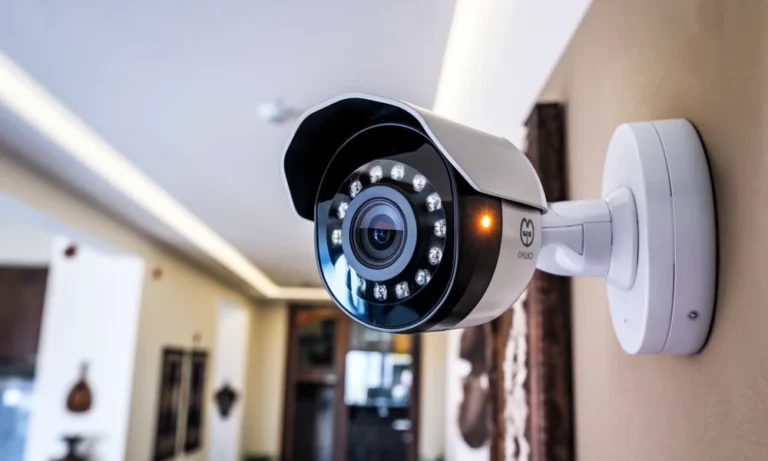
Cameras
Before deciding if your internet is fast enough, it helps to understand how indoor security cameras use bandwidth.
What Does 300 Mbps Actually Mean?
300 Mbps refers to your maximum download speed. This is the rate at which data reaches your home from the internet. Upload speed, which is equally important for cameras, is often lower and depends on your service provider.
Indoor security cameras rely heavily on upload speed because they send video footage to your phone or cloud storage. Even with high download speeds, limited upload bandwidth can cause buffering or delayed alerts.
How Indoor Cameras Use Bandwidth
Indoor cameras consume internet data when they:
- Stream live video
- Upload recorded footage
- Send motion alerts with video clips
- Sync with cloud storage platforms
The amount of data used depends on video quality, frame rate, and how often the camera records.
How Much Speed Does One Indoor Camera Need?
Most indoor cameras don’t need extreme internet speeds to function properly.
Average Speed Requirements
A single indoor camera typically needs:
- 1–2 Mbps for standard definition
- 2–5 Mbps for HD video
- 5–8 Mbps for 2K or higher resolution
These numbers apply per camera and assume stable upload speeds. This is where understanding internet speed needed for security cameras becomes important, especially if multiple devices are connected.
What Affects Speed Usage?
Several factors influence how much bandwidth your camera uses:
- Video resolution settings
- Continuous recording vs motion-based recording
- Number of cameras in use
- Other connected devices in your home
Is 300 Mbps Enough for Most Homes?
For most households, 300 Mbps is more than sufficient.
Single-Camera Setup
If you’re running one indoor camera, 300 Mbps provides plenty of room for smooth video streaming, fast alerts, and reliable cloud uploads. Even with other devices online, performance should remain stable.
Multiple Devices on One Network
Homes today often have:
- Smartphones
- Smart TVs
- Laptops and tablets
- Smart speakers and doorbells
Even with several devices active, 300 Mbps usually handles indoor camera traffic well. This answers a common concern around is 300 mbps good for security cameras in real-world home environments.
Upload Speed Matters More Than You Think
While download speed gets most of the attention, upload speed is critical for cameras.
Why Upload Speed Is Key
Indoor cameras upload footage constantly or during motion events. If your upload speed is too low:
- Live streams may buffer
- Alerts can arrive late
- Cloud recordings may fail
Most 300 Mbps plans offer upload speeds between 10–30 Mbps, which is typically enough for multiple indoor cameras.
CCTV Speed vs Indoor Wi-Fi Cameras
It’s also helpful to distinguish between different camera systems.
Traditional CCTV Systems
Older wired systems record locally and don’t rely heavily on internet speed. However, remote viewing still requires sufficient upload bandwidth. This is where cctv camera speed considerations come into play.
Modern Indoor Wi-Fi Cameras
Wireless indoor cameras depend entirely on your internet connection. Their performance improves significantly with stable speeds and low latency.
Optimizing Your Network for Best Camera Performance
Even with fast internet, poor network setup can cause problems.
Simple Ways to Improve Performance
You can improve camera reliability by:
- Placing cameras closer to your router
- Using a dual-band or mesh Wi-Fi system
- Limiting unnecessary background uploads
- Updating router firmware regularly
These steps help maximize your available internet speed for security cameras without upgrading your plan.
When 300 Mbps Might Not Be Enough
Although 300 Mbps works for most homes, there are exceptions.
High-Demand Situations
You may experience issues if:
- You run multiple 4K cameras
- Several users stream 4K video simultaneously
- You work from home with large uploads
- Your upload speed is unusually low
In such cases, upgrading your internet plan or optimizing your network setup may be necessary.
Professional Installation and Network Planning
Proper setup makes a noticeable difference in performance.
Working with professionals who understand both camera placement and network requirements can prevent future issues. Many homeowners looking into home security camera installation in Indianapolis choose expert support to ensure their indoor cameras run smoothly from day one.
A trusted provider like Cam Security Surveillance can evaluate your internet setup, recommend the right camera settings, and help avoid unnecessary bandwidth strain.
Final Thoughts
Is 300 Mbps Good To Run An Indoor Security Camera? For most homes, the answer is yes. A 300 Mbps connection offers more than enough speed for one or several indoor cameras, even when combined with everyday internet use.
The key is ensuring your upload speed is adequate and your Wi-Fi network is properly optimized. If you want expert guidance on camera setup or network readiness, contact us to get reliable, professional advice tailored to your home.
Talk To Security Camera Expert
To ensure your security cameras are performing at their highest potential, it’s a great idea to check your current internet speed using a reliable speed test tool. This simple step can help you identify any connectivity issues that might be affecting your video feed quality. If you’re experiencing lag or buffering, consider upgrading your router or switching to a wired connection for more stable and faster performance. At Cam Security Surveillance, we’re here to help you maintain a secure and reliable system. For assistance or if you have any questions, don’t hesitate to give us a call at (317) 531-2975. We’re ready to help you optimize your setup for the best security coverage possible!
FAQs
Can one indoor camera slow down my internet?
In most cases, a single indoor camera will not noticeably slow down your internet. These cameras use a small amount of bandwidth, especially when set to motion-based recording rather than continuous streaming. Normal activities like browsing, streaming, or video calls should continue without disruption.
Do indoor cameras need faster internet than outdoor cameras?
Not necessarily. Indoor and outdoor cameras typically require similar internet speeds. However, indoor cameras may stream or record more often due to frequent movement inside the home, which can slightly increase data usage. Proper camera settings help manage this efficiently.
Is upload speed more important than download speed for cameras?
Yes, upload speed is especially important because cameras send video footage from your home to cloud storage or mobile apps. If upload speeds are too low, you may experience delayed alerts, buffering during live viewing, or missed recordings.
How many indoor cameras can run on 300 Mbps?
With a 300 Mbps internet plan and a stable Wi-Fi connection, most homes can comfortably support between 5 and 10 indoor cameras. The exact number depends on video resolution, recording frequency, and how many other devices are using the network at the same time.
Should I upgrade my internet just for one camera?
Usually, no upgrade is necessary for a single indoor camera. Internet plans around 300 Mbps are more than enough to support one camera along with normal household internet usage. Upgrades are only needed if multiple high-resolution cameras and heavy internet use occur simultaneously.