
If you rent an apartment, security cameras can help protect your home, belongings, and loved ones. But camera placement, audio recording, and lease rules can limit what you can install.
The safest approach is simple: check your lease, respect private areas, and follow your state’s recording laws. Understanding these rules before mounting a camera can prevent disputes with landlords and neighbors.
Are Security Cameras Legal in Apartments?
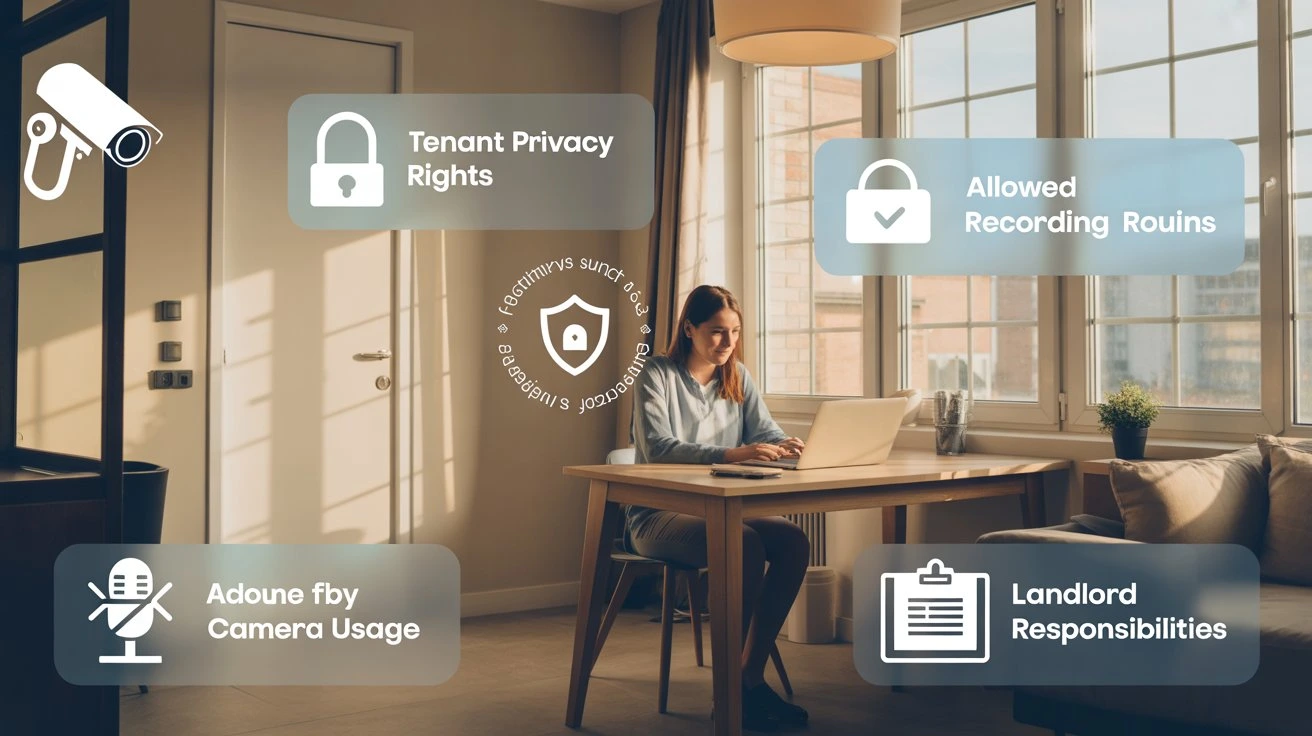
Yes, security cameras are legal in apartments. But the rules depend on where you place them and who owns the property. As a tenant, you have a right to protect your space. You can generally record areas you occupy and control. That includes inside your unit and, in many cases, directly outside your front door. What you cannot do is record shared spaces without consent, or point cameras into other units. That crosses into privacy law territory fast.
Landlords can legally place cameras in common areas. Hallways, parking lots, lobbies, and laundry rooms are usually fair game. But cameras in bathrooms, bedrooms, or inside individual units without tenant knowledge are illegal everywhere in the United States.
The legal foundation here is the reasonable expectation of privacy. Courts use this standard to decide if a recording was lawful. Inside your apartment, you have full expectation of privacy. In a shared hallway, that expectation is lower, but it still exists.
Can Tenants Legally Install Security Cameras in an Apartment?
Yes, tenants can often install security cameras inside their rented apartment. However, the right to install a camera does not mean you can record anything or anyone you want. Your lease is the first place to check. Some rental agreements limit drilling, wall changes, exterior devices, or equipment attached to doors and windows. A camera sitting on a shelf may create fewer issues than one permanently mounted to a wall.
The camera’s view also matters. A camera inside your living room that records your own entrance is very different from one aimed through a window at a neighbor’s apartment. Audio deserves extra care. A camera can record sound without you realizing it. Some states have stricter rules for recording private conversations than ordinary video. When you do not need sound, disabling the microphone is a simple privacy step.
Landlord-installed cameras raise a separate question. Many apartment buildings use cameras in entrances, parking areas, hallways, and other shared spaces. Whether a particular camera is lawful depends on location, purpose, notice requirements, lease terms, and state or local law. That is why Apartment Security Camera Laws for Tenants should never be treated as one nationwide rule. Rental laws and recording laws can differ by state.
Where Security Cameras Are Not Allowed
This section applies to both tenants and landlords.
Bathrooms. No camera is ever allowed in a bathroom. This applies to landlords, tenants, property managers, and anyone else. It’s illegal in every U.S. state without exception.
Bedrooms. Cameras in bedrooms are only legal if the person being recorded lives there and consents. A landlord placing a camera in a tenant’s bedroom is a serious criminal offense.
Changing areas. Any space where a person has a strong expectation of undress is off-limits.
Pointed into neighboring units. If your camera captures footage inside another tenant’s apartment through their window, that’s illegal. Keep your camera angle tight to your own space.
Common areas without notice. Landlords who place cameras in shared spaces must typically disclose this to tenants. Hidden cameras in common areas can violate state surveillance laws depending on the jurisdiction.
These restrictions exist to protect everyone’s dignity and privacy. Violating them isn’t just a civil matter. It can lead to criminal charges.
7 Apartment Security Camera Rules Tenants Should Know
1. Check Your Lease Before Installing a Camera
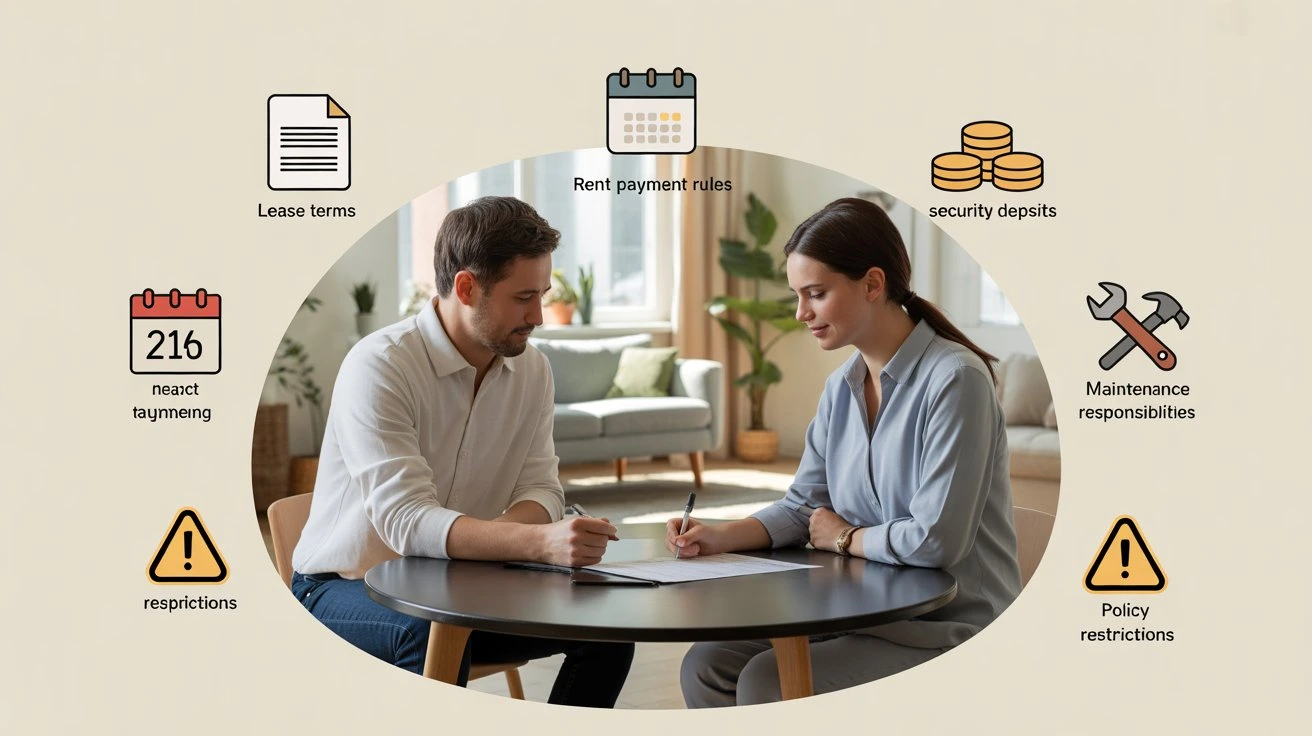
Start with your rental agreement. Look for rules covering security devices, alterations, exterior fixtures, drilling, door attachments, and common areas. Your landlord may allow indoor cameras but require permission for anything attached to the building.
For example, placing a small camera on a bookshelf may not change the property. Drilling into a hallway wall or mounting equipment outside your door is different.
If the lease is unclear, ask the property manager before installing the camera. Written approval is better than a verbal promise because it gives both sides a clear record. A short letter to tenants regarding security cameras may also explain building-wide camera policies. Read it carefully before buying equipment.
2. Do Not Record Places Where People Expect Privacy
Camera placement is one of the biggest privacy concerns. Do not aim your camera toward bathrooms, changing areas, or another person’s private living space. You should also avoid deliberately capturing a neighbor’s bedroom or interior through a window. The fact that your camera is inside your apartment does not automatically make every recording lawful. The field of view still matters.
Consider this example. Your apartment door faces a shared hallway. You install an indoor camera to watch your entrance. That may be reasonable. But if the camera is pointed directly into your neighbor’s open doorway, the privacy issue becomes much more serious. Use privacy zones when your camera supports them. These settings can block parts of the image that do not need to be recorded.
3. Be Careful With Camera Audio
Many tenants focus on video and forget about microphones. Audio recording can create different legal issues because conversations may receive stronger protection than activity visible in a common area. State laws also differ on when consent is required. Before enabling audio, ask whether you actually need it. If your goal is to see who enters your apartment, video may be enough.
If you need two-way talk for a doorbell camera, check the law where you live and review the manufacturer’s settings. This is especially important for renters because visitors, maintenance workers, delivery drivers, roommates, and neighbors may enter the camera’s range. When in doubt, turn audio off until you understand the applicable rule.
4. Get Permission Before Mounting a Camera Outside Your Apartment
A tenant normally has more control over the inside of the rented unit than shared building areas. A hallway, lobby, stairwell, parking garage, or exterior wall may be controlled by the landlord or property management company. Mounting a camera there without permission can violate building rules even if your purpose is security.
Ask before installing a camera on:
- An exterior wall
- A shared hallway
- A balcony railing
- A common entrance
- A door frame
- A building-owned fixture
Permission should also cover the camera’s direction. A landlord may approve a camera that watches your doorway but object to one that records an entire hallway.
5. Do Not Point Your Camera Into a Neighbor’s Apartment
A camera should protect your property without becoming a surveillance tool for someone else’s home. Avoid aiming cameras at neighboring doors, windows, patios, or balconies. This matters even more when the camera has a wide-angle lens, pan and tilt functions, or digital zoom.
A useful setup is to place the camera close to your own entrance and use a narrow viewing angle. If your camera has privacy masking, block areas outside your property or approved viewing zone. The goal is not to record everything around you. The goal is to capture useful evidence when something happens near your home.
6. Understand Where Landlords Can Use Security Cameras
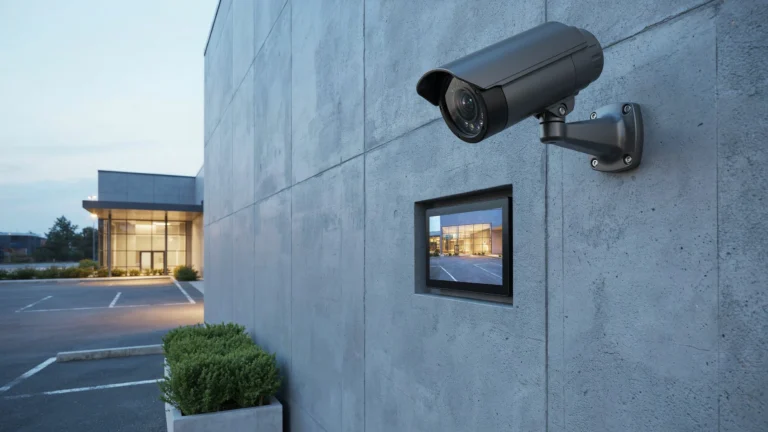
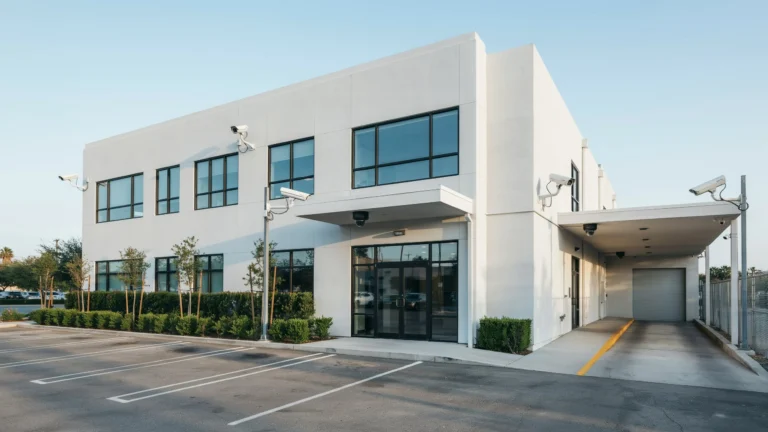
A common question is, do apartments have security cameras? Many do. Apartment owners and property managers may use cameras around shared areas for safety, access control, property protection, or incident investigations. Common locations can include entrances, parking areas, lobbies, elevators, and hallways.
That does not mean landlords can place cameras wherever they want. A camera inside a tenant’s private apartment presents a very different privacy concern from one covering a building entrance. Tenants should ask management what areas are monitored and how footage is handled.
If you receive a building notice about surveillance, check:
- Where cameras are located
- What they record
- Whether audio is enabled
- Who can access recordings
- How long footage is kept
- Whether footage can be shared with third parties
Rules can change by state and city, so tenants should not assume that one apartment’s policy applies everywhere.
7. Know What to Do When You Believe Your Privacy Was Violated
If you discover a camera in a questionable location, stay calm and document what you found. Take notes about the camera’s location, direction, visible lens, and any posted notice. Keep copies of emails or messages with management. Then review your lease and building policies.
Ask management for a written explanation. You can ask what the camera records, why it was installed, who can access the footage, and how long recordings are stored. If the issue involves a hidden camera, a private room, unauthorized audio recording, or another serious privacy concern, consider getting advice from a qualified attorney or local tenant-rights organization.
Do not destroy or tamper with another person’s security equipment. Document the issue and use the proper complaint process.
State-by-State Variations in Camera Laws
Laws vary significantly by state. Here are the most important things to know.
California
Apartment security camera laws in California are among the strictest in the country. California is a two-party consent state for audio recording. This means both parties in a conversation must consent to being recorded. If your camera has audio, you could be breaking the law if it picks up conversations without consent.
For video-only recording inside your own unit, California generally allows it. But placing cameras that capture neighbors or shared spaces without notice can violate California Penal Code Section 647(j), which covers invasion of privacy.
Landlords in California must disclose surveillance cameras in common areas. Hidden cameras on rental properties can expose landlords to significant civil liability.
New York
New York follows a one-party consent rule for audio. As a tenant, you can record conversations you’re part of inside your own unit. Video-only cameras in your apartment are broadly allowed.
Landlords cannot enter your unit to install surveillance equipment without proper notice and consent.
Texas
Texas is also a one-party consent state. Tenants have broad rights to use cameras inside their units. Landlords are required to disclose cameras in common areas to tenants.
Florida
Florida is a two-party consent state like California. Audio recording without all parties’ knowledge is illegal. Video-only cameras in private spaces you control are generally permitted.
Illinois
Illinois has strict eavesdropping laws. Audio recording without all-party consent is a felony. Video-only cameras in your own apartment are legal for tenants.
General Rule Across All States
Regardless of your state, these three things are always illegal:
- Cameras in bathrooms or areas of expected undress
- Hidden cameras placed by a landlord inside your unit
- Recording with intent to harass or stalk another person
If you’re unsure about your state’s specific rules, consult a local tenant rights attorney or legal aid organization.
Security Cameras Tenants Can Use Without Major Property Changes
Renters have several options that can reduce installation problems. Cam Security Surveillance can help you choose renter-friendly security camera solutions, including freestanding indoor cameras that can sit on a shelf or furniture without requiring permanent drilling or major changes to the apartment.
Other options include:
- Adhesive mounts, when allowed
- Magnetic mounts
- Battery-powered cameras
- Indoor cameras aimed at entry doors
- Cameras placed behind windows
- Small cameras that do not require permanent wiring
Check the lease before using adhesive products. Some adhesives can damage paint or drywall. A camera also needs a reliable power and network connection. Wi-Fi cameras are convenient, but thick walls and poor router placement can affect the signal. For a larger apartment or multi-camera setup, professional planning can help avoid dead zones and poor camera angles.
What About Doorbell Cameras in Apartments?
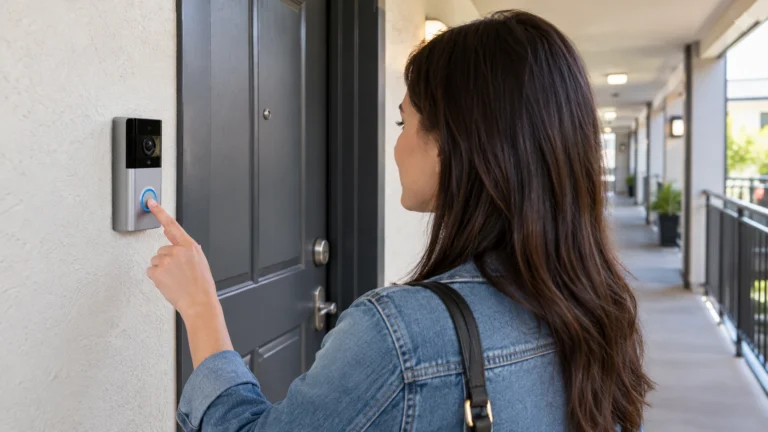
Doorbell cameras are useful for watching deliveries, visitors, and activity near your entrance. They can also create special problems in apartment buildings. A traditional single-family home usually has more control over its front entrance. In an apartment, the doorway may open directly into a shared hallway. Before installing a doorbell camera, check whether the landlord allows it. Some buildings have rules about attaching devices to doors or changing existing door hardware.
The viewing angle matters too. A camera should focus on your doorway rather than constantly recording another tenant’s entrance. Audio is another concern. If your doorbell camera records conversations in a shared hallway, check applicable state law before leaving the microphone enabled.
How to Make Your Security Camera Harder to Hack
Privacy does not end with camera placement. Your recordings also need protection from unauthorized access. The FTC recommends changing default passwords, using strong unique passwords, enabling two-factor authentication when available, keeping software updated, and securing the home network. It also recommends checking whether cameras support encryption and considering a separate network for connected cameras.
If you use apartment complex security cameras or a connected camera system, protect every account that can access the footage.
Follow these basic steps:
- Change the camera’s default password.
- Use a unique password for your camera account.
- Enable two-factor authentication.
- Update the camera and mobile app.
- Secure your Wi-Fi router.
- Remove users who no longer need access.
- Disable features you do not use.
- Review account access when you move out.
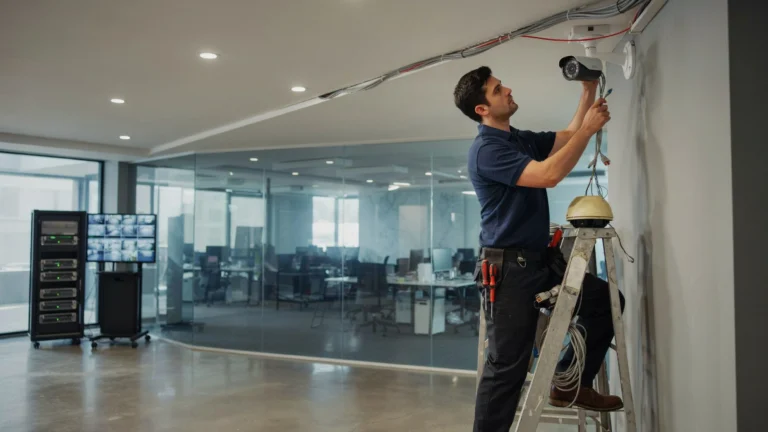
Cam Security Surveillance can also help property owners and businesses plan camera placement, recording equipment, network connections, and system security.
A Simple Tenant Camera Checklist
Before installing a camera, ask yourself these questions:
Is the camera inside my rented space?
If yes, installation may be simpler, but your lease still matters.
Does it record another person’s private space?
If yes, change the camera angle.
Does it record audio?
If yes, check your state’s recording rules.
Does installation require drilling or permanent changes?
If yes, ask the landlord first.
Does the camera point into a shared area?
Keep the view as narrow as practical.
Can strangers access the footage?
Use strong account security and two-factor authentication.
Am I moving out soon?
Remove the equipment properly and restore the property if required.
Conclusion
Security cameras can give apartment tenants useful protection, but good security starts with respecting privacy. Check your lease before installing equipment. Keep cameras focused on your own property. Avoid recording private spaces, and treat audio recording with extra care. Landlord-installed cameras should also be judged by location, purpose, notice, and applicable law. State rules can differ, so never assume that a camera policy from another state applies to your apartment.
The safest approach to Apartment Security Camera Laws for Tenants is simple: know your lease, understand your local rules, use privacy-friendly settings, and document concerns in writing. If you need help planning a professional security camera system, Cam Security Surveillance can help you choose suitable equipment and camera placement for your property. Contact us today to discuss your apartment security camera needs and find the right solution for your property.
FAQs
Can a tenant install a security camera inside an apartment?
Usually, tenants can use security cameras inside their rented unit, but lease restrictions may apply. Avoid recording private areas belonging to other people.
Do I need landlord permission to install a security camera?
It depends on the lease and installation method. Permission is especially important when drilling, changing doors, or mounting equipment in shared or exterior areas.
Can my landlord put security cameras in apartment hallways?
Apartment owners may use cameras in common areas in many situations, but privacy, notice, housing, and state laws can affect what is permitted.
Can a landlord put a camera inside my apartment?
A camera inside a tenant’s private dwelling raises major privacy concerns. If you discover one, document it and seek legal advice based on your state and lease.
Is it legal for an apartment camera to record audio?
It depends on state law and the circumstances. Audio recording can have stricter consent requirements than ordinary video, so check the law before enabling a microphone.
Can I point my camera at my apartment door?
Generally, a tenant can use a camera to monitor their own entrance, but the camera should not deliberately record neighboring private spaces.
Can I record my neighbor’s apartment?
You should not intentionally record another person’s private living space. Reposition the camera and use privacy masking if needed.
What should I do if I find a hidden camera in my apartment?
Document the camera without damaging it. Notify management in writing and consider contacting local law enforcement or a qualified attorney if you believe your privacy has been violated.