
Ensuring your family’s safety starts with understanding how to secure your home effectively. Every property, whether a house or an apartment, faces potential risks from weak entry points, poor lighting, or outdated security habits. Taking small, smart steps like upgrading locks, improving visibility, and adding smart devices can significantly reduce those risks and bring peace of mind. Security is not just about alarms; it is about creating a safe environment where you feel protected every day.
At Cam Security Surveillance, we help you achieve that peace of mind with reliable and smart home security solutions designed to fit your needs perfectly.
Why You Should Take Action Now
Criminals usually target easy homes, those with weak locks, old windows, or poor lighting. Most break-ins happen through simple entry points, not expert methods. By adding layers of security like better locks, lighting, cameras, and automation, you greatly reduce the risk. Cam Security Surveillance helps you secure your home with smart, reliable solutions that fit your lifestyle and give lasting peace of mind.
Assessing Your Home’s Vulnerabilities
Before installing devices or automating systems, it is essential to evaluate your current setup. This includes:
- Entry Points: Doors, windows, sliding panels, garage entries. Are they strong, in good repair, and lock properly?
- Visibility: Can intruders approach unseen? Is landscaping overgrown? Are shadows created by poor lighting?
- Connectivity & Monitoring: Do you know who is coming and going? Do you have cameras or sensors in place?
- Habits & Presence: Are you left in the dark when away? Do deliveries build up? Is your home obviously unattended?
- Technology & Integration: Do you have smart systems, remote alerts, and automated responses, or are you relying on basic manual measures?
These questions align directly with the core concern of how to secure your home by identifying where weaknesses lie and how to fill those gaps. Once you have got a clear picture, you can move into more proactive solutions, whether that’s how to secure your home without an alarm, how to automate your home security system, or how to build your own home security system, depending on your budget and needs.
How to Secure Your Home Without an Alarm
Not every household wants or needs a full-blown monitored alarm system. Here are effective ways to secure your home without an alarm, using smart, low-cost, high-impact tactics:
1. Strengthen Entry Points
Simply having a quality lock and good hinges goes a long way. Use deadbolts, reinforce door frames, and install tamper-proof screws. One of the oldest vulnerabilities is the door; the fix is straightforward.
2. Use Smart Lighting & Motion Sensors
Well-placed lights, especially motion-sensing exterior lights, make a big difference. If someone tries to approach unseen, the lights reveal them.
3. Maintain Visibility & Landscape
Keep trees and shrubs trimmed so windows and doors aren’t hidden. A visible home is less likely to be picked by opportunistic intruders.
4. Create the Illusion of Occupancy
Use timers, smart plugs, and home automation to turn lights or devices on/off when you are away, giving the impression somebody is present.
5. Secure Networks & Devices
Even though you’re not using a full alarm system, you may still have WiFi-enabled devices. Secure your WiFi, update firmware, and change default passwords. This is part of protecting your home overall.
6. Install Quality Cameras
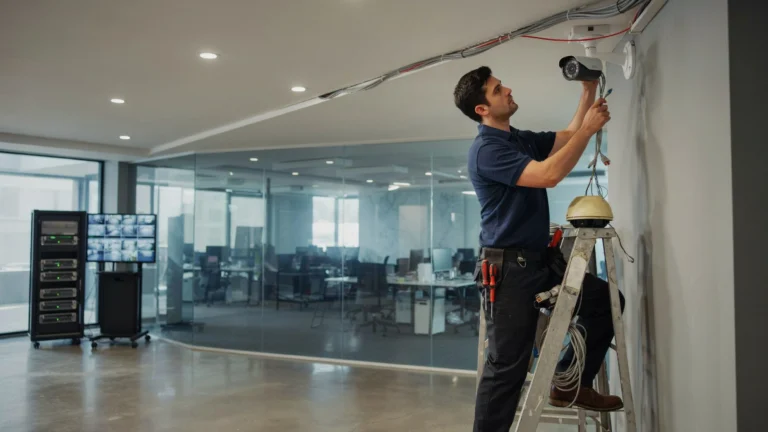
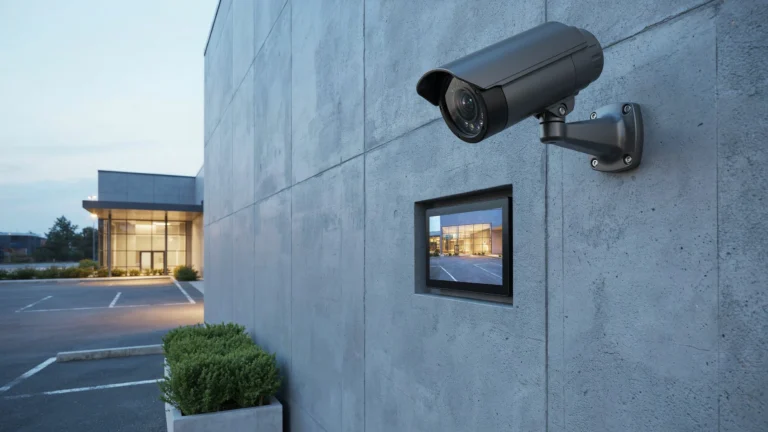
Even without a full alarm, a properly sited camera deters crime and provides evidence. At Cam Security Surveillance, we specialise in Home Security Camera Installation and Residential Camera Installation, ensuring you have reliable coverage.
By implementing these measures, you handle the core of “how to secure your home without an alarm” with a balanced, realistic approach. And if you ever decide to scale up, you already have good infrastructure in place for further automation or integration.
How to Automate Your Home Security System
Moving beyond basic locks and lights, automation is the next frontier in home protection. Here’s how to think about “how to automate your home security system” intelligently:
Remote Monitoring & Alerts
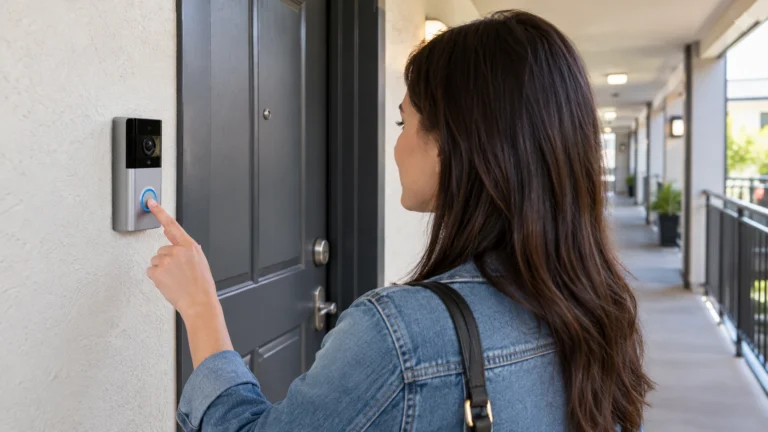
When a sensor is triggered, you get an alert. You can check live feed, view stored footage, or even talk to someone at your door. This puts you in control, wherever you are.
Integrate Cameras and Recording
Smart security cameras record only when motion is detected, saving storage and time.
They can send instant alerts and allow remote viewing from your phone.
This ensures your home stays protected and monitored 24/7.
Schedule & Control Access
Automated systems can lock/unlock at scheduled times, allow guest access temporarily, and integrate with home automation platforms. For example, when you leave, the system arms itself; when you return, it disarms.
Use Smart Analytics
Modern systems detect unusual motion, identify vehicles, and recognise faces. They can reduce false alarms and ensure you’re alerted only when it matters.
Connect to Wider Systems
If you’re in an apartment or multi-unit setting, your system might tie into building security, concierge services, or remote monitoring. The Apartment Security Camera setups we handle can interface with building systems.
Choose Smart Devices That Communicate
Cameras, door/window sensors, motion detectors, smart locks, all connected via WiFi or wired backbone. With our WiFi Installation service at Cam Security Surveillance, you’ll have robust connectivity to make this possible.
By exploring “how to automate your home security system”, you’re setting up for a future-proof infrastructure that can adapt, scale, and update over time. It’s not just about gadgets, but a mindset of smart, responsive protection.
How to Build Your Own Home Security System
If you enjoy DIY or want a cost-effective yet powerful solution, here’s how to approach “how to build your own home security system”:
Step 1: Plan the Layout
Start with the areas that matter: front door, back door, garage, and main ground-floor windows. Decide where to place cameras and sensors.
Step 2: Select Compatible Hardware
Choose devices that integrate—smart camera, hub, sensors, smart locks. At Cam Security Surveillance, we can advise or provide complete kits.
Step 3: Ensure Network Reliability
Your WiFi needs strength to support cameras and sensors. We offer WiFi Installation for robust performance.
Step 4: Connect & Configure
Install cameras, link them to your app or hub, configure alerts, and set up access controls.
Step 5: Automate & Test
Create routines: e.g., when you arm the system, lights dim, cameras activate, doors lock. Test entry/exit delays, battery backups.
Step 6: Monitor & Maintain
Regularly check firmware updates, view test footage, and ensure sensors are functional. Keep passwords strong and change defaults.
DIY vs Professional Considerations
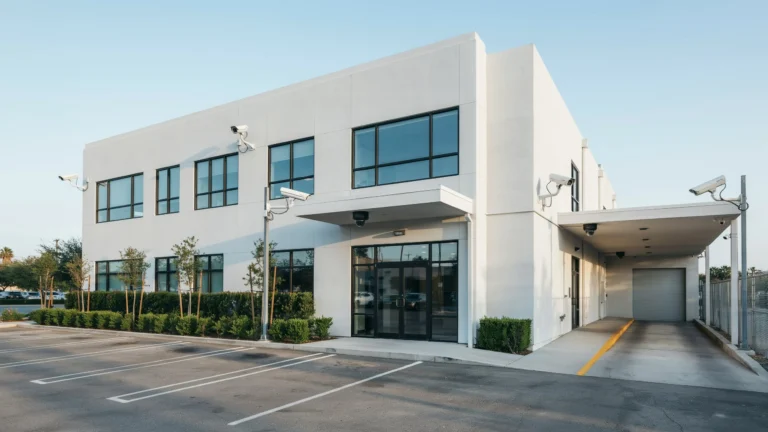
While building your own system gives flexibility and cost savings, a professional service like our Residential Camera Installation or Commercial Camera Installation may offer deeper coverage, warranty, and support. Consider whether DIY meets your risk tolerance or whether value-added service fits better.
The Role of Professional Installation
While DIY is viable, professional installation adds value in several ways:
- Expert placement for cameras and sensors ensures optimal coverage.
- Professional wiring minimizes blind spots, tampering, exposure to elements, and interference.
- Centralised control panels and monitoring escalate when needed.
- Ongoing support, service contracts, updates, and faster repairs.
So when you ask how to secure your home, you may start with DIY methods, but scaling up or choosing a professional service often provides better reliability and intelligence.
Conclusion
In conclusion, learning how to secure your home is not just about buying devices; it is about smart planning and consistent protection. By combining simple safety habits with modern security tools, you can create a safer, more reliable living space for your family.
At Cam Security Surveillance, we provide complete security solutions to help protect your home and ensure lasting peace of mind.
FAQs
What is the first step when asking how to secure your home?
Begin by identifying all potential entry points, doors, windows, garage, and strengthening them through reinforced locks and frames to deter easy access.
Can you really secure your home without an alarm?
Yes. Upgrading locks, lighting, visibility, and adding cameras or sensors creates effective layers of protection even without a traditional alarm system.
How do you automate your home security system on a budget?
Start with WiFi-enabled cameras or smart locks, connect them to your phone, create routines (e.g., lock doors automatically), and expand as needed.
What’s involved if you want to build your own home security system?
Plan the layout, pick compatible devices (cameras, sensors, locks), install a strong network backbone, configure alerts, and regularly test and maintain your system.
How often should you review your setup for how to secure your home properly?
At least once a year, and after any major change (new locks, gadgets, layout, or occupants). Regular checks keep your protection current and effective.