Security cameras protect homes and businesses every day. But many people wonder if something simple like a laser pointer can affect them. You may have seen videos where a bright beam hits a camera and causes glare or damage. This raises real concerns about safety and system reliability.
Will A Laser Pointer Damage A Security Camera? Yes, it can, but only under certain conditions. Low-power lasers usually cause glare, while stronger ones can damage the sensor if used closely and for long enough.
How Security Cameras Work
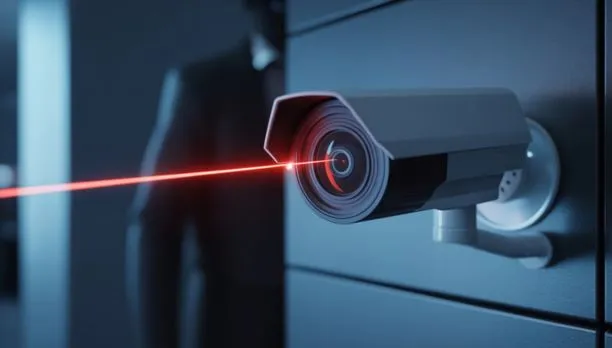
To understand the risk, you need to know how cameras capture images.
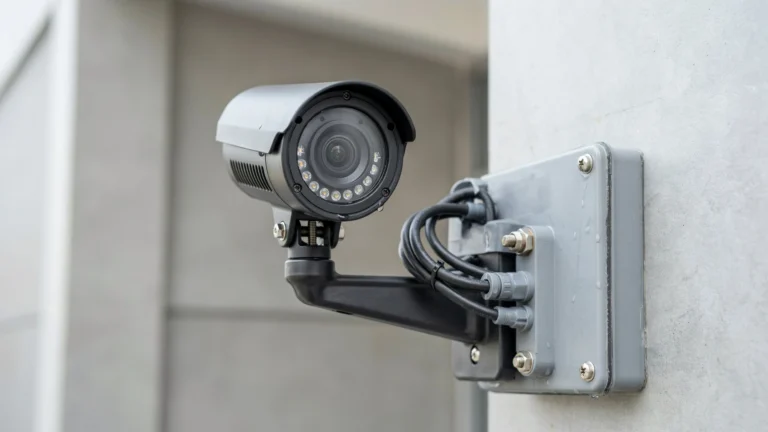
Most modern cameras use a small sensor called CMOS or CCD. This sensor collects light through the lens. The light turns into electrical signals, which become video footage.
Key parts include:
- Lens (focuses light)
- Image sensor (captures light)
- Processor (creates video)
- IR filter (helps night vision)
These sensors are very sensitive to light. That’s why bright light, including lasers, can affect them.
What Is a Laser Pointer?
A laser pointer is a small device that emits a focused beam of light. Unlike normal light, laser light is narrow and intense.
There are different types:
- Low power (Class 1–2): Common in presentations
- Medium power (Class 3): Brighter, more focused
- High power (Class 4): Industrial use, very strong
The key difference is intensity. A normal bulb spreads light. A laser focuses it into a tight beam. That’s why a laser pointer camera interaction can be risky.
Can a Laser Pointer Damage a Security Camera?
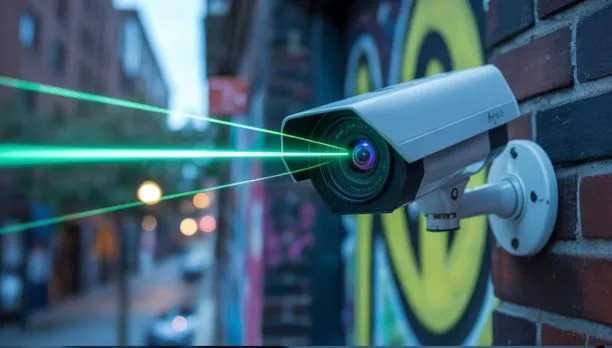
Yes, but it depends on power, distance, and time.
A low-power laser usually won’t cause lasting harm. It may create glare or temporary blind spots. This is the common case in a laser pointer vs security camera situation. High-power lasers are different. If aimed directly at the lens for a long time, they can burn the sensor. This creates permanent damage like dead pixels or lines.
At Cam Security surveillance, we often explain this to clients during security camera installation Indianapolis projects. Most real-world setups are safe because attackers rarely use strong lasers correctly. So, when asking can laser pointers damage security cameras, the honest answer is yes, but it’s not easy.
Types of Damage Caused by Laser Pointers
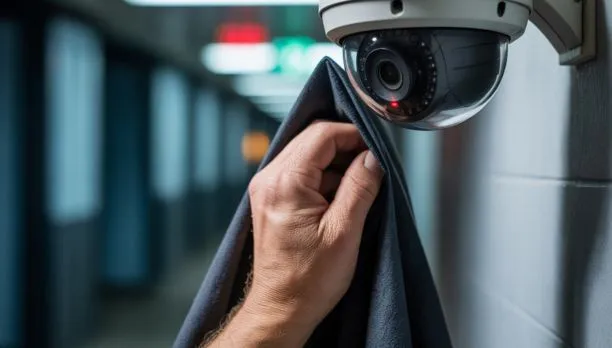
1. Temporary Glare
This is the most common effect.
The camera sees a bright spot. The rest of the image becomes hard to view. Once the laser is removed, the camera returns to normal.
2. Sensor Burn (Permanent Damage)
This happens with high-powered lasers.
The beam hits the sensor and damages pixels. You may see:
- White or black dots
- Lines across the screen
- Permanent bright spots
This damage cannot be fixed. The camera must be replaced.
3. Lens Impact
Rare, but possible.
Very strong lasers can generate enough heat to affect the lens coating. Over time, this may cause slight distortion, reduced sharpness, or small hazy spots in the footage. While this type of damage does not happen often, repeated exposure to high-powered lasers can slowly impact overall image clarity.
Factors That Affect Laser Damage
Not all cameras face the same risk.
Here are the key factors:
- Laser strength: Higher power increases damage risk
- Distance: Closer beams are more intense
- Exposure time: Longer contact causes more harm
- Camera quality: Better sensors handle light better
- Angle: Direct hits are more dangerous
A weak laser from far away is not a big threat. A strong laser at close range is different.
Can Someone Disable Security Cameras with a Laser?
This is a common myth.
Yes, someone can try to disable a security camera with a laser, but it’s not reliable.
Here’s why:
- The attacker must aim perfectly
- The laser must be strong enough
- The camera may still record the attack
- Other cameras may capture the person
In real life, this method is not practical. Most criminals do not rely on lasers. The idea of laser pointer vs security camera sounds simple, but it rarely works as planned.
How to Protect Security Cameras from Laser Attacks
Even though the risk is low, protection is still important.
Use Vandal-Resistant Cameras
These cameras come with tough outer casings made to handle impact and harsh conditions. They are harder to damage and often include protective glass that reduces direct light exposure. This added layer helps limit the effect of strong light sources, including lasers.
Install Cameras at Angles
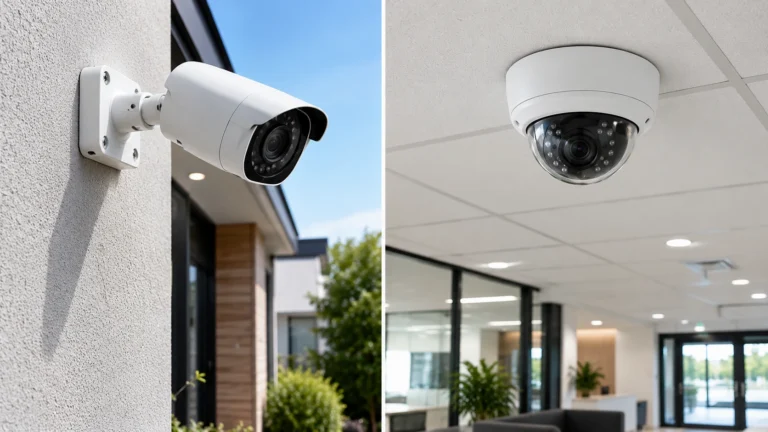
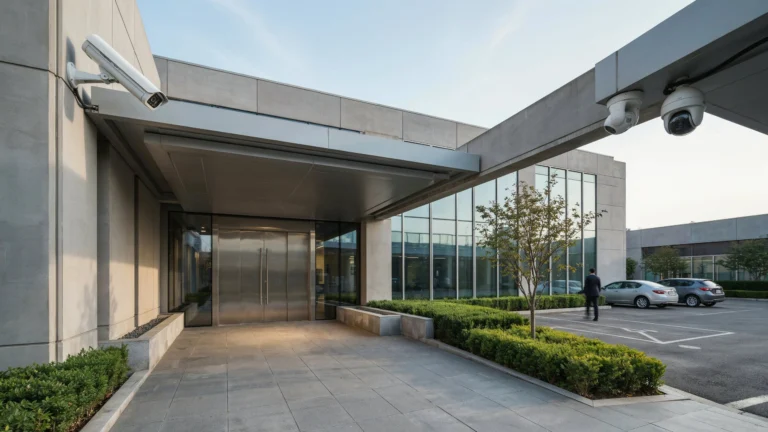
Avoid placing cameras where they face straight outward at eye level. When you install them at a slight angle or higher position, it becomes much harder for someone to aim a laser directly into the lens. This simple step can greatly reduce the risk of direct hits.
Use Multiple Cameras
Never rely on a single camera for full coverage. If one camera is affected by glare or damage, other cameras can still record the area. Overlapping coverage ensures there are no blind spots, even if one device is targeted.
Choose High-Quality Sensors
Cameras with better sensors are built to handle strong light more effectively. They adjust exposure faster and recover quickly from bright flashes. Investing in a high-quality system can make a big difference in both performance and durability.
Add Smart Alerts
Modern security systems can detect sudden changes in light or unusual activity. If a camera is hit with a bright beam, the system can send an instant alert to your phone. This allows you to respond quickly and check what is happening in real time.
At Cam Security surveillance, we always recommend layered protection for better safety.
Are Laser Attacks Common in Real Life?
No, they are very rare.
Most camera issues come from:
- Weather damage
- Dirt or dust
- Poor installation
- Power failures
Laser attacks require planning and tools. That’s why they are uncommon. The idea of a laser pointer camera attack is more popular online than in real life.
Legal Consequences of Damaging Security Cameras
Damaging a camera is not a small issue.
It can lead to:
- Property damage charges
- Fines
- Possible jail time
In many places, interfering with surveillance systems is a serious offense. Trying to disable security camera with laser can be treated as intentional damage.
Expert Recommendations
Based on real experience, here’s what works best:
- Install cameras at safe heights
- Use trusted brands
- Avoid cheap, low-quality systems
- Perform regular checks
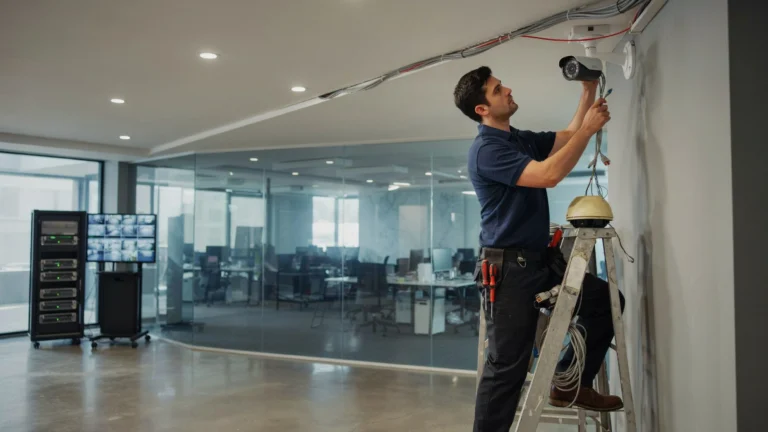
- Use professional installers
A strong setup prevents most risks, including light-based attacks.
Key Considerations: Pros and Cons
Pros of Laser Exposure Awareness
Understanding how laser exposure works helps you protect your security system more effectively. It allows you to plan better camera placement and choose safer installation angles. This awareness also helps reduce blind spots, making your overall surveillance setup stronger and more reliable.
Cons
High-powered lasers are rare, but they can still pose a risk if used intentionally. In cases where damage does occur, it is often permanent and cannot be repaired. This means you may need to replace the camera, which can increase overall costs.
Conclusion
Will A Laser Pointer Damage A Security Camera? Yes, but only in rare cases with strong lasers and direct exposure. Most everyday laser pointers are harmless and only cause temporary glare.
For real protection, focus on proper setup and quality equipment. A well-installed system reduces all types of risks, not just laser threats. If you want expert help, contact us at Cam Security surveillance for reliable solutions.
FAQs
Can a cheap laser pointer damage a camera?
No. A low-power laser pointer is not strong enough to cause permanent damage. It may create glare or a bright spot in the footage, but the camera will return to normal once the light is removed.
How long does it take to damage a camera?
Damage does not happen instantly in most cases. Only high-powered lasers can harm a camera, and they need direct and steady exposure to the lens for some time.
Can cameras recover from laser damage?
If the issue is just glare, the camera will recover quickly once the laser is gone. But if the sensor is burned, the damage is permanent and cannot be fixed.
Do outdoor cameras have protection?
Yes, many modern outdoor cameras are built with features that help handle strong light. These include better sensors and filters that reduce the impact of bright exposure.
Is laser damage covered by warranty?
In most cases, no. Laser damage is usually treated as external or physical damage, which standard warranties do not cover.