
Your home is your comfort zone — the one place you want to feel completely safe. A good security system helps you keep it that way. From traditional wired setups to modern smart systems that sync with your phone, the world of home security has undergone rapid growth.
At Cam Security Surveillance, we understand that every home has unique needs. Whether you need residential camera installation, commercial surveillance, or a CCTV setup, our team of house security camera installation experts ensures seamless protection with high-quality equipment and professional installation.
Let’s explore the different types of home security systems and how to choose the one that’s right for you.

1. The Two Main Types: Wired and Wireless Systems
Wired Home Security Systems
Wired systems are the old-school classic — the kind many homeowners still trust for their reliability.
They use physical cables to connect sensors, alarms, and cameras to a central control panel. Because they don’t depend on Wi-Fi, wired systems rarely drop signals.
Who it’s best for:
- Homeowners who plan to stay put for years
- People renovating or building a new home
- Large properties that need consistent coverage
Pros:
- Very reliable connection
- No battery replacements
- Harder to hack remotely
Cons:
- Requires drilling or wiring
- Not ideal for renters
- Expensive to move or upgrade
Wireless Home Security Systems
Wireless systems have quickly become the new standard. All sensors and cameras communicate through Wi-Fi or cellular signals, making installation simple and flexible.
Who it’s best for:
• Renters or frequent movers
• Homeowners who prefer an easy DIY setup
• Anyone wanting scalability over time
Pros:
• Quick installation, no wires
• Expandable with more devices anytime
• Works with smartphones and smart assistants
Cons:
• Needs reliable Wi-Fi
• Battery replacements required
• Signal interference possible in large homes
2. Monitoring Options: Professional vs. Self-Monitored Systems
Professionally Monitored Systems
In this setup, a 24/7 monitoring center keeps an eye on your home. If an alarm goes off, trained staff verify the event and call emergency services when needed.
Pros:
• Constant professional oversight
• Quick emergency response
• Often qualifies for insurance discounts
Cons:
• Monthly or annual monitoring fees
• Contracts can be restrictive
Best for: Families who travel often or simply want full-time assurance.
Self-Monitored Systems
Self-monitoring means you’re in charge. Alerts and camera feeds go directly to your phone, and you decide what to do next.
Pros:
• No recurring monthly fees
• Full control via mobile app
• Flexible, affordable setup
Cons:
• Missed alerts mean delayed response
• Requires smartphone access at all times
Homeowners who want complete peace of mind often choose monitored systems, especially when combined with Smart Home Security features like live video access and real-time mobile alerts.
3. Installation Choices: DIY or Professional Setup
DIY Installation
DIY systems are made for convenience. They often come in pre-packed kits, and setup usually takes less than an hour.
Why people love DIY:
• Save on installation fees
• Easy to move or upgrade
• Most include in-app guides
DIY systems from brands like SimpliSafe, Ring, and Eufy are designed for anyone — no wiring experience required.
Professional Installation
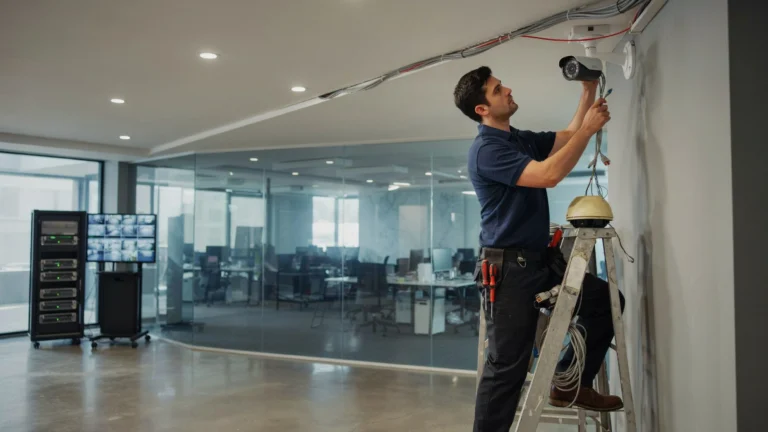
Professional installation means a trained technician manages every step — from mounting sensors to testing coverage and connecting your system. This approach is common among several types of home security systems that offer advanced features and need precise configuration.
Why people choose it:
• Expert placement and testing
• Includes system walkthrough
• Usually bundled with monitoring plans
If you prefer a hassle-free, guaranteed setup, this option ensures everything works perfectly from day one.
4. Understanding Contracts and Commitments
Many professional systems come with contracts — typically 2 to 5 years.
A contract can reduce your upfront equipment cost, but lock you into a monthly plan.
What to consider:
- Some contracts guarantee fixed monitoring fees.
- Early cancellation may include penalties.
- Long-term savings are often higher without contracts.
Example: Paying full price for hardware upfront may cost more initially, but it saves hundreds over the years compared to paying through a three-year contract.
5. Essential Components in Every Type of Home Security System
Core Devices
- Base Station (Hub): The system’s “brain.” It connects all sensors and often includes a siren and backup battery.
- Keypad or Touchscreen Panel: Used to arm or disarm the alarm and manage settings.
- Motion Sensors: Detect movement in key areas — ideal for living rooms or hallways.
- Contact Sensors: Attach to doors and windows to detect openings.
- Range Extenders: Expand your network in larger homes.
- Siren or Alarm: Emits a loud sound when the system is triggered.
Add-On Components
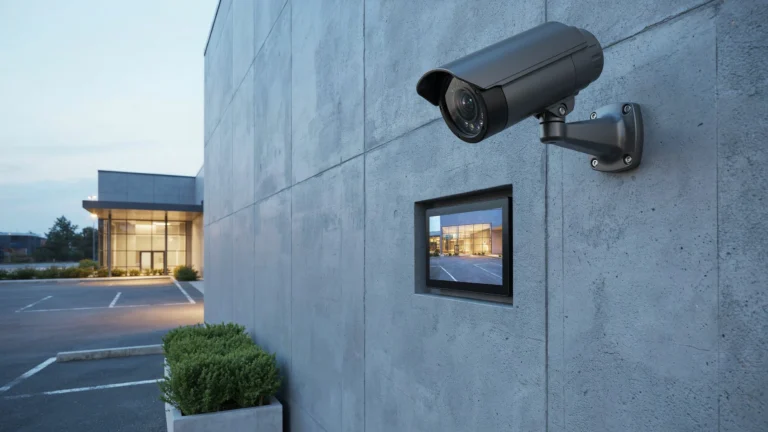
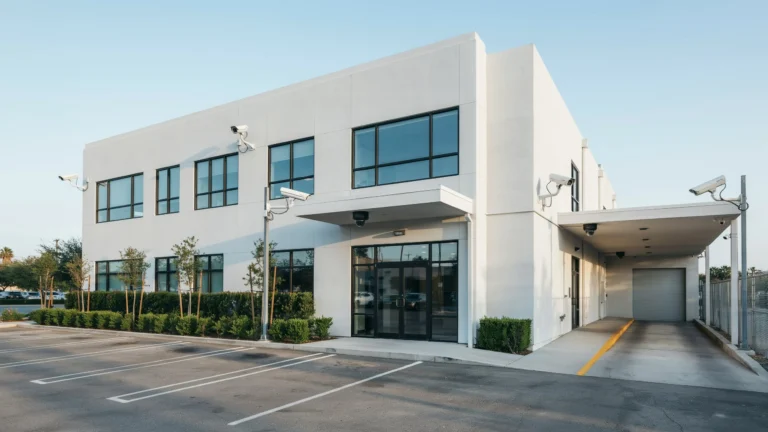
- Security Cameras: Offer live or recorded footage. Many include two-way talk and night vision.
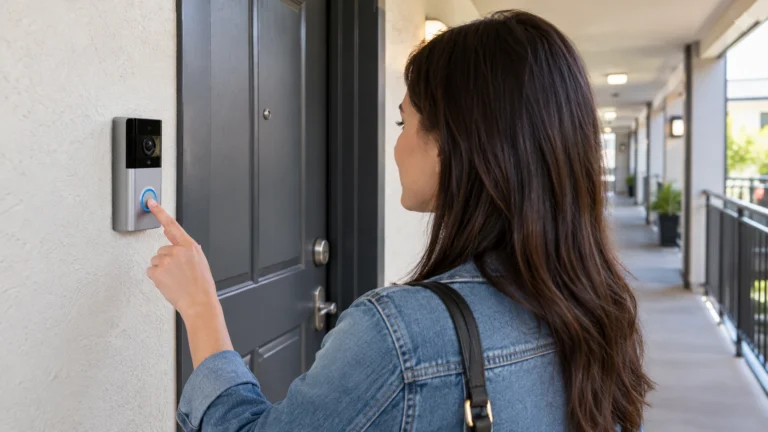
- Video Doorbells: Let you see and talk to visitors remotely.
- Glass-Break Sensors: Detect the frequency of breaking glass.
- Smoke & CO Detectors: Essential for fire and carbon monoxide alerts.
- Water Leak Sensors: Protect basements and bathrooms from floods.
- Panic Buttons: Allow quick alerts in emergencies.
- Garage Door Sensors: Keep tabs on your garage entry points.
Adding these components builds a layered defense, making your system smarter and more responsive.
6. Smart Home Integrations
Modern home security goes beyond alarms — it connects with the rest of your smart home.
Most systems today integrate with Alexa, Google Home, or Apple HomeKit.
Benefits of integration:
- Arm your system with a simple voice command.
- Automate lighting when you leave home.
- Sync your thermostat to save energy while you’re away.
The Matter Standard
Matter is the new universal smart-home standard backed by giants like Apple, Google, and Amazon. It will allow different brands to work seamlessly together — meaning your camera, lock, and alarm system will communicate, even if they’re from different companies.
Smart systems perfectly blend convenience and security — and at Cam Security Surveillance, we specialize in installing these innovative setups for homeowners who value both safety and simplicity.
7. Local Permits and Regulations
Some U.S. cities require alarm permits for professionally monitored systems. These permits help reduce false alarms and ensure emergency services have accurate information, especially for certain types of home security systems that connect directly with local authorities.
Examples:
• Dallas, TX — annual fee around $50
• Los Angeles, CA — permit required, but the fee depends on the district
• Yonkers, NY — requires permits but no fee
Before installing, check your city’s website for permit requirements to avoid fines.
8. Cost Breakdown: What to Expect
Security systems vary widely in price, but knowing what drives the cost helps you plan.
| Category | Average Cost Range |
| Starter Kit | $200–$400 |
| Add-on Sensors | $15–$50 each |
| Indoor Camera | $50–$150 |
| Outdoor Camera | $100–$200 |
| Professional Installation | $100–$300 |
| Monitoring Fee | $15–$50 per month |
| Cloud Storage (optional) | $3–$10 per month |
Pro Tip: When comparing systems, calculate total ownership cost over 3 years — including equipment, installation, and monitoring.
9. Latest Trends in Home Security Systems
The home security landscape in 2025 looks very different from a decade ago.
Here are the top trends shaping today’s market:
- DIY systems on the rise: Brands like Wyze, Eufy, and Cove offer affordable starter kits under $200.
- AI-powered cameras: Systems now distinguish between people, pets, and vehicles to reduce false alerts.
- Integrated smart-home platforms: ADT’s “Trusted Neighbor” feature uses Google’s facial recognition to identify familiar visitors.
- Affordable monitoring: Annual plans are becoming cheaper — many offer $100–$120 per year for full 24/7 coverage.
- Greater privacy controls: More companies now allow local video storage and encryption to protect user data.
The bottom line — modern systems are becoming smarter, cheaper, and easier to control from anywhere.
10. What to Consider Before Buying
When comparing systems, think about more than price. Different types of home security systems offer unique features, so here’s a quick checklist to help you choose wisely:
- What do you want to monitor?
Is your main concern burglary, fire, carbon monoxide, or water leaks? Pick a system that covers all your risks. - Do you need smart-home features?
If you already own Alexa or Google Home, choose a system that integrates smoothly. - How large is your property?
Larger homes may need range extenders or multiple cameras. - Do you want professional monitoring?
If you travel frequently, the peace of mind is often worth the monthly fee. - How comfortable are you with technology?
If you prefer simplicity, choose a professionally installed system.
11. Best Time to Buy a Home Security System
Looking for a deal? Timing matters.
The best discounts usually appear around Black Friday, Cyber Monday, and Amazon Prime Day. During these events, many companies offer 20%–50% off equipment bundles or waive monitoring fees for the first few months.
12. Common Mistakes to Avoid
- Ignoring false alarm policies: Too many false alarms can lead to city fines.
- Overlooking battery life: Replace batteries every 6–12 months for consistent performance.
- Not securing Wi-Fi: A weak password makes wireless systems vulnerable.
- Skipping system updates: Regular updates patch security flaws and improve performance.
- Choosing the cheapest option only: Balance cost with reliability and support.
13. Quick Comparison Table
| Feature | Wired | Wireless | DIY | Professional |
| Installation | Complex | Easy | Self-installed | Technician installed |
| Flexibility | Low | High | High | Moderate |
| Portability | Poor | Excellent | Excellent | Limited |
| Reliability | Very high | Good | Good | Very high |
| Cost | Higher upfront | Lower upfront | Cheapest | Higher setup fee |
14. Expert Tip: How to Test Your System
- After setup, always test each sensor and camera.
2. Open a door, walk across a room, and ensure alerts reach your phone.
3. Then trigger a false alarm once to check how your monitoring service responds.
4. A quick test now can save trouble later.
15. The Future of Home Security
We’re heading into an era where home security systems won’t just alert — they’ll predict.
With AI learning patterns of daily activity, systems will soon distinguish between your child arriving home, a delivery person, or a stranger lurking outside. Integration with EV chargers, solar systems, and neighborhood networks will further personalize protection.
16. Final Thoughts
Home security isn’t just about technology — it’s about peace of mind. Whether you choose a wired system with professional monitoring or a sleek DIY wireless setup, there are many types of home security systems designed to match different lifestyles. Start small if you need to, and add cameras and sensors as your needs grow.
At Cam Security Surveillance, we help families and businesses across the U.S. build safer environments through smart home security, professional camera installation, and expert support. If you’re ready to upgrade your protection, our specialists are just a call away.
Visit Cam Security Surveillance today to explore the right solution for your home and experience true security — designed for modern living.
FAQs
Q: What is the best security system for a residential home?
A: SimpliSafe and ADT are top-rated for 2025 — SimpliSafe for DIY users, ADT for full professional monitoring.
Q: What are the three types of security systems?
A: Wired, wireless, and monitored systems are the main three.
Q: What is the best DIY home security system?
A: SimpliSafe ranks first, followed by Ring and Wyze for budget options.
Q: What are the four types of security?
A: Physical, cyber, information, and operational security.