
A motion sensor detects movement using infrared heat, sound waves, or microwave signals, then sends a signal to trigger an alarm, a light, or a camera. Most home sensors use passive infrared technology to spot body heat moving across a room.
So, how do motion sensors work in real homes and businesses? This guide explains how each type of motion sensor works, where it performs best, and how to choose the right one for your property. Cam Security Surveillance also shares practical tips to help you build a more reliable and effective security system.
What Is a Motion Sensor?
A motion sensor is a small device that detects changes in its surroundings. It watches for heat, movement, or sound within a set range, then reacts the moment something crosses its path. Most sensors sit quietly until triggered. Once movement crosses their detection zone, they send a signal to a connected system, like a security panel, a smart light, or a camera app.
You will find these devices in homes, offices, warehouses, and parking lots. They form the backbone of most modern security setups.
How Do Motion Sensors Work?
At the core, motion sensor technology relies on detecting a change in the environment. The sensor has a resting state, and it compares that state to what it senses every fraction of a second. Passive infrared sensors, the most common type, detect body heat. Every person gives off infrared energy, and when that heat crosses the sensor’s field of view, it triggers an alert.
Other sensors use active methods instead. Microwave sensors send out radio waves and measure how they bounce back. Ultrasonic sensors do the same with sound waves above human hearing range.
Once a sensor detects a real change, it sends an electrical signal to whatever it is wired or paired with. That could be an alarm siren, a porch light, or a notification on your phone through a smart home app.
The Main Types of Motion Sensors
Now that you know how motion sensors work at a basic level, it helps to see how the types differ. There are several types of motion sensors, and each one fits different needs.
- Passive Infrared (PIR): Detects body heat. Common in homes because it is affordable and reliable.
- Microwave Sensors: Send out radio waves and read the reflection. They cover a wider area than PIR but cost more.
- Dual Technology Sensors: Combine PIR and microwave detection. They only trigger when both methods sense movement, which cuts down false alarms.
- Ultrasonic Sensors: Use sound waves to detect motion. Common in smaller indoor spaces.
- Tomographic Sensors: Use radio waves across a large area, often in warehouses, since they can detect motion through walls and stacked inventory.
Each type of motion sensing technology has strengths depending on where you place it and what you need it to catch.
Where Are Motion Sensors Commonly Used?
Motion sensors show up in more places than most people realize. Homes use them for security systems, outdoor lighting, and garage door safety features.
Businesses rely on them for after hours security, employee safety in warehouses, and automatic doors in retail stores. Offices often pair them with lighting systems to save on energy costs.
Public spaces use them too. Parking garages, stairwells, and hallways often light up only when someone walks through, which cuts electricity waste.
How Motion Sensors Work with Security Cameras
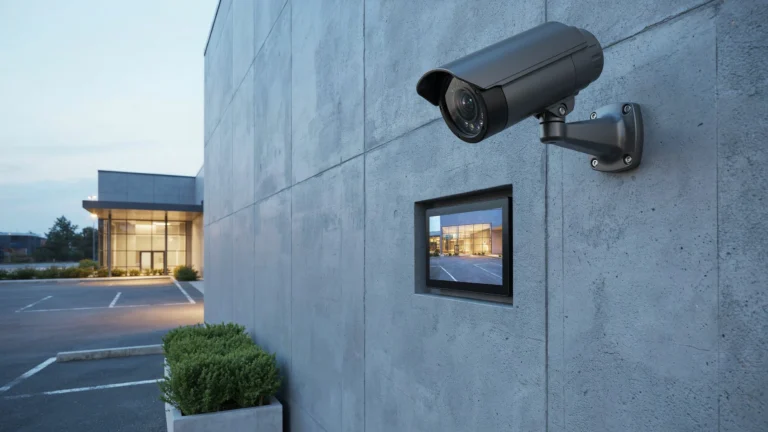
Pairing a motion sensor with a security camera creates a smarter system than either device alone. The sensor tells the camera when to start recording, which saves storage space and battery life.
Without motion sensors, a camera would either record nonstop or miss key moments. With a sensor attached, the camera wakes up the instant it detects real activity, then sends you an alert right away.
This setup also helps monitoring teams respond faster, since they only review footage tied to an actual motion event.
Motion Sensors vs Motion Detectors: Is There a Difference?
People often use these terms interchangeably, and in most cases, that is fine. A motion detector is the internal component that senses change. A motion sensor is the full device that houses that component and sends a signal outward.
In everyday conversation, the two terms mean the same thing.
Factors That Affect Motion Sensor Performance
Several conditions affect how well a sensor performs. Temperature is one of the biggest factors, since PIR sensors compare heat differences, and a hot summer day can make it harder to spot a person’s body heat against warm air.
Distance and angle matter too. Sensors placed too far from the area they cover, or angled incorrectly, will miss movement or trigger late.
Obstructions like furniture, plants, or window glass can block or distort a sensor’s field of view. Wireless sensors can also lose signal strength when placed too far from their hub.
Common Causes of False Motion Alerts
False alerts frustrate homeowners and can make people ignore real alarms over time. A few common causes include:
- Pets moving through the detection zone, especially larger dogs.
- Sunlight or heat sources like vents and heaters confusing PIR sensors.
- Tree branches or curtains moving near an outdoor or window mounted sensor.
- Insects or spiders crawling directly on the sensor lens.
- Poor placement, such as pointing a sensor toward a busy street.
Adjusting sensitivity settings and repositioning the sensor usually fixes most false alarm issues.
Wired vs Wireless Motion Sensors
Wired sensors connect directly to your security panel through cables. They tend to be more reliable since they do not depend on batteries or wireless signal strength, but installation takes more work and often needs a professional.
Wireless sensors run on batteries and connect through radio frequency or Wi-Fi. They install faster and offer more flexible placement, which makes them popular for renters.
The tradeoff comes down to convenience versus long term reliability.
Smart Motion Sensors and Home Automation
Modern motion sensing technology connects directly into smart home systems. A sensor can trigger lights to turn on, send a push notification, or start a camera recording, all within seconds of detecting movement.
Many smart sensors also let you set custom rules. You might want lights to turn on only after sunset, or alerts to pause during hours when you expect regular foot traffic.
This level of automation turns a simple motion sensor into a central piece of a smart home security setup.
How to Choose the Right Motion Sensor
Picking the right sensor depends on where you plan to use it and what you need it to do.
For indoor rooms, a basic PIR sensor usually covers your needs at a low cost. For large outdoor areas, consider a dual technology sensor to cut down on false alerts from wind or animals.
Warehouses and large commercial spaces often benefit from microwave or tomographic sensors, since they cover wider areas and detect motion around obstacles like shelving.
Always check the detection range and field of view listed by the manufacturer before buying.
Best Practices for Motion Sensor Placement
Placement affects performance more than almost any other factor. Mount sensors between 6 and 8 feet off the ground for most rooms, angled slightly downward toward the area you want covered.
Avoid pointing sensors directly at windows, heat vents, or areas with heavy sunlight. Keep them away from ceiling fans, since moving air can trigger false alerts.
For outdoor use, angle sensors away from busy streets to avoid unnecessary triggers from passing cars.
Do Motion Sensors Need Professional Installation?
Basic wireless sensors are simple enough for most people to install themselves, often in under 15 minutes per unit. Peel and stick mounts and app based pairing make DIY setup easy for standard homes.
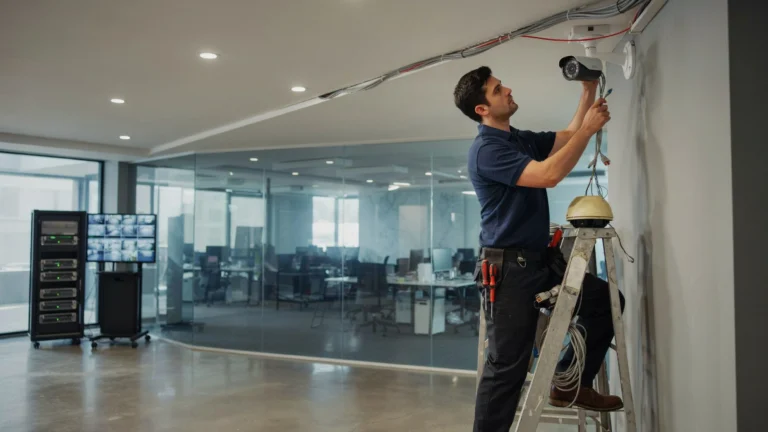
Wired sensors and large commercial systems usually need a professional. Running cable through walls and calibrating sensitivity across a large property takes specialized tools and experience.
If you are setting up a full property with several sensor types, a professional install reduces the risk of blind spots or wiring mistakes.
Motion Sensor Maintenance Tips
Motion sensors need occasional care to keep working correctly. Wipe the lens gently every few months to clear dust, spider webs, or debris that could block detection.
Replace batteries in wireless units before they die completely, since low battery levels can cause delayed or missed alerts.
Test your sensors every season, since temperature swings can shift sensitivity and placement needs.
Conclusion
Understanding how do motion sensors work helps you choose the right type for your home or business and avoid common problems like false alerts. Whether you pick a basic PIR sensor or a dual technology system, the right placement and maintenance make the biggest difference in performance.
Take time to choose the right sensor for your space, follow proper placement guidelines, and pair it with a quality security camera system for better protection. Contact Cam Security Surveillance for expert advice and professional security solutions.
FAQs
How do motion sensors work in outdoor lighting?
Outdoor lights typically use PIR sensors that detect body heat, triggering the light to turn on when a person or animal enters the detection zone.
What types of motion sensors work best for pets?
Dual technology sensors or pet immune PIR sensors work best, since they can be adjusted to ignore smaller body heat signatures.
Does motion sensor technology work through walls?
Most standard sensors do not detect through walls, but tomographic sensors used in large commercial spaces can, since they rely on radio wave mesh networks.
How far can a motion sensor detect movement?
Most home sensors cover 20 to 40 feet, while commercial grade sensors can cover 100 feet or more depending on the type.
Can motion sensing technology reduce false alarms?
Yes. Dual technology sensors, proper placement, and adjusted sensitivity settings all help cut down on false alerts significantly.