Is
Yes, in almost every state, tampering with a security camera is against the law. It does not matter if the camera sits on private property or watches a public street. Touching, covering, or breaking someone else’s camera can lead to real criminal charges.
That said, the details matter a lot. Is it illegal to tamper with security cameras the same way in every state? No. Penalties, definitions, and exceptions shift depending on where you live and who owns the camera.
What Does It Mean to Tamper With a Security Camera?

Tampering covers more than smashing a lens with a hammer. Most state laws define it broadly, including covering the camera, spraying paint on it, unplugging it, redirecting its angle, or cutting its power.
Some people search for how to tamper with security cameras thinking there’s a legal loophole. There usually isn’t one. If your action stops a camera from recording the way it was set up to, most courts call that tampering, even if the damage is only temporary.
Intent matters too. Prosecutors look at whether you meant to interfere or whether it was an accident, like knocking a camera loose while doing yard work. Accidental contact rarely leads to charges. Deliberate interference almost always does.
Is It Illegal to Tamper With Someone Else’s Security Camera?
This is where the law gets strict. Is tampering with security cameras illegal when the camera belongs to a neighbor, a business, or a stranger? Yes, and this is the clearest case of all.
Cameras are property. When you damage or disable one that isn’t yours, you’re interfering with someone else’s equipment without permission. Many states charge this as criminal mischief or vandalism. Oklahoma and Illinois even have laws that name camera tampering directly, covering anyone who repositions, covers, disconnects, or disables a security camera owned by another person or business.
If the camera belongs to a business, expect the charges to be more serious. Businesses often argue a disabled camera created a security gap that led to theft, and that argument can push a misdemeanor toward a felony.
Is It Illegal to Block a Security Camera?
Blocking a camera counts as tampering in most places, even without touching it. Spray paint, tape over the sensor, or a well-placed object all count as interference.
The legal line depends on ownership. Covering your own indoor camera is fine. Covering a neighbor’s outdoor camera is a different story, even if you feel it invades your privacy. Courts generally side with the camera’s owner unless footage crosses into a space with a strong expectation of privacy, like inside your home.
What If a Neighbor’s Camera Is Pointed at Your Property?
This situation causes more disputes than almost any other. Feeling watched by a neighbor’s camera is uncomfortable, but discomfort alone doesn’t give you legal cover to tamper with it.
Start by talking to your neighbor. Many angle issues happen by accident during installation. If that doesn’t work, check local zoning or nuisance ordinances, since some cities regulate camera placement near shared property lines. You can also file a civil claim for invasion of privacy if the camera captures the inside of your home.
What you should not do is climb over and adjust, cover, or disable their camera yourself. That turns a privacy complaint into a criminal one, and you become the person facing charges instead of the one filing the complaint.
Can You Legally Move or Remove a Security Camera?
You can move or remove a camera only if you own it or have the owner’s written permission. Renters run into this often. If your landlord installed a camera in a shared hallway, you generally can’t take it down without approval, even if it makes you uncomfortable. Is it illegal to tamper with security cameras that belong to your building? Yes, and this counts as one more example.
HOAs add another layer. Some restrict where residents can place cameras, and moving a shared one without asking can violate both HOA rules and state property law.
What Are the Possible Consequences of Tampering?
Consequences vary by state, owner, and damage. Common penalties include:
- Fines from a few hundred dollars up to $5,000 or more
- Misdemeanor or felony charges, depending on the damage
- Jail time, up to two years for serious cases involving public safety cameras
- Civil lawsuits for repair costs or lost footage
- A permanent record on background checks
Cameras that are part of a police or public surveillance system carry even steeper penalties than a private homeowner’s doorbell camera.
What Should You Do Instead of Tampering With a Security Camera?
There are legal paths that solve most camera disputes with no risk to you.
- Talk to the owner and explain your concern
- Send a written request asking them to adjust the angle
- Check local ordinances on camera placement near property lines
- Contact your HOA if one governs the area
- File a police report if the camera is being used to harass or stalk you
- Speak with a local attorney if it captures private space inside your home
Each of these keeps you on the right side of the law while still fixing the problem.
Can You Disable a Security Camera on Your Own Property?
Yes, this one is simple. You can unplug, cover, remove, or turn off any camera you own and install yourself. When people ask if it is illegal to tamper with security cameras, they usually mean someone else’s. Tampering laws protect other people’s equipment and privacy, not your own choices about your own home.
The exception is a lease that requires certain security equipment to stay active, like a camera a landlord installed for building safety.
Is It Illegal to Cut Security Camera Wires?
Cutting wires is one of the most serious forms of tampering because it usually causes lasting damage instead of a temporary block. This almost always leads to criminal mischief or vandalism charges, and repair costs get added to any fine or restitution order. If the wiring belongs to a commercial or public camera network, cutting it can also disrupt an active investigation, which adds obstruction charges on top.
Is It Illegal to Jam or Hack a Security Camera?
Yes. Signal jammers that block wireless camera transmissions violate federal FCC rules, separate from any state tampering statute. Hacking into a camera’s system, even just to view or delete footage, triggers charges under state computer crime laws and the federal Computer Fraud and Abuse Act. Digital interference is treated as seriously as physical damage, sometimes more so, since it can hit many cameras on one network at once.
Is It Illegal to Cover a Flock Camera?
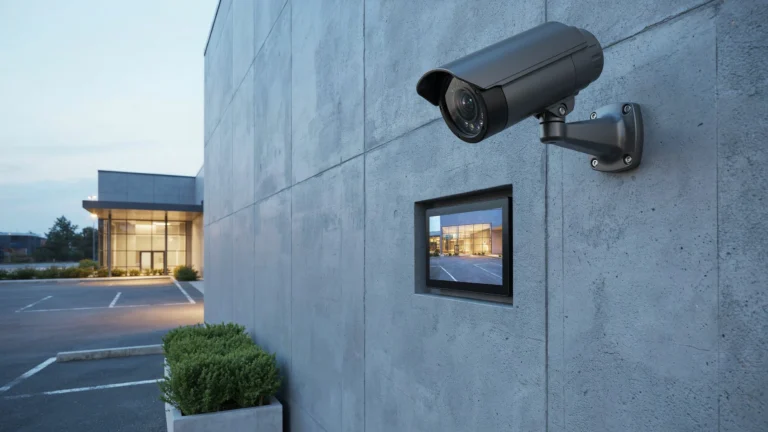
Automated license plate readers like Flock Safety cameras raise their own version of the question. Is it illegal to cover a Flock camera or the plate it reads? In most states, yes. Laws against tampering with license plates apply directly to blocking these cameras, and newer rules in several states specifically target covers built to defeat plate readers.
Is it illegal to tamper with Flock cameras themselves, meaning the device on the pole? Also yes, often more seriously than tampering with a private camera, since many of these systems fall under public safety statutes with higher fines and jail time attached.
Security Camera Tampering vs. Privacy Rights
Privacy concerns are valid. Nobody wants a camera aimed through their bedroom window. But privacy rights and tampering laws are two separate legal tracks, and one doesn’t cancel out the other. So is tampering with security cameras illegal even when privacy is the issue? Yes. Handle it with a complaint or a call to code enforcement, not by disabling the camera yourself, which turns you from the person with a legitimate complaint into the person facing charges.
How to Protect Your Security Cameras From Tampering
A few upgrades cut down on tampering risk fast:
- Mount cameras out of easy reach, at least nine feet up
- Use tamper-resistant housings that resist paint and physical hits
- Add motion alerts that fire the moment a camera loses power or signal
- Run wiring through conduit where it can’t be cut
- Choose systems with cloud backup so footage survives device damage
When Should You Contact a Professional?
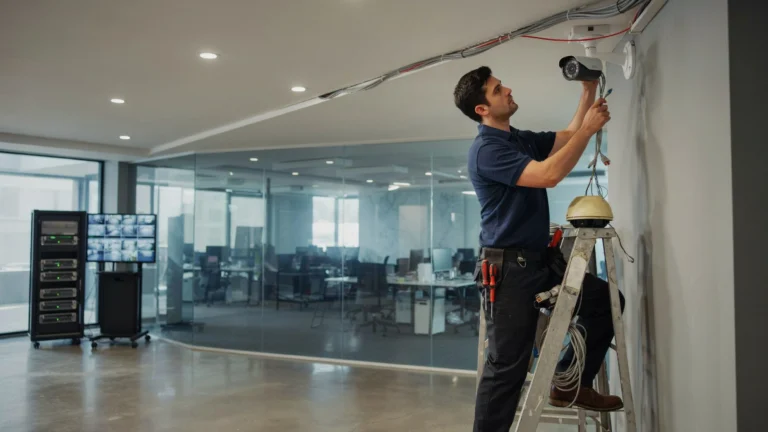
If your cameras keep getting tampered with, or you’re setting up a new system, talk to a professional installer instead of guessing. A poorly placed camera is an easy target. A properly placed one is not.
At Cam Security Surveillance, we work with homeowners and business owners who want systems that hold up against tampering. If you’re searching for security camera installation Indianapolis residents trust, our team places cameras where they’re hard to reach, wires them so cutting isn’t simple, and sets up alerts that flag interference right away.
Conclusion
Is it illegal to tamper with security cameras? In nearly every situation, yes. Whether it’s blocking a lens, cutting a wire, or hacking a system, tampering laws exist across all fifty states, and consequences range from fines to felony charges. If a camera bothers you, handle it through a conversation, a complaint, or a lawyer, not by touching equipment that isn’t yours.
Laws differ by state, so check with a local attorney for your specific dispute. For professional security camera installation, protection, or system support, contact us today.
FAQs
Is it illegal to tamper with security cameras in every state?
Yes, some form of tampering law exists in all fifty states, though the exact wording and penalties vary.
Can I be arrested for covering my neighbor’s camera?
Yes. Covering, spraying, or blocking a camera you don’t own counts as tampering in most states, even without physical damage.
Is it illegal to tamper with Flock cameras specifically?
Yes, and often more seriously, since many of these fall under public safety equipment laws with higher penalties than general vandalism.
What should I do if a camera is pointed at my bedroom window?
Talk to the owner first, then file a complaint with local code enforcement or consult an attorney about a privacy claim if the conversation doesn’t resolve it.
Can I disable a camera I own without breaking any law?
Yes, cameras you own and installed can be turned off, moved, or removed at any time, unless a lease or HOA rule says otherwise.