3D Noise Reduction: 3D noise reduction is used by security cameras to eliminate visual noise and graininess from video footage, especially when a security camera is recording in low light. It works by comparing information from two frames of video to generate a clearer, more detailed image.
This feature is very helpful in CCTV installed at night or in dark areas. This is how you can get a good idea of a 3D DNR security camera to aid you in selecting the perfect CCTV camera without noise.
What Is 3D Noise Reduction in Security Cameras?
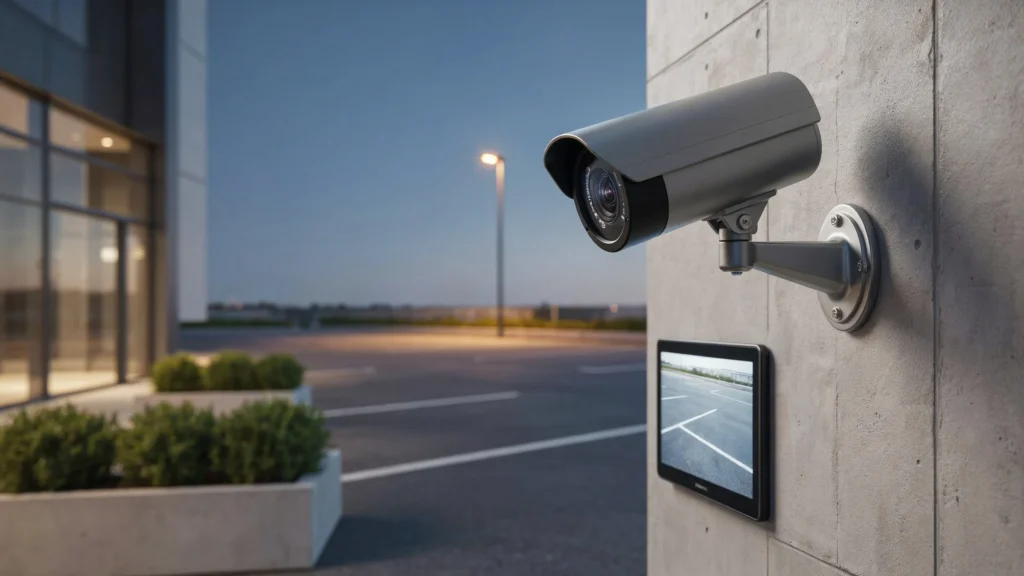
Up in smoke. Not enough light can lead to grainy video. Rather than making the images brighter, 3D DNR weighs the data from a number of frames and tries to determine whether the video is noise or real movement.
The result can be
- Cleaner nighttime footage
- Reduced graininess
- Better image clarity
- Improved detail in low-light scenes
- More stable-looking video
What Does 3D DNR Mean?
DNR stands for Digital Noise Reduction.
What is meant by “3D”? 3D” in the noise reduction solution means the technology processes information through the image as well as the information spread through different frames. This is different from 2D noise reduction, which mainly processes the information based on one frame.
In CCTV systems, all camera manufacturers often utilize different algorithms in addition to different degrees of DNR processing.
How 3D DNR Works in Security Cameras
Can’t Wrap Your Head Around How 3D DNR Is Used in Security Cameras? Think About How a Video Is Recorded.
The camera takes many shots. In darkness, a few pixels can shift randomly from shot to shot, which can cause noise.
3D DNR analyzes data across frames. When a pixel undergoes a change but there’s no real motion, our processor can cut down on the change.
A Simple Example
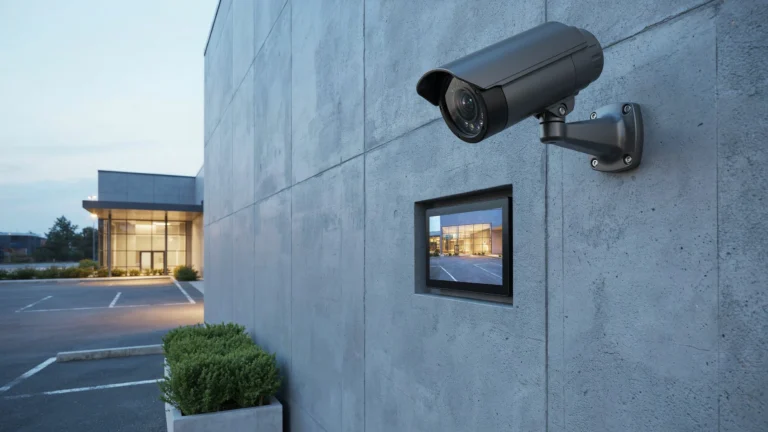
Picture a security camera that is pointed at an empty parking lot at night.
If there is no noise reduction, it will look like
- Grainy
- Speckled
- Flickering
- Less detailed
Through 3D noise reduction, the camera can analyze adjacent images and eliminate some of the visual interference to obtain a clearer picture.
3D DNR vs. 2D DNR
Both technologies are designed to reduce image noise, but they process video differently.
| Feature | 2D DNR | 3D DNR |
| Frame analysis | Primarily individual frame | Multiple frames |
| Noise reduction | Spatial processing | Spatial and temporal processing |
| Low-light improvement | Yes | Yes |
| Motion handling | Generally simpler | More advanced |
| Potential benefit | Cleaner individual images | Cleaner and smoother video |
3D DNR is able to implement stronger noise reduction because it takes data from multiple frames.
HOWEVER, processing can sometimes impact moving objects, so good design and suitable settings are essential.
Benefits of 3D Noise Reduction Technology
The purpose of 3D noise reduction is to improve recording quality by reducing unwanted visual noise and making footage clearer. If you are planning security camera installation Indianapolis, choosing cameras with effective noise reduction can help produce clearer footage, especially in low-light areas.
1. Clearer Low-Light Footage
As there’s less available light, noise can become more apparent. 3D DNR can cut down some of this noise and make the footage more viewable.
2. Better Image Quality
Less visual noise can make the relevant details of an image more prominent and easier to read, especially in shadows.
3. Improved Nighttime Monitoring
Security Camera Nighttime: A lot of security cameras function during the night. Digital noise reduction keeps video cleaner as lighting conditions change.
4. More Efficient Video Compression
Too much image noise may reduce the efficiency of video compression, since the encoder will have to work harder to encode the additional variation.
Avoiding excessive noise might also help to generate less complex video files, but the storage and bandwidth effects are variable according to the encoding at the camera and the broader system.
5. More Comfortable Video Viewing
Noisy Video: Reducing noise can make your video appear clean and more stable. Heavy grain and flickering can be a distraction to those watching your security video.
Digital Noise Reduction in CCTV: When Is It Useful?
The digital noise reduction feature of CCTV can be especially helpful in areas with low lighting or inconsistent lighting throughout the day.
Common examples include:
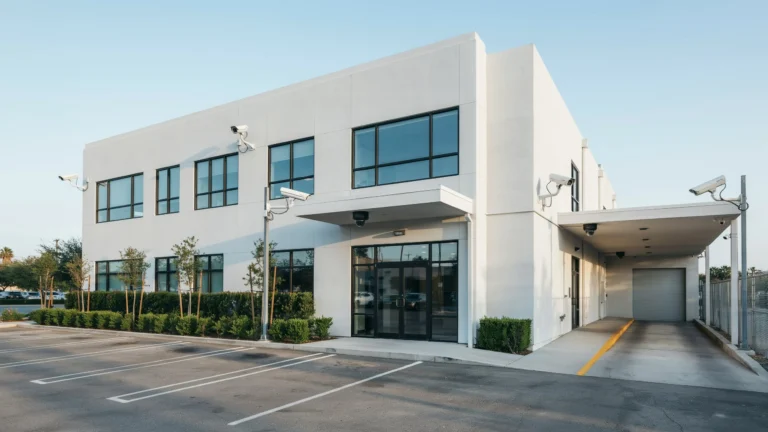
- Parking lots
- Building entrances
- Warehouses
- Hallways
- Residential driveways
- Commercial properties
- Outdoor areas
- Streets and access points
It may be most helpful when the necessity arises for cameras to capture operational footage during the day and the night.
Does 3D DNR Improve Night Vision?
You can enhance your low-light videos, but this won’t turn darkness into light.
This distinction is important.
3D DNR removes noise from the image. It is not a replacement for infrared, visible light, or a camera with a low-light sensor.
Here are some other features that may matter for nighttime security:
Infrared LEDs
Sensor sensitivity
Wide dynamic range
Lens aperture
Image-processing quality
Available ambient lighting
Devices with great 3D DNR but potentially limited low-light hardware may still deliver some footage at night.
Can 3D DNR Affect Moving Objects?
Yes, it can, especially at high noise-reduction levels.
With 3D DNR referencing other frames, sudden motion can cause artifacts if the image-processing chip struggles to differentiate noise from moving objects.
Possible effects can include:
- Motion blur
- Smearing
- Loss of fine details
- Ghost-like artifacts
It’s because of this that today’s security cameras are combined in such a way as to optimize a trade-off between motion detection, image resolution, and noise reduction.
Camera configuration should be available so that operators or installers can manipulate the image processing to match the surveillance environment.
3D DNR and CCTV Storage
Noise reduction may additionally have a side impact on video storage.
Very noisy footage has a great deal of alteration in the visual data. When you are compressing noisy footage, more data may be needed to encode this.
Minimize silence so it requires less to compress.
With this in mind, you should not select a CCTV camera simply based on its DNR specification. Storage needs are also influenced by:
- Resolution
- Frame rate
- Video compression format
- Bitrate
- Number of cameras
- Recording schedule
- Scene movement
Should You Turn 3D DNR On or Off?
If you are stuck in auto-focus modes on newer cameras, you need to activate 3D DNR. Your camera should be unaffected by other settings like Motion Adaptive.
But new models don’t require auto-focus modes, and you’re unsure whether you should switch 3D DNR off or leave it on.
3D DNR is generally helpful when recording conditions are not favorable, such as high noise or darkness.
But it all depends on the situation.
Use stronger DNR when:
- The scene is dark
- There is significant image grain
- The camera monitors mostly stationary areas
- Clearer low-light footage is the priority
Reduce DNR when:
There is frequent movement.
Fine details are important.
Moving subjects appear blurred or smeared.
The footage looks overly processed
The goal isn’t to get the highest DNR setting. The goal is to find the setting that delivers the clearest usable footage.
What Other Camera Features Work With 3D DNR?
3D DNR is just one component of a modern security camera’s image-processing capabilities.
Check out the other features for improved overall surveillance effectiveness.
Wide Dynamic Range
WDR assists the camera with extremely bright and extremely dark areas of a scene, i.e., a camera at an entrance with a bright background of sunlight behind a person.
Infrared Night Vision
IR (Infrared) allows cameras with IR to be used in very low-light / dark environments.
Low-Light Sensors
Good image sensors gather more information in a digital format before noise reduction.
Smart Exposure
Exposure controls are used to maintain a good level of brightness/darkness and detail as lighting conditions change.
Together, these technologies can also produce results that are superior to those obtained by DNR alone.
How to Choose a Security Camera With 3D DNR
Do not just read the DNR number in the manual when comparing cameras.
Consider the entire imaging system.
Look for:
- Good low-light performance
- Appropriate resolution
- Quality image sensor
- Effective IR night vision
- WDR for challenging lighting
- Adjustable DNR settings
- Suitable lens and viewing angle
- Reliable video compression
- Appropriate storage capacity
The most suitable camera is the one that is most appropriate to its location and that is capable of capturing the information you require from the recorded footage.
Is 3D DNR Important for Security Cameras?
Yes, 3D DNR can make a difference for most surveillance use cases, especially when recordings are made in dark or noisy conditions. However, it is an image-processing aid, not the only factor that determines camera quality. Cam Security Surveillance can help you choose a security camera with the right features for your property’s lighting and surveillance needs.
Camera sensor specifications. Subjectively, a camera with high sensor performance, acceptable light conditions, installed correctly, with appropriately set image parameters will tend to deliver superior surveillance video quality than one which depends on noise reduction.
Key Takeaways
- Noise Reduction Using 3D Noise Reduction: Security cameras analyze image information from various sequential frames in order to reduce visual noise.
- 3D DNR can make low-light and nighttime footage look better.
- 3D DNR is distinct from 2D noise reduction, as it considers the temporal data from multiple frames.
- The removal of high noise may have an impact on moving objects and fine details.
- DNR supports the camera’s features like IR night vision, WDR, and low-light sensors.
- The optimal DNR level will vary depending on the presence of light and movement.
- Consider the camera as a whole, not just DNR.
Conclusion
What is 3D noise reduction? 3D noise reduction is an image-processing technique to eliminate visual noise, utilizing cross-frame analysis of data from multiple images. This can result in more usable footage, providing enhanced video quality in nighttime or foggy conditions.
3D DNR is a feature that can be used for CCTV, but only in conjunction with decent sensors, lighting, night vision, WDR, and the right placement of the camera. Ensuring these things are in the right place will give you the clearest and most reliable footage.
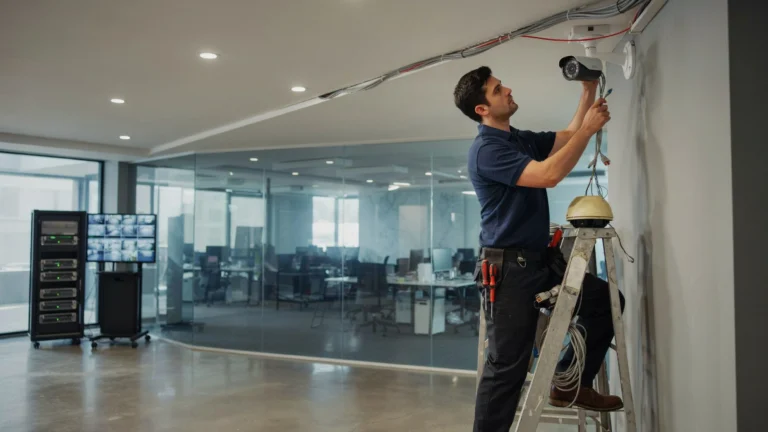
Want some help in selecting the right CCTV system for your property, or assistance with installation? Contact Cam Security Surveillance. We can help you assess your security surveillance needs and recommend a security camera system.
Frequently Asked Questions
What does 3D DNR mean in CCTV?
3D DNR? 3D DNR refers to 3D Digital Noise Reduction. It is a form of digital image processing that utilizes the data from a number of frames of the recording to remove unwanted noise from an image.
Is 3D DNR better than 2D DNR?
3D DNR offers better noise reduction by making use of multiple frames. Its level of performance depends on the camera’s processing technology and the situation it is used in.
Does 3D DNR improve night vision?
It may help to clean up footage in low-light conditions, improving the image with less noise, but it is not a substitute for an IR light or a solid low-light image sensor.
Can 3D DNR make CCTV footage blurry?
Moving a subject too much in a DNR image can make it look smudged or blurry. Balancing the quality of the picture against the signal-to-noise ratio is managed by your camera.
Is 3D DNR important in outdoor security cameras?
It works well for outdoor cameras, especially when they are used in low-light conditions. It should be noted that factors like weather protection, lighting, sensor quality, IR range, WDR, and proper installation also affect the camera’s performance.
Does 3D DNR reduce CCTV storage?
It can assist to mitigate unwanted image variation that can impact compression efficiency, but storage requirements primarily depend on resolution, bitrate, frame rate, compression method, how often you record, and how much activity is in the scene.