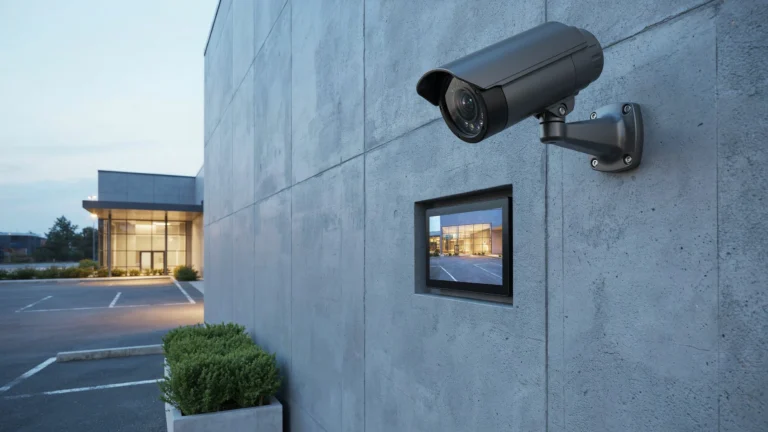

CCTV footage does not always disappear after 30 days. Most systems overwrite older recordings when storage becomes full, while cloud systems follow their own retention plans. The actual retention time depends on storage size, camera count, video quality, and recording mode.
So, What Happens to CCTV After 30 Days? In most cases, older footage is overwritten or removed when the storage limit is reached. If you need a recording for an incident, save it before the system replaces or expires it.
Does CCTV Footage Automatically Delete After 30 Days?

A common belief is that every CCTV system deletes footage after exactly 30 days. That is not how most systems work. The answer depends on how the system stores video. A DVR or NVR usually records video to an internal hard drive. When the drive becomes full, the system starts replacing the oldest recordings with new ones.
This is called automatic overwriting. For example, imagine a security system can hold 30 days of continuous video. On day 31, the system does not simply stop recording. It may record new video while removing the oldest available footage. Cloud cameras work differently. A cloud provider may keep recordings for a fixed number of days based on the user’s plan. Once that period ends, the video may expire automatically.
So, when asking does cctv footage get deleted automatically, the answer is often yes, but the exact process depends on the storage method and system settings. Some systems also let users lock or protect important recordings. Protected clips may remain available until someone removes them or storage rules change.
How Long Does CCTV Footage Usually Stay?
There is no single retention period that applies to every CCTV system. A home camera might keep footage for several days, while a business system may be designed to retain recordings for 30, 60, or 90 days. Larger systems can keep footage even longer when they have enough storage. The key factors include:
- Number of cameras
- Camera resolution
- Frame rate
- Recording mode
- Hard drive capacity
- Video compression
- Motion detection settings
- Cloud storage plan
For example, eight cameras recording 24 hours a day will use storage much faster than four cameras recording only when motion occurs. The term cctv camera storage capacity in days is useful, but it should not be treated as a fixed specification. Storage capacity in days changes based on how much video each camera produces. A 4K camera can use far more storage than a 1080p camera. A camera recording continuously can also use much more space than one recording only after motion is detected.
What Happens to CCTV Footage After 30 Days?
What Happens to CCTV After 30 Days? Usually, nothing special happens on the 30th day itself. The important point is whether the system has reached its storage limit or its cloud retention limit. For a DVR or NVR, the oldest recordings are normally overwritten first. New recordings continue taking their place. For a cloud camera, recordings may expire when the provider’s retention period ends. The exact rules depend on the service and subscription. For example, suppose your system stores about 35 days of video. Footage from 30 days ago may still be available on day 31. If the system can hold only 20 days, footage from 30 days ago may already be gone.
If you are setting up cameras for a home or business, the storage plan should match how long you actually need recordings. A professional security camera installation Indianapolis service can help select the right cameras, recorder, hard drive, and recording settings for your needs.
Can CCTV Footage Be Recovered After 30 Days?
Sometimes, but there is no guarantee. The most important difference is between expired footage and overwritten footage. If a cloud provider still has the recording, it may be possible to retrieve it through the normal account or support process. If a DVR or NVR has not overwritten the recording, the footage may still be available on the hard drive. Once new video has overwritten the old recording, recovery becomes much more difficult. In some cases, the original video may no longer be usable.
This also answers a common question: can i get cctv footage from 5 months ago? You can only get five-month-old footage if your system or storage provider still has it. A typical small system that retains 30 days of video will not normally have footage from five months ago. A business with a large storage system, archived recordings, or another backup may have a much longer retention period. Do not wait until footage is about to disappear if it may be important. Export and preserve it as soon as possible.
What Factors Determine CCTV Storage Time?

1. Hard Drive Capacity
Storage size is one of the biggest factors. A DVR with a larger hard drive can store more video before old recordings are overwritten. However, adding storage does not automatically mean unlimited retention.
2. Number of Cameras
Every camera adds video data to the system. A four-camera setup usually uses less storage than a 16-camera setup with the same recording settings.
3. Video Resolution
Higher resolution creates larger video files. A 4K camera can produce much more data than a 1080p camera. If you want longer retention, storage must be sized for the selected resolution.
4. Continuous Recording
Continuous recording captures video around the clock. This gives you a complete record but uses storage quickly. It can reduce the number of days available on a fixed-size hard drive.
5. Motion Detection
Motion recording saves video when activity is detected. This can greatly reduce storage use when cameras spend much of the day viewing empty areas. It may also increase the number of days stored.
6. Frame Rate
Higher frame rates create smoother video but require more data. The correct setting depends on the area being monitored and the level of detail needed.
7. Video Compression
Modern systems use video compression to reduce file sizes. Technologies such as H.264 and H.265 can help systems store more video without increasing hard drive size.
How to Keep CCTV Footage for More Than 30 Days
If 30 days is not enough, you have several options.
Increase storage capacity: A larger hard drive can provide more recording days.
Use motion recording: This can reduce storage use in areas with limited activity.
Add cloud backup: Cloud storage can provide another copy of important recordings.
Export important clips: Save key recordings to a computer or other approved storage device.
Use a dedicated archive: Businesses with longer retention needs can move important footage into separate storage.
Review recording settings: Lowering resolution or frame rate may increase retention, but avoid reducing quality below what your security needs require. The goal is not simply to store video for as long as possible. The goal is to keep useful footage for the period you actually need.
How to Check How Many Days Your CCTV Records
You can usually check retention directly through your DVR, NVR, or camera app. Start by opening the recording or storage menu. Look for information about the hard drive, available space, and recording schedule. Another simple method is to check the earliest recording currently available.
For example, if today’s date is September 2 and the earliest recording is August 10, your system currently holds about 23 days of footage. Retention can change from week to week. A quiet week with little motion may produce fewer recordings than a busy week. Also check whether some cameras record continuously while others use motion detection.
What Should You Do If You Need CCTV Footage Before It Is Deleted?
Act quickly. First, identify the exact date and time of the incident. Then locate the recording using the DVR, NVR, or camera app. Export the relevant clip before the system overwrites it. When possible, keep the original exported file and create a backup copy. Avoid editing the only copy of the footage.
For business incidents, record useful details such as:
- Date and time
- Camera number
- Location
- Incident type
- Export date
- Person who exported the footage
If the footage may be needed for a police report, insurance claim, workplace investigation, or legal matter, keep the original file secure. It is also wise to check the system clock. Incorrect date or time settings can make footage difficult to locate.
CCTV Retention for Homes vs. Businesses
Home and business systems often have different storage needs.
Residential CCTV
A homeowner may only need enough storage to review recent activity around doors, driveways, garages, or other areas. Motion detection can work well for many residential systems because cameras may not need to record nonstop. A homeowner should still save important clips quickly. A recording of a package theft or property damage may disappear if the system overwrites it.
Commercial CCTV
Businesses often monitor more cameras and larger areas. They may also need longer retention for security reviews, incidents, or internal policies. A commercial system should be designed around the number of cameras, recording schedule, storage capacity, and required retention period.
Businesses should also control who can access, export, or delete recordings. The right retention period depends on the business and its needs. It should not be chosen simply because 30 days is a common number.
How Can You Prevent Important CCTV Footage From Being Lost?
The best protection is a clear storage and backup plan.
Check your system regularly and confirm that recordings are still being saved. A failed hard drive can create a serious gap even when the cameras appear to be working.
You should also:
- Check hard drive health
- Test video playback
- Monitor available storage
- Confirm the correct date and time
- Review overwrite settings
- Back up important recordings
- Protect exported files
- Use backup power for critical equipment
If an incident occurs, do not assume the footage will remain available.
What Happens to CCTV After 30 Days? depends on the system, but one rule is simple: footage that matters should be preserved before normal retention removes it.
A Simple Example of CCTV Retention
Consider a small store with eight 1080p cameras. The cameras record continuously. The recorder has a fixed amount of storage and can hold around 30 days of video. On day 31, the recorder does not create a permanent “30-day archive.” Instead, it starts using the space occupied by the oldest recordings.
A theft that happened 10 days ago should still be available. A theft that happened 45 days ago may not be available unless the system has enough storage or the footage was backed up. Now consider the same store with a larger storage drive. It might retain 60 or 90 days instead. This example shows why retention is based on system design, not a universal 30-day rule.
Conclusion
What Happens to CCTV After 30 Days? depends on how the system stores and manages video. DVRs and NVRs commonly overwrite the oldest footage when storage fills up. Cloud systems may remove recordings after their set retention period. There is no universal rule that every CCTV recording disappears after 30 days. Storage capacity, camera resolution, recording mode, camera count, and cloud settings all affect retention.
If you need footage for an incident, save it before the normal retention cycle removes it. For homes and businesses, choosing the right storage capacity from the start can help prevent important recordings from being lost. Cam Security Surveillance can help design a CCTV setup based on your camera count, coverage needs, and desired recording period. Contact us today to discuss your security camera and recording storage needs.
FAQs
Does CCTV footage get deleted automatically?
Yes, many CCTV systems automatically overwrite or expire older footage. DVRs and NVRs commonly overwrite old recordings when storage becomes full. Cloud cameras may delete recordings after the provider’s retention period.
How many days does CCTV footage delete?
There is no fixed number for every system. Some systems retain footage for a few days, while others can store 30, 60, 90 days, or longer. Storage size and recording settings determine the actual period.
Can I get CCTV footage from 5 months ago?
Only if the recording still exists. A system with 30 days of storage usually will not have footage from five months ago. An archived copy or larger storage system may still contain it.
Does CCTV automatically delete after 30 days?
Not always. Thirty days is often a selected retention period, not a universal CCTV rule. A system may retain footage for less or more than 30 days.
What happens when a CCTV hard drive becomes full?
Most DVRs and NVRs use an overwrite feature. The system removes or replaces the oldest recordings as new video is stored.
Can deleted CCTV footage be recovered?
Recovery depends on how the footage was deleted and whether new recordings have overwritten it. Once an old video has been overwritten, recovery may be difficult or impossible.
How can I store CCTV footage for 90 days?
You can increase hard drive capacity, reduce unnecessary recording, use motion detection, add suitable network storage, or use cloud backup. The correct solution depends on the cameras and recording settings.
How do I save CCTV footage permanently?
Export important footage to separate storage and keep a backup. Do not rely on the CCTV recorder alone for permanent storage because normal recording can eventually overwrite older footage.