
CCTV cameras help protect homes, businesses, parking areas, and other properties. But installing a camera does not mean you can record everything around you. Privacy, audio, storage, access, and camera placement can all create legal concerns.
So, What Are the New Rules for CCTV Cameras? The answer depends on where you live and how the system is used. In Indiana, owners should pay close attention to privacy, private areas, audio recording, data security, and responsible footage handling.
What Are the New Rules for CCTV Cameras?
There is no single new CCTV rule that applies to every home and business in the United States. CCTV camera rules can come from state laws, local rules, privacy laws, workplace rules, property agreements, and other requirements.
For Indiana property owners, one important point is clear: cameras should not be used to secretly capture people in areas where they reasonably expect privacy. Indiana law addresses voyeurism involving occupied dwellings and areas such as restrooms, baths, showers, and dressing rooms. Using a camera in prohibited circumstances can create serious legal problems.
Businesses should also consider how recorded information is stored and protected. Indiana’s Consumer Data Protection Act took effect January 1, 2026, but it applies only to covered organizations that meet its requirements and thresholds. It is not a blanket CCTV law for every small business or homeowner.
The safest approach is simple: use cameras for a clear security purpose, limit what they capture, protect recordings, and check the laws that apply to your property.
Where Can You Legally Install CCTV Cameras?
Cameras are commonly installed at locations such as:
- Front and back entrances
- Driveways
- Garages
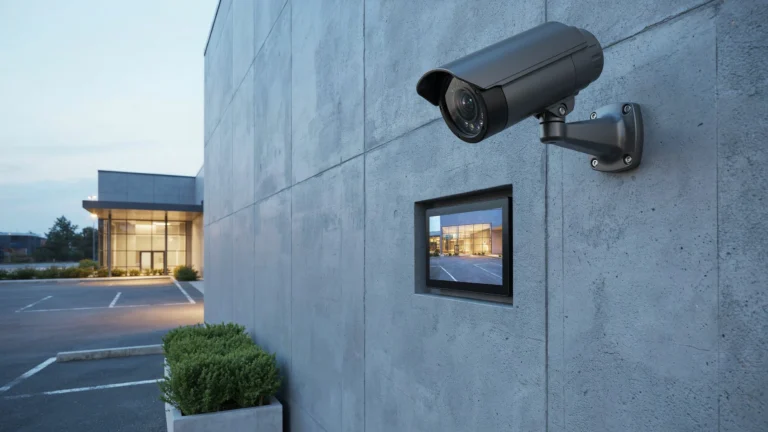
- Parking lots
- Building entrances
- Hallways and other appropriate common areas
- Loading areas
- Outdoor property boundaries
The camera should be aimed at the area you actually need to protect.
For example, a camera above a front door can monitor visitors and deliveries. It does not need to point directly into a neighbor’s bedroom window. A parking lot camera can monitor vehicles without unnecessarily recording private indoor spaces. The location matters because privacy expectations change from one place to another.
Can CCTV Cameras Record Your Neighbors?
A security camera may capture part of a neighboring property, street, or sidewalk. That does not automatically make the camera illegal. The important issue is what the camera is intended to capture and whether it records areas where people have a reasonable expectation of privacy.
Avoid pointing cameras directly into:
- A neighbor’s bedroom
- Bathroom windows
- Private enclosed areas
- Areas used for changing clothes
- Other spaces where privacy is expected
Use privacy masking or adjust the viewing angle when your camera captures more than you need. A practical example is a driveway camera. If its wide-angle lens also captures part of the neighbor’s yard, changing the angle or applying a privacy zone can reduce unnecessary recording.
Are CCTV Cameras Allowed to Record Audio?
Audio needs extra care. Video and audio are not always treated the same way under surveillance and recording laws. A camera that records sound may capture private conversations that the video alone would not capture.
Indiana’s wiretap law has rules concerning the interception of communications and consent. Indiana court decisions have also discussed the state’s consent rules for recorded communications.
Because audio laws vary by situation and jurisdiction, do not assume that turning on a microphone is harmless. If audio is not needed for your security goal, disabling the microphone can reduce privacy risk. If audio is important for a business or other setting, review the applicable law before enabling it.
Do You Need to Tell People About CCTV Cameras?
There is no universal rule requiring the same CCTV sign in every private home. Businesses, apartment buildings, workplaces, and other shared properties may face different notice and privacy requirements. A clear sign can also help people understand that surveillance is taking place.
A useful notice may state that video surveillance is in use and identify the organization responsible for the system. For businesses handling personal information, privacy notices can also matter. Indiana’s privacy guidance encourages organizations to explain what information they collect, why they use it, how it is stored, and whether it is shared with others. A sign should not be treated as permission to record people in places where recording is prohibited.
How Long Can CCTV Footage Be Stored?
There is no single storage period that works for every CCTV system. Your retention period should match the purpose of the cameras. A small home system may overwrite old recordings after several days or weeks. A business may need a different period based on its security needs, policies, contracts, or legal obligations.
Do not keep footage forever just because your hard drive or cloud plan allows it.
A useful policy is to decide:
- Why the footage is being recorded.
- How long it is normally needed.
- Who can access it.
- When old footage should be deleted.
- When footage must be preserved because of an incident.
Privacy guidance from the UK’s Information Commissioner’s Office follows a similar principle: surveillance footage should not be retained longer than needed for its purpose.
Who Can Access CCTV Footage?
CCTV footage should not be available to everyone who can reach the recorder. Use separate user accounts where the system supports them. Strong passwords and multi-factor authentication can also reduce the chance of unauthorized access.
For a business, access might be limited to:
- Security managers
- Authorized owners
- Specific employees
- Designated IT staff
- Approved investigators
Do not share footage through public social media unless you have a clear legal and legitimate reason. Cloud-connected cameras also need account security. NIST guidance on IoT devices highlights the need to consider cybersecurity requirements when devices are purchased and connected to larger systems.
What Are the Rules for CCTV in Businesses?
Businesses should think about CCTV as both a security system and a source of recorded information.
Before installing cameras, decide:
- What security problem the camera solves
- Which areas need coverage
- Who will view recordings
- How long footage will be stored
- Whether audio is necessary
- How footage will be protected
- What happens when an employee leaves
Camera placement should also match the stated security purpose.
For example, cameras at entrances can help document visitors. Cameras in a warehouse can monitor stock and access points. Cameras in employee areas require more care because workplace privacy concerns may apply.
Businesses that meet the requirements of Indiana’s Consumer Data Protection Act should also review their broader privacy obligations. The law generally applies based on data-processing thresholds and other conditions, so not every business is covered.
What Are the Rules for CCTV in Apartments and Rental Properties?
Apartment surveillance can be more complicated because several groups may be involved. A landlord, property manager, tenant, security company, or homeowners association may have different responsibilities. Cameras in shared areas such as entrances, parking lots, and common walkways may serve a clear security purpose. Cameras aimed into private living spaces create much greater privacy concerns.
Tenants should also check lease terms and property policies before installing exterior cameras.
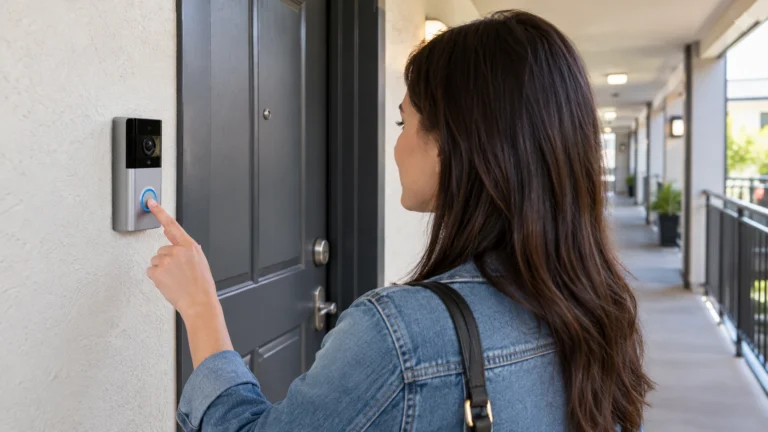
For example, a tenant who wants a doorbell camera should consider whether it records a shared hallway or a neighbor’s doorway. The camera can often be adjusted to cover the tenant’s entrance without recording more than necessary.
Can You Use CCTV Footage as Evidence?
CCTV footage can help document incidents such as theft, vandalism, property damage, or unauthorized entry. If an incident occurs, preserve the original recording. Avoid editing the only copy. Save relevant footage with the date, time, camera location, and other useful details.
If the recording may be needed for a legal case, ask the appropriate attorney or law enforcement agency how it should be preserved and provided. A recording is not automatically valid evidence simply because it came from a CCTV system. Legal questions can depend on how it was obtained, stored, authenticated, and presented.
New CCTV Rules for Homeowners: What Should You Check?
Before installing a camera, use this simple checklist:
- Does the camera mainly cover your property?
- Does it capture a private area?
- Is audio recording necessary?
- Does your property have HOA or rental restrictions?
- Do visitors need a notice?
- Who can access the footage?
- How long will recordings remain stored?
- Is remote access protected?
- Are cameras and firmware kept updated?
- Do local laws impose additional requirements?
These basic checks can prevent many common problems. You may also see technical phrases such as nrbes ip cctv compliance in searches or product discussions. Treat such phrases carefully. A product label or compliance claim does not automatically prove that your complete CCTV installation meets every legal requirement.
How to Install CCTV Cameras While Protecting Privacy
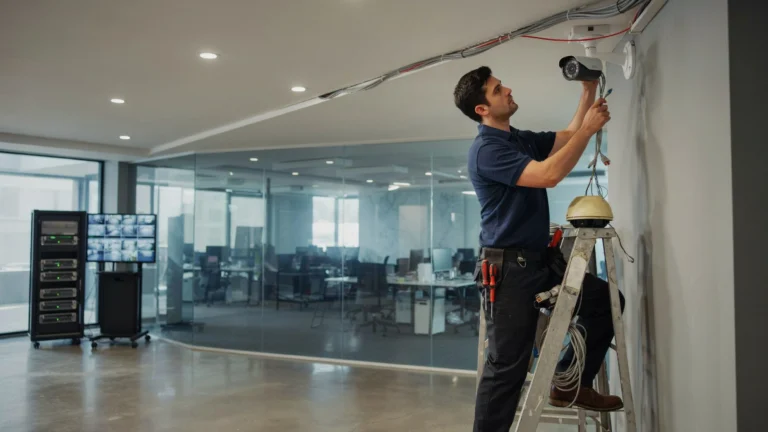
Good installation starts before the camera is mounted. First, identify the areas that need protection. Then choose camera locations that provide useful coverage without recording unnecessary private spaces. For homes and businesses, professional planning can also help reduce blind spots. The installer should consider camera height, viewing angle, lighting, network connection, recording equipment, and remote access.
If you need security camera installation Indianapolis, Cam Security Surveillance can help plan camera coverage around your property and install the system based on your security needs.
A proper installation should also include basic security steps. Change default passwords, use secure network settings, update supported equipment, and limit access to trusted users. The goal is not to record everything. The goal is to record the right areas for a clear security purpose.
CCTV Rules and Regulations: A Practical Approach
The main cctv rules and regulations can vary widely between locations. That is why online advice should not replace checking the actual law that applies to your property. A homeowner in Indiana may have different requirements from a business in another state or a company operating across several states.
For most property owners, four areas deserve attention:
Privacy: Avoid recording places where people reasonably expect privacy.
Audio: Check consent laws before recording conversations.
Security: Protect stored footage and camera accounts from unauthorized access.
Retention: Keep recordings only as long as needed for the stated purpose.
These principles provide a useful starting point even when local requirements differ.
CCTV Requirements for a New Installation
Before buying a system, create a simple list of your cctv requirements. Consider how many areas need coverage, whether you need night vision, how long recordings should remain available, whether you need remote viewing, and whether wired or wireless cameras fit the property.
For a network-based system, also check the security features of the camera, NVR, app, and cloud service. Do not choose equipment only because it has more cameras or higher resolution. The system should match the property and the reason you are installing it.
Conclusion
The question What Are the New Rules for CCTV Cameras? does not have one answer for every location. Rules can depend on privacy laws, audio recording, property type, data practices, and local requirements. For Indiana homeowners and businesses, careful camera placement is especially important. Avoid private areas, review audio settings, protect recordings, limit access, and create a sensible retention policy.
CCTV should provide security without collecting more information than necessary. If you are planning a new system, professional design and installation can help you get useful coverage while respecting privacy. Cam Security Surveillance provides professional security camera solutions for homes and businesses in Indianapolis and surrounding areas. Contact us today to discuss your security camera needs and plan the right system for your property.
FAQs
What are the new rules for CCTV cameras?
There is no single nationwide CCTV rule. Requirements can vary by state, local area, property type, and whether the system records video, audio, or other personal data.
Is it legal to have CCTV cameras around my house?
In many cases, homeowners can use cameras to protect their property. However, cameras should not be aimed at private areas where people have a reasonable expectation of privacy.
Can my CCTV camera point at my neighbor’s property?
A camera may unintentionally capture part of a neighboring property, but you should avoid unnecessary recording of private areas. Adjust the camera or use privacy masking when possible.
Is CCTV audio recording legal?
Audio recording can involve different consent rules from video recording. Check the law that applies to your location before enabling the microphone.
How long should CCTV footage be kept?
Keep footage for as long as it serves a legitimate security or legal purpose. Avoid keeping recordings indefinitely just because your storage system allows it.
Do businesses need CCTV warning signs?
Requirements vary by location and situation. Businesses should review applicable privacy, workplace, and local rules and consider clear notices where appropriate.
What are the main CCTV requirements for businesses?
Businesses should consider camera placement, privacy, audio, storage, access control, cybersecurity, retention, and any laws that apply to the organization and the information it processes.
Can CCTV footage be used as evidence?
It can help document an incident, but its use in a legal case depends on factors such as how it was recorded, preserved, authenticated, and presented.