Security systems look simple on the surface, but the terms behind them can confuse most users. Words like DVR, NVR, FPS, and IR decide how your system performs, stores video, and captures detail. Knowing these terms helps you avoid wrong purchases and weak setups.
It refers to the basic and advanced words used in CCTV and surveillance systems. These terms explain how cameras record, store, and transmit video. This guide breaks everything into simple meaning so you can choose the right system with confidence and clarity.
What Are Security Camera Terminologies?

What Are Security Camera Terminologies?
Security systems use technical words to describe how cameras work. This is known as Security Camera Terminology.These terms explain resolution, storage, video quality, and network systems. Without understanding them, users often pick the wrong setup.
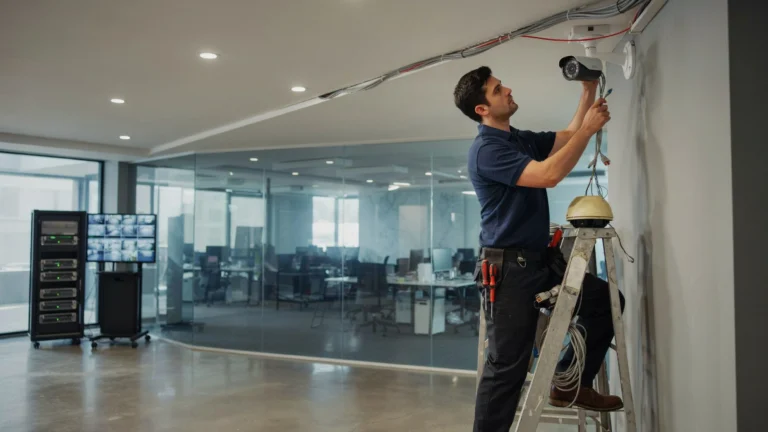
In real projects like security camera installation indianapolis, professionals like Cam Security Surveillance always explain these terms before installation. This ensures clients understand what they are getting and how the system performs in real conditions.
The same applies to cctv camera terminology, which helps connect hardware and software in a clear way.
Basic Security Camera Terms You Should Know
These are the most common surveillance camera terminology terms you will see.
Resolution
This shows image clarity. Higher resolution means sharper and more detailed video. It helps you see small objects like faces, number plates, and fine movements more clearly. Low resolution looks blurry, while higher resolution gives a more accurate view of what is happening.
Field of View (FOV)
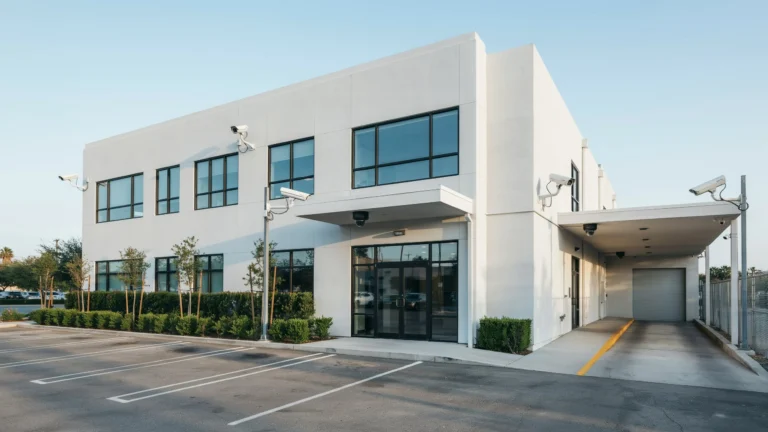
This tells how wide the camera can see. A wider field of view covers more area with a single camera, while a narrow view focuses on a specific spot. It is important for choosing the right coverage for homes, offices, or outdoor spaces.
Frame Rate (FPS)
FPS means how many images per second are recorded. Higher FPS gives smoother video playback and better motion clarity. Low FPS can make fast movement look choppy, while higher FPS keeps actions more natural and easy to follow.
Lens Type
The fixed lens stays in one view and cannot be changed after installation. Varifocal lens can zoom in and adjust focus, giving more control over what you want to monitor. Choosing the right lens helps improve coverage and detail.
Image Sensor
This part captures light and turns it into video. A better image sensor improves low-light performance and overall clarity. It plays a key role in how sharp and clear the final footage looks, especially in night or dark conditions.
These basic terms help you understand system quality before buying.
Recording and Storage Terms
Storage decides how long your footage stays safe.
DVR (Digital Video Recorder)
Works with analog cameras. It records video to a hard drive for later viewing. DVR systems convert analog signals into digital format so you can store and playback footage easily. They are commonly used in older CCTV setups and are still popular for basic security systems.
NVR (Network Video Recorder)
Works with IP cameras. It records digital video over a network instead of direct cables. NVR systems offer better video quality and easier installation compared to DVR. They also support remote access, which makes it simple to view footage from phones or computers.
Cloud Storage
Video is saved online on secure servers. You can access it from anywhere using the internet. Cloud storage is useful when you want backup protection in case the local system is damaged or stolen. It also allows easy sharing and remote monitoring.
Hard Drive Storage
Local storage inside the recorder. All footage is saved on an internal or external hard drive. More storage space means longer recording time before old data is replaced. This is a reliable option for users who prefer offline security systems.
Loop Recording
Old footage is automatically overwritten when storage is full. This ensures the system keeps recording without stopping. It helps maintain continuous surveillance, but important clips should be saved separately to avoid loss.
Understanding this part of Security Camera Terminology helps you avoid data loss.
Video Quality and Image Terms
Image quality affects how useful your footage is.
Night Vision (IR)
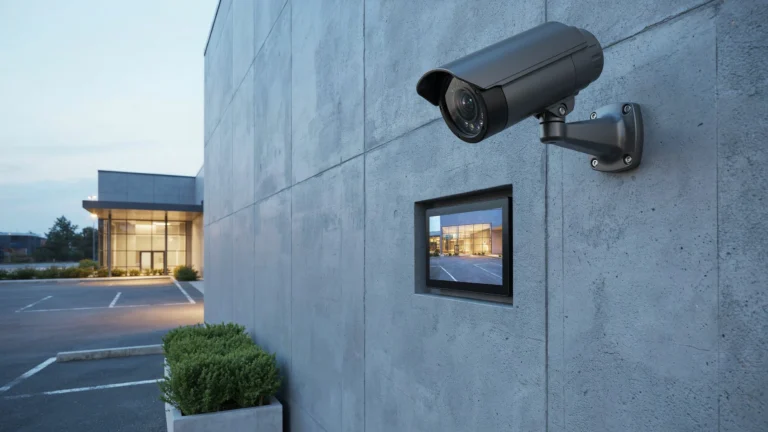
Infrared (IR) light helps cameras see in the dark when there is no visible light. It automatically turns on at night and allows the camera to capture black-and-white footage. This is important for outdoor security because it keeps recording even in complete darkness and low-light areas like yards, streets, or parking lots.
WDR (Wide Dynamic Range)
WDR balances bright and dark areas in one frame. It helps the camera handle tricky lighting situations, such as a bright window behind a person or sunlight coming from one side. Without WDR, parts of the image may look too dark or too bright. With WDR, details stay visible in both light and shadow.
HDR (High Dynamic Range)
HDR improves contrast and color balance in video. It makes images look more natural by adjusting brightness levels across the scene. This helps improve clarity in scenes with mixed lighting, so objects look more detailed and realistic compared to standard video output.
Compression (H.264 / H.265)
Compression reduces file size without losing too much quality. It helps save storage space and makes video easier to stream or upload. H.265 is more efficient than H.264, meaning it delivers better quality at smaller file sizes. This is important for long-term recording systems and cloud storage use..
These terms are important in cctv terminology because they directly impact clarity and storage use.
Connectivity and Network Terms
Modern systems depend on networks.
IP Camera
An IP camera sends video through the internet or a local network. It captures digital footage and delivers high-quality images. These cameras are easy to scale and support remote viewing from phones, laptops, or control systems. They are widely used in modern security setups because of their flexibility and clarity.
Wired Camera
A wired camera uses cables for a stable and direct connection. It provides strong signal quality with fewer interruptions compared to wireless systems. This makes it a reliable choice for areas where constant recording is important, such as offices, shops, and outdoor security points.
Wireless Camera
A wireless camera uses Wi-Fi for setup flexibility. It reduces the need for long cables and allows easier installation in different locations. However, it depends on strong internet signals for smooth performance. It is often used in homes where quick installation and flexibility are needed.
PoE (Power over Ethernet)
PoE uses one cable to provide both power and data. This reduces wiring clutter and simplifies installation. It also improves system stability because both power and video run through a single connection. PoE is commonly used in professional CCTV systems.
Network Bandwidth
Network bandwidth measures how much data your system can handle at one time. Higher bandwidth allows smoother video streaming and better image quality. If bandwidth is low, video may lag or drop in quality. It is an important factor in IP-based security systems.
These terms are key in modern Security Camera Terminology setups.
Motion and Detection Features
These features improve smart security.
Motion Detection
Motion detection allows the camera to record only when movement is detected. This helps save storage space and makes it easier to review important events. Instead of recording all the time, the system activates when something enters the frame, such as a person, vehicle, or object.
AI Detection
AI detection uses smart technology to identify what is in the video. It can tell the difference between humans, vehicles, and animals. This reduces unnecessary recording and improves accuracy. It helps users focus only on real security threats instead of random motion.
Smart Alerts
Smart alerts send instant notifications to your phone or device when something unusual happens. These alerts help you respond quickly to possible security issues. You can check live footage or recorded clips right away, which improves response time and safety.
False Alarm Reduction
False alarm reduction filters out unimportant triggers like wind, rain, or moving branches. It helps prevent unnecessary notifications that can be distracting. This feature makes the system more reliable by focusing only on meaningful movement and real activity.
These features make systems more efficient and reduce storage use.
Installation and Setup Terms
Installation terms affect system performance.
- Camera Placement
Correct angle ensures full coverage of the area. Good placement helps avoid blind spots and improves overall security monitoring. - Mounting Height
Height changes detection range and detail level. Higher placement covers a wider area, while lower placement captures more detail up close. - Power Supply
Cameras need stable power for continuous recording. A weak or unstable power source can cause interruptions or system failure. - Cabling Type
Coaxial or Ethernet cables affect signal quality. The right cable choice improves video stability, clarity, and overall system performance.
In real setups like security camera installation Indianapolis, technicians from Cam Security Surveillance plan placement carefully for full coverage.
Advanced Security Camera Features
Modern systems offer smart tools.
Remote Viewing
Remote viewing lets you watch live video from your phone, tablet, or computer. You can check your property anytime, even when you are not at home or office. It gives real-time access to camera feeds, which improves safety and control.
Mobile App Access
Mobile app access allows you to control camera settings from anywhere. You can adjust settings, view recordings, and manage alerts directly from your phone. This makes the system easy to use and flexible for daily monitoring.
PTZ Cameras
PTZ stands for Pan, Tilt, and Zoom. These cameras can move left, right, up, and down, and also zoom in on objects. You can control them remotely to focus on specific areas, which is useful for large spaces like parking lots or buildings.
Two-Way Audio
Two-way audio allows you to talk through the camera. It has a built-in speaker and microphone, so you can communicate with people near the camera. This feature is useful for home security, delivery instructions, or office communication.
AI Tracking
AI tracking automatically follows movement within the camera’s view. When a person or object moves, the camera adjusts to keep them in frame. This helps capture important activity without missing details, especially in active or wide areas.
These features improve control and response time in security systems.
Common Mistakes People Make
Many users misunderstand Security Camera Terminology and make errors.
- Choosing wrong resolution reduces detail
- Ignoring storage needs leads to lost footage
- Poor camera placement creates blind spots
- Mixing incompatible systems like DVR and NVR can cause issues
- Ignoring night performance reduces safety due to weak low-light recording
Avoiding these mistakes improves system reliability..
How to Choose the Right Security System
Choosing depends on your needs.
- Home Use
Focus on simple setup and easy mobile access for daily monitoring. Home systems usually need quick installation and user-friendly controls. - Business Use
Needs higher storage, better resolution, and wide coverage. Businesses also require reliable recording for long hours and multiple areas. - Outdoor Areas
Require weatherproof cameras and strong night vision support. These cameras must handle rain, dust, and low-light conditions without losing clarity. - Budget Planning
Balance quality and cost based on your needs. Spending wisely helps you get good performance without overpaying for unnecessary features.
Understanding surveillance camera terminology helps you compare systems correctly before buying.
Why Security Camera Terms Matter
Without knowing terms, users depend fully on sellers. This can lead to wrong decisions.
When you understand Security Camera Terminology, you can:
- Compare systems easily
- Avoid overspending
- Choose better quality
- Understand installation plans
Real-World Example
A homeowner in a mid-size property chose 1080p cameras without checking storage terms. The system stored only 3 days of footage.
After upgrading to 2K resolution with proper compression, storage improved to 10 days with better clarity. This shows how cctv camera terminology directly affects real performance.
Final Thoughts
Security systems are not just hardware. They depend on a clear understanding of terms. Once you learn the basics of Security Camera Terminology, you can choose smarter setups and avoid costly mistakes.
Whether it is home safety or business protection, knowing these terms gives you full control of your system.If you need help choosing the right security setup or understanding camera features, feel free to contact us for expert guidance and support.
FAQs
What is Security Camera Terminology?.
It is the set of technical words used in CCTV and surveillance systems. These terms explain how cameras work, how video is recorded, and how systems are set up. Understanding them helps users make better decisions when choosing or installing a security system.
Why is CCTV terminology important?
It helps users understand system quality, storage, and performance. When you know the terms, you can compare different systems easily and avoid buying the wrong setup. It also helps you understand what features you actually need.
What is the difference between DVR and NVR?
DVR works with analog cameras and records video using coaxial cables. NVR works with IP cameras and records digital video over a network. NVR systems usually offer better quality and easier remote access compared to DVR systems.
What does FPS mean in cameras?
FPS shows how smooth the video is by counting frames per second. Higher FPS means smoother motion and clearer action scenes. Lower FPS can make movement look choppy or less detailed, especially in fast-moving situations.
What is IR in security cameras?
IR stands for infrared, which is used for night vision recording. It allows cameras to capture clear footage in complete darkness or low-light conditions. This feature is important for 24/7 surveillance and outdoor security.