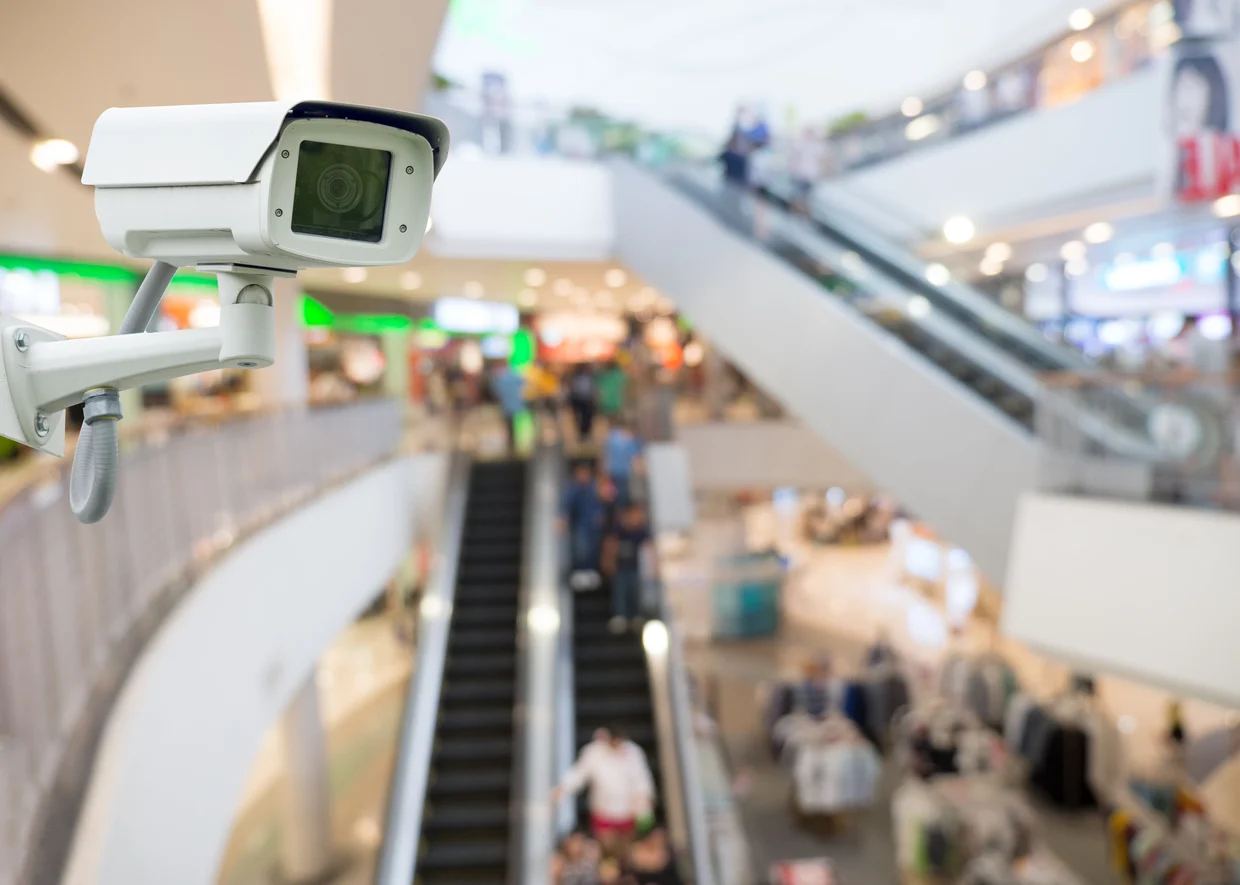
Retail security is no longer just about cameras pointing at entrances. Effective surveillance protects customers, employees, and valuable assets. A well-designed system deters theft, monitors crowds, and provides instant alerts in case of incidents.
For malls and large retail spaces, Shopping Mall Security Cameras Solutions combine AI capabilities, smart monitoring, and reliable hardware. These systems offer remote access, real-time alerts, and actionable insights, making it easier for managers to maintain safety while reducing operational challenges. Investing in the right solution ensures your mall remains secure and shoppers feel safe.
Objectives of the Security System
The main goals of a mall security system include preventing theft, ensuring customer safety, monitoring staff, and protecting property. AI-powered cameras detect unusual activities and notify staff instantly.
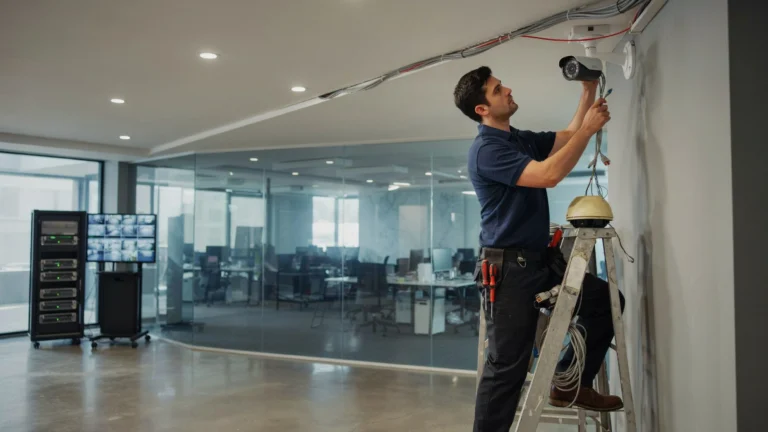
For businesses in Indianapolis, choosing a security camera installation business through Cam Security Surveillance ensures professional setup, optimized camera placement, and reliable monitoring. The system aims to reduce incidents, improve response times, and enhance overall operational efficiency while providing peace of mind for shoppers and staff alike.
Key Areas to Cover
When designing a shopping mall security system, focus on these critical areas:
Entry and Exit Points
Monitor all doors and main entrances to track traffic, identify unauthorized access, and maintain visitor records.
High-Value Zones
Protect cash registers, vaults, storage rooms, and inventory areas to prevent theft and internal mishaps.
Customer Spaces
Keep corridors, food courts, and atriums under surveillance to ensure safety and manage crowd flow efficiently.
Employee Areas
Monitor staff-only areas to maintain compliance with operational policies and ensure workplace safety.
Retail Coverage
Comprehensive camera coverage in malls enhances discount malls security cameras, maintaining shopper confidence and deterring criminal activity.
You May Also Read This: Grocery Store Cameras
Types of Security Cameras
Malls often use a combination of camera types to provide complete coverage:
Dome Cameras
Discrete, ceiling-mounted cameras that blend into the environment. Dome cameras provide wide coverage while remaining unobtrusive, making them ideal for hallways and common areas.
Bullet Cameras
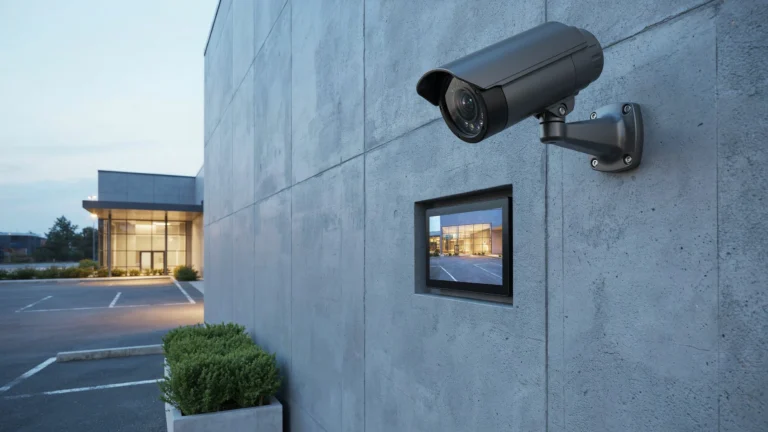
Long-range cameras designed for easy installation. Bullet cameras are perfect for entrances, corridors, and areas requiring directional focus, giving clear images of people and activity.
PTZ Cameras
Pan-Tilt-Zoom (PTZ) cameras can move horizontally and vertically while zooming in on areas of interest. They are excellent for monitoring large spaces like atriums, food courts, or event areas.
Mini AI Cameras
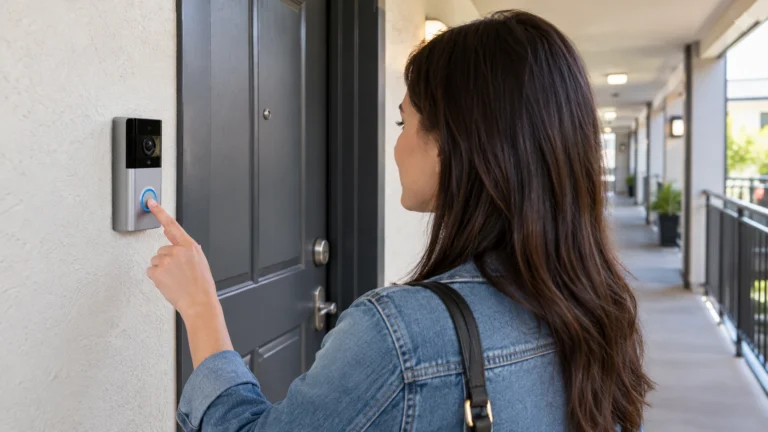
Compact and versatile, mini AI cameras fit small offices or confined spaces. Despite their size, they offer smart features such as motion detection and low-light recording, providing flexible monitoring options.
Retail & Mall Integration
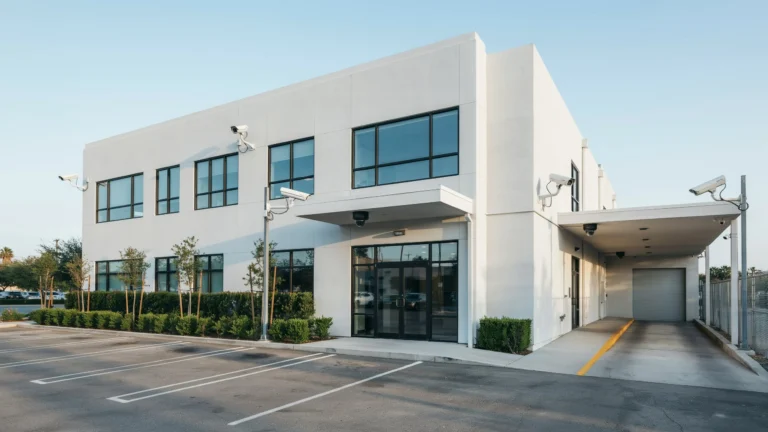
Many malls implement shopping center security camera solutions using multiple camera types to cover entrances, aisles, and storage zones effectively.
Advanced Features & Technologies
Modern mall cameras include AI and smart monitoring features:
- Facial Recognition: Identifies repeat visitors or staff.
- Behavior Analysis: Flags suspicious activity such as loitering or theft attempts.
- Object Detection: Detects abandoned items or unusual movements.
- Motion Tracking: Follows individuals automatically across multiple feeds.
- Remote Access: Enables managers to view live feeds and alerts on mobile devices.
These capabilities support shopping center remote surveillance by reducing manual monitoring and providing actionable insights.
System Architecture
A robust architecture ensures reliability and scalability:
Cameras
High-resolution lenses with AI processing capture sharp video, even in low-light conditions. This allows accurate detection and monitoring throughout the mall.
Network
Wired and wireless networks provide stable video streaming and secure data transmission. Proper network setup ensures that multiple cameras can operate simultaneously without lag.
Control Software
Centralized software manages alerts, stores footage, and allows operators to monitor multiple cameras from a single interface. This improves response times and overall system control.
Backup Systems
Redundant power supplies and network paths prevent downtime during outages, ensuring continuous surveillance without interruption.
Mall Integration
This architecture guarantees continuous shopping center video security, covering entrances, aisles, high-value zones, and common areas while maintaining smooth operations across all zones.
Monitoring & Control Room
A dedicated control room improves response times and operational control:
- Live Monitoring: Staff can oversee multiple feeds simultaneously.
- Automated Alerts: AI triggers notifications for suspicious activity.
- Integration with Alarms: Immediate intervention for emergencies.
Control rooms are critical in malls, where human monitoring alone cannot cover every area.
Data Storage & Security
Proper storage is essential to ensure reliable and secure surveillance in large malls.
Cloud Storage
Provides offsite access and backup protection, allowing mall managers to retrieve footage from anywhere securely.
Local Storage
Keeps data on-site for quick retrieval and adds redundancy in case of network issues.
Data Encryption
Encrypting video footage protects it from unauthorized access or tampering, maintaining privacy and compliance.
Retention Policies
Automated deletion of old footage ensures compliance with legal regulations while keeping only relevant data available.
Hybrid Storage Approach
Combining cloud and local storage ensures continuous availability, reliability, and strong shopping center video security.
A hybrid approach provides reliability for shopping center video security and legal compliance.
Maintenance & Support
Ongoing maintenance keeps the system reliable:
- Firmware Updates: Improve AI features and security.
- Hardware Checks: Clean lenses, inspect connections, and replace faulty units.
- Professional Support: Cam Security Surveillance offers expert assistance for continuous protection.
Well-maintained systems improve the efficiency of discount malls security cameras.
Challenges & Considerations
Installing mall cameras requires careful planning:
Privacy Concerns
It’s important to follow all local regulations when recording. Cameras should avoid private areas such as restrooms or staff locker rooms. Clear signage and proper policies help maintain shopper trust and compliance.
Lighting Conditions
Poor lighting can reduce camera effectiveness. Using cameras with infrared capabilities or low-light AI ensures accurate detection at night or in dimly lit areas. Proper placement also helps avoid shadows or glare.
Network Requirements
AI-powered cameras generate large amounts of data. High-bandwidth networks are needed to handle multiple streams and real-time alerts without lag, ensuring smooth operation across all zones.
Integration
New cameras must work seamlessly with existing CCTV systems, alarms, and access control systems. Proper integration avoids technical conflicts and allows all components to function as a single cohesive security system.
Planning & Execution
Addressing these considerations during the design phase ensures reliable performance, legal compliance, and maximized coverage, reducing potential risks for both staff and shoppers.
Cost Estimation
Costs vary based on coverage and features:
- Basic dome cameras: $150–$300 each.
- PTZ cameras: $500–$1,200 per unit.
- Installation: $1,500–$5,000 for full mall coverage depending on size.
Investing in Shopping Mall Security Cameras Solutions minimizes losses from theft and ensures safety for visitors and staff.
Benefits of an Effective System
An AI-driven mall security system provides:
- Enhanced Security: Accurate alerts and reduced false alarms.
- Operational Efficiency: Better staff monitoring and crowd management.
- Customer Safety: Immediate response to incidents.
- Cost Savings: Reduced need for manual monitoring.
Proper systems protect assets, staff, and shoppers while maintaining smooth operations.
Conclusion
Implementing Shopping Mall Security Cameras Solutions safeguards property, employees, and customers. Cam Security Surveillance ensures expert installation, maintenance, and remote monitoring to keep every mall safe.
Upgrade your facility with these AI-powered solutions and experience long-term protection and peace of mind. Contact us today to design the perfect system for your mall.
FAQs
Can mall AI cameras prevent theft automatically?
Yes. AI cameras can detect suspicious behaviors such as loitering, repeated entry attempts, or unattended items. When unusual activity is recognized, the system can send instant alerts to security personnel, helping prevent theft before it escalates.
Are these solutions suitable for small malls?
Absolutely. These systems scale easily from small retail spaces to large shopping malls. Even smaller malls can benefit from automated alerts, remote monitoring, and AI analytics without needing extensive staff resources.
How do cameras store footage?
Most mall AI cameras use hybrid storage solutions. Cloud storage provides offsite backup for safety, while local storage allows quick access to footage when needed. Some systems can automatically manage storage, deleting old videos while keeping essential recordings.
Q4: Can they integrate with existing systems?
Yes. AI cameras are designed to integrate with existing CCTV networks, alarms, and access control systems. This ensures smooth operation and allows malls to upgrade their security without replacing the entire infrastructure.
Do cameras function in low light?
Many AI cameras come equipped with infrared or low-light features. This enables clear and reliable 24/7 monitoring, even in dimly lit corridors, parking areas, or after-hours situations, maintaining continuous security coverage.