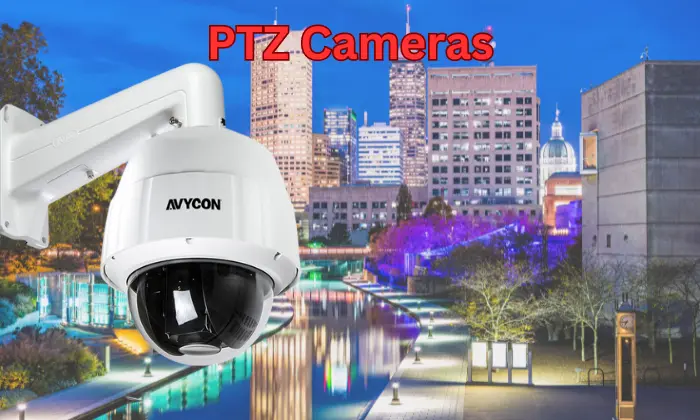
You’ve probably seen a security camera that moves on its own, turns toward sound, and zooms in on a face from far away. That’s not a normal fixed camera. It’s built for tracking and detail, and it works in a very different way than the cameras most homes and stores use today.
So, what is a PTZ camera? A PTZ camera is a security camera that can pan, tilt, and zoom on command, either through a mobile app, computer, or automatic tracking features. It provides wider coverage and lets you focus on important areas without installing multiple cameras. This guide explains how PTZ cameras work, where they are most effective, and how Cam Security Surveillance can help you choose the right solution for your home or business.
What Does PTZ Stand For?
PTZ stands for pan, tilt, and zoom. Each word describes one movement the camera can make.
- Pan means the camera turns left and right.
- Tilt means it moves up and down.
- Zoom means the lens gets closer or wider on a target.
People often search for the ptz camera full form when they see the term on a product page or spec sheet. Now you have it in plain words.
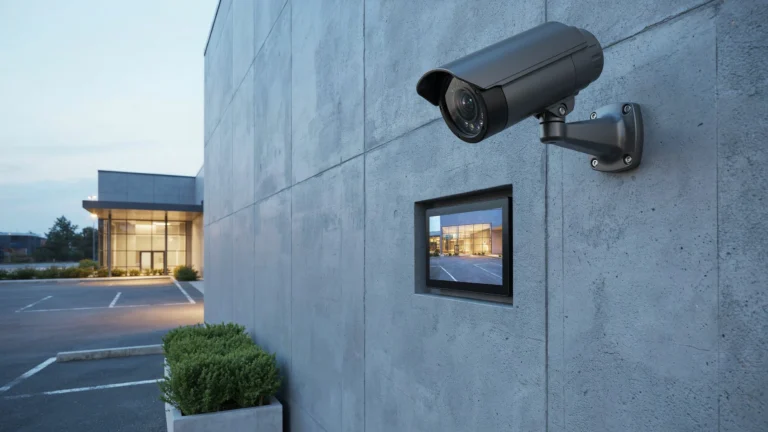
The ptz camera’s meaning goes beyond just three letters, though. It describes a camera built to change its view instead of staying locked on one spot. A regular camera sees one angle all day. A PTZ camera can scan a parking lot, follow a person walking through a hallway, or zoom in on a license plate from fifty feet away.
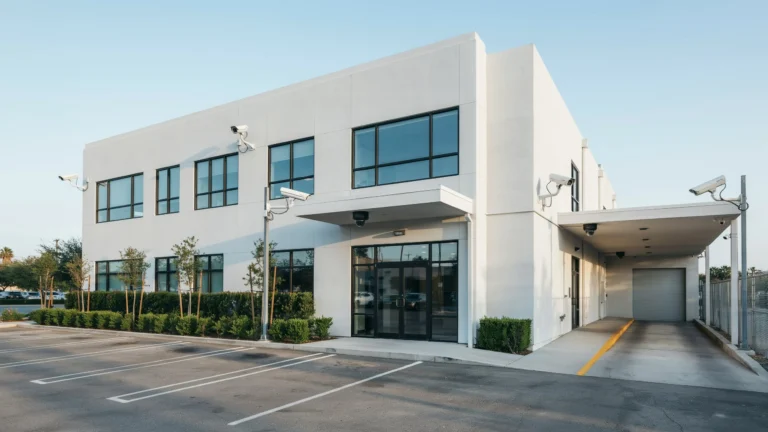
When people ask what a PTZ security camera is, they usually mean this same technology used for surveillance. Stores, warehouses, schools, and offices use it to cover large areas with fewer cameras.
How Does a PTZ Camera Work?
A PTZ camera uses small motors inside its base and lens. These motors move the camera body and adjust the zoom level. A person can control the camera with a joystick, a phone app, or a computer program. Many modern models also move on their own using motion sensors or programmed patterns.
Here’s a simple breakdown of how the process works:
- The camera picks up motion or sound in its range.
- Software decides where the movement is coming from.
- The motors turn the camera toward that spot.
- The lens zooms in for a clearer view.
- The footage saves to a hard drive, cloud server, or both.
Some higher end models use auto tracking. This means the camera follows a moving object across its full range without anyone touching the controls. Once the object leaves the frame, the camera returns to its normal watch position.
What Are the Main Features of a PTZ Camera?
Not every PTZ camera has the same features, but most share a few common ones.
- 360 degree rotation on many models, letting the camera cover a full room or yard.
- Optical zoom, which keeps the picture sharp even at long distances. This is different from digital zoom, which just stretches pixels and loses clarity.
- Auto tracking, which follows moving people or vehicles automatically.
- Night vision, using infrared light to record in the dark.
- Preset positions, so the camera can jump between saved angles on a schedule.
- Weatherproof housing for outdoor models exposed to rain, heat, or cold.
- Remote access, letting owners view and control the camera from a phone anywhere with internet access.
These features work together to give one camera the coverage that would otherwise take three or four fixed cameras to match.
What Are PTZ Cameras Used For?
PTZ cameras show up in a wide range of settings because they cover so much ground.
- Retail stores use them to watch registers, entrances, and aisles from one spot.
- Warehouses rely on them to scan large open floors and loading docks.
- Schools use them in hallways, parking lots, and gymnasiums.
- Sports and events use PTZ cameras to follow players or performers without a camera operator standing there.
- Traffic monitoring departments use them to track vehicles and read license plates.
- Homes with large yards or long driveways use them to cover more space with fewer units.
Because one PTZ camera can replace several fixed cameras, many businesses save money on equipment while still keeping full coverage.
How to Install a PTZ Camera
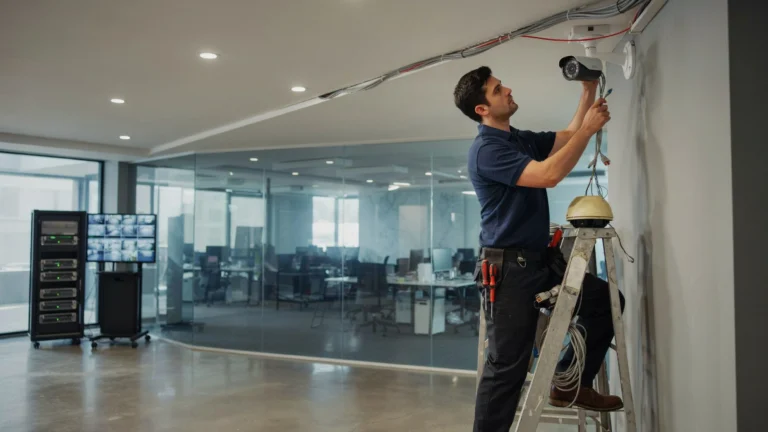
Installing a PTZ camera takes more planning than a fixed camera because placement affects how much area it can cover. The camera needs a clear, unobstructed line of sight and a stable mount that can handle the weight of the motorized base.
Basic steps include:
- Choose a mounting spot with a wide, open view.
- Run power and network cables, or set up a wireless connection if the model supports it.
- Mount the camera securely to a wall, pole, or ceiling bracket.
- Connect it to the recording system or app.
- Set preset positions and test the pan, tilt, and zoom range.
- Adjust motion zones and auto tracking settings.
Getting this setup wrong can leave blind spots or cause the camera to miss key areas. If you want it done right the first time, Cam Security Surveillance offers professional security camera installation Indianapolis services for homes and businesses that need a PTZ system mounted, wired, and configured correctly from day one.
PTZ Cameras vs. Fixed Security Cameras
| Feature | PTZ Camera | Fixed Camera |
| Coverage area | Wide, adjustable | Fixed, single angle |
| Zoom | Optical, long range | Limited or digital only |
| Cost | Higher per unit | Lower per unit |
| Setup | More complex | Simple |
| Best for | Large open spaces | Small, specific spots |
A fixed camera is cheaper and easier to install, but it only watches from one angle. A PTZ camera costs more upfront, but it can replace several fixed units in large spaces.
What Are the Advantages of PTZ Cameras?
- Wide coverage from a single unit, cutting down on the total number of cameras needed.
- Clear zoom that keeps detail sharp even at long range.
- Live tracking of people or vehicles as they move.
- Flexible control, letting security staff redirect the camera in real time during an incident.
- Fewer blind spots compared to a room full of fixed cameras pointed in set directions.
What Are the Limitations of PTZ Cameras?
- Higher cost than fixed cameras, both for the unit and installation.
- One view at a time. While the camera is zoomed on one spot, it can miss activity elsewhere.
- Moving parts wear out. Motors can fail over time with heavy use.
- More setup work, including programming presets and tracking zones.
- Power and network needs tend to be higher than a basic fixed model.
Are PTZ Cameras Better Than Fixed Cameras?
There’s no single right answer here. It depends on the space and the goal.
A PTZ camera works better for large open areas like parking lots, warehouses, or sports fields, where one camera needs to cover a lot of ground. A fixed camera works better for small, specific spots like a front door, a cash register, or a hallway entrance, where the same angle needs constant coverage without gaps.
Many businesses use both. Fixed cameras cover doorways and tight spaces, while PTZ cameras cover the open areas in between.
Common PTZ Camera Problems and How to Fix Them
- Camera won’t move: Check the power supply and cable connections first. A loose cable is the most common cause.
- Blurry zoom: Clean the lens and check that autofocus is turned on in the settings.
- Slow or delayed tracking: This often points to a weak network connection or outdated firmware. Update the firmware and check the router.
- Camera drifts from presets: Recalibrate the motor settings through the camera’s app or software.
- Night vision not working: Check that infrared LEDs aren’t blocked by dirt, spider webs, or a foggy lens cover.
Most of these problems have simple fixes and don’t require a technician visit. But if the motor itself fails, the unit usually needs professional repair or replacement.
Are PTZ Cameras Worth It?
For large properties, busy retail spaces, or anywhere that needs wide coverage, a PTZ camera is usually worth the extra cost. The ability to zoom in on details and track movement live gives security teams an advantage that fixed cameras can’t match on their own.
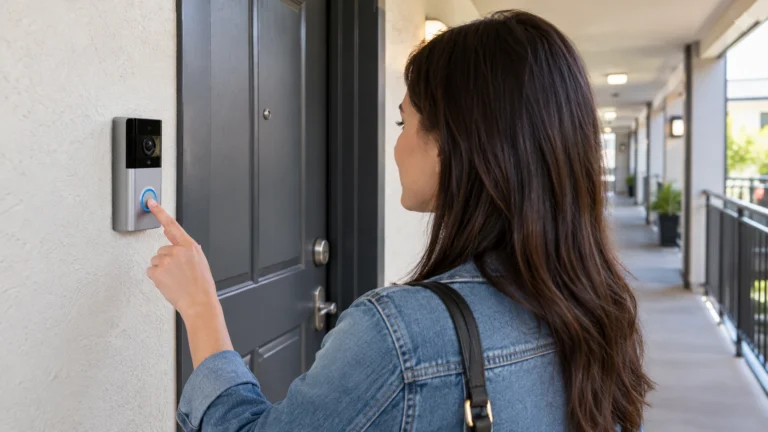
For small homes or single entry points, a fixed camera or a doorbell camera might do the job just as well for less money. The right choice depends on the size of the area and how much detail you need to capture.
Conclusion
So, what is a PTZ camera in simple terms? It’s a security camera that moves and zooms, giving one unit the coverage of several fixed cameras. It works well for large spaces that need wide, flexible monitoring, but it costs more and takes more setup than a basic fixed model.
Whether a PTZ camera fits your property comes down to the size of the space and how much detail matters to you. For many businesses, a mix of PTZ and fixed cameras gives the best balance of coverage and cost. If you’re unsure which system is right for your home or business, contact us today. Our team can assess your property, recommend the best camera solution, and provide professional installation to help you achieve reliable, long-term security.
FAQs
What is a PTZ camera?
A PTZ camera is a security camera that can pan, tilt, and zoom either automatically or by manual control, giving it a much wider field of view than a fixed camera.
What does a PTZ camera mean in simple words?
PTZ camera means a camera built to move and zoom instead of staying pointed at one fixed angle all the time.
Are PTZ cameras good for home use?
Yes, especially for large yards, long driveways, or properties with a lot of open space to cover.
Do PTZ cameras record all the time?
Most models can record continuously or only when motion is detected, depending on the settings chosen.
How far can a PTZ camera zoom?
This depends on the model. Basic units zoom in a short range, while high end models can clearly zoom in from over 100 feet away.
Can a PTZ camera see in the dark?
Most outdoor PTZ models include infrared night vision, letting them record clearly in low light or complete darkness.