Installing security cameras involves more than drilling holes and connecting wires. You need the right cameras, good placement, reliable power, and enough storage. A poor setup can leave blind spots or produce weak video when you need it most.
If you are learning How to Install Security Cameras, start by planning the coverage area before mounting anything. Choose each camera location, check the power and network connection, run the cables safely, then test the system. The steps below explain the process for wired, PoE, and wireless cameras.
What Do You Need to Install Security Cameras?
The equipment you need depends on the type of camera system you choose. A basic wireless camera may only need power and Wi-Fi. A wired system needs cables, a recorder, and power connections.
Common equipment includes:
- Security cameras
- DVR or NVR
- Surveillance hard drive
- Cat5e or Cat6 Ethernet cable
- PoE switch or PoE NVR
- Power adapters
- Mounting brackets
- Screws and wall anchors
- Drill and suitable drill bits
- Cable clips or conduit
- Monitor for initial setup
- Phone or computer for remote viewing
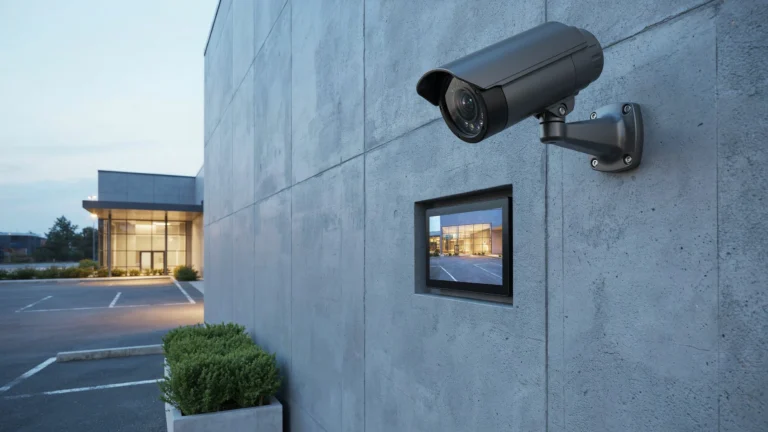
Outdoor cameras also need weather-resistant connections. Do not leave cable joints exposed to rain, snow, or moisture. Cam Security Surveillance recommends choosing cameras based on the area you need to monitor. A front door may need a wide viewing angle, while a driveway may benefit from a longer-range lens. A large parking area may need a PTZ camera or several fixed cameras for better coverage.
Choose the Best Locations for Your Security Cameras
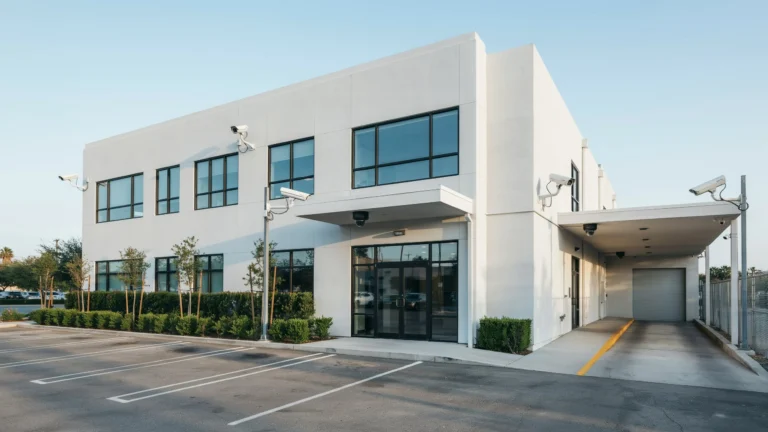
Camera placement often matters more than camera resolution. Start by walking around the property and looking for areas where security matters most. Focus on entry points and places where someone could approach without being seen.
Good locations often include:
- Front doors
- Back doors
- Side entrances
- Driveways
- Garages
- Parking areas
- Hallways
- Stairways
- Storage areas
- Large outdoor spaces
Try to overlap coverage between cameras. If one camera fails, another camera may still capture part of the area. Avoid pointing cameras directly toward bright lights. Headlights, floodlights, and direct sunlight can wash out the image. Position the camera so important areas remain visible without strong glare. Also check the view during both day and night. A location that looks perfect during daylight may produce poor images after dark. For indoor cameras, respect privacy. Avoid areas such as bathrooms and private spaces where people reasonably expect privacy.
How High Should Security Cameras Be Mounted?
For many homes, mounting a security camera around 8 to 10 feet high provides a useful balance. A camera mounted too low can be easier to reach or damage. A camera mounted too high may make faces harder to identify. The ideal height still depends on the camera and location. A door camera may need a different position than a driveway camera.
Before drilling, hold the camera at the planned height. View the live image and check whether the important area is centered. You should be able to see faces, vehicles, doors, and other key areas clearly.
How to Install Wired Security Cameras
Wired cameras are a strong choice when you want a stable connection. They are often used for homes, offices, shops, and larger properties.
Step 1: Plan the Cable Route
Measure the distance between each camera and the recorder or network equipment. Leave some extra cable for adjustments and service work.
Keep cables away from areas where they could be cut, crushed, or pulled. For outdoor runs, use suitable outdoor-rated cable and protect exposed sections with conduit when needed.
Step 2: Mark the Mounting Position
Hold the mounting bracket against the wall or ceiling. Mark the screw holes with a pencil. Check behind the mounting surface before drilling. Avoid electrical wires, plumbing, and other hidden hazards.
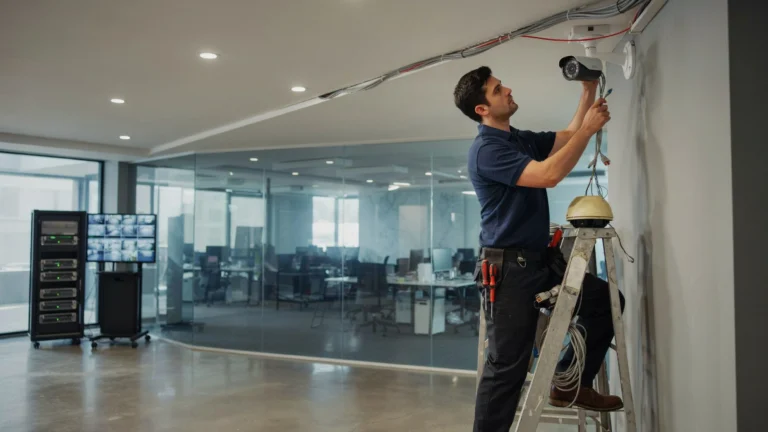
Step 3: Mount the Camera
Drill the marked holes and install suitable anchors when needed. Secure the bracket firmly with the correct screws. Attach the camera and leave enough room to adjust its viewing angle.
Step 4: Connect the Camera
Connect the video and power cables according to your camera type. Run the other end to the DVR, NVR, switch, or power source. Label cables when installing several cameras. This simple step can save time during troubleshooting later.
How to Install PoE Security Cameras
Power over Ethernet, or PoE, lets one Ethernet cable carry both power and data. This makes PoE cameras popular for professional surveillance systems.
The basic process is:
- Mount the camera in the selected location.
- Run Cat5e or Cat6 Ethernet cable.
- Connect the cable to a PoE NVR or PoE switch.
- Power on the system.
- Wait for the NVR to detect the camera.
- Check the live video.
- Adjust the camera angle.
- Test recording and playback.
PoE can make camera system installation cleaner because you do not need a separate power cable at every camera. Use quality cable and avoid exceeding the recommended cable distance. Poor cable connections can cause video drops, power problems, or unstable camera connections.
How to Install Wireless Security Cameras
Wireless cameras are easier to place because they do not need a video cable back to an NVR. They still need power unless they use a battery. Before mounting a wireless camera, check Wi-Fi strength at the exact location. A phone showing a strong connection is a useful starting test, but it does not guarantee identical performance from the camera. If the signal is weak, move the camera closer to the router or improve coverage with a suitable access point or mesh system.
To install a wireless camera:
- Choose a location with reliable Wi-Fi.
- Mount the camera.
- Connect power or install the battery.
- Install the manufacturer’s mobile app.
- Add the camera to your account.
- Connect it to Wi-Fi.
- Set motion detection.
- Configure recording.
- Test live video and alerts.
Wireless is convenient, but wired connections are often better for cameras that need constant reliability.
How to Connect Security Cameras to a DVR or NVR
A DVR is commonly used with traditional analog CCTV cameras. An NVR is designed for network-based IP cameras. After connecting the cameras, open the recorder’s settings. Check whether each camera appears correctly.
Give cameras clear names such as:
- Front Door
- Driveway
- Backyard
- Garage
- Side Entrance
Set the correct date and time. Incorrect timestamps can make recorded footage harder to use during an incident. Next, check the surveillance hard drive. Make sure the recorder recognizes it and has enough available space. This is a key part of professional surveillance camera installation because a camera that displays live video but does not record correctly does not provide complete protection.
How to Set Up Security Camera Recording
Your recording method affects both storage and security.
Continuous Recording
Continuous recording saves video throughout the day. It is useful for areas where every moment matters.The downside is higher storage use.
Motion Recording
Motion recording saves video when movement is detected. It can greatly extend storage time. Adjust motion sensitivity carefully. A setting that is too sensitive may create unnecessary recordings from trees, shadows, or passing traffic.
Person and Vehicle Detection
Modern cameras may detect people and vehicles. These features can reduce unwanted alerts and make recorded events easier to review. For important areas, test detection during both daylight and nighttime.
How to Set Up Remote Viewing on Your Phone
Many modern systems let you view cameras remotely. First, connect the NVR or camera to the internet. Then install the manufacturer’s mobile app. Follow the setup process to add your device. Create a strong, unique password and enable extra account security when available.
After setup, test:
- Live viewing
- Playback
- Motion alerts
- Push notifications
- Camera status
- Remote connection
Do not rely on remote viewing without testing it. A system can work correctly inside the building while having problems when accessed from outside.
How to Test Security Cameras After Installation
Never consider an installation finished until every camera has been tested. Check the image during daylight and darkness. Walk through the areas where a person would approach the property.
Confirm that the camera captures useful facial and body detail.
Test the following:
- Live video
- Night vision
- Motion detection
- Person detection
- Recording
- Playback
- Remote viewing
- Mobile alerts
- Camera angles
- Date and time
- Storage status
Check the entire property for blind spots. Small adjustments can often improve coverage without adding another camera.
Common Security Camera Installation Mistakes
Several simple mistakes can reduce the value of a camera system.
Mounting too high: The camera may cover the area but provide poor facial detail.
Ignoring Wi-Fi strength: A wireless camera may disconnect if its signal is weak.
Using poor cable: Low-quality or damaged Ethernet cable can create network problems.
Ignoring night conditions: A camera can look excellent during the day but fail to capture useful images at night.
Skipping storage planning: A system may overwrite important footage sooner than expected.
Using weak passwords: Poor account security can put remote camera access at risk.
Leaving outdoor connections exposed: Water can damage connectors and cause failures.
Good cctv camera installation requires attention to these small details before the system is put into daily use.
How Much Does It Cost to Install Security Cameras?
Security camera installation costs vary based on the system and property.
The main cost factors include:
- Number of cameras
- Camera resolution
- Camera type
- DVR or NVR
- Hard-drive capacity
- Cable length
- Mounting difficulty
- Outdoor cable protection
- Network equipment
- Labor
A four-camera home system usually costs less to install than a larger commercial system with sixteen or more cameras. Wireless cameras may reduce cable work, while large PoE systems can require more planning and cable routing. Get the system designed around the areas you actually need to monitor. Buying more cameras does not always produce better coverage.
DIY vs. Professional Security Camera Installation
DIY installation can work well for a small wireless system. Many consumer cameras are designed for simple setup. Professional installation makes more sense when the system has several cameras, long cable runs, difficult mounting points, or a dedicated NVR.
| Factor | DIY | Professional |
| Labor cost | Lower | Higher |
| Cable routing | Self-managed | Professionally planned |
| Camera placement | Basic | Coverage-focused |
| Network setup | Self-managed | Configured for the system |
| Troubleshooting | Self-managed | Installer support |
| Large systems | More difficult | Better suited |
The goal is not simply to get cameras working. The goal is to create useful coverage that keeps working.
When Should You Hire a Professional?
Consider professional help if you need cameras across multiple floors, buildings, or outdoor areas. The same applies when cables must pass through walls, ceilings, attics, or difficult outdoor locations. Professional help is also useful when you need PoE cameras, an NVR, remote viewing, advanced motion detection, or larger storage.
If you are looking for security camera installation Indianapolis, Cam Security Surveillance can help with camera placement, cable routing, NVR setup, storage, remote access, and system testing. A professional assessment can also identify blind spots before equipment is purchased. That can prevent costly changes after installation.
How to Maintain Your Security Cameras After Installation
Installation is only the first step. Regular checks help keep the system useful. Clean camera lenses when they become dirty. Check outdoor housings for water or damage. Review recordings from time to time. Make sure the cameras are still recording and the hard drive is healthy.
Also check:
- Camera focus
- Night vision
- Motion alerts
- Network connection
- Storage capacity
- Cable connections
- Firmware updates
A short monthly check can catch problems before an important event occurs.
Conclusion
Learning How to Install Security Cameras starts with planning, not drilling. Choose the right camera locations, mounting height, power source, network connection, and recording method before installation. Test every camera after mounting. Check day and night video, motion detection, recording, playback, and remote access. Small systems can often be installed by homeowners. Larger systems benefit from professional planning, especially when cable routing and storage requirements become more complex.
If you want dependable coverage without guesswork, Contact us today for help planning and installing a security camera system that fits your property.
FAQs
How do I install security cameras at home?
Choose suitable camera locations, mount the cameras securely, connect the cables or Wi-Fi, configure recording, and test each camera before finishing the installation.
How high should security cameras be mounted?
Most security cameras work well when mounted around 8 to 10 feet high. This height provides a useful viewing angle while helping protect the camera from easy tampering.
Can I install security cameras without professional help?
Yes, basic wireless cameras are often suitable for DIY installation. Wired, PoE, or larger systems may require professional installation for proper cabling, network setup, and reliable coverage.
What is the best location for security cameras?
Common locations include front doors, back doors, driveways, garages, entrances, hallways, and other important areas. Avoid placing cameras where walls or objects block the main viewing area.
How much does security camera installation cost?
The cost depends on the number of cameras, camera type, wiring, storage, mounting locations, and installation complexity. A professional quote can provide a more accurate estimate for your property.