
CCTV does not always come with a monthly bill. Many systems use local storage, so you may only pay for equipment and installation. Cloud storage, remote monitoring, and extra services can add recurring costs.
How Much Does CCTV Cost Per Month? A basic system may have no monthly storage fee, while cloud plans can add a small recurring charge. Professional monitoring can cost more because staff review video and respond to security events.
How Much Does CCTV Cost Per Month?
The monthly cost depends on how your cameras store video and what services you use. A CCTV system with an NVR or DVR can often record footage to a local hard drive. In this setup, there may be no monthly cloud storage fee. You still need to account for internet service if you want remote viewing. Cloud-based cameras work differently. They may store recordings online and charge a monthly or yearly subscription. The price can depend on the number of cameras, storage time, video quality, and features included in the plan.
Professional video monitoring adds another recurring cost. A monitoring service may review alerts, verify activity, and follow a response process when an event occurs. For that reason, there is no single monthly price that fits every CCTV system. The right cost depends on what you need the system to do.
What Are the Main Monthly CCTV Costs?
Understanding each recurring cost makes it easier to compare CCTV systems.
Cloud Storage Fees
Cloud storage is one of the most common monthly costs for modern security cameras.
A cloud plan can store recorded clips on remote servers. You can then access those recordings through an app or web account.
Your cloud CCTV cost per month can vary based on:
- Number of cameras
- Amount of video stored
- Recording length
- Video resolution
- Cloud retention period
- Person, vehicle, or motion detection
- Advanced search features
Some plans only save motion clips. Others support longer recording periods or continuous recording.
Before choosing a plan, check how many cameras the subscription covers. A low advertised price may apply to one camera while a larger property needs several subscriptions.
Professional Video Monitoring
Professional monitoring is different from cloud storage. Cloud storage saves your footage. Monitoring involves people or a service reviewing security events. The remote video monitoring service cost depends on the level of service provided. Some services focus on specific cameras or events. Others offer broader coverage and response procedures.
Monitoring can be useful for businesses, vacant properties, construction sites, and locations where quick attention to an event matters. Ask what the monitoring company actually does before signing up. Check whether staff verify alerts, how events are handled, and whether any response service is included.
Internet Service
Your CCTV cameras may also depend on an internet connection. Internet service is usually not a CCTV subscription. It is a separate household or business expense. Still, it matters when calculating the full monthly cost. A camera system that only records to a local NVR may continue recording if the internet goes down. Remote viewing, cloud recording, and some smart features may stop working until the connection returns.
For several cameras, make sure the network can handle the traffic. A professional installer can help check the network before installation.
Maintenance and Service
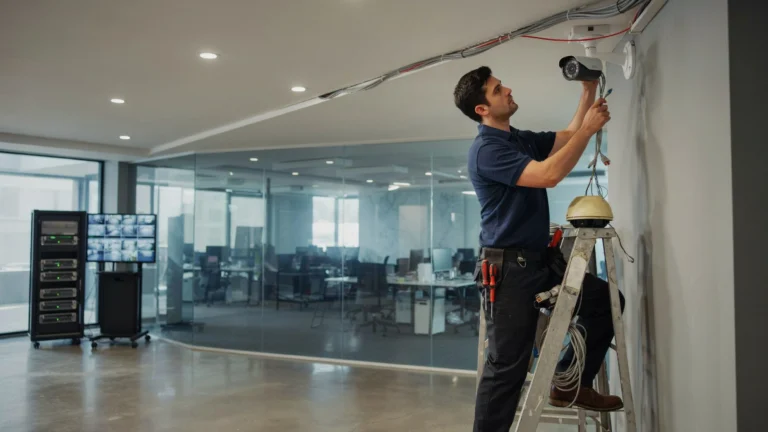
CCTV systems can also have occasional service costs. Cameras may need cleaning, repositioning, firmware updates, cable repairs, or replacement parts. These are not always monthly expenses, but they should be considered when planning a long-term budget.
A properly installed system can reduce avoidable service problems. Good camera placement, protected cabling, suitable power supplies, and correct network setup all matter.
Do CCTV Cameras Have a Monthly Fee?
No. CCTV cameras do not always require a monthly fee. This is an important difference between traditional CCTV and many cloud-connected cameras. A system using an NVR or DVR can store footage locally. Once the equipment is installed, you may not need to pay for cloud storage.
However, some systems offer optional cloud features. These can include longer video history, smart alerts, cloud backups, remote storage, or advanced video search. You should also check the terms before buying a camera. Some manufacturers place certain features behind a subscription. A camera may work without a plan but offer fewer features. The best question is not simply, “Does this camera have a monthly fee?” Ask what you get without the subscription and what requires payment.
CCTV Monthly Cost: Local Storage vs. Cloud Storage
Local and cloud storage serve different needs.
Local CCTV Storage
With local storage, cameras send video to an NVR or DVR at your property. The recorder uses a hard drive to store footage. This approach can work well for homeowners and businesses that want control over their recordings.
The main benefit is that you can avoid a recurring cloud storage fee. The trade-off is that the recorder and hard drive need to be purchased and maintained. Storage capacity also matters. A system with several high-resolution cameras can fill a hard drive faster than a small system.
Cloud CCTV Storage
Cloud storage sends recordings to an online service. You can usually access the footage through an app or web portal. The cloud CCTV price per month may be convenient because you do not need to manage the storage hardware yourself.
Cloud storage can also make remote access simple. However, you need a reliable internet connection, and the recurring subscription can increase your long-term cost.
Which Storage Method Should You Choose?
Think about how you use your cameras. If you want to avoid recurring storage fees, local recording may make sense. If easy remote access and off-site storage are more important, cloud storage may be worth considering. Some systems also combine local recording with cloud backup. This gives you another option when planning for important footage.
What Factors Affect the Monthly Cost of CCTV?
Several factors can change your ongoing CCTV expenses.
Number of cameras: More cameras can increase cloud subscriptions, storage needs, and network use.
Recording method: Continuous recording uses more storage than motion-based recording.
Video resolution: Higher-resolution footage generally requires more storage space.
Retention period: Keeping 30 days of footage requires more storage than keeping seven days.
Cloud features: Advanced alerts, video search, and cloud backup may require paid plans.
Monitoring: A professional service can add a recurring monitoring charge.
Property size: Larger homes and businesses may need more cameras and stronger network coverage.
System design: A poorly planned system can create extra costs later. Camera placement, cabling, storage, and power should be considered before installation.
For example, someone searching for security camera installation indianapolis may need a different setup for a small home than a warehouse or office building. The camera count, cable runs, storage needs, and network design can all change the final cost.
Cam Security Surveillance can help property owners review these needs before choosing equipment. A site assessment can help determine where cameras should go and how the system should be connected.
How to Reduce Your Monthly CCTV Costs
You do not always need the most expensive plan. Start by deciding what you actually need to record. A front door may need continuous coverage, while another area may only need motion recording. Consider local storage if avoiding a cloud subscription is important. An NVR can provide a central place for recordings without a monthly cloud storage charge.
Also compare the total cost over several years. A cheap camera with a required subscription may cost more over time than a system with a higher upfront price and no recurring storage fee. Avoid paying for features you will never use. Check the number of cameras included in a plan, storage duration, and smart features before subscribing. Good installation can also prevent unnecessary costs. Proper placement reduces blind spots and can help you avoid adding cameras later.
Is CCTV Worth the Monthly Cost?
The answer depends on what you need from your security system. A basic local CCTV setup may have little or no recurring storage cost. A cloud system can cost more each month but may offer easier remote access and off-site storage.Professional monitoring adds another layer. The security camera monitoring service cost may be justified for properties where alerts need attention when the owner or staff are away.
Think about the risk, property size, number of cameras, and footage you need to keep. For example, a small home may only need local recording and phone access. A business may need longer retention, multiple cameras, remote access, and monitored alerts. The goal is not to pay for every available feature. The goal is to build a system that meets your actual security needs.
CCTV Cost for Homes vs. Businesses
Residential and commercial CCTV systems can have very different monthly requirements.
Home CCTV Costs
A home may use four to eight cameras, depending on the property layout. Common coverage areas include entrances, driveways, garages, side gates, and backyards.
Many homeowners can use local recording or a basic cloud plan. The monthly cost may remain low if professional monitoring is not needed.
Business CCTV Costs
Businesses often need more cameras and longer recording periods. An office, retail store, warehouse, or industrial property may need dozens of cameras. The system may also need larger storage, better network equipment, and remote management.
Businesses should consider how long footage must be retained. They should also plan who can access recordings and how accounts are protected. A larger system may cost more upfront, but good planning can prevent unnecessary recurring expenses.
How to Choose the Right CCTV Storage Plan
Start with four simple questions:
- How many cameras will record?
- How long do I need to keep footage?
- Do I need cloud access?
- Do I need professional monitoring?
Then compare the full cost.
Do not compare only the advertised monthly subscription. Include equipment, installation, internet requirements, storage, and possible service costs. If you choose cloud storage, check the retention period and camera limit. Also check whether continuous recording is included.
If you choose local storage, check the NVR hard drive capacity. Estimate how quickly your cameras will fill the available storage. A good CCTV plan should match the property, not just the camera brand.
Conclusion
How Much Does CCTV Cost Per Month? There is no single monthly price because CCTV systems use different storage and monitoring options. Local NVR or DVR systems can avoid recurring cloud storage fees. Cloud systems usually have a subscription, while professional monitoring adds another monthly service cost. The best way to control your budget is to decide what you need before buying equipment. Look at camera count, recording time, storage, remote access, and monitoring needs.
A well-planned system can provide the coverage you need without paying for features you do not use. For homes and businesses, Cam Security Surveillance can help plan and install a CCTV system based on your property and security needs. Contact us today to discuss the right CCTV solution for your property.
FAQs
How Much Does CCTV Cost Per Month?
CCTV can cost $0 per month for local recording, while cloud storage and professional monitoring can add recurring fees. Your actual cost depends on the system and services selected.
Can CCTV work without a monthly subscription?
Yes. CCTV systems with local NVR or DVR storage can record footage without a cloud subscription. Some camera features may still require a paid plan.
Is cloud storage required for CCTV cameras?
No. Cloud storage is optional for many systems. Local storage can keep recordings on an NVR or DVR at the property.
Is CCTV monitoring included in the monthly cost?
Not always. Professional monitoring is usually a separate service. Ask the provider what is included before signing a monitoring agreement.
Does CCTV increase my internet bill?
CCTV does not automatically increase your internet bill. However, cloud recording and remote viewing use internet data. A larger camera system can also place more demand on your network.
Is local CCTV storage cheaper than cloud storage?
Local storage can reduce recurring costs because you may not need a monthly cloud subscription. However, you pay for the recorder and storage hardware upfront.
What is the difference between cloud storage and CCTV monitoring?
Cloud storage saves video recordings online. Monitoring involves a service that reviews alerts or video events. They are separate services and can have separate charges.
How can I lower my CCTV monthly costs?
Compare local and cloud storage, choose a suitable retention period, avoid unnecessary subscriptions, and select the right number of cameras. Good system planning can also reduce future costs.