
You don’t need a permit to put a camera on your own house in most cases. But where you point it, what it records, and how you store that footage all carry legal weight.
That’s the short answer. The long answer depends on your local laws, your neighbors’ privacy, and a few rules most homeowners never think about until something goes wrong. So if you’re asking, do I need permission to install CCTV outside my house, the real question isn’t just “can I” but “am I doing it the right way.”
Is It Legal to Install CCTV Outside Your Home?
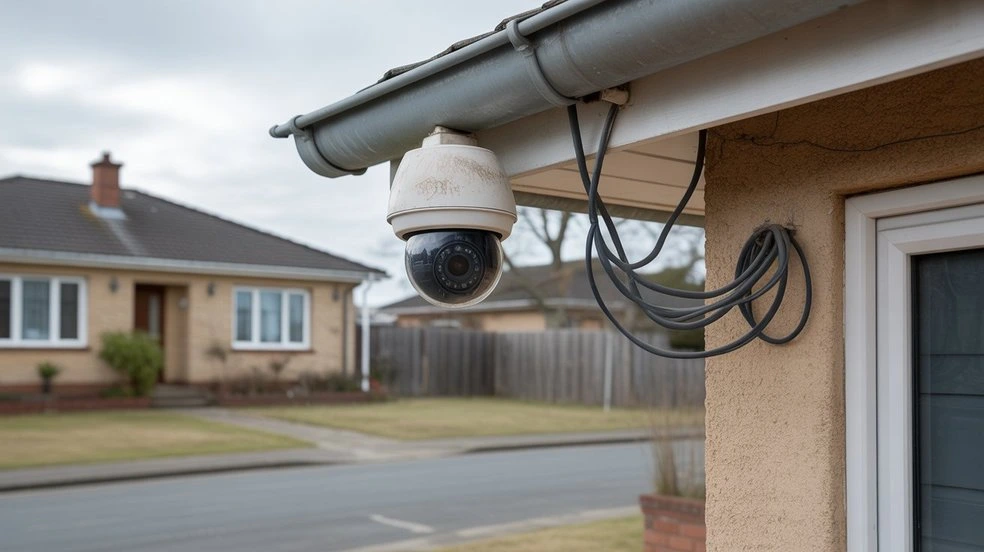
Yes, in most places, it’s legal to install CCTV outside your home as long as the cameras mainly monitor your own property, such as your front door, driveway, or yard. The key is where the camera is pointed and what it records. Avoid aiming cameras at areas where others have a reasonable expectation of privacy, such as a neighbor’s windows or backyard. If your system records audio, check your local laws, as audio recording rules are often stricter than video recording.
If you’re not confident about angles, zoom range, or local rules, getting a professional opinion saves you trouble later. A team that handles security camera installation Indianapolis homeowners trust, like Cam Security Surveillance, can walk your property and place cameras in spots that protect your home without crossing into someone else’s. That kind of guidance matters more than people realize, especially in neighborhoods with houses close together.
When You May Need Permission Before Installing CCTV
Most single-family homeowners installing cameras on their own house don’t need formal permission. But there are situations where you do.
You’re Renting Your Home
Tenants usually need written approval from the landlord before drilling into walls or siding for a camera. Some leases ban exterior cameras altogether, especially in shared buildings.
You Live in an HOA Community
Homeowners associations often have rules about camera placement, visible wiring, or where mounts can go. Some require a written request before installation. Ignoring this can lead to fines or a forced removal.
You’re in a Condo or Apartment Complex
Shared entryways, hallways, and parking areas are common property. Installing a camera that covers these spaces usually requires building management approval.
Your Camera Faces a Public Street or Sidewalk
In a few cities and countries, recording public areas continuously triggers data protection rules, especially if the footage is stored long-term or shared online.
You’re Installing Audio Recording
Many regions treat audio differently from video. Recording conversations without consent, even outside your home, can break wiretapping or eavesdropping laws.
If none of these apply to you, you’re likely in the clear. But it only takes one of them to turn a simple security upgrade into a legal headache.
Where Can You Legally Install Outdoor CCTV Cameras?
You can place cameras almost anywhere on your own property, as long as the footage stays focused on areas you own or have a right to monitor. Common, fully legal spots include:
- Front door and porch
- Driveway and garage entrance
- Backyard and side yard
- Gate or fence line facing your property
- Windows facing outward toward your own yard
These areas are considered your space to protect. No law in the US, UK, Canada, or most other countries restricts a homeowner from monitoring their own entry points and outdoor living areas.
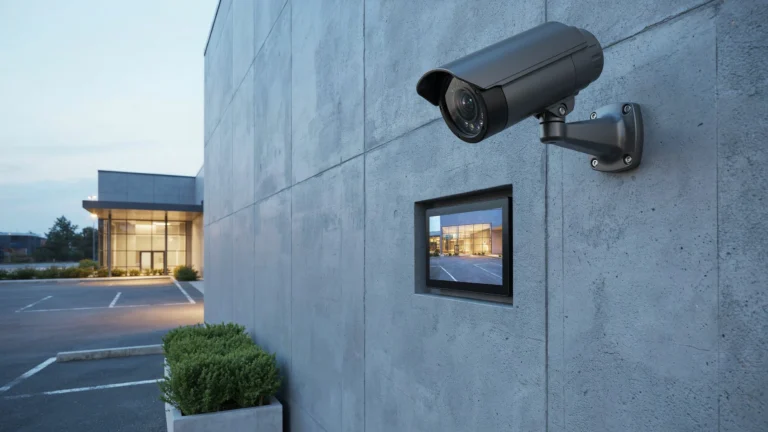
The key detail is the field of view. A camera mounted to watch your front door is fine even if it captures a sliver of the public sidewalk in the background. That’s considered incidental and reasonable. Problems start when the camera is deliberately angled to track people walking by, record license plates on a public road for no security reason, or zoom into a neighbor’s window.
Where Should You Avoid Pointing Your Cameras?
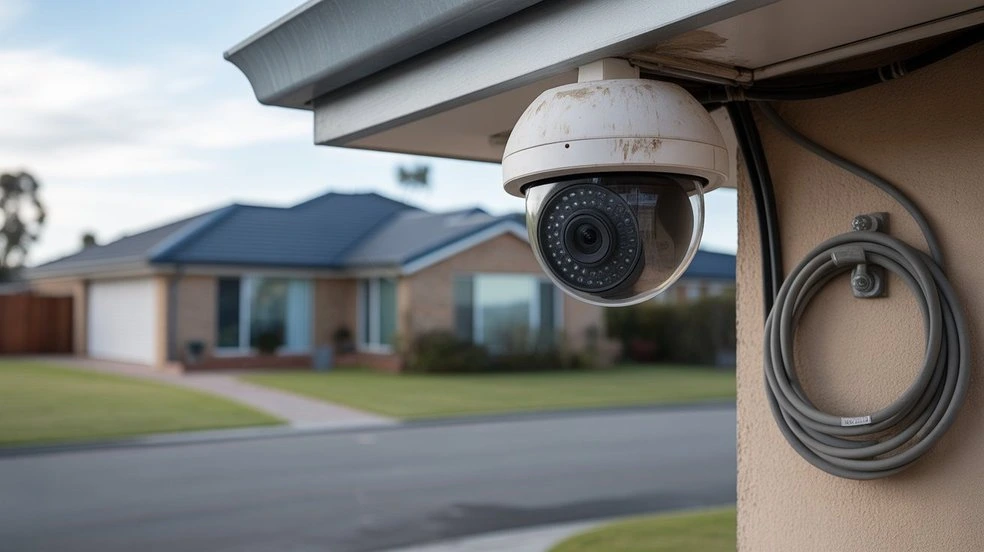
This section matters just as much as the last one, maybe more.
Avoid pointing cameras directly at:
- A neighbor’s windows, doors, or backyard
- Shared fences where the camera mainly captures next door
- Public areas where people have a reasonable expectation of privacy, like a neighbor’s pool or patio
- Areas where audio could pick up private conversations from another property
Even unintentional overreach causes problems. If your neighbor notices your camera angled toward their kitchen window, that’s grounds for a formal complaint, even if you never meant to record them. Courts generally side with the person whose privacy was affected, not the camera owner’s intent.
A simple test works well here: if you wouldn’t want a camera pointed at that same spot on your own property, don’t point yours there either.
Privacy Laws Every Homeowner Should Understand
Privacy laws for home security cameras vary by location, but Cam Security Surveillance recommends following a few key principles that apply in most areas to help protect your property while respecting others’ privacy.
Reasonable Expectation of Privacy
This is the legal standard courts use most often. Bedrooms, bathrooms, and enclosed backyards typically carry a high expectation of privacy. Public sidewalks and open driveways carry a much lower one.
Data Protection and Storage Rules
Many regions now treat home camera footage as personal data, especially if it captures faces or license plates regularly. This connects directly to CCTV data protection laws, which require you to store footage securely, limit how long you keep it, and avoid sharing it publicly without a valid reason.
Audio Consent Laws
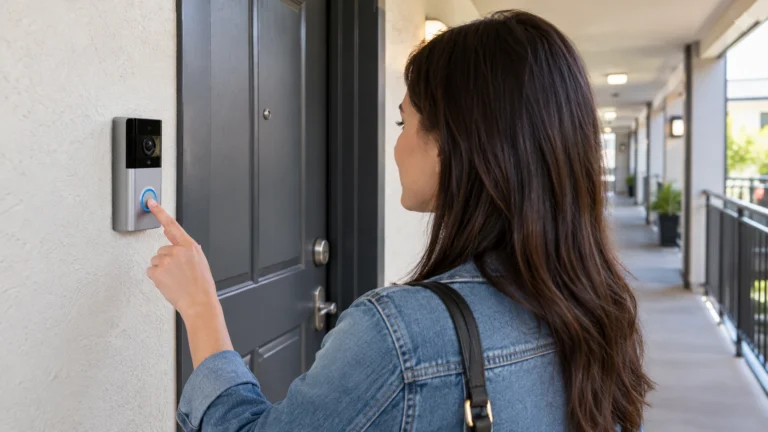
Several states require two-party consent before recording audio. A doorbell camera that records conversations on the sidewalk could violate this if someone challenges it.
Right to Know
Some areas require you to disclose that surveillance is happening if a person would not reasonably expect to be recorded. This is part of why signage matters, which we’ll cover shortly.
None of this is meant to scare you away from installing a camera. It’s meant to help you do it without creating problems for yourself.
Should You Tell Your Neighbors About Your CCTV System?
You’re not legally required to notify your neighbors in most areas, but it’s still a smart move. A quick conversation before installation prevents a lot of friction later.
Most disputes over home cameras don’t start because someone broke the law. They start because a neighbor felt watched and was never given an explanation. Letting them know your camera is angled toward your own property, and showing them if needed, builds trust and avoids unnecessary tension.
If you live somewhere with strict cctv camera rules for home installations, like certain HOA communities or shared housing developments, written notice might actually be required. Always check your specific community guidelines before mounting anything.
Do You Need CCTV Warning Signs?
In many regions, signage isn’t legally required for a private home with a small number of cameras. But in some states, counties, and countries, especially where audio recording is involved, a visible sign is expected or even mandatory.
Signs help in three ways:
- They reduce legal risk by giving notice that recording is happening.
- They act as a deterrent, since visible cameras lower break-in attempts.
- They protect you if a dispute ever goes to a homeowners association or local authority.
A simple sign near your front entrance or driveway covers most situations, even where it isn’t strictly required.
Best Practices for Installing Outdoor CCTV
Getting this right the first time saves money and stress. A few practices stand out:
- Map your property lines before mounting any camera
- Use adjustable angle mounts so you can correct positioning later
- Test the field of view at different times of day
- Avoid cameras with unnecessary zoom into neighboring yards
- Store footage on encrypted, password-protected systems
- Set a clear retention limit and delete old footage regularly
- Keep one camera focused on your main entry point, since that’s where most break-ins start
These steps cover both legal protection and actual home security. A camera that’s poorly placed doesn’t just risk legal trouble, it also leaves blind spots that defeat the purpose of having one.
Common Mistakes Homeowners Make
Even careful homeowners run into the same handful of problems:
Mounting Cameras Too High or Too Low
This either misses faces entirely or creates unusable footage.
Forgetting About Glare and Backlighting
Cameras facing direct morning or evening sun often produce useless silhouettes.
Ignoring HOA Rules Until a Complaint Arrives
By then, removal or fines are already on the table.
Skipping Firmware Updates
Outdated camera software is one of the most common ways outdoor systems get hacked.
Recording More Than Necessary
Wide-angle lenses that sweep into public streets or neighboring yards create legal exposure for no real security benefit.
Most of these mistakes come from rushing the installation instead of planning it.
How Professional Installation Helps You Stay Compliant
DIY camera kits are everywhere, and plenty of homeowners install them without issue. But professional installation solves problems before they start.
A trained installer knows local placement laws, understands how to angle cameras to avoid private areas, and sets up secure storage that meets data protection expectations. This matters even more in dense neighborhoods where one wrong angle can affect three or four other properties at once.
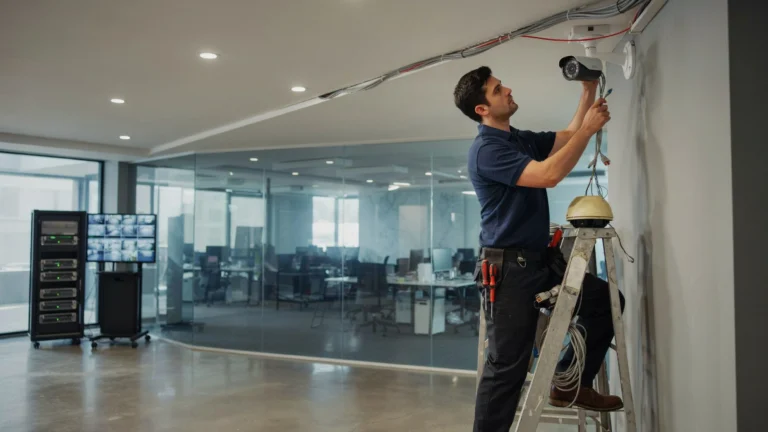
Working with an experienced provider also means better equipment placement for actual security value, not just legal safety. Companies offering security camera installation Indianapolis residents rely on, such as Cam Security Surveillance, typically walk the property first, identify vulnerable entry points, and only then decide on camera placement. That approach catches problems a DIY install often misses.
Conclusion
So, do I need permission to install CCTV outside my house? In most cases, no, not from the government or a neighbor. But renters, HOA residents, and apartment dwellers often do need approval first.
Even when permission isn’t required, responsible placement, secure storage, and basic privacy awareness help protect you from disputes and legal issues. A thoughtfully installed camera does more than meet legal requirements. It helps keep your home safer. Contact us today to learn how Cam Security Surveillance can help you install your CCTV system the right way.
FAQs
Do I need permission to install CCTV outside my house if I own the property?
No, homeowners generally don’t need permission as long as the camera only covers their own property and doesn’t intrude on a neighbor’s private space.
Can I install CCTV outside my house if I rent?
Usually not without landlord approval. Most leases require written consent before drilling into exterior walls or siding.
Can I put CCTV outside my house facing the street?
Yes, incidental footage of a public street or sidewalk is generally allowed. Problems arise only if the camera is deliberately angled to track people or vehicles for non-security reasons.
What are the CCTV data protection laws I should know about?
Most regions require secure storage, limited retention periods, and restrictions on sharing footage publicly, especially if faces or license plates are regularly captured.
Do cctv camera rules for home installations differ by state or country?
Yes. Audio consent laws, HOA restrictions, and signage requirements vary widely, so it’s worth checking local regulations before installing.
Is it illegal to point a camera at my neighbor’s yard?
It can be, especially if it captures areas where they have a reasonable expectation of privacy, like a backyard, window, or patio.
Do I need a sign saying I have CCTV installed?
Not always, but it’s required in some regions, particularly where audio recording is involved, and it’s a good practice everywhere else.