
Standard security cameras are built for clean, climate-controlled spaces. Put one in a steel mill, a chemical plant, or on an outdoor pole in freezing rain and it fails within weeks. The lens fogs, the housing cracks, the electronics short out. You’re left with a blind spot exactly where you needed coverage most.
Cameras for harsh environments are built differently from the ground up. They handle extreme heat, freezing cold, dust, moisture, vibration, and corrosive gases. This guide covers everything you need to know to choose the right one for your situation.
What Are Cameras for Harsh Environments?
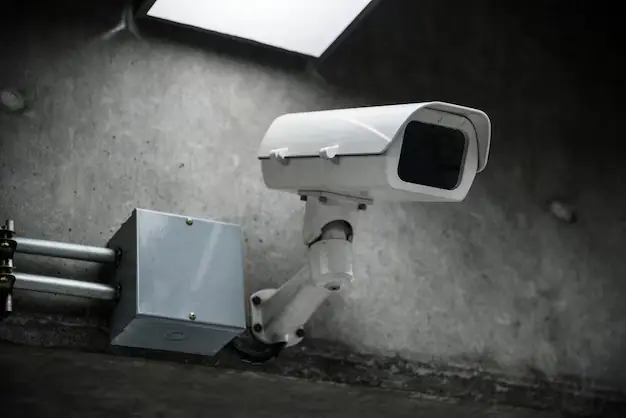
These are security cameras engineered to keep working in conditions that would destroy a regular camera. They use reinforced housings, sealed optics, and components rated for wide temperature ranges.
The term covers a broad range of products. Some are built for outdoor weather. Others are designed for chemical plants, oil rigs, mining sites, or food processing facilities where moisture, heat, or explosive gases are daily realities.
What separates them from standard cameras isn’t just a tougher case. It’s the entire design, from the circuit board materials to the cable entry points to the lens coating. At Cam Security Surveillance, we’ve seen firsthand how the wrong camera in the wrong environment fails within weeks, no matter how good the specs looked on paper.
Types of Harsh Environments Security Cameras
Not all tough cameras are the same. Each type is built for a specific kind of stress.
Weatherproof Outdoor Cameras
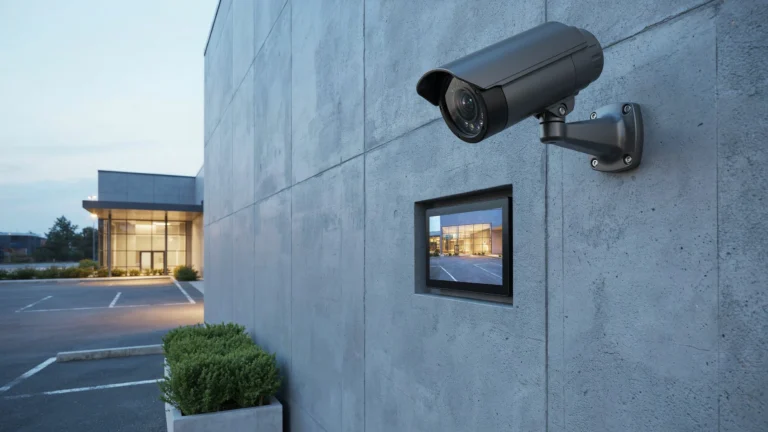
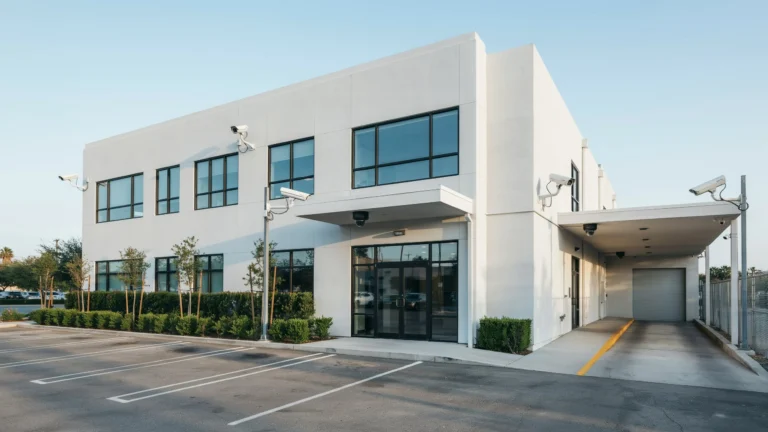
These handle rain, wind, humidity, and temperature swings. They carry an IP65 or IP66 rating, meaning they’re fully dust-tight and protected against powerful water jets. Good for parking lots, building exteriors, and construction sites.
Explosion-Proof Cameras
Used in hazardous area camera applications like oil refineries, chemical plants, and grain storage facilities. These cameras are built to contain any internal spark so they can’t ignite flammable gases or dust in the surrounding air. They carry ATEX or IECEx certifications.
Vandal-Resistant Cameras
Built with impact-resistant domes and metal housings rated to IK10, the highest impact protection rating. Used in prisons, public transit stations, and high-crime areas.
Marine-Grade Cameras
Designed for boats, docks, and offshore platforms. The housings resist saltwater corrosion through stainless steel or coated aluminum construction. Standard cameras rust within months in marine environments.
High-Temperature Cameras
Used in steel plants, foundries, and industrial ovens where temperatures can exceed 150°C. They use thermal management systems and heat-resistant materials to keep electronics functioning.
PTZ Cameras for Industrial Use
Pan-tilt-zoom cameras designed for large industrial sites. They combine wide coverage with zoom capability and are built into weatherproof or explosion-proof housings.
If you’re in Indianapolis and need help selecting and installing the right type for your site, Cam Security Surveillance provides professional CCTV installation services in Indianapolis for commercial and industrial properties of all sizes.
Key Features to Look For
Buying the wrong camera for a tough environment is an expensive mistake. These are the features that actually matter.
IP Rating
The Ingress Protection (IP) rating tells you how well the camera resists dust and water. The first digit covers solids (dust), the second covers liquids (water).
- IP65: Dust-tight, protected against water jets
- IP66: Dust-tight, protected against powerful water jets
- IP67: Dust-tight, protected against temporary immersion
- IP68: Dust-tight, protected against continuous submersion
For most outdoor harsh environment camera solutions, IP66 is the minimum you should consider.
IK Rating
This measures impact resistance. IK10 is the highest rating, meaning the camera housing can withstand a 20-joule impact. That’s roughly the force of a 5kg weight dropped from 40cm. Any camera in a public or industrial area should have at least IK08.
Operating Temperature Range
Standard cameras typically operate between 0°C and 50°C. Cameras for harsh environments often operate from -40°C to 60°C or higher. Always check this spec before buying for cold storage facilities, outdoor installations in northern climates, or high-heat industrial settings.
Corrosion Resistance
In coastal, marine, or chemical environments, the housing material matters. Look for 316-grade stainless steel, coated aluminum, or fiberglass-reinforced polymer housings. Standard die-cast aluminum corrodes quickly in salt air.
Explosion-Proof Certification
If your site has flammable gases, vapors, or combustible dust, a standard camera is a safety hazard. Look for ATEX Zone 1 or Zone 2 certification depending on your risk level.
Image Quality in Low Light
Harsh environments often have poor lighting. Look for cameras with wide dynamic range (WDR), low-lux sensors, and IR illumination rated for the distances you need to cover.
Best Industries That Need Cameras for Harsh Environments
These industries rely on tough cameras as a core part of their safety and security infrastructure.
Oil and Gas: Refineries, pipelines, and offshore platforms need explosion-proof cameras that can handle flammable atmospheres and saltwater exposure simultaneously.
Mining: Underground mines deal with dust, vibration, humidity, and darkness. Cameras here need robust dust protection and wide-angle lenses for tunnel coverage.
Food and Beverage Processing: Facilities that use high-pressure washdowns need cameras rated IP69K, the highest water resistance rating, to survive daily cleaning cycles.
Steel and Metal Manufacturing: Extreme heat, sparks, and airborne particles make this one of the toughest camera environments. High-temperature housings and thermal management are essential.
Wastewater Treatment: Cameras here face constant moisture, hydrogen sulfide gas, and corrosive chemicals. Stainless steel housings and sealed electronics are non-negotiable.
Cold Storage and Refrigeration: Temperatures below -20°C cause standard cameras to fail within days. Cameras rated for extreme cold keep operating where others stop.
Ports and Shipyards: Salt air, humidity, and heavy equipment all challenge standard cameras. Marine-grade construction handles these conditions reliably.
Common Challenges in Harsh Environments
 There are several types of cameras for harsh
Even well-chosen cameras face these problems in tough conditions. Knowing them helps you plan better.
Condensation inside the housing: Temperature swings cause moisture to form inside sealed housings. Look for cameras with built-in heaters and blowers, or desiccant-sealed enclosures.
Vibration damage: Heavy machinery creates constant vibration that loosens connections and damages sensors over time. Cameras rated for vibration resistance use shock-mounted internal components.
Lens contamination: Dust, oil mist, and chemical vapors coat lenses and reduce image clarity. Some camera harsh conditions applications require wiper attachments or pressurized air purges to keep lenses clear.
Cable failure at entry points: The weakest point in any outdoor camera installation is where the cable enters the housing. Look for compression glands and sealed conduit fittings to prevent water ingress.
False IR reflections: In dusty or foggy environments, IR illumination bounces off particles and washes out the image. Some cameras include IR cut filters and adjustable IR power to compensate.
How to Choose the Right Camera for Harsh Conditions
Follow this process to avoid buying the wrong camera.
Step 1: Define the specific hazards. Is it heat, cold, moisture, dust, chemicals, impact, or flammable gases? The hazard determines the required rating. Don’t guess.
Step 2: Check the IP and IK ratings. Match them to your environment. A dusty, dry site needs a high first digit. A wet site needs a high second digit. A site with both needs high scores on both.
Step 3: Confirm the temperature range. Look at the coldest winter night and the hottest equipment surface your camera might face. Your camera’s operating range must cover both.
Step 4: Check certifications for hazardous areas. If flammable materials are present, you need ATEX or IECEx certification. This is not optional. It’s a safety and legal requirement.
Step 5: Plan for maintenance access. Cameras in extreme environments need cleaning and occasional servicing. Choose mounting locations and housing types that allow safe access.
Step 6: Match the camera to your recorder. Extreme weather cameras are useless if they aren’t compatible with your NVR or DVR. Confirm the signal format, resolution, and network protocol before purchasing.
Wired vs Wireless Cameras for Harsh Environments
| Feature | Wired | Wireless |
| Reliability | Very high | Signal can drop |
| Installation | Harder in tough sites | Easier in remote areas |
| Power | Consistent via PoE or direct | Battery life limited in cold |
| Interference | None | Can face RF interference |
| Best for | Permanent industrial installs | Remote or temporary sites |
In most industrial harsh environment camera solutions, wired cameras are the preferred choice. Wireless cameras are better suited for temporary monitoring or locations where cable runs are impractical.
One important note: cold temperatures reduce battery life significantly. A wireless camera rated for -20°C may only deliver 30% of its normal battery life at that temperature. Plan for more frequent charging or use wired power wherever possible.
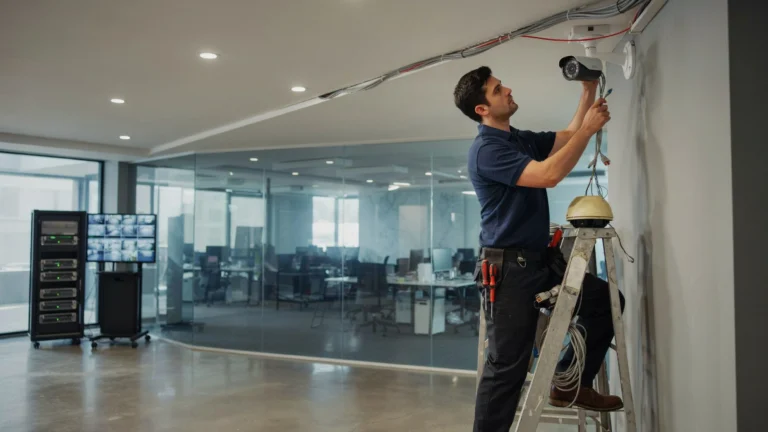
Installation Tips for Harsh Environment Cameras
 Cameras for harsh environments offer several
Use conduit for all cable runs. Exposed cable deteriorates quickly in harsh conditions. Run all cables through metal or heavy-duty plastic conduit sealed at every junction.
Seal every entry point. Use waterproof compression glands where cables enter housings or junction boxes. A single unseal entry point lets in enough moisture to destroy the electronics.
Orient cameras to minimize direct exposure. Face cameras away from prevailing winds, direct sunlight, and heat sources where possible. This extends housing life significantly.
Use a junction box. Never terminate cables directly at the camera in harsh conditions. Use a sealed junction box nearby to protect connections from the environment.
Test before final mounting. Power on the camera and check the image before permanent installation. Fixing a faulty camera after it’s mounted 30 feet up a pole in an industrial plant is far more costly.
Follow manufacturer torque specs. Over-tightening housing bolts cracks seals. Under-tightening allows water ingress. Use a torque wrench and follow the spec sheet.
Maintenance Tips for Long-Term Performance
Even the toughest cameras need regular attention.
Clean lenses monthly in dusty or chemically active environments. Use a soft cloth and a lens-safe cleaning solution. Scratched lenses are permanent and reduce image quality.
Inspect seals annually. O-rings and gaskets degrade over time. Replace them on schedule, not after failure.
Check cable entry points after extreme weather. Ice expansion and heavy rain stress sealed entry points. Inspect and reseal as needed after major weather events.
Update firmware regularly. Manufacturers push firmware updates that fix bugs and improve performance. Set a reminder to check every six months.
Log performance issues. If a camera starts producing inconsistent images or dropping connections, document it. Early patterns often predict failures before they happen.
Common Mistakes to Avoid
Buying based on price alone. A cheap camera that fails in six months costs more than a quality camera that lasts ten years. Total cost of ownership matters.
Ignoring certification requirements. Using a non-certified camera in a hazardous area is a safety violation. It can also void your insurance.
Underestimating cable protection. Most harsh environment camera failures trace back to cable damage or water ingress at connection points, not the camera housing itself.
Choosing too narrow a temperature range. Always add a buffer of at least 10°C on both ends of your expected range. Equipment generates heat. Unexpected cold snaps happen.
Skipping a site assessment. Every site has unique challenges. A walk-through with a qualified installer before purchasing saves significant money and time.
Future Trends in Harsh Environment Surveillance
The technology in this space is improving quickly.
AI-powered analytics in rugged cameras are becoming standard. Cameras now detect specific events like falls, intrusions, or equipment anomalies rather than just recording footage.
Thermal imaging integration is growing in industrial settings. Cameras that combine visible light and thermal imaging catch equipment overheating before it becomes a fire risk.
5G connectivity for remote sites is making wireless cameras more viable in locations where traditional networks don’t reach. Mining sites and remote pipelines are early adopters.
Self-cleaning lens technology using hydrophobic coatings and ultrasonic vibration is reducing maintenance requirements in extremely dusty or wet environments.
Edge computing cameras process footage locally rather than sending it to a central server. This reduces bandwidth requirements and keeps systems working even when network connectivity is limited.
Conclusion
Cameras for harsh environments aren’t a luxury for industrial sites. They’re a necessity. A standard camera placed in the wrong environment fails fast, leaves you with no footage, and costs more to replace than a proper unit would have cost upfront.
The right camera harsh conditions approach starts with understanding your specific hazards, matching your IP and IK ratings to them, and working with installers who know what they’re doing. Don’t cut corners on certification, cable protection, or maintenance. These cameras protect people, assets, and operations that can’t afford a blind spot.
If you need help selecting or installing cameras for a tough environment, contact us at Cam Security Surveillance. We’ll assess your site and recommend the right solution.
FAQs
What makes cameras for harsh environments different from regular cameras?
They use reinforced housings, sealed electronics, wider temperature ranges, and certified materials designed to withstand dust, water, impact, chemicals, and extreme temperatures.
What IP rating do I need for outdoor harsh environments?
IP66 is the minimum for most outdoor installations. For sites with high-pressure washdowns, look for IP69K.
What is an explosion-proof camera?
It’s a hazardous area camera certified to contain any internal spark, preventing it from igniting flammable gases or dust in the surrounding atmosphere. Required in oil, gas, and chemical facilities.
Can extreme weather cameras work in very cold temperatures?
Yes. Cameras rated for harsh environments often operate down to -40°C. Standard cameras typically fail below 0°C.
How often should harsh environment cameras be serviced?
Inspect seals and clean lenses at least every six months. In extremely dusty or chemically active sites, monthly inspections are better.
What does IK10 mean on a security camera?
IK10 is the highest impact resistance rating. It means the camera housing can withstand a 20-joule impact without damage.
Are harsh environment camera solutions more expensive?
Yes, upfront. But the total cost over five to ten years is typically lower because they don’t need frequent replacement like standard cameras placed in tough conditions.