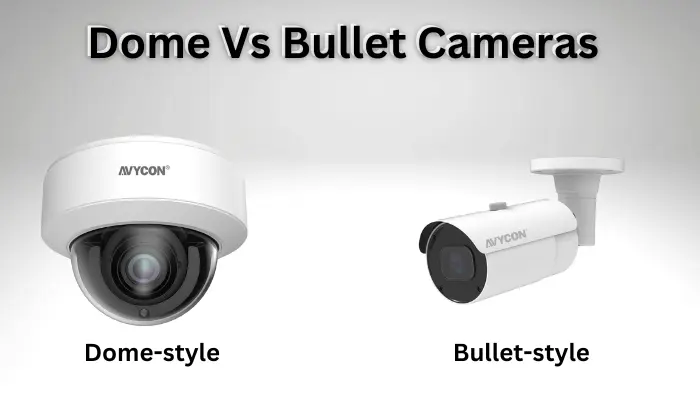
Need a fast answer? Dome cameras work best for indoor spaces and areas where you want a low profile. Bullet cameras work best for outdoor spaces where you need long range and visible deterrence. Your final pick depends on your building layout, budget, and what you want people to see or not see.
That said, the real answer is more detailed than a one-line rule. This guide breaks down Dome vs Bullet Cameras so you can match the right camera to each spot on your property, not just guess and hope it works.
What Are Dome Cameras?
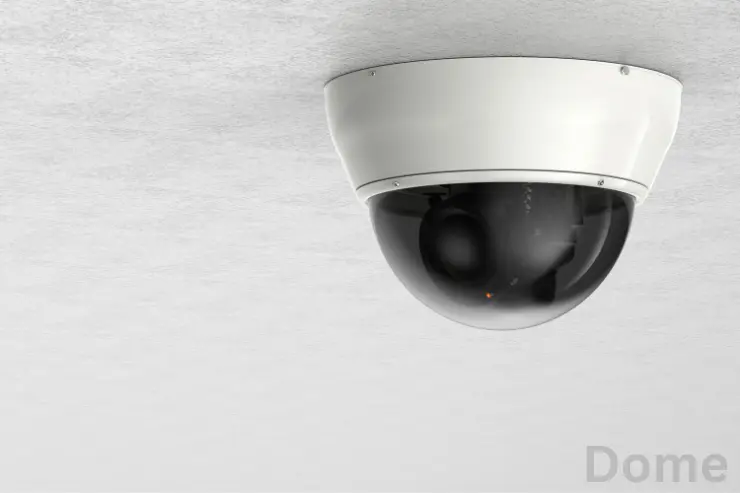
A dome camera is a security camera housed inside a rounded, dome-shaped cover. You’ll spot these on ceilings in stores, offices, hallways, and lobbies. The dome shell hides the direction the lens points, so people can’t tell what the camera is watching.
Most dome cameras sit flush against a ceiling or wall. This low-profile design blends into a room instead of standing out. Many models also come with vandal-resistant covers, which makes them harder to disable by hand.
Dome cameras usually cover a wide field of view. Some models rotate or tilt, which lets one camera cover a large room from a single spot. This makes them a smart pick for retail floors, waiting rooms, and open offices.
What Are Bullet Cameras?
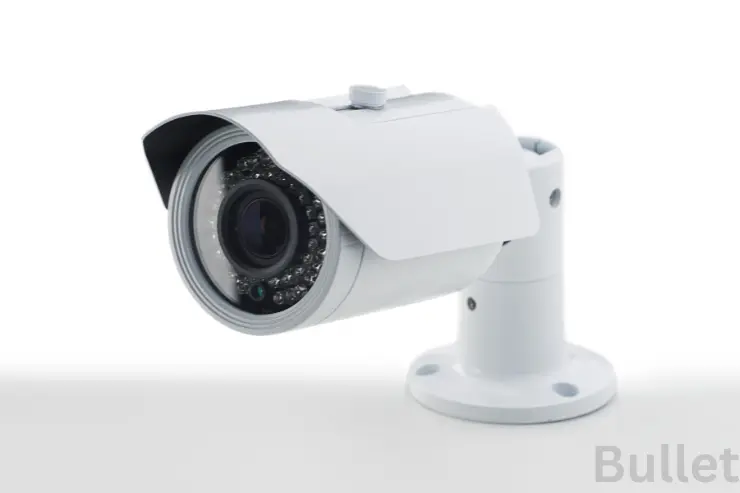
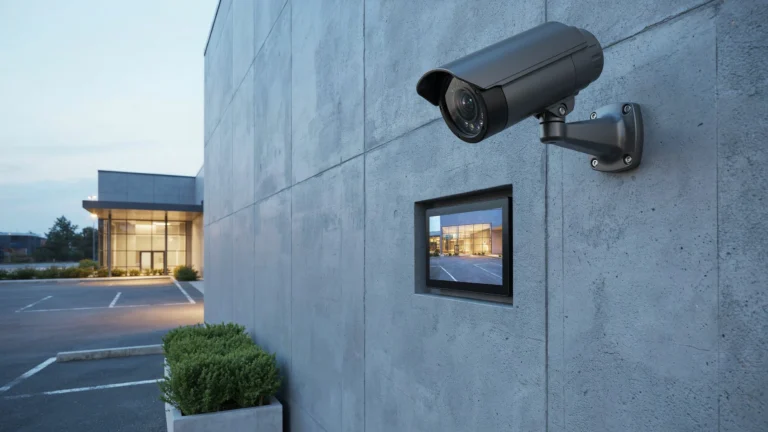
A bullet camera is a long, cylinder-shaped camera that looks a bit like a bullet or a small tube. You’ll usually see these mounted on outdoor walls, rooflines, and parking lot poles. The shape makes the lens direction obvious, since the camera points straight ahead in one clear line of sight.
Bullet cameras are built for distance. Many models come with strong zoom and infrared night vision, so they catch clear footage of license plates, faces, and entry points from far away.
Because the housing is visible and easy to spot, bullet cameras double as a warning sign. People notice them right away, which often stops trouble before it starts.
Dome vs Bullet Cameras: Key Differences
When comparing dome vs bullet camera options, the biggest differences come down to placement, visibility, and range.
Dome cameras blend into ceilings and walls. Bullet cameras stand out and point in one clear direction. Dome cameras suit shorter distances indoors. Bullet cameras cover longer stretches outdoors, like parking lots, driveways, and fence lines.
Installation also differs. Dome cameras mount flush to a flat surface. Bullet cameras need a mounting arm or bracket, which gives installers more freedom to angle the shot exactly where they want it.
Weatherproofing matters too. Most bullet cameras come built for rain, heat, and cold right out of the box. Dome cameras need an outdoor-rated housing if you plan to use them outside.
Visibility and Crime Deterrence
This is one of the biggest factors in the bullet vs dome camera debate. Bullet cameras are built to be seen. The shape alone tells a person they’re being recorded, which can stop a break-in attempt before it happens.
Dome cameras work differently. Since the lens direction stays hidden, a person can’t tell if the camera is even pointed at them. This uncertainty works well indoors, where you want coverage without drawing attention to it, such as at a cash register or stockroom.
If deterrence is your top priority, bullet cameras usually win. If discreet, wide-area monitoring matters more, dome cameras take the lead.
Advantages of Dome Cameras
Dome cameras offer several strong benefits for indoor security:
- Low profile design that blends into any room
- Hidden lens direction, which keeps people guessing
- Vandal-resistant housings on many models
- Wide field of view, great for open spaces
- Easy to mount flush against ceilings
Advantages of Bullet Cameras
Bullet cameras bring their own set of strengths, especially outdoors:
- Long range zoom for clear detail at a distance
- Strong infrared night vision in most models
- Visible design that acts as a deterrent on its own
- Weatherproof housing built for outdoor conditions
- Flexible mounting angle with an adjustable bracket
Disadvantages of Dome Cameras
Dome cameras aren’t perfect for every setup. The dome cover can create glare at night under bright lights, which sometimes blurs the image. Zoom range also tends to be shorter than bullet cameras, so they’re not the best choice for long outdoor stretches. Dust or fingerprints on the curved shell can also blur the picture, and cleaning it isn’t always simple.
Disadvantages of Bullet Cameras
Bullet cameras have their own tradeoffs. Because the housing is easy to spot, a person planning a break-in can sometimes tell exactly what area is covered and avoid it.
The visible mounting bracket also makes bullet cameras an easier physical target for tampering compared to a flush-mounted dome. And since they usually point in one fixed direction, you may need more units to cover a wide area compared to a single rotating dome.
Weather Resistance and Durability
Outdoor conditions push cameras hard, and this is where bullet cameras usually have the edge. Most bullet models ship with weatherproof ratings built for rain, snow, heat, and direct sun.
Dome cameras can handle outdoor use too, but only with the right housing. Always check the IP rating before installing a dome camera outside. A basic indoor dome camera will not hold up long against the elements.
Vandal resistance leans toward dome cameras. The rounded, low-profile shell is harder to grab or rip off a wall compared to a bullet camera’s exposed body and bracket.
Which Camera Is Better for Different Business Types?
The Dome vs Bullet Cameras answer changes based on what kind of business you run.
Retail stores often do best with dome cameras at entrances, aisles, and registers, paired with bullet cameras covering the parking lot and loading dock.
Warehouses benefit from bullet cameras along the perimeter and dome cameras inside, where wide coverage of forklift paths and storage rows matters more than long range.
Offices usually lean on dome cameras in lobbies, hallways, and meeting rooms, since a discreet look fits the professional setting better.
Restaurants often mix both, with dome cameras near the register and kitchen, and bullet cameras watching the entrance and back alley.
Auto shops and lots tend to rely heavily on bullet cameras, since long range coverage of vehicles and gates matters most.
Should You Use Both Dome and Bullet Cameras?
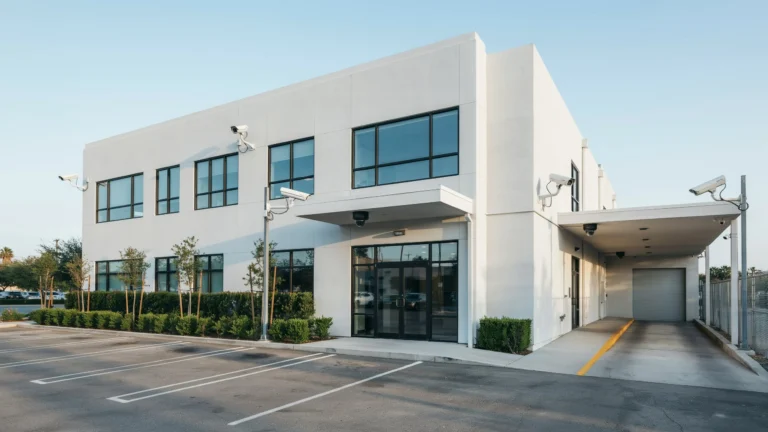
In most cases, yes. A full security system rarely relies on just one camera type. Dome cameras handle indoor spaces where a low profile and wide coverage matter. Bullet cameras handle the outdoor perimeter, entry points, and parking areas where range and visible deterrence matter more.
This combined approach closes gaps that a single camera type would leave open. Many businesses that ask about dome vs bullet cameras end up installing both, once they see how each one covers a different job.
Important Features to Consider Before Buying
Once you’ve settled the Dome vs Bullet Cameras question for each area of your property, check these features before you buy either type:
- Resolution: Look for at least 1080p, though 4K gives sharper detail for zoomed-in footage.
- Night vision range: Confirm how far the infrared range reaches in full darkness.
- Field of view: Wider angles cover more ground with fewer cameras.
- Storage type: Decide between cloud storage, a local DVR, or both.
- Weatherproof rating: Check the IP rating for any camera going outdoors.
- Remote access: Make sure you can view live footage from your phone.
- Motion alerts: Real-time alerts help you catch issues as they happen, not after.
Professional Installation vs DIY
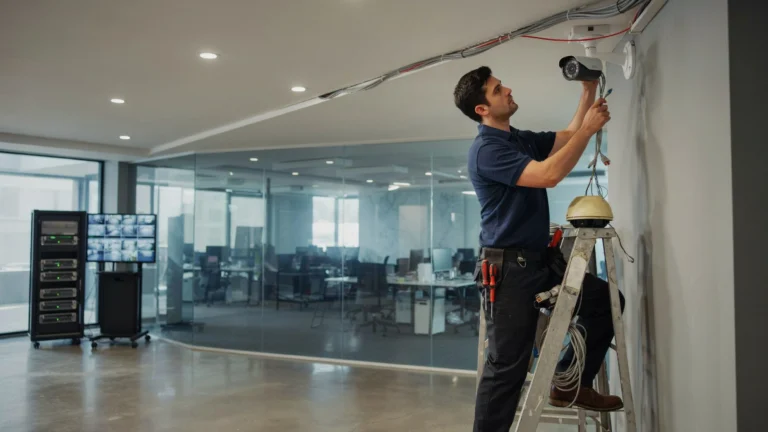
DIY camera kits look tempting because they seem cheaper upfront. But wiring, camera angles, and blind spots are easy to get wrong without training. A camera aimed a few degrees off can miss the exact spot where trouble happens.
Professional installers know how to place dome and bullet cameras for full coverage, without leaving weak points at doors, windows, or loading areas. They also handle wiring, power, and network setup correctly the first time, which saves you from callbacks and troubleshooting later.
If you’re searching for security camera installation Indianapolis, a trained team can walk your property, map out blind spots, and set up the right mix of dome and bullet cameras for your exact layout. That kind of planning is hard to match with a self-install kit from a big box store.
Why Businesses Choose Cam Security Surveillance
Cam Security Surveillance works with business owners to design camera systems built around the actual layout of their property, not a generic package. The team walks the site, points out weak spots, and recommends the right mix of dome and bullet cameras based on real coverage needs.
From indoor lobbies to outdoor loading docks, Cam Security Surveillance handles the full job, including wiring, mounting, and remote access setup. That hands-on approach is why many local businesses trust Cam Security Surveillance over a DIY kit or a one-size-fits-all provider.
Conclusion
Dome vs Bullet Cameras isn’t really a question of which one is better overall. It comes down to where you need coverage and what you want people to notice. Dome cameras fit indoor spaces where a low profile and wide view matter most. Bullet cameras fit outdoor areas where range and visible deterrence carry more weight.
Most businesses end up needing both, placed with a clear plan rather than guesswork. Whether you’re comparing dome vs. bullet cameras, weighing a bullet security camera vs. dome setup, or planning a complete surveillance system from scratch, matching each camera to the right location is what truly protects your property. If you’re ready to design a security system that fits your business, contact us today. Our experts will help you choose the right camera combination and provide professional installation for reliable, long-term protection.
FAQs
Are bullet cameras better than dome cameras?
Neither type is better across the board. Bullet cameras suit long-range outdoor coverage, while dome cameras suit wide indoor coverage with a discreet look.
Do dome cameras work well outside?
Yes, but only with an outdoor-rated housing. Check the IP rating before mounting a dome camera outside.
Which camera is harder to tamper with?
Dome cameras tend to resist tampering better, since the low-profile shell is harder to grab compared to a bullet camera’s exposed housing.
Can I mix dome and bullet cameras in one system?
Yes, and most full coverage systems do exactly that. Dome cameras handle indoor areas while bullet cameras cover the outdoor perimeter.
How far can a bullet camera see at night?
This depends on the model, but many bullet cameras offer infrared night vision that reaches well beyond what a standard dome camera can cover.