You just moved into a new apartment and noticed cameras in the hallway. Now you’re wondering what they actually capture. Most apartment cameras in common areas run continuously, but not all of them record the same way. Some use motion detection. Others record 24/7. It depends on the system, the landlord, and the building’s setup.
So, do apartment cameras record all the time? The short answer is: it depends, but most do. This guide breaks down how these systems work, where cameras are placed, and what your rights are as a renter.
How Apartment Security Cameras Typically Work
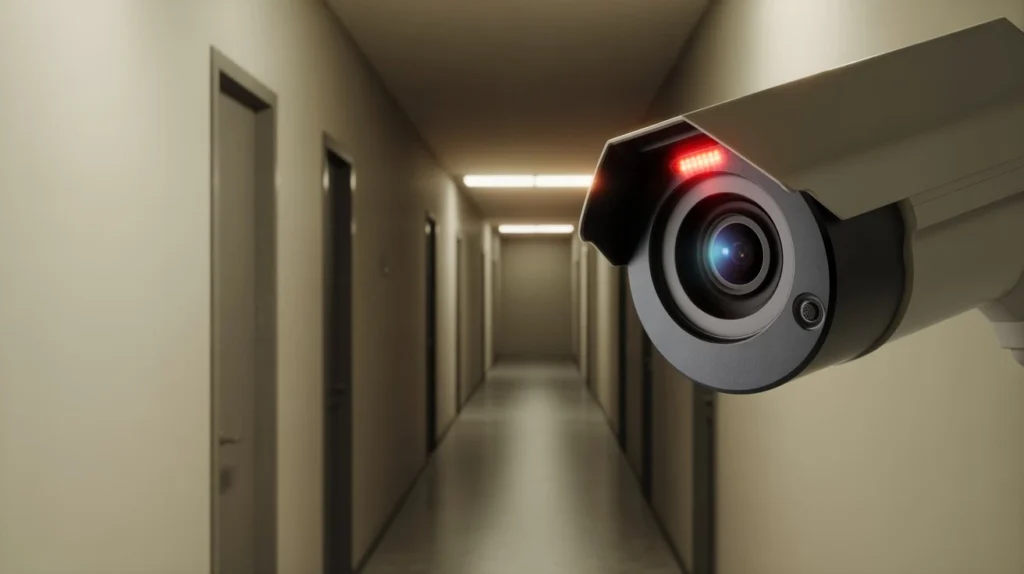
Apartment security cameras are not all built the same. There are two main recording modes you’ll find in most buildings.
Continuous recording means the camera never stops. It records every second of every day. This type is common in larger complexes with dedicated security teams or on-site staff.
Motion-activated apartment cameras only record when they detect movement. This saves storage space and reduces review time. Many smaller buildings prefer this option because it is cheaper to manage.
Most modern apartment surveillance camera systems combine both. They record constantly at low resolution, then switch to high resolution when motion is detected. This gives building managers the best of both worlds.
The footage is stored either on-site using DVR or NVR systems, or off-site through cloud-based platforms. Cloud systems are growing in popularity because they are harder to tamper with and easier to access remotely.
Areas Where Apartment Cameras Are Usually Installed
Cameras in apartment buildings are not placed randomly. Property managers follow specific patterns when deciding where to install them.
Common camera locations include:
- Building entrances and exits — The front door, back door, and parking garage entrances are almost always covered. This is where most security incidents happen.
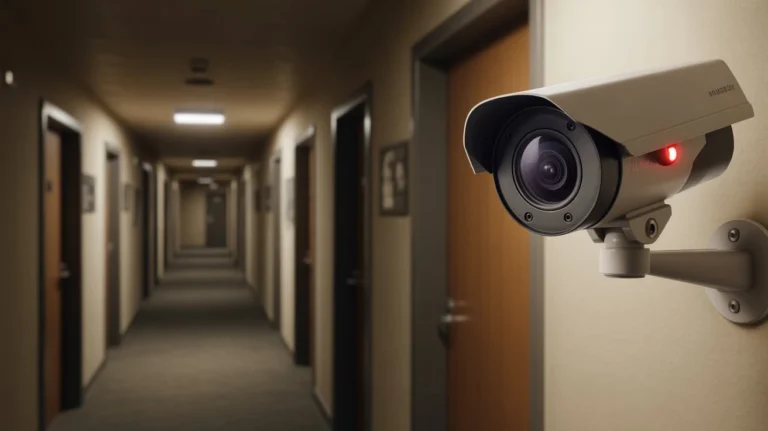
- Hallways and stairwells — Long hallways and stairwells are monitored to track movement and identify suspicious activity.
- Elevators — Nearly every elevator in a modern apartment building has at least one camera inside it.
- Parking lots and garages — These areas see high rates of vehicle break-ins and vandalism, so cameras here are standard.
- Mail rooms and package areas — With package theft rising, many landlords now install cameras specifically over mailboxes and delivery zones.
- Laundry rooms — Disputes over theft or damage in shared laundry areas are common. Cameras help resolve them quickly.
- Pool areas and gyms — Shared amenities are often monitored for safety and liability reasons.
A security camera for apartment complex coverage typically forms a ring around the building’s perimeter and monitors all shared interior spaces. At Cam Security Surveillance, we help property managers design layouts that eliminate blind spots without invading tenant privacy.
What cameras cannot legally cover: inside your unit, bathroom areas, or any space where you have a reasonable expectation of privacy. This is protected under federal and state privacy laws in most of the U.S.
Do Apartment Cameras Record Audio Too?
This is one of the most common questions renters ask, and the answer matters legally.
Most apartment security cameras are video-only. Audio recording in shared spaces is heavily regulated. In many U.S. states, recording audio without consent from all parties is illegal. This is called a “two-party consent” or “all-party consent” law.
States like California, Florida, and Illinois require everyone present to consent before audio can be recorded. If your building records audio without disclosing it, that could be a legal issue for the property owner.
If you are unsure, you can ask your landlord directly. You can also check your lease agreement. Many buildings that record audio are required to post visible signage near cameras.
How Long Is Apartment Camera Footage Stored?
Apartment security cameras recording doesn’t last forever. Storage has limits, and most systems overwrite old footage on a rolling schedule.
Here is a general breakdown:
| System Type | Typical Retention Period |
| Basic DVR systems | 7 to 14 days |
| Mid-range NVR systems | 14 to 30 days |
| Cloud-based systems | 30 to 90 days |
| High-security complexes | Up to 6 months |
The length depends on how much storage the system has and how many cameras feed into it. Higher-resolution cameras eat through storage faster. Motion-activated apartment cameras tend to retain footage longer because they record less overall.
If you need footage for a legal or insurance reason, act fast. Most buildings will not hold footage indefinitely. Submit a written request to your property manager as soon as possible.
Signs That Apartment Cameras Are Recording
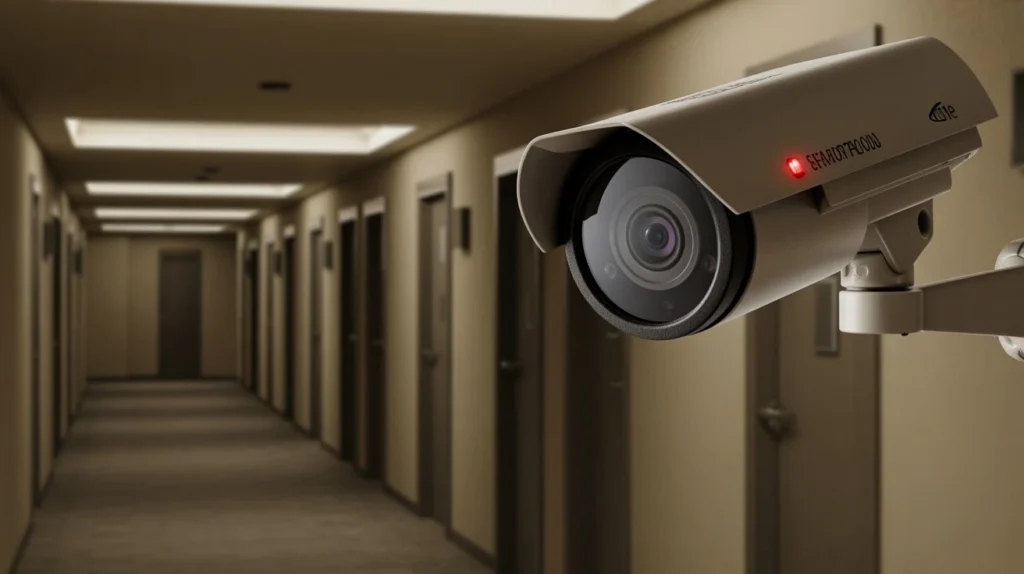
You do not always have to ask whether cameras are active. There are physical signs you can look for.
Indicator lights: Many security cameras have a small red or green LED that glows when recording. However, some property managers disable these lights on purpose to avoid drawing attention.
Camera orientation: A camera pointed at a high-traffic area and connected to visible wiring is almost certainly active.
Posted signage: Responsible property managers post signs that say “This area is under video surveillance.” This is both a legal requirement in some states and a deterrent for bad actors.
DVR/NVR equipment in a utility room: If you ever notice a locked cabinet near the office with blinking lights and cables running through the walls, that is likely the recording hardware.
Ask your landlord directly: You have every right to ask whether cameras in common areas are recording, how the footage is stored, and who has access to it.
Benefits of 24/7 Apartment Camera Recording
Do apartment cameras record all the time by default in well-managed complexes? Yes, in most cases, and there are good reasons for it.
Deterrence: Visible cameras discourage theft, vandalism, and unauthorized entry. Studies on retail and residential security consistently show that camera presence reduces crime rates in monitored areas.
Evidence collection: When something does happen, continuous footage gives investigators a clear record. This helps in police reports, insurance claims, and legal disputes.
Liability protection: For property owners, recorded footage protects against false claims. If a tenant says they slipped in the lobby, footage can confirm or dispute that.
Faster emergency response: Some modern apartment surveillance camera systems are connected to live monitoring services. If they detect unusual activity, they alert security personnel in real time.
Peace of mind: For renters, knowing that common areas are monitored can genuinely improve how safe they feel at home.
Potential Concerns With Constant Recording
Continuous apartment security cameras recording does raise some fair concerns.
Privacy in shared spaces: Even in legal gray areas, some renters feel uncomfortable knowing their daily routines are being tracked. When you walk out every morning, what time you come home, who visits you — all of that can be visible in hallway footage.
Data security risks: If a building’s camera system gets hacked, that footage could be accessed by unauthorized parties. This is especially concerning with poorly secured cloud setups.
Lack of transparency: Not all landlords are upfront about their systems. Some renters do not know what is being recorded, how long it is stored, or who can view it.
Misuse by management: While rare, there have been cases where landlords misused camera access. Footage viewed outside of security purposes is a serious privacy violation.
To protect yourself, read your lease carefully. Ask specific questions before you sign. And if your state has tenant rights organizations, they can help you understand exactly what your landlord is legally allowed to record.
What Happens If a Camera Breaks or Goes Offline?
This is something most renters never think about until something goes wrong.
If an apartment camera goes offline, that segment of time is simply unrecorded. There is no backup in most standard systems unless redundant cameras cover the same area.
Responsible property managers check system health regularly. High-end apartment surveillance camera systems send automatic alerts when a camera goes offline, loses connection, or gets covered. Cheaper setups rely on manual checks, which means outages can go unnoticed for days.
If you ever need footage from a specific date and the camera was offline, there may be nothing to retrieve. This is why it is worth knowing your building’s setup before a situation arises.
Best Apartment Security Camera Features to Look For
If you are a property manager choosing a system, or a renter evaluating a building’s setup, here are the features that actually matter.
High resolution: At minimum, cameras should record in 1080p. This ensures faces, license plates, and details are identifiable in footage.
Wide-angle lens: A wider field of view means fewer cameras needed to cover the same space. Look for at least 90 to 120 degrees.
Night vision: Most incidents happen at night. Infrared night vision is non-negotiable for any outdoor or poorly lit area.
Motion detection with alerts: Smart motion detection reduces false alarms and ensures important events are flagged immediately.
Tamper detection: A camera that alerts management when it is covered, moved, or damaged is far more reliable than one that can be disabled without notice.
Encrypted cloud storage: Footage stored in encrypted cloud systems is harder to hack and easier to access remotely when needed.
Easy access controls: Only authorized personnel should be able to view footage. Role-based access systems add a critical layer of security.
Do apartment cameras record all the time with all these features? The best systems do, and they do it reliably and securely.
Renter Rights and Apartment Camera Laws
Your rights matter. Here is what you should generally know.
In the U.S., there is no single federal law governing apartment cameras. Rules vary by state. But some protections are nearly universal:
- Cameras inside your private unit without consent are illegal in all 50 states.
- Cameras in bathrooms, bedrooms, or changing areas are always prohibited.
- In some states, landlords must disclose the presence of security cameras in common areas.
If you suspect a camera is placed illegally, document it and contact local law enforcement or a tenant rights attorney. Do not remove or tamper with the camera yourself.
For renters in states with strong privacy laws, landlords may be required to provide written notice of surveillance systems. Check your local statutes or consult a legal professional if you are unsure.
Conclusion
So, do apartment cameras record all the time? In most professionally managed buildings, the answer is yes, especially in shared spaces. The technology is standard, the benefits for safety are real, and when done right, it protects both renters and property owners.
What matters most is transparency. You deserve to know what is being recorded, how long it is stored, and who can access it. Ask those questions before you sign a lease. Understand your state’s privacy laws. And if you manage a building, invest in a system that is both reliable and respectful of tenant privacy.
Security and privacy do not have to conflict. The right apartment surveillance camera systems strike that balance every day. If you want help choosing the right setup for your property, contact us.
FAQs
Can apartment cameras record inside my unit?
No. Recording inside a private unit without consent is illegal in the United States and most countries. This includes hidden cameras placed by landlords.
Do apartment cameras record 24/7 or only with motion?
Both types exist. Some buildings run continuous recording. Others use motion-activated apartment cameras to save storage. Many modern systems use both depending on the area.
How can I find out if my apartment hallway camera is recording?
Look for indicator lights, posted signage, or ask your property manager directly. You are within your rights to request information about the surveillance systems in your building.
How long is apartment camera footage stored?
Most systems keep footage for 7 to 30 days. High-security systems or cloud-based setups may store footage for up to 90 days or longer.
Can my landlord watch me on the apartment camera in real time?
In common areas, yes. Landlords and authorized security staff can monitor live feeds from cameras in hallways, lobbies, and other shared spaces. They cannot monitor inside your unit.