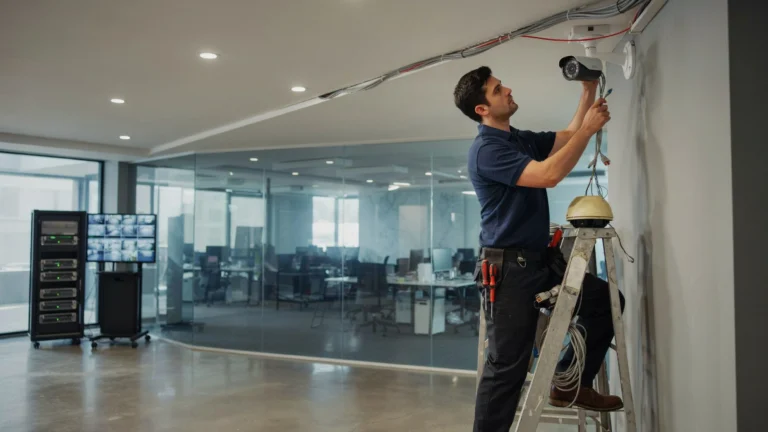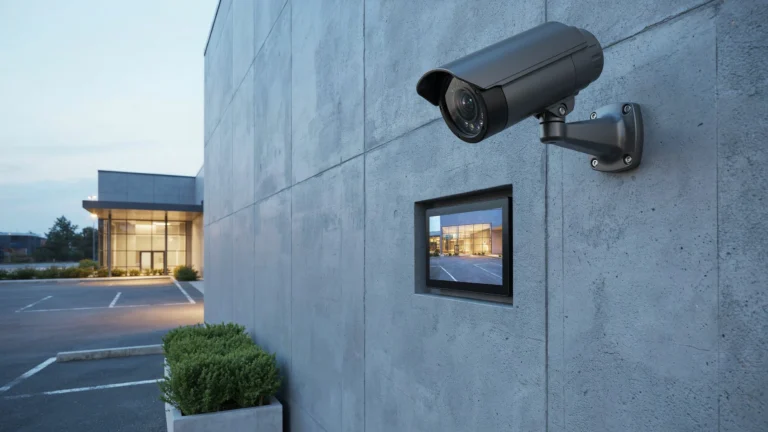
Security cameras started appearing in homes often in the late 1990s and 2000s. Their popularity increased a lot during the 2010s. Lower prices made them easier to afford. Digital recording allowed footage. Better internet access meant people could view cameras from anywhere. Smartphones made it simple to check cameras on the go. Before all these changes camera systems were expensive. They often needed help from professionals to install. Most early systems were used by businesses, government buildings and industrial sites. They were not meant for homes.
So when did security cameras become common for home security? The answer depends on the meaning of common. Home surveillance existed earlier. Affordable cameras, with remote viewing really helped bring them into more homes. This shift happened during the 2000s and 2010s.
When Were Security Cameras First Invented?
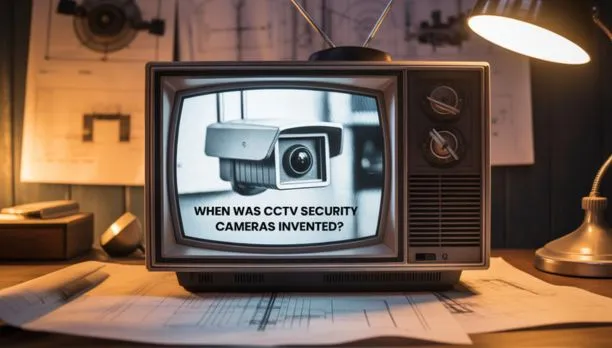
The history of security cameras started a time before home surveillance became common. Early systems were created for jobs not for regular use by people living in houses. In 1942 a German engineer named Walter Bruch helped create a closed-circuit television system that was used to watch V-2 rocket tests. The cameras let workers see tests from a safer place. This early example showed how video could help people watch events without being close by.
The term closed-circuit television or CCTV refers to a system that sends video to screens or devices that record it. Unlike television CCTV video is not shown to everyone. Early systems were expensive. Required people who knew how to use them. Cameras, monitors, wires and recording tools took up a lot of space. These problems made it hard for most families to use them at home.
The question of when CCTV cameras were created is different, from when they became common in homes. Early surveillance systems appeared years before home cameras became cheap and easy to use.
When Did Security Cameras Start Appearing in Homes?
Security cameras started to show up in some homes as surveillance tools became easier to get during the half of the twentieth century. There wasn’t one year when home cameras suddenly became popular. During the 1970s and 1980s people who had money could use cameras to watch doors, gates, garages and important items. These setups usually needed wires and special screens.
Recording was not as simple as it is now. Some systems used tapes while others had a few ways to keep the videos. Homeowners had to handle the equipment and the videos on their own. For people a simple alarm system, better locks and lights outside were better options. Security cameras were a cost and not something most homes had.
Early home surveillance had its limits. The pictures were often not clear compared to today and looking at the videos usually meant needing the recording machine. Homeowners could not just open an app. See their front door from anywhere. As prices went down and the tools got better home cameras became easier to think about. This slow change helped set the stage for use in the years to come.
How the 1990s Changed Home Security Cameras
The 1990s brought changes to surveillance. Digital technology began to make recording, saving and reviewing footage easier. I remember how surveillance used to be slow and clunky. Before this period many CCTV systems used analog cameras and videotape. Owners had to rewind tapes to find a recorded event. Tapes could wear out. Recording over old footage could erase useful evidence. I could see how frustrating that was.
Digital video recording changed this process. A digital video recorder (DVR) could save footage to a drive. Users could search recordings without rewinding hours of tape. Systems could also manage footage from cameras in one place. I think digital video recording made life easier for many.
Network technology opened options. In 1996 Axis introduced the NetEye 200 a network camera. It showed how a camera could send video through a computer network of relying only on traditional CCTV connections. I was surprised by how surveillance could be networked. However the 1990s helped build the tools used by home security systems. Better recording and network access made surveillance more practical, for homes and small businesses. I see how surveillance is now part of life.
Why Security Cameras Became More Common in the 2000s
During the 2000s home security cameras became easier to use as recording tools and network services improved. More homeowners could consider home security cameras as part of a security plan. DVR systems reduced the work involved in storing and finding video. Of managing several tapes users could review saved footage on a screen. Hard drives also made longer recording periods practical.
Internet access created another change. Some networked systems allowed users to view footage from a computer outside the property. Remote access was not as simple or widespread as it is today. It offered a new reason to install home security cameras at home. Prices and product choices also changed over time. Homeowners could choose from camera types, recording systems and installation options. Some people used home security cameras to watch driveways or front doors while others monitored garages and side entrances.
Still home security cameras had limits. Older models could produce images, especially at night. Remote access might require network setup and many systems still needed cables and a dedicated recorder. The 2000s were a step, in the evolution of surveillance camera technology. Digital recording and early remote viewing helped make home security cameras more useful even before smartphone apps became widespread.
How Wi-Fi and Smartphones Changed Home Security in the 2010s
The 2010s marked a turning point for home security cameras. Faster home internet, improved Wi‑Fi, smartphones and simpler apps made home security cameras easier for ordinary people to manage. Earlier home security cameras often relied on a monitor or recorder. Newer connected cameras could send video to an app letting owners check their property while away. Some home security cameras also sent alerts when they detected movement.
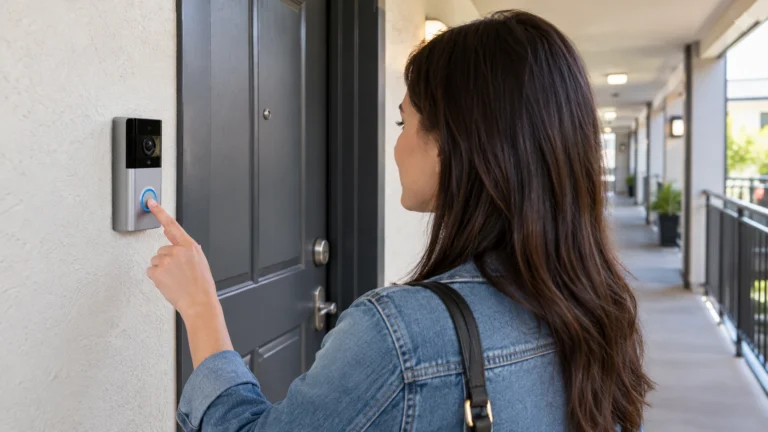
This changed how people used home security cameras in life. A homeowner could check the door during work hours. A parent could review activity near the garage. Someone expecting a delivery could see whether a package had arrived. Video doorbells also helped bring home security cameras into homes. These devices combined a doorbell, camera motion alerts. On supported models, two‑way audio. They made it possible to see visitors without installing a multi‑camera system.
Wireless cameras offered choice in placement. They reduced the need for a video cable between each camera and a recorder although many still need a power cable or regular battery charging. They also rely on a Wi‑Fi signal for network features. The rise of cameras helps answer the question When Did Security Cameras Become Common, for Home Security? The 2010s were especially important because home security cameras became easier to buy, install and check from a phone.
Why Home Security Cameras Became So Popular
I see that technology played a role but several practical benefits also helped cameras gain wider use.
Prices: I see that lower prices give homeowners options at different price levels. A basic camera can cover one entrance while larger systems can protect parts of a property.
Viewing: I see that phone apps make it easier to check a home without being there. Users no longer have to rely on a screen beside the recorder.
Motion alerts: I see that many cameras can notify owners when movement is detected. Some models can tell the difference between people, vehicles and other movement though accuracy varies.
Easy installation options: I see that battery-powered and Wi‑Fi cameras give homeowners choices. Wired systems remain useful where connections and continuous recording matter.
Recording: I see that digital storage makes it easier to save and review footage. Cloud plans and local storage also give users ways to keep recordings.
Uses: I think cameras can help monitor deliveries watch entry points and review activity around a garage or yard. Camera uses make them useful, beyond security.
For example I think a family living on a street might use one camera to watch the driveway and another near the back door. A small home could need one well‑placed camera instead of a large system. However I think cameras work best as one part of home security. Strong locks, outdoor lights, safe habits and secure doors remain important.
How Modern Home Security Cameras Have Improved
Modern cameras offer features that were difficult or costly to use in early systems. These improvements help homeowners choose equipment that matches their needs.
- Higher video quality: HD, 2K, and 4K cameras can capture more detail than many older analog models.
- Better night vision: Infrared and low-light sensors help cameras record after dark.
- Smart alerts: Some cameras can detect people, vehicles, or packages and send alerts to a phone.
- Flexible storage: Users can save recordings to a local recorder, memory card, or cloud service, depending on the model.
- Two-way audio: Supported cameras let homeowners speak with visitors through an app.
- Smaller designs: Compact indoor cameras and doorbell cameras fit more easily into modern homes.
These features are not available on every camera. Some need a paid subscription, a compatible recorder, or a reliable internet connection.
Are Home Security Cameras Common Today?
Home security cameras can now be found everywhere ranging from indoor units to complete outdoor monitoring systems. The cost, dimensions and capabilities of these devices give homeowners more options than older models did. Some households choose a video doorbell. Other households set up cameras around the house and link them to a recorder. The best arrangement depends on the layout of the property the budget of the homeowner and the security goals of the homeowner.
However purchasing a home security camera does not automatically mean security. A camera that is poorly positioned can miss a face. Leave an entrance unguarded. Weak passwords and software that is out of date can also expose devices to danger. Homeowners should use unique passwords. Homeowners should enable all account security settings. Homeowners should keep software updated. Homeowners should also examine how each home security camera stores footage and who has access, to that footage.
What Should Homeowners Consider Before Installing Security Cameras?
Before buying a system, decide which areas need monitoring. Front doors, back entrances, garages, and driveways are common places to start.
Check the camera’s resolution, night vision, field of view, and recording options. If you choose a wireless model, test Wi-Fi coverage at each planned location. For larger properties, a wired system may offer a more suitable connection. Privacy matters, too. Aim cameras at your own property and avoid recording neighbors’ private spaces. Check local rules before recording audio or shared areas.
If you need security camera installation Indianapolis, Cam Security Surveillance can help assess your property and recommend suitable camera positions. Professional planning can help reduce blind spots and match the equipment to your home’s layout.
The Future of Home Security Cameras
Home cameras are expected to continue getting better when it comes to picture quality, detecting movement and being easy to use. Artificial intelligence can already help certain models organize events and cut down on alerts that happen because of activity. Improved search features could also help people find an event in a long video. More devices might work with locks, lights and other home systems.
These features raise questions, about privacy and security. Homeowners need to know where the video is stored how long it. If a subscription is needed. A camera should make home watching simpler without causing dangers. The best system is not always the newest or the most costly. It is the one that looks after the places captures clear video and stays safe for a long time.
Conclusion
So when did security cameras become common for home security? Residential cameras became more available during the twentieth century with digital recording helping people to start using them more in the 1990s and 2000s. Wi-Fi, smartphones and easy-, to-use apps then made them much easier to use during the 2010s.
The history of security cameras shows how expensive complicated equipment became easier for normal homeowners to use. Today the best system depends on your property, coverage needs, budget and privacy concerns. Cam Security Surveillance can help you choose and install a security camera system suited to your home. Contact us to discuss camera placement and coverage options for your property.
FAQs
When did security cameras become a thing?
Security cameras began appearing in the early twentieth century. Their use expanded across industry and public spaces before residential cameras became more accessible later in the century.
When did security cameras become common in homes?
Home cameras became more practical during the 1990s and 2000s. They gained wider appeal in the 2010s as Wi-Fi, smartphones, and remote viewing became easier to use.
Were security cameras available in the 1980s?
Yes. Some homes used CCTV systems during the 1980s, but cameras were often costly and harder to manage than modern models.
When did wireless home security cameras become popular?
Wireless cameras gained wider appeal during the 2010s as home Wi-Fi, mobile apps, and connected devices improved. Adoption varied by product, price, and location.
Why did home security cameras become more affordable?
Improvements in digital sensors, video storage, network technology, and mass production helped lower costs and expand consumer choices over time.
What is the main difference between old and modern security cameras?
Older systems often relied on analog video, cables, and videotape. Modern cameras may offer HD footage, phone alerts, remote viewing, night vision, and cloud or local storage.