
Choosing the right security camera system is a tough decision when you’re trying to keep your home or business safe. So people ask, which is better: solar or hardwired security camera? RELATED: 9 Best Solar Security Lights in 2022. Both are great options if you want security, but they have differences in installation, power source, maintenance, and performance. Here are some differences to consider when selecting the right one for your needs.
Solar-powered security cameras have become very popular as they are environmentally friendly, and they can be placed in areas without convenient access to electrical wiring. A hardwired system is also considered more reliable, and consistent performance is assured since the system is continually powered. When you’re trying to determine whether a wired or wireless security camera system is best for you, there are a few things to keep in mind – your property’s layout, your Internet connection, and maintenance over the long term.
Which Is Better: Solar or Hardwired Security Cameras?
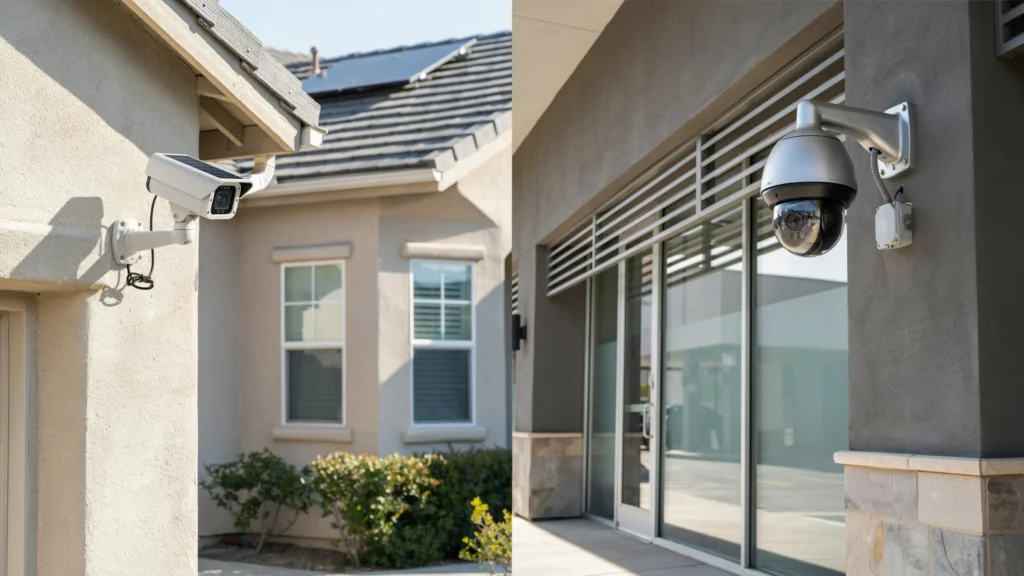
The answer is relative to what your security needs are.
If you’re looking for an easy-to-install security system with flexible placement that requires minimal wiring, solar-powered security cameras are a great option. They work well for remote locations, farmhouses, farms, and places where electricity is not accessible. If you need security camera installation Indianapolis, Cam Security Surveillance provides professional installation services to help you get the best coverage and reliable performance from your solar-powered security camera system.
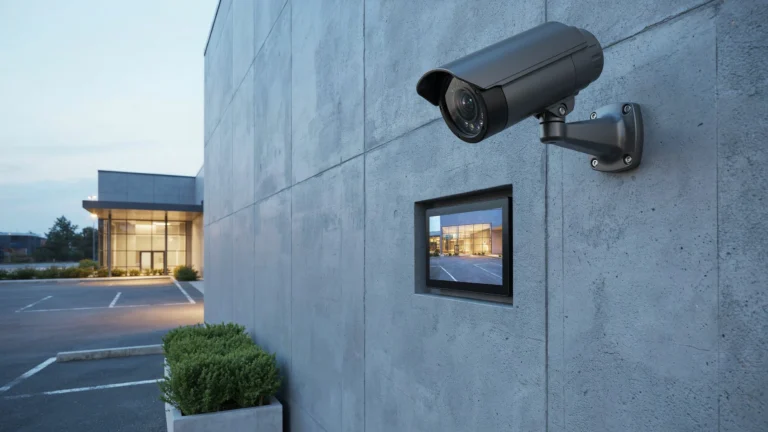
When you want a system that offers continuous power and reliable performance, a hardwired security camera system is usually the best bet. Wired cameras are popular for homes, offices, and commercial buildings as they provide reliable monitoring 24/7 over many years.
Each system can give you a very high level of security, but they both have their own unique pros and cons.
Understanding Solar Powered Security Cameras
Solar security cameras rely on solar panels to produce power in daylight. The energy is accumulated in rechargeable cells, so the camera can be used after dark or under bad weather conditions.
Most solar cameras are wireless too, meaning they connect to your Wi-Fi rather than using network cables. It’s a simple plug-and-play.
How They Work
A standard solar-powered security camera system conforms to the following:
- A high-definition camera
- A solar panel
- A rechargeable battery
- Wi-Fi connectivity
- Sensors that detect motion
- Mobile app support
The solar panel charges the battery during the day. Light energy is converted and stored as battery power drives the camera 24/7.
Advantages of Solar Powered Security Cameras
Solar-powered cameras have gained popularity for many reasons.
1. Simple Installation
The easiest installation is one of the biggest advantages.
Without power cords to run, you can place the camera just about anywhere it can get enough sunlight. Which, of course, makes them perfect for:
- Backyards
- Farms
- Cottages
- On a building site
- Garages
- Driveways
2. Good for the Environment
Solar cameras operate on solar energy or clean energy, and since they’re not charging off your grid, that means they won’t leave your electric bill higher or contribute to your carbon footprint. With solar power, that’s a big selling point for green-minded homeowners.
3. Lower Electricity Costs
Since the camera runs on solar power, it has no impact on your monthly electricity invoice.
In the long run, this can result in a nice saving of money, especially if you have several cameras to run.
4. Flexible Placement
Because they don’t need to be plugged into a power source, solar cameras can be placed in areas where regular cameras would be trickier to get set up. Some examples include:
- Garden sheds
- Fences
- Gates
- Barns
- Remote entrances
- Battery backup power supply in the line
Most solar-powered security cameras have rechargeable batteries that allow the system to work during the night or on cloudy days.
This allows for surveillance 24/7 even without the sun.
Disadvantages of Solar-Powered Security Cameras
Even though solar cameras have many advantages, there are also a few downsides to consider.
1. Weather Dependence
Solar panels need sun to charge.
Long stretches of overcast sky, rain, or snow will affect the charging.
Although the batteries provide power reserve, prolonged bad weather may demand manual charging.
2. Maintenance and Care of Batteries
After a certain time, the batteries will hold less capacity.
They might also have to be replaced after a couple of years, depending on usage.
3. Wi-Fi Dependence
Nearly all solar cameras depend on wireless internet.
Poor Wi-Fi signal can lead to:
- Notification delays
- Reduced video quality
- Camera disconnections
Understanding a Hardwired Security Camera System
A hardwired security camera system is plugged into your home’s power supply and typically uses Ethernet or coaxial cables as the medium for data transmission.
In contrast to wireless cameras, wired systems are constantly powered and do not run on rechargeable batteries.
These are popular systems among home and business owners due to their reliability and consistent performance.
Advantages of a Hardwired Security Camera System
Hardwired systems are usually recommended for long-term security by many professionals.
1. Continuous Power Supply
One of the biggest advantages of a hardwired security camera system is uninterruptible power.
Electricity allows the camera to continue working as long as it has a power source without needing to worry about battery levels.
2. Stable Connection
Hardwired cameras offer very reliable video transmission.
Because they run on physical cables rather than Wi-Fi, they are less susceptible to:
- Wireless interference
- Signal drops
- Network congestion
This leads to a clean, stable video stream to the DVR and more reliable recordings.
3. Better for Large Properties
Hardwired systems are perfect for:
- Large homes
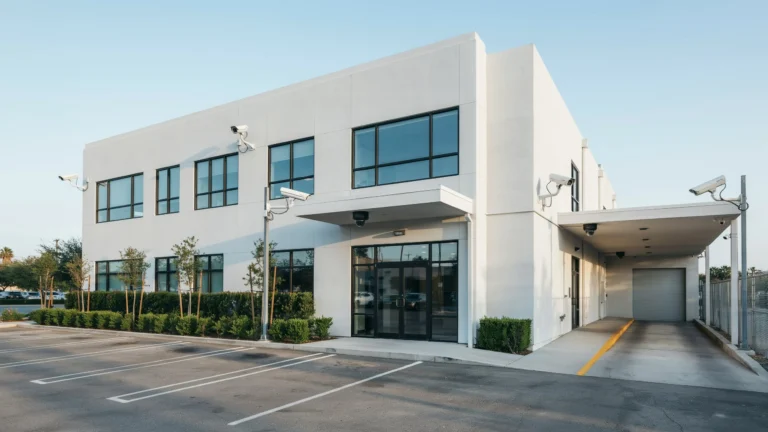
- Office buildings
- Warehouses
- Shopping malls
- Schools
Several cameras can be connected to a single recorder without overburdening your Wi-Fi network.
Many hardwired systems support:
- Full HD
- 2K
- 4K Ultra HD
4. Continuous Recording
Because data is transmitted through cables, high-resolution footage stays stable, even while recording continuously.
5. Long-Term Reliability
Hardwired systems are generally much lower maintenance.
They don’t have batteries to recharge, so they are ideal for permanent installations.
Disadvantages of a Hardwired Security Camera System
Hardwired cameras also come with their own set of pitfalls.
1. More Complex Installation
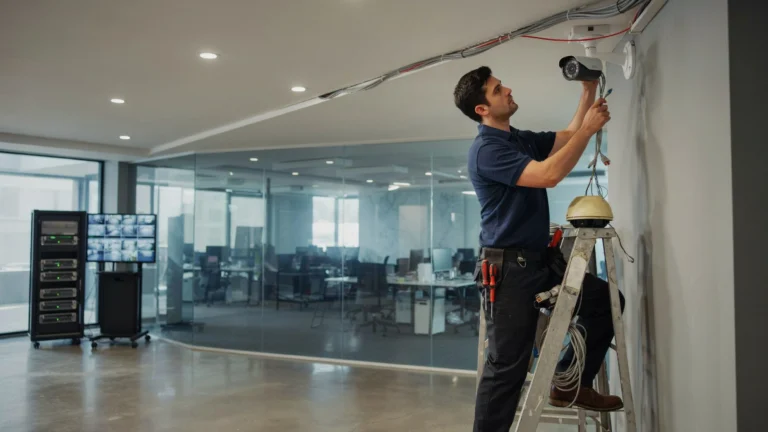
Running cables through walls, ceilings, or underground can be a job for the pros.
This adds to the installation time and cost.
2. Limited Flexibility
Moving a hardwired camera, on the other hand, generally means running new cables.
It’s not as convenient as the wireless ones, though.
3. Higher Initial Cost
Installation costs are usually higher because there is wiring and labor involved, although maintenance costs may be lower in the long term.
Wired vs Wireless Security Cameras
There is no one-size-fits-all when it comes to wired vs wireless security cameras.
Each has its strengths depending on the requirements of your property.
Wired Cameras
Pros:
- Constant power supply
- Stable connection
- Good quality video
- Consistent recording
- Ideal for large-scale installations
Disadvantages:
- Difficulty in installation
- Higher initial costs
- Less flexibility in placement of the cameras
Wireless Cameras
Advantages:
- Simpler installation
- Flexible placement
- Fast installation
- Great for people who rent
- Low wiring requirements
Disadvantages:
- Depend on Wi-Fi
- May need charging of the battery
- Performance may be marred by poor signal reception
Knowing the difference between wired vs wireless security cameras enables homeowners to choose the best surveillance system for their needs.
Which Option Is Better for Homeowners?
The choice is mainly up to the property size and the homeowner’s preferences.
Note: If you are looking for a camera for your detached garage, yard, or gate where you do not have access to power, solar-powered security cameras are a great option.
For continuous surveillance with the greatest dependability, a wired security camera system is generally the best buy, especially if you own a large residence or property that needs to be monitored at all times.
Conclusion
Choosing between a solar and a hardwired security camera depends on your property, budget, and security needs. Solar cameras offer flexible installation and are ideal for locations without easy access to power, while hardwired systems provide continuous recording and long-term reliability for homes and businesses.
If you’re unsure which option is right for you, Cam Security Surveillance can help. Contact us today for expert advice and professional installation tailored to your property.
FAQs
Does CCTV maintenance affect my system’s warranty?
Some manufacturers require proof of regular upkeep to honor warranty claims. Check your camera’s warranty terms before skipping scheduled checks.
How much does professional CCTV maintenance cost?
Costs vary by system size and location, usually ranging from a basic inspection fee to a higher rate for wiring or hardware repairs. Ask for a quote based on your camera count.
Can old CCTV cameras still be maintained, or should I replace them?
If the hardware still records clear footage after cleaning and updates, maintenance is worth it. Cameras older than 7 to 10 years often cost more to fix than replace.
Does CCTV maintenance help lower insurance premiums?
Some insurers offer discounts for documented, well-maintained security systems. Ask your provider if proof of regular maintenance qualifies you for a lower rate.
What tools do I need for basic CCTV maintenance?
A microfiber cloth, compressed air, a small screwdriver, and access to your camera’s app cover most basic checks. Save specialized tools for a professional technician.