Home security cameras became more common during the 2000s and 2010s. However, the idea of watching a home through cameras started much earlier. Early systems appeared in the 1950s, but high costs kept them out of reach for most families. Better recording tools, internet access, and affordable cameras later changed that.
So, When Did Security Cameras Become Common for Home Security? The clearest answer is the 2000s, with much wider use during the 2010s. WiFi, smartphones, motion alerts, and simple installation helped make cameras a normal part of home security.
When Did Security Cameras Become Common for Home Security?
Home security cameras did not become popular overnight. Their growth happened in stages as the technology became easier to buy and use. Closed-circuit television, or CCTV, first appeared in homes during the 1950s. One early example was RCA’s TV Eye, introduced in 1953. It allowed a camera to send pictures to a television screen inside the home. However, its high price made it impractical for most households.
In 1966, Marie Van Brittan Brown and Albert Brown patented a home security system. Their design included a video camera, an intercom, and a way to control the front door. It helped shape ideas used in later home security products.
Home cameras became more practical as digital recording and network technology improved. During the 2000s, residential systems became easier to purchase. In the 2010s, smart cameras brought live viewing and alerts to everyday smartphones.
A Brief History of Home Security Cameras
Early CCTV Systems in the 1940s and 1950s
The first well-known CCTV systems were built for military and industrial use. During World War II, cameras helped monitor rocket tests in Germany. They were not designed for ordinary homes.
By the 1950s, companies began showing how CCTV could help protect homes. RCA’s TV Eye was an early example of domestic camera technology. It connected a camera to a television, letting residents see outside areas.
Home Security Cameras in the 1960s to 1990s
The 1960s brought new ideas for home surveillance. Marie and Albert Brown’s 1966 patent described a system that let residents see visitors and communicate with them. However, home CCTV remained costly and uncommon. Many systems needed special wiring, monitors, and recording equipment. Owners also had to manage video tapes.
During the 1980s and 1990s, cameras and recording tools improved. Yet, most residential security cameras still required more money and technical work than many families wanted to handle.
The Growth of Digital Cameras in the 2000s
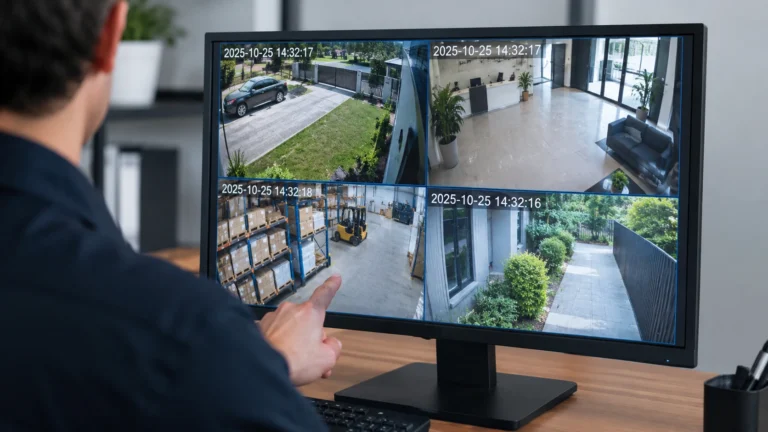
Digital video recorders, known as DVRs, made it easier to save and review footage. Homeowners no longer had to depend only on video tapes.
Network cameras also helped change home surveillance. Axis introduced an early network camera in 1996, showing how cameras could send video through computer networks. As internet use grew, remote viewing became more practical.
The Rise of Smart Cameras in the 2010s
The 2010s brought a major change in home security. WiFi cameras and smartphone apps made remote monitoring easier for everyday users. Homeowners could check live video, receive motion alerts, and review clips from their phones. Video doorbells also helped people see visitors without opening the door.
These features helped answer the question, when did home security cameras become popular? Their wider household use grew as smart home products became easier to install and manage.
Why Did Security Cameras Become Popular in Residential Homes?
Several changes made cameras more useful and affordable for homeowners.
- Lower equipment costs: More affordable cameras gave families more choices.
- Smartphone access: People could view camera feeds while away from home.
- Better video quality: HD cameras made it easier to see faces and activity.
- Motion alerts: Cameras could notify owners when they detected movement.
- Wireless options: WiFi models reduced the need for long network cables.
- Improved storage: DVRs, NVRs, memory cards, and cloud services made footage easier to save.
- Easy installation: Many modern systems became simpler to set up and manage.
For example, a homeowner can now place an outdoor camera near the driveway and receive an alert when someone approaches. Older systems often needed a monitor and a person watching the footage.
How Modern Home Security Cameras Differ From Older Systems
Modern cameras offer features that were difficult or costly to access in older systems.
| Older camera systems | Modern camera systems |
| Mostly analog video | Digital and IP video |
| VCR tape recording | DVR, NVR, and cloud storage |
| Basic image quality | HD and 4K options |
| Limited remote viewing | Smartphone and computer access |
| Fixed recording schedules | Motion-based recording options |
| More complex wiring | Wired and wireless choices |
The main difference is convenience. Modern systems let homeowners check footage, change settings, and receive alerts without sitting beside a monitor. However, newer cameras still need proper setup. A wireless camera needs a suitable WiFi signal, while a wired system needs correct cable connections and power.
What Types of Security Cameras Are Common in Homes Today?
Different camera types serve different home security needs.
Indoor Security Cameras
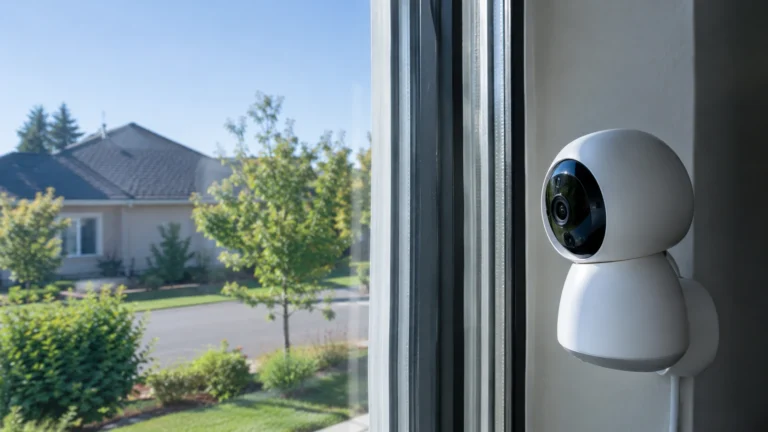
Indoor cameras help monitor rooms, hallways, and entry points. Many include motion alerts and two-way audio. Place them where they provide useful coverage without invading household privacy.
Outdoor Security Cameras
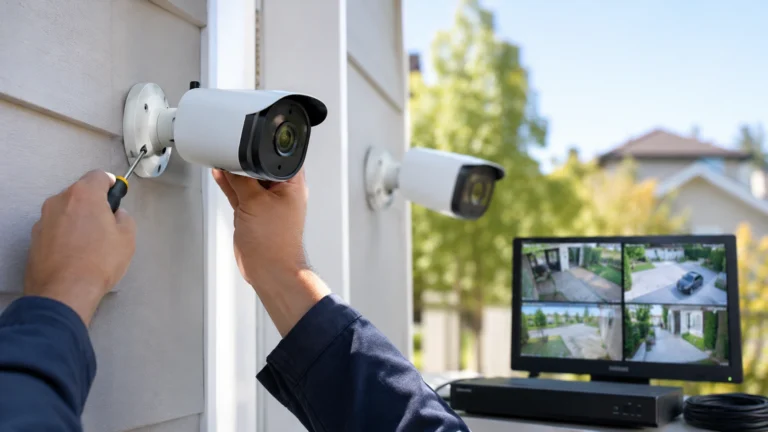
Outdoor cameras monitor driveways, gardens, garages, and doors. Look for weather protection, night vision, and a suitable viewing angle.
Video Doorbell Cameras
Video doorbells show who is at the front door. Many models offer motion alerts, two-way talk, and saved visitor clips.
Wireless and WiFi Security Cameras
Wireless cameras connect through WiFi and often use an app for viewing. They are useful where running network cables is difficult. Check signal strength and battery needs before choosing one.
Wired PoE Security Cameras
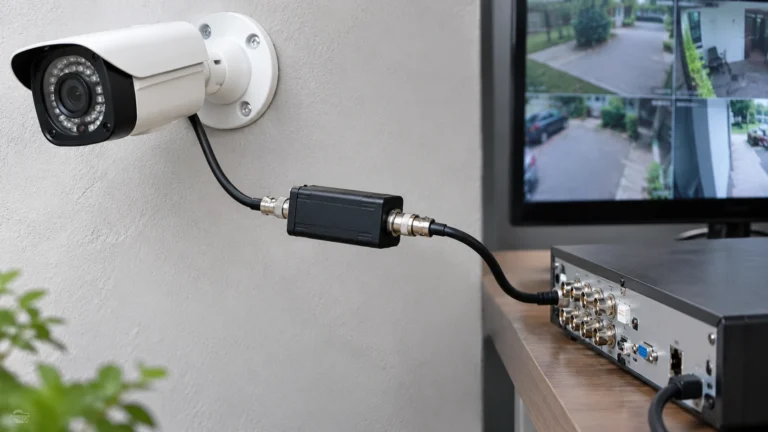
Power over Ethernet (PoE) cameras receive power and network data through one Ethernet cable. They suit homeowners who want a stable connection and a central recording system.
Are Home Security Cameras More Common Today Than in the Past?
Yes. Home cameras are much easier to find, buy, and use than earlier CCTV systems. Smart home products have also made camera monitoring part of many households’ daily routines. Still, not every home needs the same setup. Some owners only need a doorbell camera. Others need several outdoor cameras, indoor coverage, and a recorder.
The right choice depends on property size, entry points, lighting, internet access, and storage needs. Camera placement also matters more than simply buying a model with a high resolution.
What Should Homeowners Consider Before Installing Security Cameras?
Before buying cameras, decide which areas need protection. A clear plan helps avoid blind spots and unnecessary equipment.
Consider these points:
- Camera location: Cover doors, driveways, garages, and other important areas.
- Resolution: Choose image quality that suits the distance and level of detail needed.
- Night vision: Check how well the camera works in low light.
- Power source: Decide between battery, plug-in, and PoE options.
- Storage: Compare local recording with cloud plans and their ongoing costs.
- Internet connection: Test WiFi strength at each planned camera location.
- Privacy: Avoid recording private areas belonging to neighbors.
- Maintenance: Check camera lenses, cables, software, and saved footage regularly.
Professional planning can also help prevent poor coverage and connection problems. If you need security camera installation Indianapolis, Cam Security Surveillance helps homeowners plan camera placement for their property’s needs.
Conclusion
Security cameras have a long history, but their use in ordinary homes grew much later. Early systems appeared in the 1950s, while wider household adoption developed during the 2000s and 2010s. Better video quality, affordable equipment, WiFi, and smartphone access made home monitoring easier. Today, homeowners can choose from indoor cameras, outdoor CCTV systems, and smart doorbells.
Understanding this history helps explain how home security has changed. Choose a camera system that fits your property, covers important areas, and provides reliable recording. Cam Security Surveillance provides professional security camera installation solutions for homes and businesses. Contact us today to discuss your security needs and find the right camera system for your property.
FAQs
When did home security cameras become popular?
Home security cameras became more accessible during the 2000s. Their popularity grew further during the 2010s as WiFi, smartphones, and affordable smart cameras became common.
Did homes have security cameras in the 1990s?
Yes. Some homes used CCTV systems during the 1990s. However, high equipment costs, complex installation, and limited remote access kept them uncommon.
When did wireless security cameras become common?
Wireless security cameras gained wider household use during the 2010s. WiFi connections and smartphone apps made camera monitoring easier for homeowners.
Who invented the first CCTV security camera?
CCTV technology developed through several early engineering projects. Walter Bruch is often credited with designing the German military CCTV system used to monitor V-2 rocket tests in 1942.
When did security cameras start using WiFi?
Network cameras appeared during the 1990s. WiFi-based home cameras became more practical as wireless internet and smart home technology improved during the 2000s and 2010s.
Were home security cameras expensive in the past?
Yes. Early home CCTV systems required costly cameras, monitors, wiring, and recording equipment. Modern manufacturing and digital technology have made many options more affordable.