
The Ultimate Home & Business CCTV installation Checklist. Setting up a CCTV surveillance system is undoubtedly one of the surest ways to increase home or company security. But setting cameras to be ready to protect a premise involves much more than simply placing cameras to capture images.
Understanding your home’s layout, lighting conditions, existing security measures, and the best camera placement is essential for a successful CCTV installation. At Cam Security Surveillance, we design and install CCTV systems that provide clear video coverage of key areas, helping you reduce blind spots and protect your property with confidence.
Why Planning Before CCTV Installation Matters
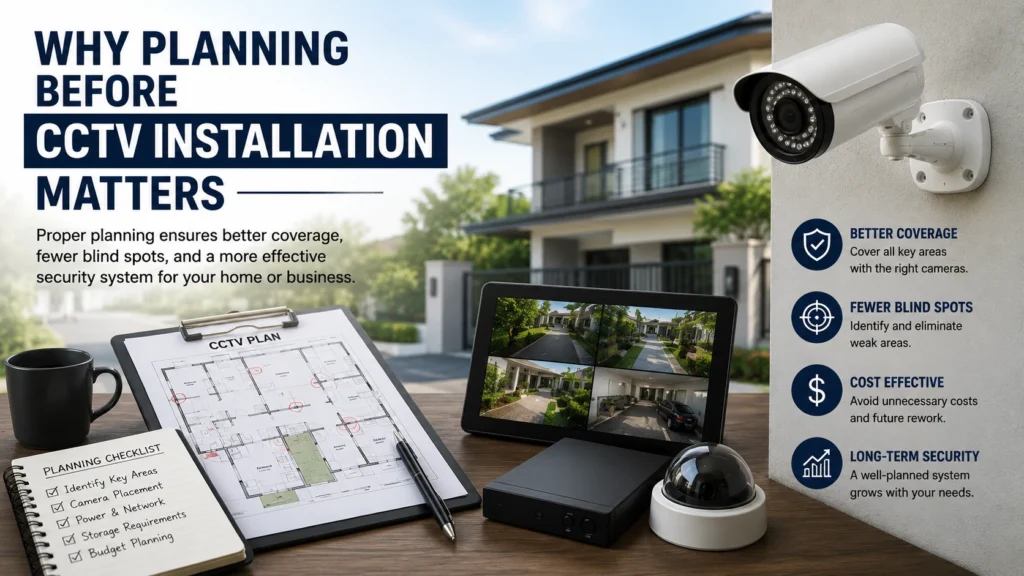
Why you should plan your CCTV setup before you install cameras. In many cases, property owners simply buy a camera without looking at the layout and lighting on their property,goals for installing the devices,their budget or their personal needs.
If cameras are not set up with the help of thoughtful planning you are at greater risk of having poor quality videos, camera coverage, blind spots and unnecessarily high costs.
Proper planning of your CCTV system means:-.
Better camera coverage.
More secure blind spot elimination.
Increased security performance and image quality.
Reduced installation and cabling costs.
Protection of property of value to you.
The certainty that comes with a well organised system. Every camera that is installed has purpose in its coverage area and all cameras are configured to operate collectively for maximum protection.
Things to Consider Before Installing CCTV
Start by identifying what you want your CCTV system to protect, such as entrances, driveways, or valuable areas. Your goals will help determine the right cameras and placement. If you need expert security camera installation Indianapolis, Cam Security Surveillance can design a system that fits your property and security needs.
You are Trying to Address
Before doing anything else, take a few minutes to answer the following questions:
What part of your property do you plan to keep under observation?
Whether it’s home or business security you need – what aspect is being covered?
Should it be indoors, outdoors or a blend?
Would you prefer surveillance solely for prevention of crime, or should your CCTV system also be capable of recording events in cases where crime does occur?
Select Your Preferred Camera Type
The ideal type of camera can vary from site to site. Some of the popular types are:
Indoor observation and video capture; the Dome camera
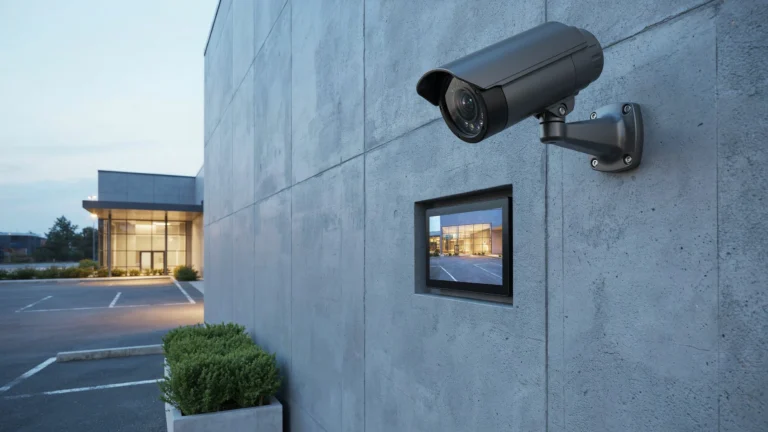
Outdoor far distance surveillance; the Bullet camera
Extensive use in large yards and properties; the PTZ camera
Security coverage; the Turret camera
Simplified camera setup; the Wireless camera
Security with high dependency; the Wired camera
A wise selection helps maximize both results as well as a long term operation.
Consider Lighting Conditions
Good quality lighting matters to your video. Consider:
Sunlight
Dark conditions
Shading
Indoors
Motion sensors
Some new cameras even provide built-in, enhanced night visions (IR or color night vision) so your video still looks great at night.
Best Location for CCTV Cameras
One of the most crucial aspects of CCTV installation includes finding the best location to install CCTV cameras.
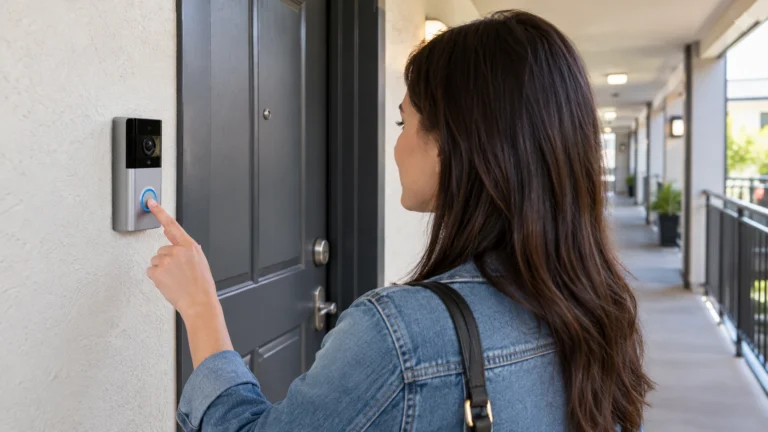
Front Door
Usually the most utilized entrance, so most of the visitors come through it. You can:
Observe visitors
Deliveries Suspicious
behavior Package
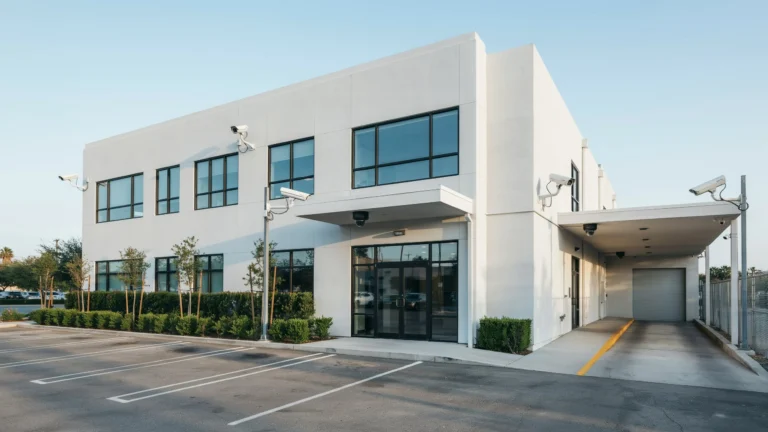
Driveway
Driveways allow you to monitor:
see visitors on the road
Watch parked vehicles
Catch Unauthorized
Entry Prevent car theft
Back Door
Burglars might target entrances less visible.
Thus, you need CCTVcameras behind house to watch out suspicious behaviour
Garage
Keep an eye on:
vehicles
tools
general storage items
your garage door entrances. –
Side Gates & Walkway
This seems like such obvious access, right.
Interior Common Areas
Cameras may be used to secure areas such as:
entry doors and room entries
living areas
hallways hotel
and business lobbies
ware houses
Do not place cameras in rooms where you reasonably expect privacy such as bedrooms, bathrooms, etc.
CCTV Installation Checklist
The best practice for having your complete CCTV installation set up according to a full checklist.
Ensure that the following items are all addressed prior to CCTV installation:
Ensure the reason you want a CCTV installation is documented
The position of each camera needs to be decided
Ensure your electrical sockets are ready
Ensure there’s a reliable internet connection if you are installing IP cameras
Make sure the storage for the hard drive is of an adequate size
Does your system require night vision?
Ensure that any door or entrance is covered
Make sure there are no ‘blind spots’ that will hinder your surveillance programme
Make sure motion detection needs are activated
Ensure mobile app can be accessed
Check if you require backup batteries
Review local privacy laws In a professional installation, you would be assured of a cable, the CCTV system is waterproofed correctly, the equipment has been
Home Security Camera Installation Tips
Follow our home security camera tips for enhanced home security camera performance and efficiency.
Mount Cameras High Position
home cameras at a height of eight to 10 feet above the ground,
allowing you to get optimal viewing angles and maintain maximum security as well as to secure cams against theft.
Avoid Direct Sunlight
Place cameras to avoid glare to ensure an appropriate image resolution.
Safeguard Outdoor Equipment
Opt for home security camera models which are able to resist moisture, rain, heat, cold and dust.
Protect the Net
If wireless cameras are in use:
Do not use simple (easy to crack) passwords.
Turn on all available forms of encryption.
Do not forget to make firmware updates to the cameras.
Make sure you’re securing wireless networks.
Check Every Camera To Work!
Before finalizing installation, always:-
Check resolution for a good image
Check to ensure it records
Confirm there is night vision capability
Check they send notifications to your smart devices
Inspect to see the extent of their Field of View small, quick corrections can go a long way.
Wired vs. Wireless CCTV Systems
Whether there really was a time to invest in a CCTV with an attached recorder in today’s tech era is still a heated topic.
Wired CCTV
Pros
Consistent signal
Increased reliability
Better suited to larger properties
Least interference possible
Wireless CCTV
Pros
Quick to install
Adaptable positioning
Simple to extend the system
Best for smaller properties
A specialist installer would better advise if you were suited.
Common CCTV Installation Mistakes
Be careful not to fall into these typical installation pitfalls:
Too Low Installation.
If your cameras sit at a very low level they may not see very much. Missing Blindspots.
Don’t place your cameras in areas where people may not be visible to them.
Poor Camera resolution.
If you use cameras with poor quality video, then criminals who are using it to conduct crimes should never be an issue as you really wouldn’t see them clearly enough or be confident in their ability to get good images of anything.
Overlooking nighttime viewing capabilities (infrared – IR). Insufficient storage.
Why Professional CCTV Installation Matters
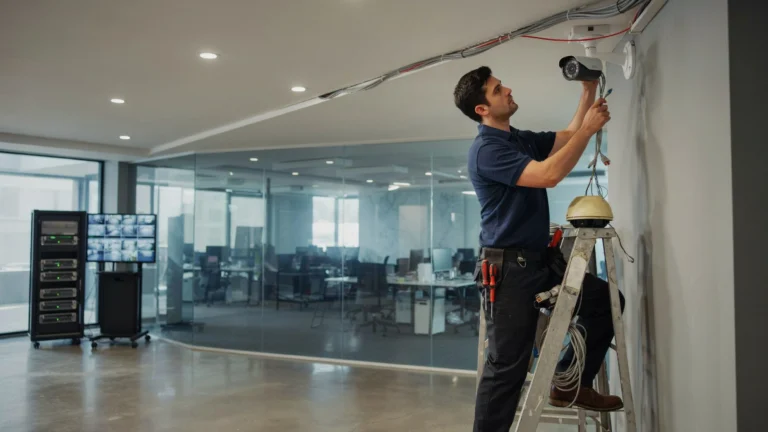
You can technically get your own camera surveillance put up by yourselves but there’s many upsides to letting someone that’s experienced doing it for you.
A pro would be:
Able to create a planned out design of surveillance system
Recommend best equipments for camera usage
Configure placement that best suits cameras
Install all wiring properly
Help you out with the remotely viewing setting
Allow for system testing, the last to be done and finally provide maintenance and on-site repair as needed.
Why Choose Cam Security Surveillance?
Our Custom Video Security Cameras For Homes, Offices, Businesses, Warehouses, Retail & Commercial Installations. Cam Security Surveillance’s technicians provide custom surveillance cameras and professional installation service with a goal of 100% coverage for any size space, super clear HD or 4K video footage and a system that is built to last.
Installation & services includes:
CCTV installation
IP camera installation
wireless camera setup
designing security system plans
security system and camera upgrade and maintenance
as well as commercial security systems,
home camera setup and Remote monitoring.
Final Thoughts
Installing security cameras in and around your property can protect your home or business for years to come, as long as you plan the installation carefully. By following a CCTV installation checklist, choosing the right camera locations, and using practical home security camera installation tips, you can reduce blind spots and build a more reliable security system without overspending.
If you want complete coverage and a professionally installed system, Cam Security Surveillance is here to help. Our experienced team designs and installs custom CCTV solutions that fit your property’s layout and security needs. Contact us today to schedule a consultation and get a security camera system that delivers dependable protection and lasting peace of mind.
FAQs
How do I decide where to place CCTV cameras on my property?
Start by identifying your main goals: start with high-traffic entry points like the front door, driveway, and back door, then cover secondary areas like the garage and side gates. Avoid placing cameras in private spaces like bedrooms or bathrooms, and make sure there are no blind spots between coverage zones.
Should I choose a wired or wireless CCTV system?
Wired systems offer more consistent signal, reliability, and are better suited for larger properties with minimal interference. Wireless systems are quicker to install, easier to reposition, and work well for smaller properties. The right choice depends on your property size, budget, and how permanent you want the setup to be.
How high should security cameras be mounted?
For optimal viewing angles and to prevent tampering or theft, cameras should generally be mounted 8 to 10 feet above the ground.
Do I need night vision on my cameras?
If you want round-the-clock coverage, yes look for cameras with built-in infrared (IR) or color night vision so footage stays clear after dark. Overlooking this is listed as one of the most common installation mistakes.
What’s the benefit of hiring a professional CCTV installer instead of doing it myself?
A professional can design a complete coverage plan, recommend the right equipment, position cameras to eliminate blind spots, handle wiring properly, set up remote viewing, and test the system before handing it over plus provide ongoing maintenance and repairs.