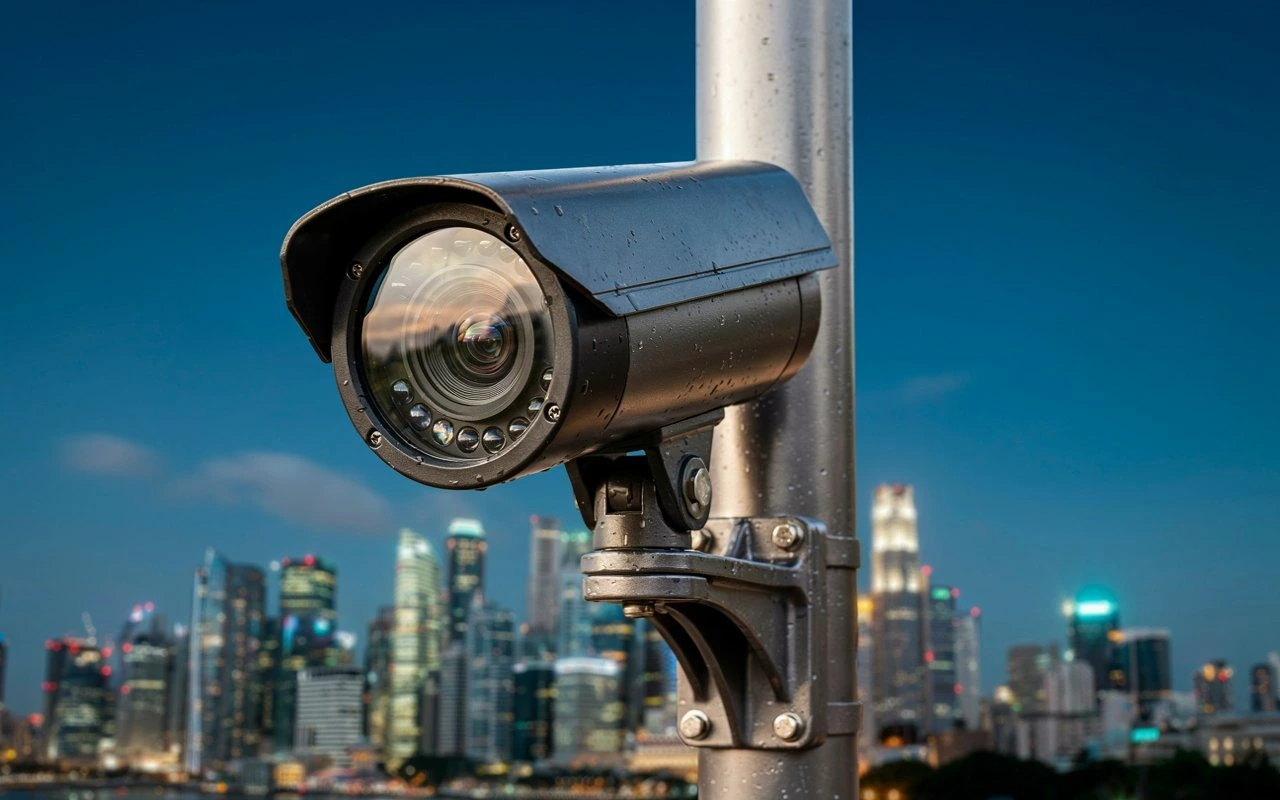
A megapixel rating tells you how much image detail a CCTV camera can capture. Today, high-end surveillance cameras go far beyond standard 4K models. Some professional cameras reach 61 MP and 10K resolution.
If you ask What Is the Highest Megapixel CCTV Camera?, the Avigilon H5 Pro currently offers up to 61 MP in a single-sensor security camera. It is built for large areas where users need very high detail.
What Is a Megapixel CCTV Camera?
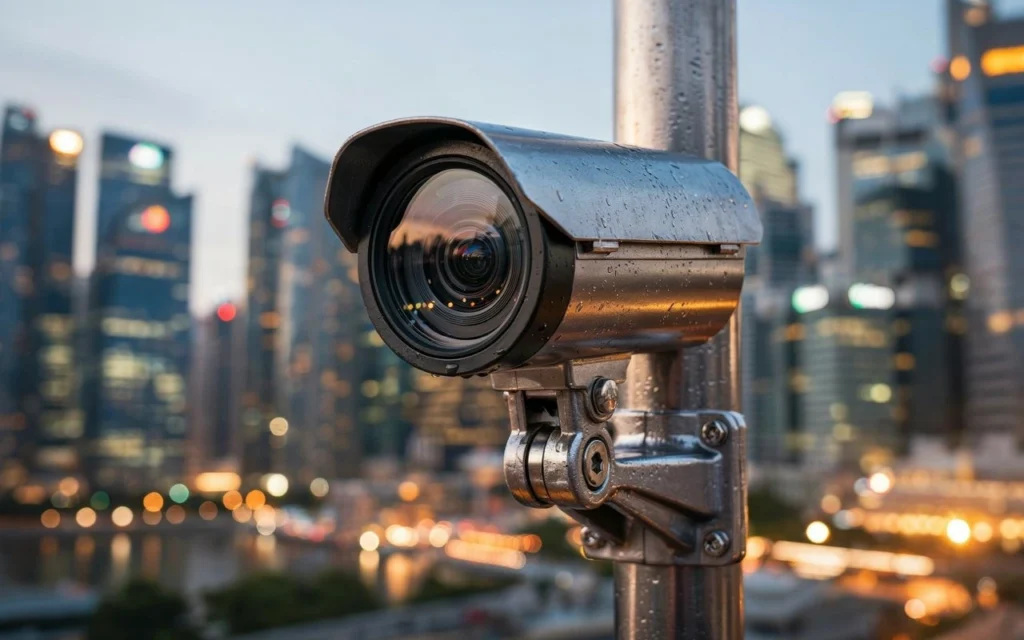
A megapixel, or MP, represents about one million pixels in an image. More pixels can provide more detail when the camera, lens, lighting, and recording system are well matched. For example, a 2 MP camera produces about two million image pixels. An 8 MP camera produces about eight million. A 61 MP camera can capture far more image information across the same scene.
This does not mean a 61 MP camera always produces a clearer image. A poor lens, low light, motion blur, or bad camera placement can reduce useful detail. The goal should be clear evidence, not simply the largest number on a product box.
What Is the Highest Megapixel CCTV Camera Available?
Among current professional models verified from manufacturer sources, the Avigilon H5 Pro reaches 61 MP and 10K resolution. Avigilon lists it as a single-sensor camera designed to capture detailed images across large areas. The 61 MP version has a maximum frame rate of up to 7 fps, depending on the selected image format and operating conditions. The H5 Pro range also includes 8 MP, 16 MP, 26 MP, and 40 MP versions.
This is important because the highest resolution is not always the most practical option. For comparison, the AXIS Q1809-LE reaches 41 MP and offers 8K video. Axis lists it for long-distance surveillance and large open areas. It can operate at 41 MP at 15 fps or 8K at up to 30 fps.
So, when discussing the highest mp security camera, it is important to check the actual camera model and current manufacturer specifications.
How Many Megapixels Can CCTV Cameras Have?
There is no single megapixel limit that applies to every CCTV camera. Consumer cameras commonly use resolutions such as 2 MP, 4 MP, 5 MP, and 8 MP. Professional systems can go much higher.
Current high-end examples include:
| Resolution | Common use |
| 2 MP | Basic monitoring |
| 4 MP | Homes and small businesses |
| 5 MP | General surveillance |
| 8 MP | 4K detailed monitoring |
| 12 MP | Higher-detail scenes |
| 16 MP+ | Large or demanding areas |
| 40 MP | Large-area professional surveillance |
| 61 MP | Extreme detail over large areas |
The Avigilon H5 Pro range confirms that professional cameras can now reach 61 MP. There are also panoramic and multi-sensor cameras that combine several image sensors. These should not always be compared directly with a single-sensor camera.
4K vs 8K vs Higher-Megapixel CCTV Cameras
4K is usually associated with about 8 MP. It provides 3840 × 2160 pixels 8K provides 7680 × 4320 pixels. That is about 33 million pixels, although manufacturers may describe some 8K cameras using different megapixel figures. A higher-MP camera can capture even more pixels than standard 8K. The difference becomes useful when you need to inspect a large scene after an event. You may be able to crop part of the image while retaining more usable detail.
However, higher resolution also creates larger data requirements. Your camera, recorder, network, storage, and viewing equipment must all support the system.
What Does a Higher Megapixel Count Mean?
A higher megapixel count means the camera can capture more pixels in each frame. Imagine photographing a large parking lot. An 8 MP camera may cover the whole area, but distant faces or vehicle details can become small within the frame.
A higher-MP camera can place more pixels on those areas.
This can help with:
- Face detail
- Vehicle identification
- License plate viewing
- Wide-area monitoring
- Post-event investigation
- Digital cropping
- Long-distance observation
The benefit depends heavily on how those pixels are distributed across the scene. A badly positioned 40 MP camera can produce less useful evidence than a well-positioned 8 MP camera.
Does a Higher Megapixel Camera Always Give Better Video?
No. Megapixels are only one part of image quality. A camera also needs a good image sensor and suitable lens. Lighting matters just as much. Movement can create blur even when the camera has very high resolution.
The AXIS Q1809-LE is a useful example. Its 41 MP resolution is paired with a large 4/3-inch sensor and lens options designed for wide or long-distance surveillance. This shows why resolution should be considered as part of a complete camera system.
What Resolution Should You Choose for CCTV?
The right resolution depends on the area you want to monitor. For a small indoor room, 2 MP or 4 MP may provide enough detail. For entrances, driveways, and larger outdoor areas, 4 MP to 8 MP can provide more useful detail.
For large parking lots, warehouses, campuses, stadiums, and other wide areas, higher-resolution cameras may make sense. A 61 MP camera can be excessive for a small front door. The extra resolution may add cost and storage needs without providing a useful benefit. The best camera is the one that provides enough detail for the actual surveillance task.
Highest Megapixel CCTV Camera for Home Security
Most homes do not need an extreme-resolution CCTV camera. An 8 MP 4K camera can provide strong detail for many residential applications. The more important factors are often placement, field of view, night performance, and recording quality.
For example, a front-door camera should be positioned to capture people approaching the entrance. A driveway camera may need a different lens to cover vehicles without wasting pixels on empty areas. A higher-MP camera becomes more useful when the property is large or one camera needs to cover a wide area.
Highest Megapixel CCTV Camera for Businesses
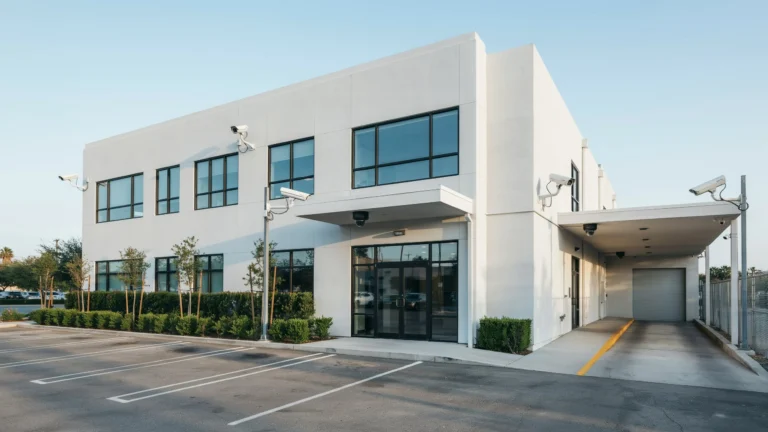
Businesses can benefit more from high-resolution cameras Large properties may have parking areas, loading zones, entrances, storage yards, and long perimeter lines. A high-MP camera can cover more area while retaining useful detail.
The Avigilon H5 Pro is designed for large areas such as cities, stadiums, and airports. Its manufacturer highlights long-range detail and the ability to capture small details across wide scenes. For a small office, however, an 8 MP camera may be more practical.
How Far Can a High-Megapixel CCTV Camera See?
Megapixels do not provide a fixed viewing distance. The useful distance depends on the lens, sensor, lighting, subject size, camera height, angle, and required level of detail.
A telephoto lens can place more pixels on a distant subject than a wide lens. The AXIS Q1809-LE, for example, has wide-angle and telephoto lens options for different surveillance distances. This is why asking only how many megapixels a camera has does not tell you how far it can identify a person or vehicle.
What Affects Image Quality Besides Megapixels?
Several factors can have a major effect on the final image.
Lens and Field of View
The lens controls how much of the scene the camera sees. A wide lens covers more space. A telephoto lens provides a narrower view with greater detail on distant subjects. The lens should match the area being monitored.
Lighting Conditions
A high-resolution camera still needs enough light to produce useful images. At night, infrared, low-light sensors, white light, and good exposure control can make a major difference. The AXIS Q1809-LE uses a 4/3-inch sensor designed for high light sensitivity.
Digital and Optical Zoom
Digital zoom enlarges existing pixels. Optical zoom changes the lens view before the image reaches the sensor. Optical zoom is generally more useful when you need detail from distant subjects.
Image Sensor Size
The sensor receives the light used to create the image. A larger sensor can provide advantages in low-light conditions, although the complete camera design still matters. This is one reason megapixel count should never be considered alone.
Storage Requirements for High-Megapixel CCTV
More image data can require more storage. A high-MP camera may produce larger or more demanding video streams than a lower-resolution camera. Compression can reduce the amount of storage required, but settings and scene activity also affect the result.
Avigilon says its H5 Pro uses HDSM 2.0 technology to help reduce bandwidth and storage use while maintaining high-resolution images. Before buying a high-resolution camera, check the recorder’s supported resolution and storage capacity.
Bandwidth Requirements for High-Resolution Cameras
Network cameras send video across your network. Higher-resolution video can increase the amount of data moving through that network. This matters when several high-MP cameras operate at once.
For example, installing eight high-resolution cameras may create a much greater network load than installing eight basic cameras. Your switches, cabling, recorder, and network design should support the combined camera traffic.
How Much Storage Does a High-Megapixel CCTV Camera Need?
There is no single storage number for every high-MP camera.
Storage depends on:
- Resolution
- Frame rate
- Compression
- Bitrate
- Recording hours
- Number of cameras
- Motion activity
- Retention period
A 61 MP camera does not automatically use one fixed amount of storage. The actual bitrate and recording settings determine the storage requirement. This is why storage should be calculated before installation.
Are High-Megapixel CCTV Cameras Worth It?
They can be useful when you need to monitor large areas or preserve fine details.
A high-MP camera can be valuable for:
- Large parking lots
- Stadiums
- Warehouses
- Industrial sites
- Airports
- Large commercial properties
- Wide outdoor areas
They may not be worth the extra cost for a small room or short-range entrance. The highest mp cctv camera is not automatically the best camera for every property. Your goal should be enough detail for the task, with sensible storage and network requirements.
How to Choose the Right Megapixel CCTV Camera
Start by asking what you need the camera to prove. If you mainly need to see whether someone entered an area, a standard 4K camera may work well. If you need to identify a distant vehicle, you may need higher resolution and a suitable telephoto lens.
If you need to monitor a huge area, a high-MP camera can reduce the number of cameras required in some layouts.
Also consider:
- Required viewing distance
- Field of view
- Day and night performance
- Lens type
- Frame rate
- Storage
- Network bandwidth
- Weather protection
- NVR compatibility
- Mounting position
This approach is more useful than simply searching for a high megapixel CCTV camera and choosing the model with the biggest number.
When to Call a Professional CCTV Installer
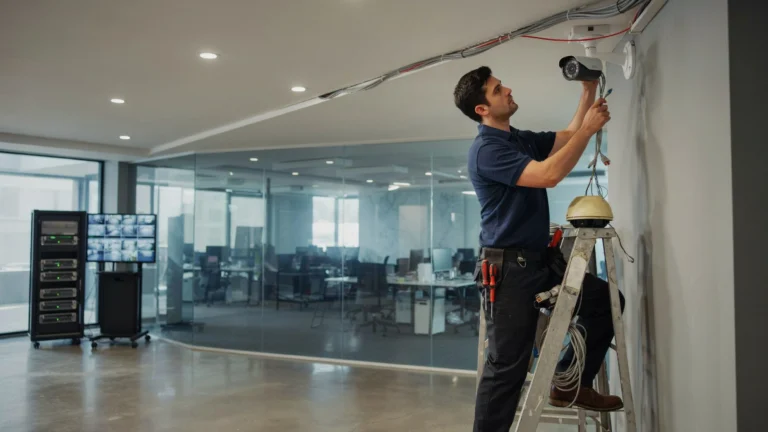
Choosing a high-resolution camera is only part of the job. The camera must be positioned and configured correctly to produce useful footage. Professional help is useful for large properties, multiple cameras, long cable runs, NVR setup, network planning, and difficult viewing areas.
Cam Security Surveillance can help property owners plan camera locations based on the areas they need to monitor. For customers looking for security camera installation Indianapolis, professional planning can also help match camera resolution, lens choice, storage, and placement to the property.
This can prevent a common mistake: spending more on megapixels while overlooking the lens, lighting, or camera angle.
Conclusion
So, What Is the Highest Megapixel CCTV Camera? Current manufacturer information shows the Avigilon H5 Pro is available with up to 61 MP and 10K resolution, making it one of the highest-resolution single-sensor security cameras currently offered. But the highest number is not always the right choice. A camera’s lens, sensor, lighting, placement, frame rate, storage, and network connection all affect the footage you receive.
For most homes, 4K can provide plenty of detail. Large commercial and public areas may benefit from much higher resolutions. Choose the resolution based on what you need to see, not just the largest megapixel number. If you need help choosing the right camera resolution for your property, contact us today.
FAQs
What Is the Highest Megapixel CCTV Camera?
The Avigilon H5 Pro currently offers up to 61 MP and 10K resolution in a single-sensor security camera.
Is a 61 MP security camera available?
Yes. Avigilon lists a 61 MP H5 Pro model with 10K resolution. The 61 MP version has a maximum frame rate of up to 7 fps.
Is 8K CCTV better than 4K?
8K can capture more image detail than 4K, especially across large scenes. However, it also creates greater storage and system demands.
How many megapixels are good for a security camera?
For many homes and small businesses, 4 MP to 8 MP can provide useful detail. Larger sites may benefit from higher resolutions.
What is better, 12 MP or 8 MP CCTV?
12 MP can capture more pixels than 8 MP. The better option depends on the area, lens, lighting, storage, and level of detail you need.
How far can a 12 MP CCTV camera see?
There is no fixed distance based only on megapixels. The lens, sensor, lighting, camera angle, and subject size all affect useful viewing distance.
Do more megapixels mean better CCTV?
Not always. More pixels can provide more detail, but image quality also depends on the lens, sensor, lighting, focus, compression, and camera placement.