
Home break-ins and safety risks keep rising each year. People now rely on smart tools to protect homes day and night. A home security system helps detect threats, alert owners, and stop intrusions early. It uses cameras, sensors, and alarms to secure every entry point.
What Is Home Security System is a simple question with a clear answer. It is a setup of devices that protect your home from theft, fire, and unwanted access. It works through alerts, motion detection, and remote control. Modern systems also connect to mobile apps for real-time monitoring and control.
What Is a Home Security System?

Every system has core parts that work together:
Security Cameras
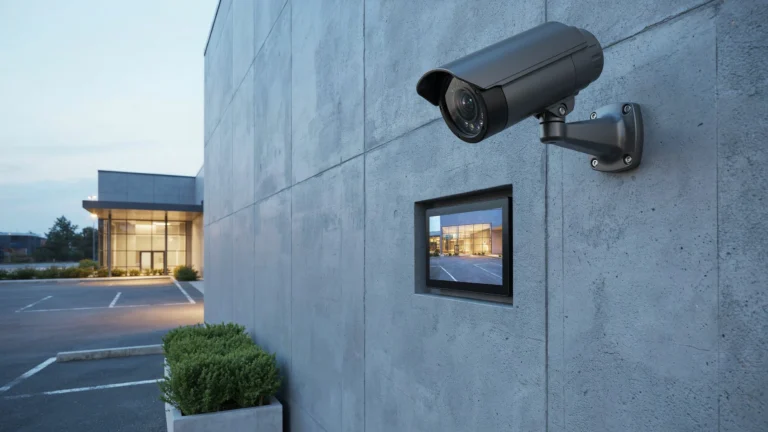
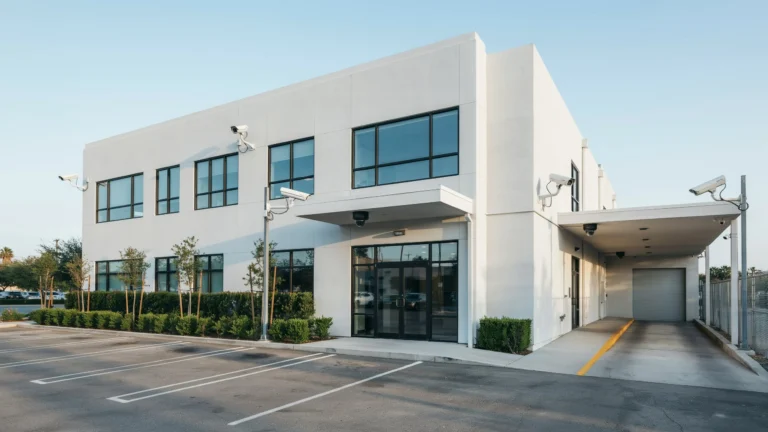
Security cameras record video and help monitor your home in real time. They show live footage so you can check what is happening anytime. Indoor cameras are used for rooms, hallways, and entry areas inside the home. Outdoor cameras protect doors, driveways, and yards. Many modern cameras also include night vision, motion alerts, and cloud storage for saved recordings.
Motion Sensors
Motion sensors detect movement in areas where activity should not happen. When movement is detected, they send an instant alert to the control system. These sensors are commonly placed in hallways, living rooms, or entry points. They help catch unusual activity early and reduce response time during emergencies.
Door and Window Sensors
Door and window sensors track when entry points are opened or closed. If a door or window opens unexpectedly, the system sends an alert. These sensors are small, easy to install, and highly effective for preventing break-ins. They are often the first line of defense in a home security setup.
Control Panel
The control panel is the main hub of the entire system. It connects all devices like cameras, sensors, and alarms. Users can arm or disarm the system from this panel. In many modern systems, it also links with mobile apps for remote control and real-time updates.
Alarm System
The alarm system produces a loud siren when a threat is detected. It is designed to scare intruders and alert people nearby. Alarms are triggered by sensors, cameras, or manual activation. This quick response helps reduce damage and increases safety during emergencies.
Mobile App Access
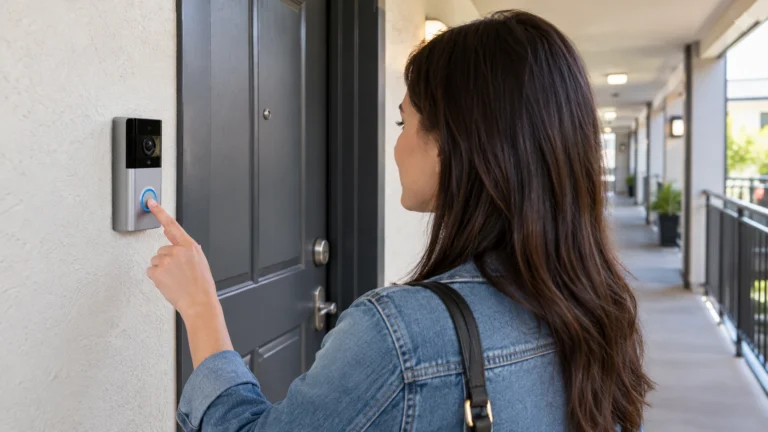
Mobile app access allows users to control their security system from anywhere. You can view live camera feeds, receive alerts, and adjust settings directly from your phone. This feature adds convenience and ensures constant awareness of home security even when you are away.
Each part plays a role in answering What Is Home Security System in real terms.
How Does a Home Security System Work?

A home security system works in a simple cycle:
- A sensor detects movement or entry
- The control panel receives the signal
- The system sends an alert
- An alarm may activate
- The user checks live video or calls help
This is the basic process behind how do home security systems work. In real homes, systems can also connect to monitoring centers. These centers respond to emergencies in seconds.
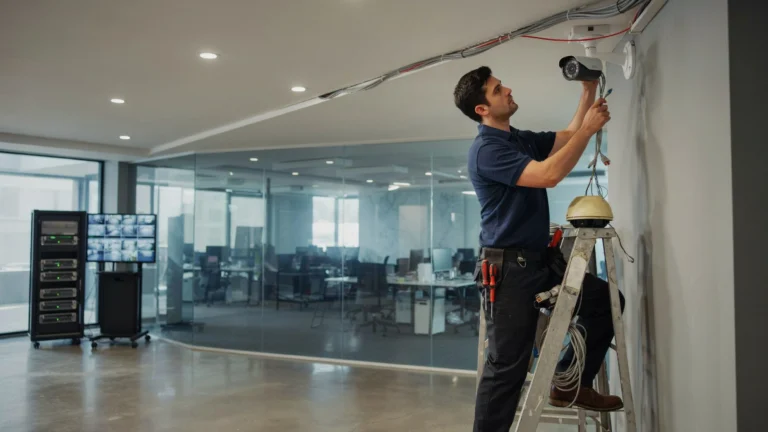
For example, in setups like security systems installation in Indianapolis, professionals install sensors at entry points and test full coverage. This ensures fast alerts and fewer blind spots.
Many users ask, do home security systems work without internet. Yes, basic alarms work offline. But smart features need connectivity.
Types of Home Security Systems
There are different types based on need:
Wired Systems
Wired security systems use physical cables to connect all devices like cameras, sensors, and alarms. They are known for strong and stable connections with very low signal loss. These systems are reliable for long-term use and less affected by interference. However, installation is more complex because it may require drilling walls and running wires through different parts of the home. They are usually better for permanent setups or new constructions.
Wireless Systems
Wireless security systems connect through Wi-Fi, cellular networks, or radio signals. They are easy to install and do not require major wiring work. This makes them a popular choice for apartments and rented homes. Users can also move devices easily when needed. However, they depend on a strong internet or signal connection for full smart features like remote viewing and instant alerts.
Monitored Systems
Monitored systems are connected to a professional security center that watches your home 24/7. If an alarm is triggered, the monitoring team checks the situation and contacts emergency services if needed. This provides fast response and extra protection, especially when you are not at home. These systems usually come with a monthly service fee but offer higher safety and peace of mind.
Unmonitored Systems
Unmonitored systems alert only the homeowner when a threat is detected. Notifications are sent through alarms, mobile apps, or text alerts. The user is responsible for taking action, such as calling authorities or checking cameras. These systems are more affordable and give full control to the homeowner, but they rely on quick user response during emergencies.
Each type supports different safety needs. The right choice depends on budget and home size.
Benefits of a Home Security System

A strong system offers clear benefits:
- Stops break-ins early
- Sends instant alerts
- Protects family members
- Records important events
- Helps with insurance claims
- Gives remote access control
These benefits explain why many homes now install What Is Home Security System setups in modern cities. Security is not only about crime. It also helps in fire detection and emergency alerts.
Smart Features in Modern Security Systems (2026 Update)
Modern systems are smarter than before:
- AI motion detection
- Facial recognition
- Cloud storage
- Smart locks integration
- Voice assistant control
- Instant mobile alerts
These upgrades make systems more accurate and faster. They also reduce false alarms. AI filters small movements like pets or wind. This is the new face of What Is Home Security System in 2026.
Where Should You Install Security Devices?
Correct placement matters more than number of devices.
Best locations include:
- Front door
- Back door
- Garage entry
- Windows on ground floor
- Living room
- Hallways
Avoid placing cameras in private areas like bathrooms or bedrooms. Good placement improves response time and reduces blind spots. For better planning and safe setup, Cam Security Surveillance recommends always mapping your coverage before installation.
Common Mistakes to Avoid
Many users make simple errors:
- Poor camera angles
- Weak Wi-Fi connection
- Ignoring updates
- Using weak passwords
- Missing entry points
These mistakes reduce system strength. A good setup always needs testing after installation.
Cost of Home Security Systems
Cost depends on system type:
- Basic systems: low cost, limited features
- Mid-range systems: better coverage and smart alerts
- Advanced systems: full automation and monitoring
Monthly fees may apply for professional monitoring. Installation cost also varies based on home size. Investing in safety is cheaper than dealing with loss later.
Future of Home Security Systems
Security systems are getting smarter each year.
Future trends include:
- Full AI threat prediction
- Drone-based home monitoring
- Advanced facial recognition
- Smart city integration
- Voice-based emergency control
These changes will make homes safer and more responsive. The future version of What Is Home Security System will focus more on prediction than reaction.
Extra Insight: Do Home Security Systems Work?
Yes, they work when installed correctly.
Effectiveness depends on:
- Placement
- Device quality
- Internet stability
- User awareness
A poorly set system reduces performance. A well-planned one improves safety greatly.
Conclusion
Understanding What Is Home Security System helps homeowners make better safety choices. It is not just about cameras or alarms. It is a complete protection system built for modern risks. From sensors to AI tools, every part works together. It detects threats early and protects your space.
Brands like Cam Security Surveillance help deliver reliable setups for modern homes. A strong system means peace of mind and better control over your environment. If you need help with installation or system selection, feel free to contact us for expert support.
FAQs
What is a home security system used for?
A home security system is used to protect homes from theft, fire, break-ins, and unauthorized entry. It also helps monitor activity inside and outside the house. Many systems can alert homeowners in real time, record events, and even contact emergency services when needed.
How do home security systems work?
Home security systems work through connected devices like sensors, cameras, and alarms. Sensors detect movement or door openings. Cameras record video and show live footage. The control panel processes signals and triggers alerts or alarms. The system then notifies the homeowner through a mobile app or monitoring center.
Do home security systems work without the internet?
Yes, home security systems can still work without the internet for basic functions like alarms and local recording. However, smart features such as remote access, mobile alerts, cloud storage, and live viewing require an active internet connection to function properly.
Is a security system worth it?
Yes, a security system is worth it for most homes. It helps reduce the risk of burglary, improves overall safety, and gives peace of mind. It can also help with faster emergency response and may even lower home insurance costs in some cases.
Can I install it myself?
Yes, many modern wireless security systems are designed for easy self-installation without tools. However, professional installation is recommended for larger homes or advanced setups. Experts ensure correct placement, better coverage, and fewer blind spots for maximum protection.