
Choosing a home security system is not about alarms and cameras. You also need to think about installation, monitoring, equipment, smart-home features, contracts and monthly costs. Vivint and ADT both provide security services, cameras and mobile apps with monitoring.. Their equipment options, pricing plans, installation methods and smart-home capabilities are different. The best system depends on your home, your budget, how cameras you need and how much control you want over your security.
Vivint vs ADT: Quick Comparison
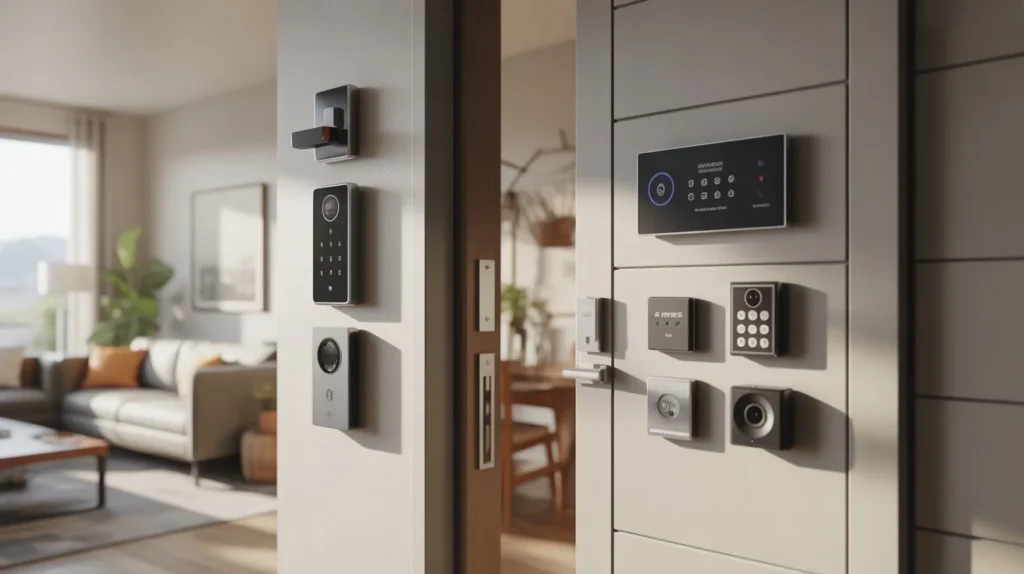
Vivint puts a lot of focus, on home security, smart automation, cameras and professional installation. ADT offers professional security services alongside newer DIY options and Google Nest products.
| Feature | Vivint | ADT |
| Professional installation | Available | Available |
| DIY option | Limited compared with ADT | Available through ADT+ and ADT Blu |
| 24/7 monitoring | Available | Available |
| Security cameras | Indoor, outdoor, doorbell | Indoor, outdoor, doorbell |
| Mobile app | Yes | Yes |
| Smart-home control | Strong focus | Available |
| Contract options | Vary by purchase and plan | Vary by plan |
| Equipment payment | Upfront or financing | Upfront, financing, or package options |
| Best fit | Integrated security and smart home | Broad security options and monitoring |
Prices and offers can change, so check the current terms before signing a service agreement.
What Is Vivint?
Vivint is a company that installs home security and smart-home systems. It brings together devices like sensors, cameras, locks and thermostats on one platform. A standard Vivint setup usually includes door and window sensors, motion detectors, a touchscreen control hub, cameras and smart locks. Trained installers come to your home help decide where each device should go and test everything after the installation.
Vivint also offers 24/7 monitoring. Their mobile app lets users watch camera videos get alerts when something happens manage security settings and control smart-home items that work with the system. This makes Vivint a good choice, for homeowners who want both home security and smart-home features in a solution.
What Is ADT?
ADT is a known home security company that has been around for a long time. They provide monitoring, security devices, cameras and smart-home features. Today ADT gives customers than one way to set up their security system. People can pick an installed system or go with do-it-yourself products if they qualify. ADT systems also work with Google Nest cameras and other smart-home items that are compatible.
The key thing to remember is that ADT pricing and contract terms can vary. These differences depend on the type of system how it is installed, the equipment used and any current promotions. So the cost and agreement can be different, for customers based on their choices.
Vivint vs ADT Equipment
Both providers offer equipment for common home security needs.
Vivint systems can include:
- Door and window sensors
- Motion sensors
- Indoor cameras
- Outdoor cameras
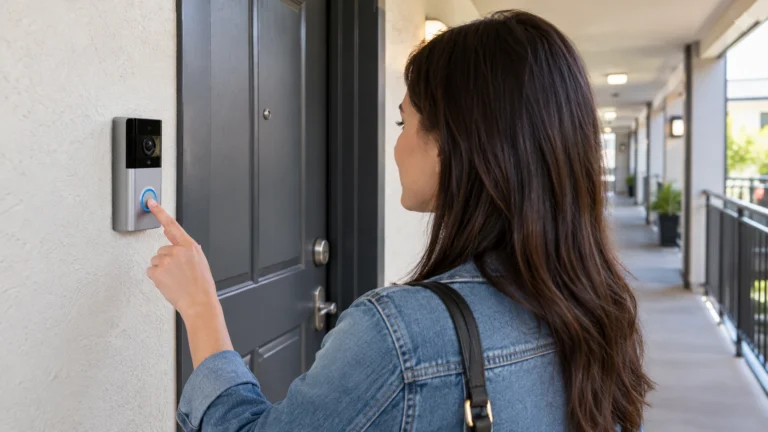
- Doorbell cameras
- Smart locks
- Thermostats
- Smart hubs
- Safety sensors
ADT also offers:
- Door and window sensors
- Motion detectors
- Indoor cameras
- Outdoor cameras
- Doorbell cameras
- Smart locks
- Smart-home devices
- Life-safety equipment
The number of devices is just as important, as the brand. A small house might need sensors compared to a big place that has multiple doors, a garage and separate buildings.
Vivint vs ADT Monitoring
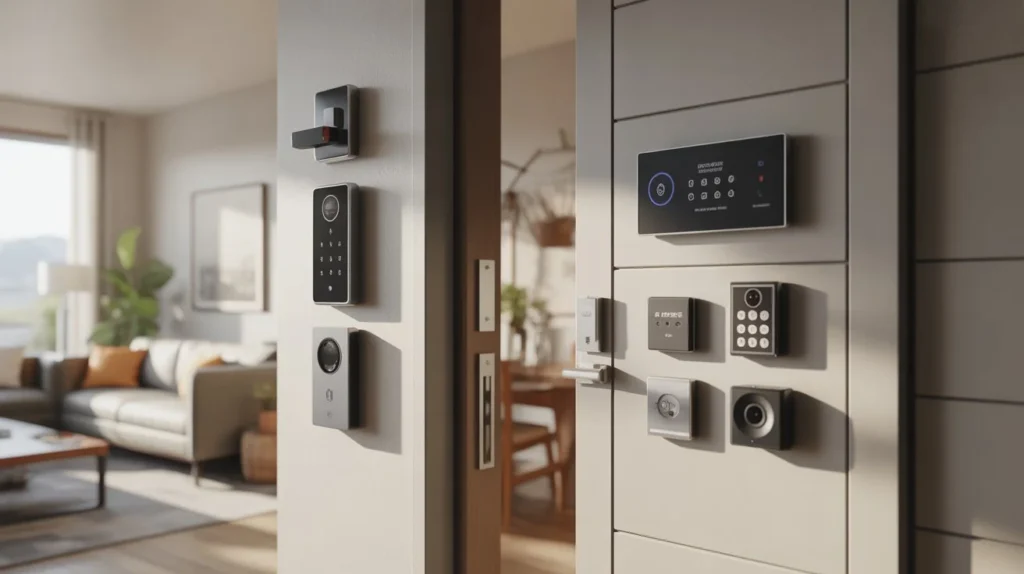
Professional monitoring can be helpful when you want people who have been trained to handle alarm situations. Vivint gives 24/7 monitoring, as part of its security services. Their systems can send alerts through the app. Connect people with the monitoring team. ADT also gives 24/7 monitoring. Monitoring begins after the system is set up turned on and talking to ADTs monitoring center. When looking at plans don’t just check the price. See what monitoring includes what equipment comes with it. whether video services cost extra.
Vivint vs ADT Cameras
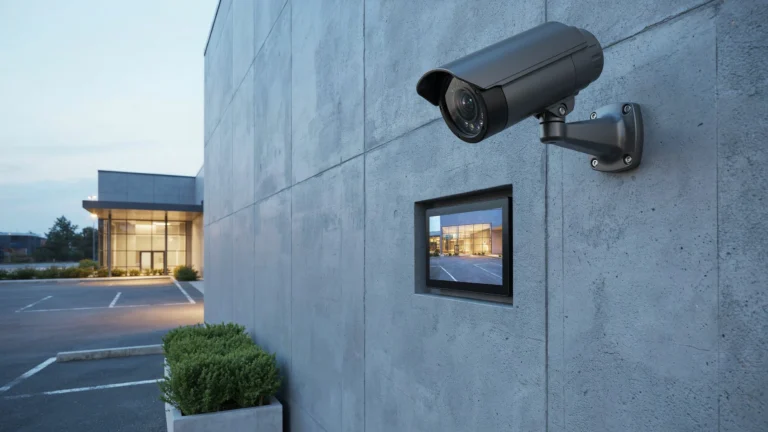
Cameras are one of the biggest differences to examine when comparing systems. Vivint offers indoor, outdoor, and doorbell cameras. Its current camera lineup includes features such as person detection, smart alerts, two-way communication, and video recording. Some Vivint camera systems can also provide continuous recording and event playback.
ADT offers indoor, outdoor, and doorbell camera options, including Google Nest cameras on eligible plans and offers.
Before choosing a camera system, consider these questions:
- Do you need indoor cameras?
- Do you need coverage around the driveway?
- Do you need a doorbell camera?
- Do you need continuous recording?
- How long should recordings be stored?
- Do you want person or vehicle alerts?
- Will your Wi-Fi support several cameras?
- Do you need professional camera placement?
A camera with strong specifications can still perform poorly if it faces glare, has weak Wi-Fi, or is installed at the wrong height.
Vivint vs ADT Smart Home Features
Vivint puts security and smart-home controls into one connected system. The Vivint app can manage security devices, cameras, locks, thermostats, and other compatible equipment. ADT also supports smart-home features and Google Nest products. The exact features depend on the equipment and monitoring plan selected.
Think about how much automation you actually need. If you only want door sensors and professional monitoring, you may not need a large smart-home package. If you want cameras, locks, lights, thermostats, and security controls working together, compare each system’s compatible devices before buying.
Vivint vs ADT Installation
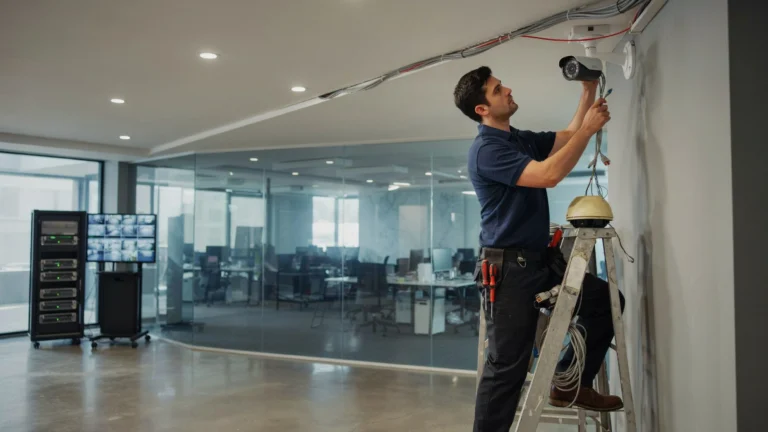
Professional installation can help avoid common problems with camera placement, sensor location, wiring, and network setup. Vivint uses professional installers who can design the system, place sensors and cameras, test equipment, configure the app, and explain how the system works.
ADT also offers professional installation. Its current service options also include DIY products, so homeowners have more than one installation route. Ask what the installation fee includes. Also ask whether moving equipment, adding cameras, running wires, or changing the system later will cost extra.
Vivint vs ADT Cost
There is no single price that applies to every home.
Your total cost can include:
- Security equipment
- Cameras
- Installation
- Professional monitoring
- Video recording
- Smart-home devices
- Financing
- Additional sensors
- Service fees
Vivint currently lists equipment and monitoring prices that vary by package and offer. ADT also publishes different prices and promotions based on installation and monitoring options.
For example, ADT currently advertises both professionally installed packages with longer monitoring terms and DIY options with month-to-month service. Vivint also states that month-to-month monitoring can be available when equipment is purchased upfront.
Because promotions change, compare the full cost over the length of the agreement instead of focusing on a discounted starting price.
Vivint vs ADT Contracts and Cancellation
Read the agreement before accepting any security package.
Look for:
- Initial contract length
- Monthly monitoring cost
- Equipment financing period
- Early cancellation charges
- Equipment ownership
- Moving policies
- Warranty terms
- Service fees
ADT’s current terms show that contract length can vary by service type and offer. Vivint also has different service and financing arrangements, including month-to-month monitoring in certain purchase situations. Never assume that a promotional price represents the full cost of service.
Vivint vs ADT Mobile Apps
Both companies provide mobile access to security systems. The Vivint app can provide live and recorded camera viewing, security alerts, device control, smart-home automation, and user permissions.
ADT also provides mobile control for compatible security and smart-home systems. When comparing apps, focus on the features you will use every day. Check live video speed, notifications, camera playback, device control, and how easy it is to manage multiple users.
Vivint vs ADT: Pros and Considerations
Vivint may suit homeowners who want a highly integrated security and smart-home system. Professional installation, cameras, automation, and one-app control are major parts of its offering.
ADT may suit homeowners who want a long-established security provider with professional monitoring and both professional and DIY equipment options. Neither system should be chosen from the brand name alone. Your property and equipment needs matter more.
Which Is Better for Cameras?
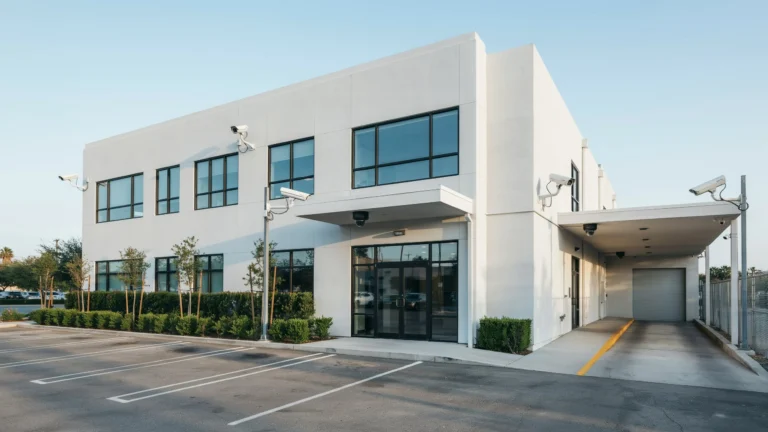
Start with the areas you need to monitor. A basic home may need cameras at the front door, back door, driveway, and garage. A larger property may need additional coverage for side gates, detached garages, yards, and other entry points.
Compare camera resolution, night vision, storage, alerts, field of view, and installation. Also check whether your internet connection can handle several cameras at once.
Which Is Better for Smart Homes?
If smart-home control is important, compare the devices each system supports.
Think about whether you want to control:
- Door locks
- Thermostats
- Lights
- Garage doors
- Cameras
- Security sensors
Do not pay for smart-home features you will rarely use. Build the system around your daily needs.
Which Is Better for Basic Home Security?
For protection make sure to look at entry sensors, motion detection, professional monitoring and a way that works well to get alerts. You might not need a lot of smart-home devices or many cameras.
A simple system can watch doors, windows, main living areas and other key entry points. The best setup depends on the propertys size and the way the property is laid out.
Vivint vs ADT: What Should You Consider Before Choosing?
Before signing up make a checklist. First decide which areas need protection. Then count the doors, windows, garages and outdoor areas that need coverage. Next decide whether you need cameras. If you do determine how many cameras are needed and where they should be placed.
Then compare the cost. Include equipment, installation, monitoring, recording, financing and cancellation terms. Finally read the agreement carefully. A lower starting price does not always mean a total cost.
Can You Use Security Cameras Without Vivint or ADT?
Yes. Homeowners can use standalone security cameras without subscribing to Vivint or ADT. A standalone system can include wired IP cameras, Wi-Fi cameras, an NVR, local storage, cloud storage, or a combination of these options.
This approach can make sense when your main goal is video surveillance rather than professional alarm monitoring. You can also choose a professional installer to help with camera placement, network coverage, recording, and remote viewing.
Vivint vs ADT vs Standalone Security Camera Installation
The biggest difference is the type of service you need. Vivint and ADT combine security equipment with professional monitoring and other services. A standalone camera system focuses mainly on video surveillance. A standalone system may be useful if you already have another way to handle alarms and mainly need reliable cameras.
For homeowners in Indianapolis, professional security camera installation indianapolis can help with camera placement, wiring, network setup, recording, and remote access.
Cam Security Surveillance provides security camera installation for homes and businesses. Contact Cam Security Surveillance to discuss your property, camera coverage, and installation needs.
How to Choose the Right System for Your Home
The best place to start is with your home not with a company name. Take a walk around your house. Find every major entry point. Put marks on spots where a camera would be helpful. Look at where the Wi-Fi’s not strong and where wires might need to go.
Next figure out if you need help, from experts, home features storing videos locally saving videos online or just having cameras. This easy step can help you not pay for things that don’t really fix a real security problem.
Conclusion
Vivint and ADT both offer home security systems with monitoring, cameras, professional installation, and smart-home features. Their equipment, pricing, contract choices, and installation options differ. The right choice depends on your property, budget, camera needs, monitoring preferences, and smart-home goals.
Compare the full cost and service terms before making a decision. If your main need is professional video surveillance, a standalone camera system may also be worth considering. Contact us today to discuss your security camera needs and find a system that fits your property.
FAQs
Which is ADT or Vivint?
The answer depends on your needs. Compare equipment, monitoring, cameras, smart-home features, installation, pricing and contract terms before choosing.
Is Vivint cheaper than ADT?
Pricing varies by equipment, monitoring plan, installation, financing and promotions. Compare the cost rather than only the advertised starting price.
Does Vivint require a contract?
Not always. Vivint states that month-, to-month monitoring can be available when equipment is purchased upfront. Other financing and service arrangements can have terms.
Does ADT require a contract?
I have seen that some ADT professionally installed plans do require a contract and ADT also offers DIY options that have terms. It is an idea to check the current agreement before you buy.
Can Vivint cameras work without monitoring?
Vivint says that the system will not work fully without a Vivint services plan and you will lose connectivity. You should check the service terms for the equipment you want to use.
Can ADT cameras work without monitoring?
ADT offers kinds of equipment and service options so whether a camera works without monitoring depends on the camera and the plan you choose. Take a look at the specific product terms before you buy.
Is a security camera system worth considering?
I think it is. A standalone system is useful if your main goal is video surveillance and you do not need a monitored security package.
How many security cameras does a home need?
It depends on the property. Usually you want cameras on the door back door, driveway, garage, side gates and other important entry points.
What should I check before buying a home security system?
I recommend looking at equipment costs monitoring fees, installation, contract length, cancellation terms, camera storage, app features, warranties and who owns the equipment.
Can an installer help, with camera placement?
Yes. A professional installer can walk around your property. Suggest camera positions that give good coverage and cut down on blind spots.