
The Truth About Home Security Systems is something every homeowner should understand before investing in protection for their family and property. With crime concerns, smart technology, and marketing claims everywhere, it can be hard to separate facts from fear-driven sales tactics.
This guide breaks down what really matters, what myths to ignore, and how modern security fits into everyday life. At Cam Security Surveillance, we believe informed homeowners make better, more confident decisions.
Why Home Security Systems Matter More Than Ever
Home security is no longer just about loud alarms. Today’s systems focus on prevention, awareness, and peace of mind. Whether you live in a busy city or a quiet neighborhood, threats don’t always announce themselves in advance.
A well-designed system helps you:
- Deter break-ins before they happen
- Monitor your home remotely
- Respond quickly to emergencies
- Feel safer whether you’re home or away
Security is not about fear. It’s about control and preparedness.
Common Myths About Home Security Systems
Myth 1: “Security systems are only for expensive homes”
This is one of the most common misconceptions. Security solutions are available for apartments, small houses, rentals, and large properties. You don’t need a mansion to benefit from protection.
Myth 2: “I live in a safe area, so I don’t need one”
Many homeowners ask, do I need a home security system if their neighborhood feels safe? The reality is that crimes often occur in familiar, low-risk areas because criminals assume residents are less prepared.
Myth 3: “They are too complicated to use”
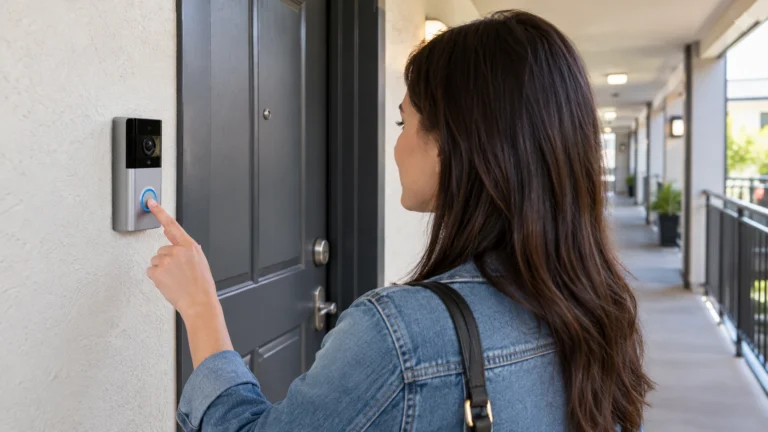
Modern systems are designed for everyday people, not tech experts. Mobile apps, simple controls, and professional setup make them easy to manage.
How Modern Home Security Systems Actually Work
Today’s systems combine multiple layers of protection rather than relying on a single device.
Core Components Explained
A typical setup may include:
- Motion sensors
- Door and window sensors
- Control panels or mobile apps
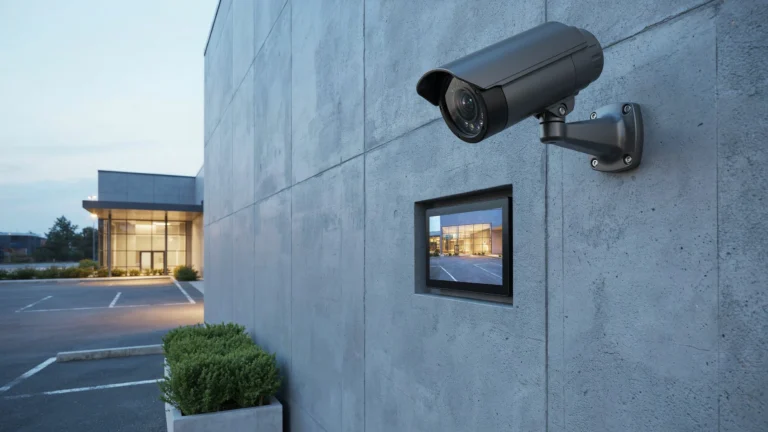
- Cameras for indoor and outdoor monitoring
When these components work together, they create a smarter and more responsive safety net.
The Role of Monitoring
Monitoring can be self-managed or professionally handled. Professional monitoring ensures alerts are acted on even when you can’t respond immediately, improving overall alarm system efficiency.
Cameras, Alarms, and Smart Features: What You Should Know
Cameras are often the most visible part of a system, but they work best when combined with alarms and sensors.
Cameras Are Not Just for Recording
Modern cameras help with:
- Real-time alerts
- Visual verification of threats
- Evidence collection
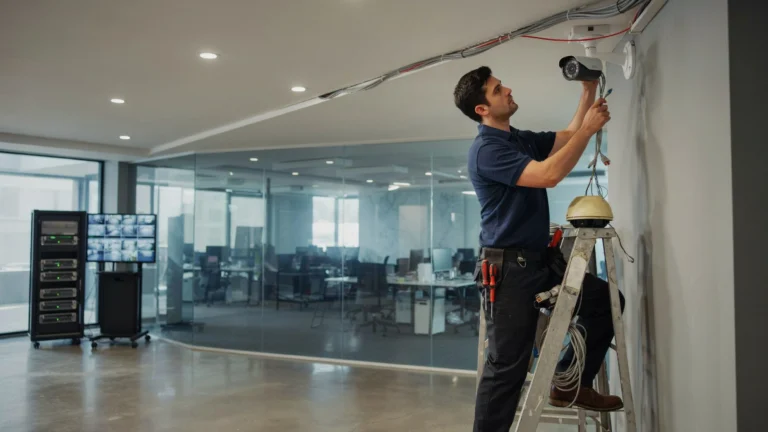
Professional security cameras installation ensures proper placement, clear footage, and reliable performance without blind spots.
Smart Home Integration
Many systems now integrate with smart locks, lights, and voice assistants. This allows automated responses like turning on lights when motion is detected or locking doors remotely.
Choosing the Right Level of Protection
Not every home needs the same setup. The key is matching protection to your lifestyle, layout, and risks.
Partial vs Full Coverage
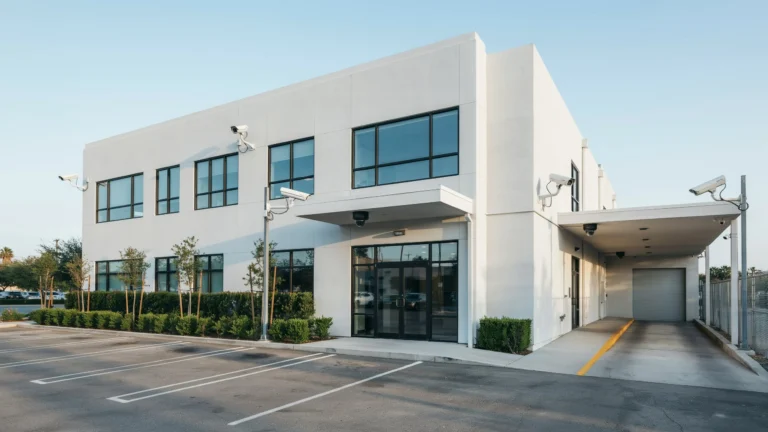
Some homeowners prefer entry-point protection, while others choose a whole house security system for complete coverage. Full coverage is ideal for larger homes, families, or frequent travelers.
Professional Guidance Matters
Working with experienced providers like Cam Security Surveillance helps ensure your system is designed for real-world use, not just showroom appeal.
Cost vs Value: Understanding the Real Investment
Security systems are often viewed as an expense, but they are better understood as an investment.
What You’re Really Paying For
You’re not just paying for equipment. You’re investing in:
- Deterrence
- Faster emergency response
- Reduced stress
- Potential insurance benefits
Over time, these advantages often outweigh the initial cost.
Avoiding Overkill
More devices don’t always mean better security. A well-planned system with the right components delivers higher alarm system efficiency than a cluttered setup.
Privacy and Security: Addressing Real Concerns
Privacy is a valid concern, especially with connected devices.
How to Stay in Control
You can protect your privacy by:
- Using strong passwords
- Limiting access permissions
- Choosing reputable providers
- Updating systems regularly
A trustworthy installer will explain these safeguards clearly and transparently.
The Truth About Home Security Systems in Real Life
The Truth About Home Security Systems is that they work best when they fit naturally into your daily routine. The goal isn’t constant monitoring or fear-driven living. It’s quiet confidence, knowing your home is protected even when you’re not thinking about it.
Security should feel supportive, not stressful.
Final Thoughts
The Truth About Home Security Systems comes down to balance. The right system protects without overwhelming, adapts to your lifestyle, and gives you peace of mind. Whether you’re upgrading or starting fresh, informed choices make all the difference.
If you’re ready to explore reliable protection tailored to your home, contact us to get expert guidance and practical solutions.
Frequently Asked Questions
How do I know if a home security system is right for me?
If you value peace of mind, want to deter potential threats, or travel often, a security system can be a smart addition. Your home size and lifestyle help determine the best setup.
Can a security system really prevent break-ins?
While no system guarantees complete prevention, visible security measures significantly reduce the likelihood of break-ins and improve response times when incidents occur.
Is professional installation better than DIY?
Professional installation ensures correct placement, system optimization, and long-term reliability, which often leads to better overall performance and fewer issues over ti
Will a home security system work during a power outage?
Most modern security systems include battery backups that keep essential functions running during power outages. Some systems also use cellular connectivity, allowing alerts and monitoring to continue even if Wi-Fi goes down.
How often should a home security system be upgraded?
It’s a good idea to review your system every few years or whenever your living situation changes. Advancements in technology, home renovations, or added entry points may require updates to maintain effective protection.