Security in apartments is not simple. Many people live close together, so risk is higher. Theft, package loss, and unwanted entry happen often in shared spaces. Good camera planning solves most of these issues. The right system helps owners and tenants feel safe every day. It also reduces disputes and improves control over shared areas.
Choosing the right Security Cameras for Apartment means matching coverage, clarity, and storage with building needs. It is not about buying the most expensive system. It is about smart placement and reliable features that work in real life.
Understanding Security Needs in Apartments & Buildings
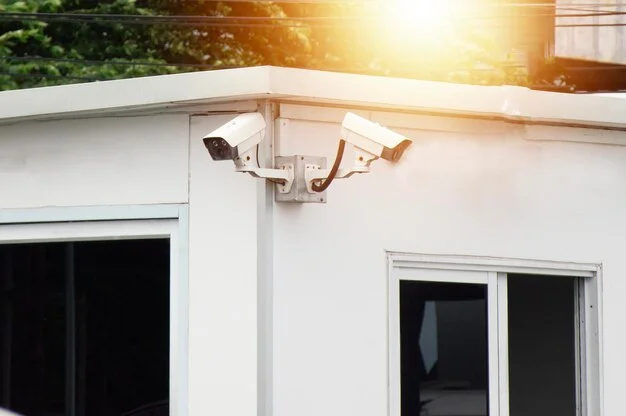
Every building has different risks. Small apartments need basic coverage. Large buildings need full monitoring across shared zones.
Common risks include:
- Package theft near doors
- Unauthorized entry in parking areas
- Break-ins through side exits
- Vandalism in stairwells or lifts
Good planning starts with understanding flow. People move through entry points, elevators, and parking first. These are the areas that need strong video surveillance for apartment setups.
Building owners should also think about tenant trust. Cameras must protect without invading private space. This balance builds long-term safety and comfort.
Types of Security Cameras for Apartments & Buildings
Different camera types solve different problems. Mixing them often gives the best result.
Dome Cameras
Best for indoor shared spaces like hallways and lobbies. They are small, discreet, and blend into ceilings. Their wide view helps cover large areas with fewer blind spots. They are also harder to tamper with, making them a solid choice for Security Cameras for Apartment setups indoors.
Bullet Cameras
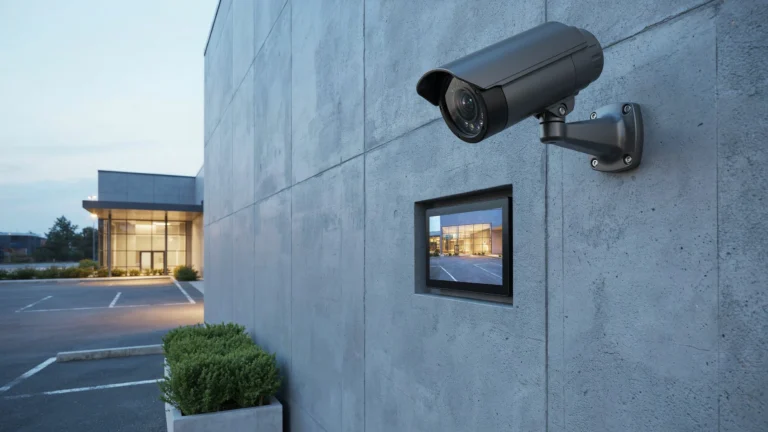
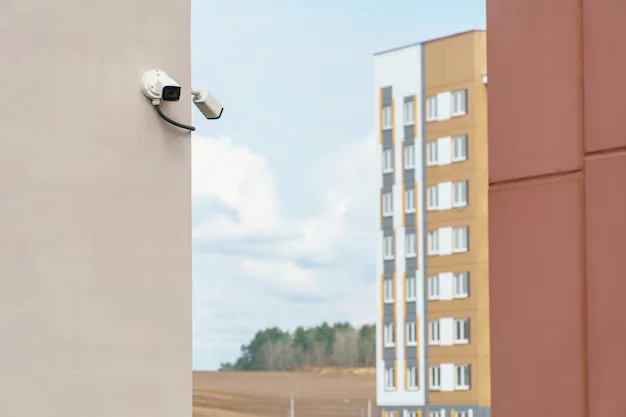
These cameras are visible and act as a strong warning to intruders. They are commonly used in parking areas, gates, and building exteriors. Their shape makes them easy to spot, which helps prevent crime before it happens. They also perform well in low light and bad weather.
IP Cameras
IP cameras send video over the internet. You can view footage on phones, laptops, or control systems in real time. They offer clear video and smart features like alerts. Most modern apartment surveillance cameras use IP systems for flexible monitoring.
Wireless Cameras
Easy to install with no heavy wiring needed. They work well in small apartments or rental units. They are flexible and can be moved easily, but need a stable Wi-Fi connection for best performance.
PTZ Cameras
PTZ cameras can move side to side, up and down, and zoom in. They are ideal for large areas like parking lots. One camera can cover a wide space, reducing the need for multiple units.
Choosing the right mix improves full coverage without blind spots.
Key Features to Look For
Not all cameras give the same value. Focus on features that matter in real use.
- Clear video (1080p or higher)
- Night vision for dark areas
- Wide viewing angle for hallways
- Motion alerts for quick response
- Strong build for outdoor use
- Cloud or local storage support
These features make Security Cameras for Apartment more useful in daily monitoring. Without them, footage becomes weak and less helpful during incidents.
Wired vs Wireless Systems
Wired systems use physical cables to connect cameras to a recorder. They are very stable and do not rely on Wi-Fi, which makes them reliable for large buildings. They provide strong video quality with fewer interruptions or signal drops. Once installed, they are also harder to tamper with, adding extra security. The downside is that installation takes more time and planning, and may require drilling and professional setup.
Wireless Security Camera Systems
Wireless systems transmit video using Wi-Fi instead of cables. They are quick and easy to install, making them a good choice for small apartments or rental spaces. They also allow remote viewing through mobile apps, which adds convenience. However, they depend heavily on internet strength. If the Wi-Fi is weak or unstable, video quality and live streaming can be affected.
Placement Strategy for Maximum Security
Placement matters more than camera price.
Key areas to cover:
- Main entry and exit points
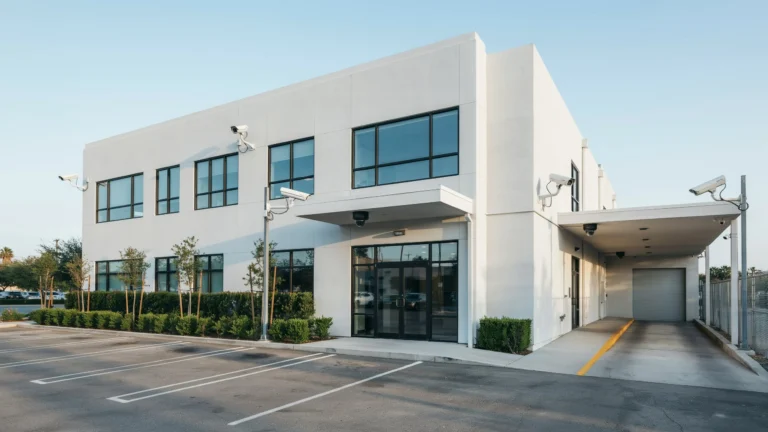
- Parking lots and basements
- Staircases and corridors
- Elevator interiors
- Delivery zones
Cameras should always cover movement paths, not empty walls.
For better planning, many installers use Indianapolis apartment security solutions models as a reference for structured coverage systems. The same approach is used by experts at Cam Security Surveillance when designing layouts for multi-unit buildings.
Height also matters. Install cameras at 8 to 10 feet. This reduces damage risk and improves view range.
Legal & Privacy Considerations
Security must respect privacy rules. Do not install cameras inside private apartments. Only shared areas are allowed in most regions. Always inform tenants about active monitoring.
Avoid recording areas like:
- Bathroom entrances
- Inside homes
- Private balconies (in most cases)
Clear signage builds trust and avoids legal issues.
Storage & Monitoring Options
Storage defines how long footage stays useful.
Cloud Storage
- Access from anywhere
- Safe from device damage
- Monthly cost involved
Local Storage (DVR/NVR)
- One-time setup cost
- No internet needed
- Risk of hardware damage
Most modern video surveillance for apartment systems combine both options. Retention time usually ranges from 15 to 90 days. Larger buildings need more storage.
Smart Features & Modern Technology
Modern systems do more than record video.
Key smart features:
- AI motion detection
- Face alerts for known people
- Mobile app access
- Real-time notifications
- Integration with alarms
These features help reduce response time. They also reduce false alerts from pets or wind. Smart Security Cameras for Apartment setups improve control without extra effort.
Budget Considerations
Cost depends on building size and camera quality.
Basic setups:
- Small apartments
- Entry + hallway coverage
Mid-range setups:
- Medium buildings
- Parking and shared space coverage
High-end setups:
- Large apartment complexes
- Full smart monitoring systems
Cheap systems often fail in long-term use. Good apartment security camera solutions balance cost and reliability.
Always include installation and maintenance cost in planning.
Installation Best Practices
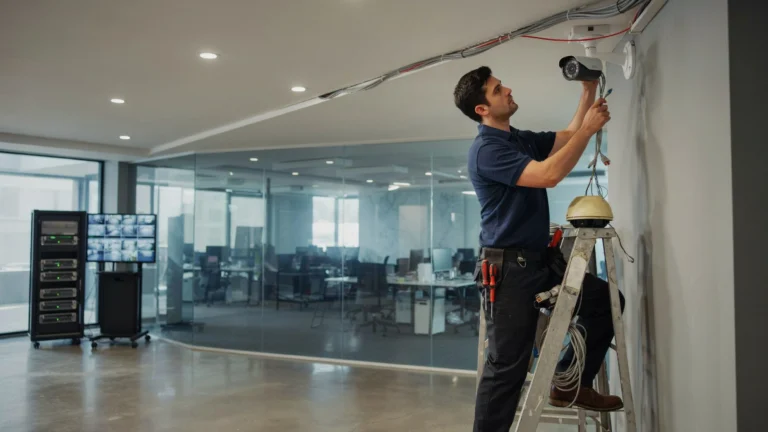
Good installation plays a big role in how well your security system works and how long it lasts. Always use professional installers when possible to ensure correct setup. Place cameras away from direct sunlight to avoid glare and poor image quality. Keep them out of easy reach to prevent damage or tampering. Test night vision before finalizing installation to make sure clear footage is captured at night. Also, check network strength for IP cameras so the video does not lag or drop. Cam Security Surveillance follows these steps to reduce blind spots and improve overall coverage in real situations.
Common Mistakes to Avoid
Many systems fail due to poor planning.
Avoid these mistakes:
- Ignoring parking area coverage
- Installing too few cameras
- Using low storage capacity
- Poor lighting control
- Forgetting backup power
Small mistakes reduce the value of your Security Cameras for Apartment system.
Maintenance and Long-Term Care
Security systems need regular checks.
Do this every 2–3 months:
- Clean camera lenses
- Check wiring and mounts
- Update software
- Test recording system
- Review storage space
This keeps your system reliable for years.
Conclusion
Choosing the right system is not about buying the most devices. It is about smart design, correct placement, and strong features. A well-planned setup of Security Cameras for Apartment improves safety for everyone. It protects property, reduces risk, and builds trust in shared living spaces.
When planned correctly, modern apartment surveillance cameras and structured apartment security camera solutions give full control over building safety. With expert setup from Cam Security Surveillance, results become more reliable and long-lasting. For professional help and quick setup, contact us today.
FAQs
How many cameras does an apartment building need?
It depends on building size. Small buildings need cameras at entrances. Larger ones need coverage for parking, hallways, stairs, elevators, and delivery areas. The goal is full coverage without blind spots.
Are wireless cameras good for apartments?
Yes, they work well for small apartments or rental units. They are easy to install and move. But they need strong Wi-Fi. For larger buildings, wired systems are more stable.
Can tenants request camera removal?
Usually no. Cameras in shared areas are controlled by building management. They cannot be removed by tenants. However, they must never be placed inside private living spaces.
How long is footage stored?
Most systems store footage from 15 to 90 days. It depends on storage size and system type. Cloud storage can keep data longer than local storage.
Do security cameras work at night?
Yes. Modern cameras use infrared or low-light tech. They can record clearly in complete darkness, especially in parking lots and outdoor areas.