Neighborhood safety is a top concern for many homeowners today. Crime can happen at any time, even in quiet areas. The good news is that simple steps like installing cameras can reduce risks and improve peace of mind. A well-planned system helps monitor activity, deter threats, and support quick response when needed.
Neighborhood Security Cameras give communities a simple way to stay protected around the clock. They help prevent crime, improve awareness, and bring neighbors together to create a safer place to live.
What Are Neighborhood Security Cameras?
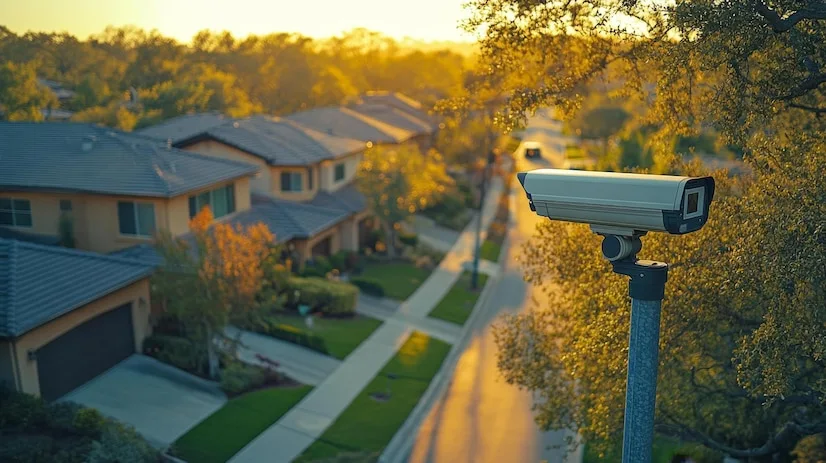
Neighborhood security cameras are systems placed across shared areas to monitor activity. These include streets, entrances, parks, and common spaces. Unlike single home cameras, these systems focus on the safety of the whole community.
Many neighborhoods now use neighborhood surveillance cameras that connect to a shared network. This allows multiple residents or a community group to access important footage when needed.
Some communities hire professionals for setup. For example, services like security camera installation indianapolis ensure cameras are placed correctly and follow legal rules. At Cam Security Surveillance, proper planning is always the first step to building a reliable system.
Why Neighborhood Security Cameras Matter
Crime prevention starts with visibility. When cameras are visible, people think twice before acting. Neighborhood surveillance creates a sense of accountability. It helps reduce theft, vandalism, and suspicious activity. Residents feel safer knowing their area is monitored.
These systems also help after an incident. Footage can support police investigations and provide clear evidence. This makes neighborhood safety cameras a valuable tool for both prevention and response.
Key Benefits of Community Surveillance Systems
Community camera systems offer several real benefits. First, they provide 24/7 monitoring. This means your neighborhood is protected even when you are asleep or away. Second, they improve response time. When something unusual happens, alerts can be sent quickly. This allows faster action.
Third, they help collect evidence. Clear video footage can help solve crimes and support claims. Finally, they reduce fear. People feel more comfortable walking, parking, and living in a monitored area.
Types of Security Cameras for Neighborhoods
Outdoor Surveillance Cameras
These cameras are built for outdoor use and can handle rain, dust, and heat. They are perfect for streets, entrances, and open areas where wide coverage is needed.
Smart Security Cameras
Smart cameras connect to mobile apps and send alerts when motion is detected. They allow users to monitor the neighborhood in real time from anywhere.
License Plate Recognition Cameras
These cameras are designed to capture and read vehicle license plates. They help track cars entering and leaving the neighborhood, which adds an extra layer of security.
PTZ (Pan-Tilt-Zoom) Cameras
PTZ cameras can move in different directions and zoom in on specific areas. They are useful for covering large spaces and tracking moving objects.
Dome and Bullet Cameras
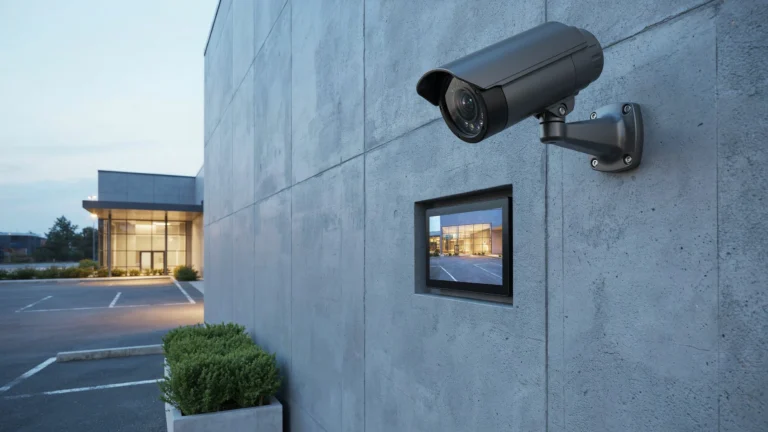
Dome cameras are small and less noticeable, making them good for discreet monitoring. Bullet cameras are more visible and act as a strong deterrent to crime.
Best Locations to Install Neighborhood Cameras
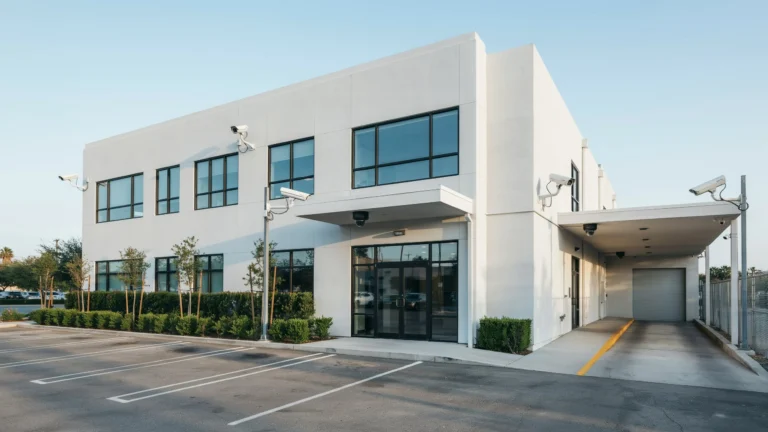
Camera placement is key to success. Poor placement leads to blind spots. The best places include entry and exit points. These areas capture all incoming and outgoing traffic. Main streets and intersections are also important. They cover movement across the neighborhood.
Parks and playgrounds benefit from cameras too. These areas often have high activity and need extra safety.
Parking areas should also be monitored. Cars are common targets for theft or damage. Good placement ensures your neighborhood surveillance cameras cover the most important areas.
Legal Considerations for Neighborhood Cameras
- Laws must be followed when installing cameras. Privacy is a major concern.
- Cameras should not record private spaces such as inside homes or areas where people expect privacy.
- Public areas are usually safe to monitor, but avoid pointing cameras directly at private property.
- Many regions require clear signs to inform people that recording is taking place.
- Following these rules keeps your Neighborhood Security Cameras system safe and legal.
HOA and Community Rules
Many neighborhoods have homeowners associations. These groups set rules for shared systems. HOAs may require approval before installing cameras. They may also define where cameras can be placed.
Clear guidelines help avoid disputes. They also ensure all residents feel comfortable with the system. If your area has no HOA, it is still a good idea to create simple rules. This keeps everyone on the same page.
Cost of Installing Neighborhood Security Cameras
The cost depends on system size and features. A small setup with basic cameras costs less. Larger systems with advanced features cost more. Sharing costs across residents can make it affordable. Many communities split the cost to reduce the burden.
There are also ongoing costs. These include maintenance, storage, and upgrades. Even with costs, Neighborhood Security Cameras offer long-term value through improved safety.
Features to Look for in a Neighborhood Camera System
Choosing the right features is important. High video quality is a must. Clear footage helps identify faces and actions. Night vision is also important for low-light areas. Motion detection adds extra security. It alerts users when movement is detected.
Storage options matter too. Cloud storage allows remote access, while local storage gives more control. Remote access is another key feature. It lets users view footage from anywhere.These features make neighborhood safety cameras more effective and reliable.
Challenges and Concerns
- Privacy is the biggest issue. Some residents may feel uncomfortable being recorded.
- Cost can also be a challenge. Not all communities can afford advanced systems.
- Maintenance is another factor. Cameras need regular checks to stay effective.
- Data security is very important. Weak systems can lead to hacking or data leaks.
- Understanding these challenges helps you plan better and avoid problems later.
Tips for Setting Up a Community Camera System
Start with a clear plan. Identify key areas that need coverage. Talk to residents before installing cameras. This builds trust and avoids conflict. Choose the right equipment based on your needs. Do not overspend on features you do not need.
Work with professionals when possible. They can ensure proper setup and compliance. Regularly check your system. This keeps it working at all times.
Professional vs DIY Installation
DIY Installation
DIY installation is cheaper and works well for small setups. It gives homeowners full control over the process. However, it requires time, basic technical skills, and proper planning. Mistakes in placement or wiring can reduce camera coverage and effectiveness.
Professional Installation
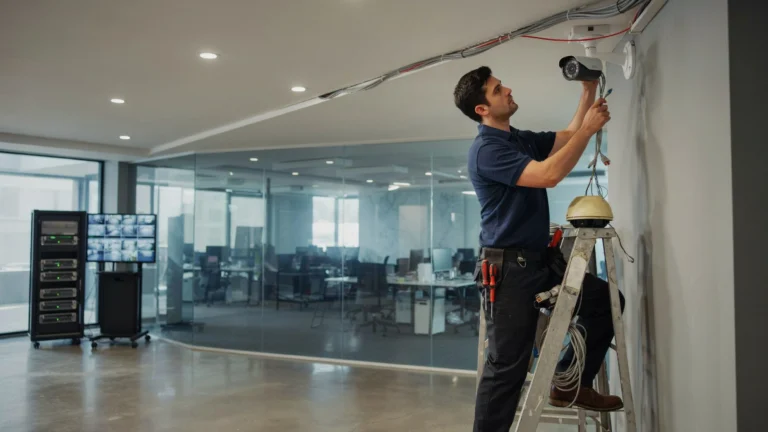
Professional installation offers expert setup and better system design. Technicians know the best camera angles, legal placement rules, and security needs. It reduces errors and ensures full coverage of important areas. This option is more reliable for large or community-based systems like Neighborhood Security Cameras. Cam Security Surveillance provides trusted professional installation services to ensure your security system is set up correctly and performs at its best.
How Neighborhood Cameras Improve Property Value
Safety affects property value. Homes in secure areas attract more buyers. People prefer neighborhoods with strong safety measures.
Neighborhood surveillance systems show that the community cares about security. This builds trust. Over time, this can increase demand and property prices.
Future Trends in Neighborhood Surveillance
Technology is improving fast. AI-based detection is becoming common. These systems can identify people, vehicles, and unusual activity. Cloud systems are also growing. They allow easy access and better storage.
Smart integration with home systems is another trend. This creates a connected security network. These trends will make community surveillance cameras even more effective in the future.
Conclusion
Neighborhood safety depends on smart planning and teamwork. Cameras are a simple but powerful tool that can reduce crime and improve peace of mind. Neighborhood Security Cameras help protect homes, streets, and shared spaces around the clock. When used correctly, they create a safer and more connected community.
If you want expert guidance or a reliable setup, you can contact us at Cam Security Surveillance. Our team can help you design a system that fits your needs and keeps your community protected.
FAQs
Are neighborhood security cameras legal?
Yes, they are legal in most areas if they follow privacy laws and avoid recording private spaces.
Who owns the footage in a community system?
Ownership depends on the setup. It may belong to the HOA, a group, or a service provider.
Can cameras be installed without HOA approval?
In many cases, no. You should check HOA rules before installing shared systems.
How much does a neighborhood camera system cost?
Costs vary, but sharing expenses among residents makes it more affordable.
Do security cameras reduce crime?
Yes, visible cameras act as a deterrent and help reduce criminal activity.