At present, CCTV systems have become important for safeguarding homes, commercial offices, retail stores, manufacturing sites, and other facilities. CCTV cameras are now widely used for security and monitoring. Purchasing and installing a surveillance system is relatively straightforward, but buying the equipment is only one part of creating a successful CCTV system.
So, should you have your CCTV cameras installed by a professional? On the whole, yes, although this depends on the size and complexity of your installation. An experienced CCTV installer can assess your property, identify weak spots, recommend suitable cameras, and position them to provide the coverage you need.
Why Professional CCTV Installation Matters
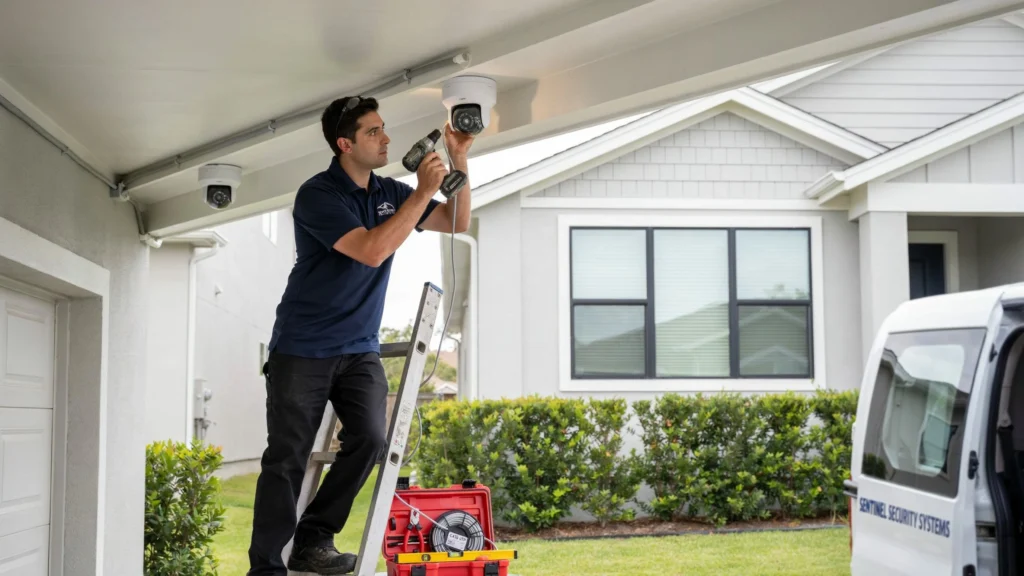
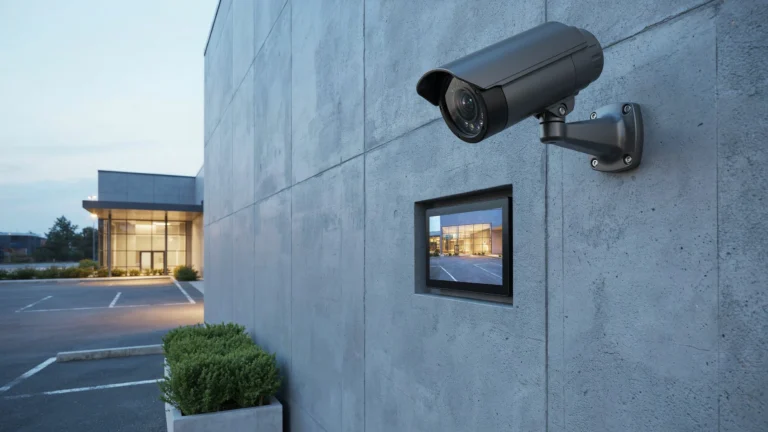
A CCTV system is only as reliable as its coverage. Although several cameras placed around a site may seem like a good idea, a camera can have excellent image quality and still fail to capture a doorway, driveway, entrance, or other important area because of poor placement, lighting conditions, or obstructions.
Professional security camera installation in Indianapolis is typically priced on a per-project basis rather than per camera. A professional installer will assess your property, identify key areas that need coverage, discuss your security needs, and design a camera system that fits your property, budget, and monitoring requirements. This approach helps ensure the cameras are positioned correctly and the entire system works together effectively.
They will consider:
- Wiring locations
- Storage capacity requirements
- Camera height and angles
- Lighting conditions
- Blind spots
- Camera access
- Network requirements
Another advantage is reliability. Equipment that is not installed correctly may cause faulty connections, unstable network signals, exposed cables, incorrect configuration, and other issues. These problems may not become noticeable until the system is being used regularly. A system installed by an experienced team is much less likely to experience these problems.
What Is a Professional CCTV Installer Responsible For?
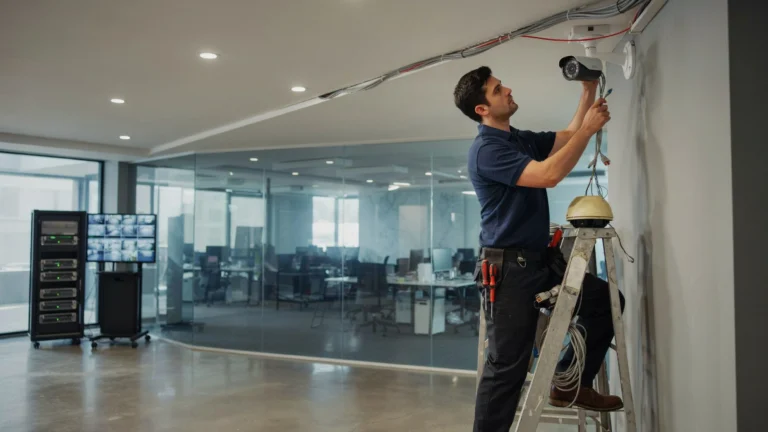
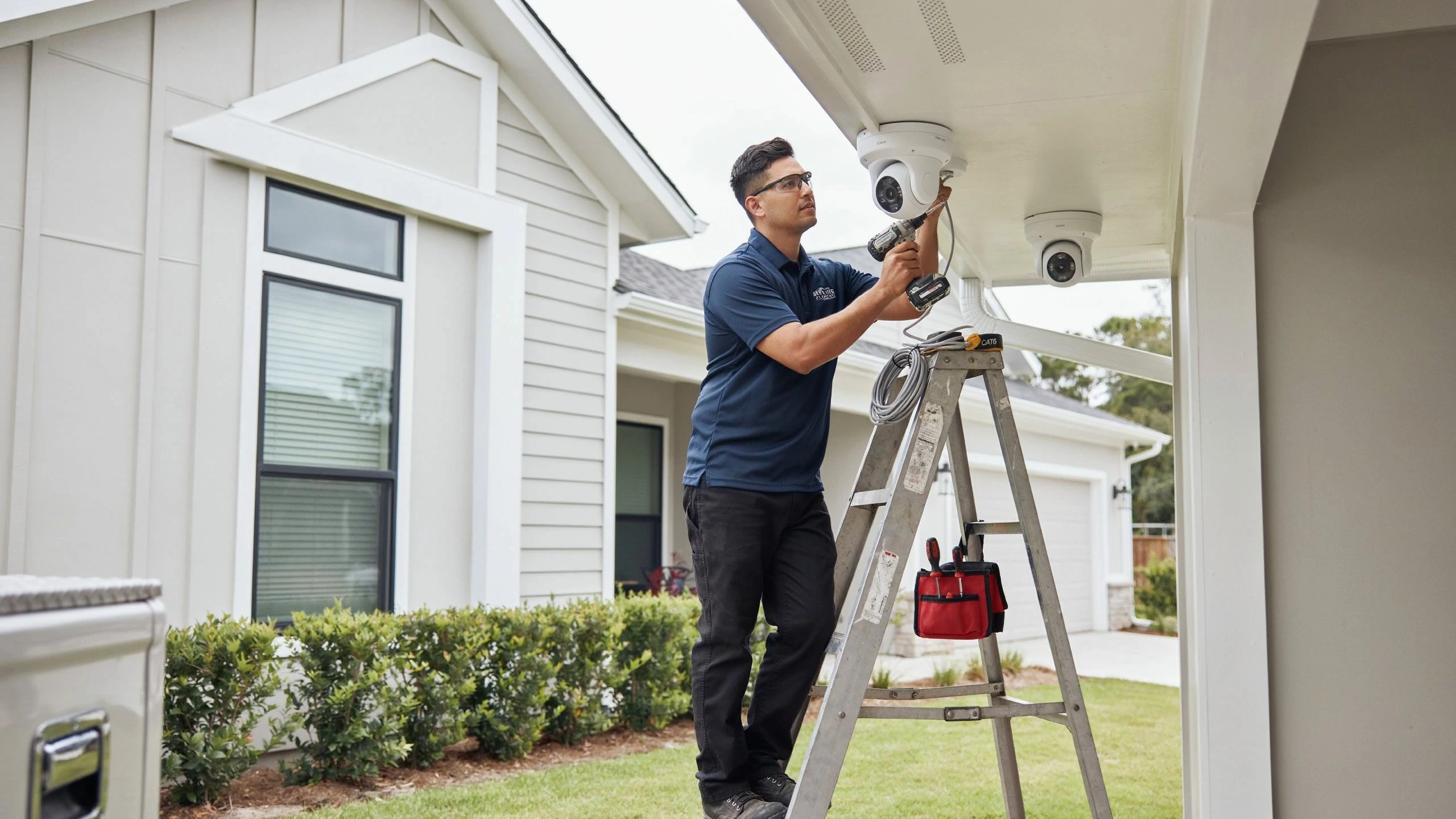
A responsible CCTV installer does not simply attach cameras to walls. Before fitting cameras, the installer will typically examine the property and discuss what you want to monitor.
From there, they can determine the best locations for cameras and identify the equipment needed for the installation.
Once the camera positions are confirmed, the installer can:
- Install cameras in the correct positions
- Run the necessary cables
- Install recording equipment
- Configure the CCTV system
- Connect network equipment
- Set up remote viewing when required
- Test cameras and recording functions
Testing is another important part of professional installation. After the system has been installed, each camera should be checked for picture quality, viewing angle, recording, connectivity, and signal strength. A professional should not simply install the system and walk away. The entire setup needs to be checked to make sure everything is working correctly.
Professional Installation Provides Better Camera Coverage
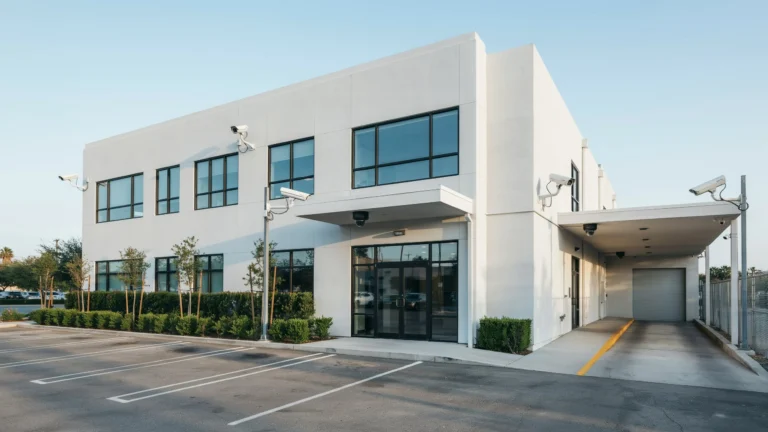
Properly designed professional installation can provide better coverage. No two properties are exactly the same. Each location has different access points, traffic patterns, lighting conditions, and security needs. What works for one property may not provide enough coverage for another.
A professional can identify areas that are easy to overlook, such as:
- Side doors
- Stairways
- Parking areas
- Gates
- Delivery doors
- Hallways
- Areas behind walls
- Areas beside buildings
- Entry and exit points
Camera angle is also important. A poorly positioned camera may point too far downward, create excessive glare, or sit too far away from the area being monitored.
For example, a camera mounted too high may capture the top of someone’s head instead of providing a clear view of their face. A camera facing direct sunlight may also produce footage with excessive glare. Professional planning helps reduce these problems before they affect your surveillance footage.
Professional Security Camera Installation Reduces Technical Problems
A modern CCTV system can include cameras, recorders, network switches, storage drives, smartphone apps, power adapters, Ethernet cables, and other hardware. Connecting all these components correctly is not always simple, especially when a property has many cameras or covers a large area.
Professional installation reduces the risk of incorrect setup. An experienced technician understands how the different components work together and can configure the system correctly. This becomes even more important when you need several cameras or want to view your property remotely.
Professional installation can also improve cable management. Loose, bent, or exposed cables can become damaged, unplugged, or difficult to troubleshoot later.
Proper cable routing keeps the system organized and can make future maintenance easier.
Should You Install CCTV Yourself?
DIY CCTV installation can be a good option for a small and simple system. Many modern camera kits are designed for easier installation, and homeowners or business owners with basic technical skills may be comfortable following the instructions.
However, installing a camera is different from designing a complete surveillance system.
You may successfully install a camera but still miss important areas, choose the wrong mounting position, configure recording incorrectly, or fail to secure the network properly.
Any of these mistakes can reduce the effectiveness of the system.
A DIY installation can work well for a small property with a few cameras. If you have a large property with several doors, a wide area to cover, many cameras, complex wiring, or higher recording requirements, professional assistance can be much more useful.
How to Choose the Right CCTV Installation Company
Choosing the right installer is as important as choosing the right camera.
Look for an installer who understands different camera types and can assess your property before recommending equipment.
Ask about:
- The installation process
- Equipment brands and specifications
- Camera placement
- Cable management
- Recording storage
- System testing
- Warranty coverage
- Maintenance and support
- Future system expansion
A good installer should be able to explain what equipment is being installed and why it is suitable for your property.
Cam Security Surveillance can help design and install a surveillance system based on your property’s layout and security requirements. The goal should be effective coverage, properly positioned cameras, and a system that is easy to manage.
Professional Installation Can Improve Long-Term Value
The value of a CCTV system is not based only on the cameras you purchase. A cheaper system can become more expensive if cameras are poorly mounted, coverage is incomplete, or cables and equipment are damaged.
Professional installation helps you get more value from the equipment you purchase. Cameras can be positioned carefully from the beginning, reducing the chance that you will later discover that important areas are not covered. User experience also matters.
A surveillance system should be positioned and configured so that the people responsible for monitoring it can operate it easily. Users should understand how to view cameras, review recordings, and manage basic settings.
What Are the Main Benefits of Professional CCTV Installation?
On a practical level, hiring an experienced CCTV installer can provide several benefits:
- Improved coverage: Cameras are positioned to reduce unnecessary blind spots.
- Proper setup: Recording, connectivity, storage, and system settings can be configured correctly.
- Increased reliability: Proper installation can reduce connection and equipment problems.
- Time savings: You do not have to spend hours learning the installation process.
- Scalability: The system can be planned with future camera additions in mind.
- Support: Professional installation may provide access to ongoing technical support.
These benefits become even more important when surveillance is being used to protect employees, customers, vehicles, inventory, equipment, or specific areas of a property.
Is Professional CCTV Fitting Really Worth It?
It depends on the property, equipment, and level of security you need. Someone installing two budget cameras at home may be perfectly comfortable handling a simple DIY installation.
As the property becomes larger and security requirements increase, the value of professional installation also increases. The main question is not whether the cameras turn on. The important question is whether the system provides the coverage, reliability, recording, and ease of use you need.
For businesses and large properties, the cost of missing important footage can be much greater than the cost of having a difficult installation completed professionally.
Final Thoughts
If you require a CCTV security system, professional installation can be the better choice when you want reliable coverage and correct system setup. Professional installation can include optimizing camera positions, reducing blind spots, managing cables, configuring recording, resolving technical issues, and setting up remote access.
A CCTV system is not just a collection of cameras. It is a complete security system that needs to be designed around the risks and layout of your property.
Contact us today for reliable, professional security camera installation and surveillance solutions tailored to your property’s needs. Our team can help you choose the right cameras, placement, recording system, and setup for dependable protection.
Frequently Asked Questions
Is professional CCTV installation better than DIY installation?
If you are installing several cameras, covering a large area, running extensive cabling, or building a complex system, professional installation is usually the better choice. Simpler systems can often be installed yourself if you are comfortable with the equipment.
Do professional installers also configure CCTV recording?
In most installations, the technician will configure the recording equipment. This may include checking storage drives, recording schedules, connected cameras, and other settings depending on the recorder and manufacturer.
Can I add more cameras to a professionally installed system later?
Yes, in many cases. With proper planning, the system can be designed to support future expansion. However, the recorder must have available camera channels, and the network, power, and storage capacity may also need to support the additional cameras.