You want a camera system for your home or business, and every website uses “CCTV” and “security cameras” like they mean the same thing. That gets confusing fast when you are trying to make a real buying decision.
Here is the short answer. Is CCTV the same thing as security cameras? Not exactly. CCTV is one type of security camera setup, but not every security camera is CCTV.
Is CCTV the Same Thing as Security Cameras?

This question comes up a lot because the terms get used interchangeably in ads, product listings, and even by some installers. The truth is a little more specific than that.
CCTV stands for closed circuit television. It refers to a camera system that sends video to a limited set of screens or recorders through a closed, private connection. Security cameras is a broader term. It covers CCTV, but it also includes internet connected cameras, wireless cameras, and smart cameras that stream to your phone.
So CCTV is a category inside the bigger group called security cameras. Every CCTV camera is a security camera, but not every security camera is CCTV. That is the core difference between CCTV and security cameras, and it matters when you are picking a system for your property.
What Is a CCTV Camera?
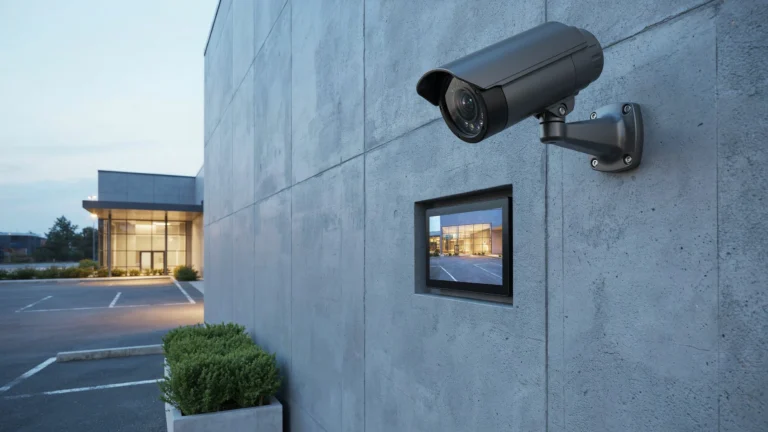
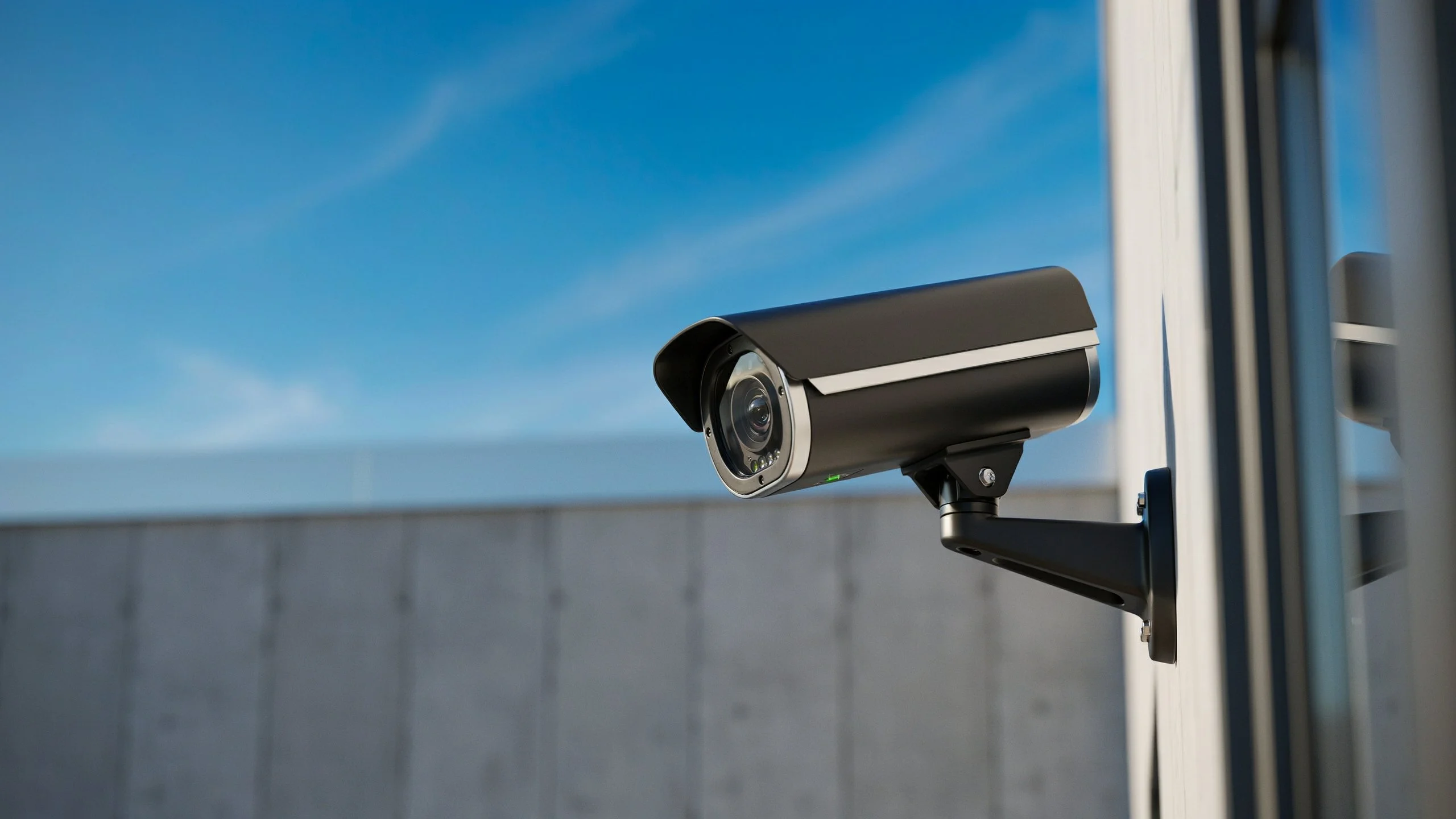
A CCTV camera records video and sends it through a wired, closed loop to a specific monitor or recording device. The signal does not travel over the open internet. That is where the word “closed” comes from.
Most CCTV setups use coaxial cables or ethernet cables connected to a Digital Video Recorder or Network Video Recorder. The footage stays local unless someone deliberately sets up remote access. Banks, retail stores, warehouses, and government buildings have used CCTV for decades because it is stable and hard to hack from outside.
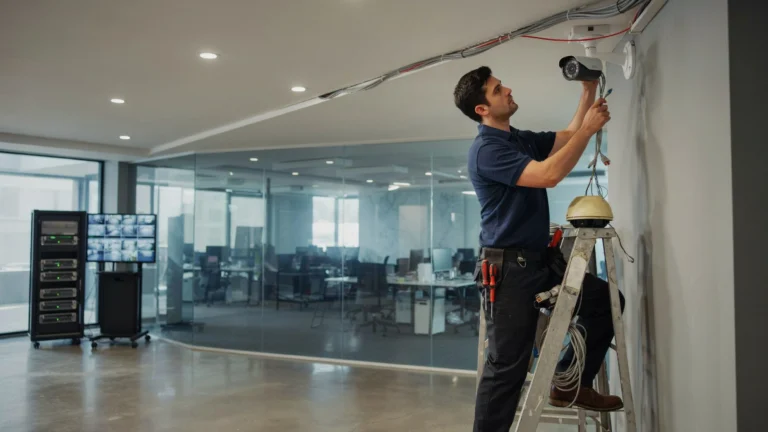
A classic CCTV system includes a few fixed cameras, a recorder box, and a monitor near the front desk or security office. The image quality has improved a lot over the years, but the basic wired, closed setup has stayed the same. This is what people mean when they ask, “what is a CCTV camera” in the traditional sense.
What Are Security Cameras?
Security cameras is the umbrella term for any camera used to monitor a space for safety or crime prevention. This includes old school CCTV, but it also includes newer wireless and smart camera options.
Modern security cameras often connect to Wi-Fi and send alerts straight to your phone. You can watch live video from anywhere, get motion alerts, and talk through two way audio on many models. Some store footage in the cloud instead of a local recorder, which means you do not lose your footage if someone steals or damages the camera itself.
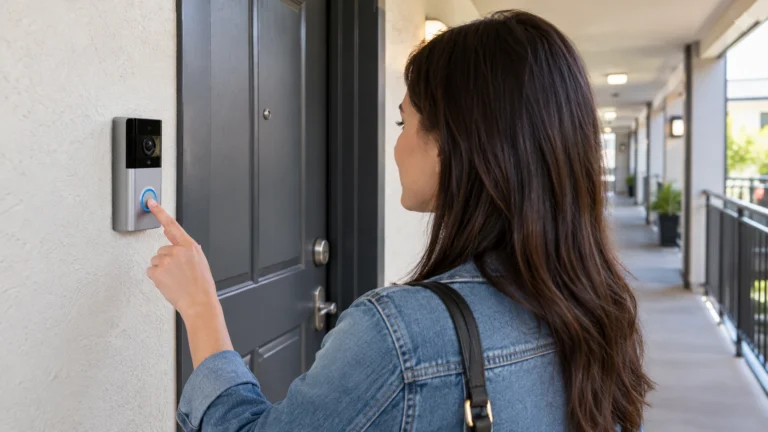
This is where the split really shows up. A homeowner asking “how do security cameras work” today is usually thinking about a smart doorbell camera or a Wi-Fi camera app, not a wired CCTV box. If you want a professional setup that blends both worlds, wired reliability with smart features, a service like security camera installation Indianapolis from Cam Security Surveillance can help you figure out which type fits your property and budget.
CCTV vs Security Cameras: What’s the Difference?
The CCTV vs security cameras comparison comes down to three things: connection type, storage, and access.
CCTV connects through wired cables to a closed recording system, while security cameras may use Wi-Fi, cellular, or wired connections with cloud storage. For reliable CCTV installation services Indianapolis, trust Cam Security Surveillance to install the right system for your property.
Cost is another factor. CCTV systems often cost less upfront and do not need a monthly subscription. Smart security cameras usually charge a monthly fee for cloud storage and advanced alerts, though you gain remote access and easier setup in return.
Neither option is automatically better. It depends on what you need the cameras to do and how hands on you want to be with checking the footage.
How Do Security Cameras Work?
Every security camera, wired or wireless, follows the same basic steps. The camera lens captures light and turns it into a digital image. A sensor inside the camera processes that image into video data.
From there, the video travels one of two ways. Wired CCTV cameras send the signal through a cable straight to a recorder. Wireless security cameras compress the video and send it over Wi-Fi to an app or cloud server.
Most modern cameras also include motion sensors. When the sensor detects movement, the camera can start recording, send a push notification, or trigger a light or alarm. Night vision uses infrared LEDs that light up the scene in a way human eyes cannot see but the camera sensor can pick up clearly.
Some higher end cameras add features like facial recognition, license plate reading, and package detection. These use device processing or cloud based AI to sort real threats from harmless motion, like a tree branch moving in the wind.
Are All CCTV Cameras Security Cameras?

Yes. Every CCTV camera qualifies as a security camera because its entire job is watching and recording a space for safety. The confusion goes the other direction. Not every security camera is CCTV, because many newer cameras skip the closed, wired setup entirely and rely on Wi-Fi and cloud storage instead.
Think of it like this: CCTV is a specific method of building a security camera system. Security cameras are the goal. You can reach that goal through CCTV, through wireless smart cameras, or through a mix of both.
Pros and Cons of CCTV Systems
CCTV has real strengths. It works without the internet, so a Wi-Fi outage will not knock out your recording. The wired connection is hard to hack remotely since there is no open network link for an outsider to break into. Footage stays local, and many CCTV systems support a large number of cameras on one recorder, which suits big properties like warehouses or parking lots.
The downsides are worth knowing too. Installation takes more work because someone has to run cables through walls or ceilings. You usually need to be on site, or set up extra remote access tools, to check footage away from the property. Older CCTV gear can also lack smart features like phone alerts or facial recognition unless you upgrade to newer CCTV hardware.
Pros and Cons of Modern Security Cameras
Wireless and smart security cameras offer real convenience. You can check your property from your phone, get instant alerts, and install most models yourself without hiring an electrician. Cloud storage means your footage survives even if the camera gets stolen or destroyed.
There are trade offs here as well. These cameras depend on a strong Wi-Fi connection, so a slow network can cause dropped footage or delayed alerts. Cloud storage plans often come with a monthly fee, and cameras connected to the internet carry some risk of being hacked if passwords are weak or software is not updated.
Which One Is Better for Your Home or Business?
There is no single right answer. It depends on your property size, budget, and how you plan to use the footage.
Large commercial properties, banks, and warehouses often lean toward CCTV or a hybrid system because of the reliability and scale. Homeowners and small business owners often prefer wireless security cameras because of the easy setup and phone access.
Many properties now use a mix. Wired CCTV cameras cover critical entry points, while wireless cameras handle spots like a backyard, garage, or side door where running cable is harder.
Choosing the Right Camera System
Start by asking what you actually need to see and how often you will check the footage. If you want hands off monitoring with instant phone alerts, a smart security camera system fits better. If you run a business that needs dozens of cameras recording nonstop with no monthly fee, CCTV still makes sense.
Also think about your internet reliability, your budget for install and ongoing costs, and whether you need remote viewing or just local recording. A professional installer can walk your property and recommend a setup instead of guessing based on general advice online.
Common Misconceptions About CCTV and Security Cameras
Many people think CCTV is outdated and security cameras are always better. That is not accurate. CCTV is still the standard choice for many commercial properties because of its reliability and lower long term cost.
Another myth is that all security cameras need the internet to work. Plenty of CCTV systems record fine without any internet connection at all. People also assume wireless cameras are always easier to hack, but a well secured wireless system with strong passwords and updated firmware can be just as safe as a wired one.
Conclusion
So, is CCTV the same thing as security cameras? Not quite. CCTV is a specific, wired type of security camera system, while security cameras cover a much wider range of options, including wireless and cloud-connected models. Knowing this difference helps you choose a system that truly fits your home or business instead of simply relying on whichever term appears first in a search result.
If you’re still unsure which option is right for your property, Cam Security Surveillance is here to help. Our team can assess your security needs, recommend the best camera system, and provide professional installation for reliable, long-term protection. Contact us today to schedule a consultation and find the right surveillance solution for your home or business.
FAQs
Is CCTV the same thing as security cameras?
No, not exactly. CCTV is a type of security camera system that uses a closed, wired connection. Security cameras is the broader term that includes CCTV along with wireless and smart camera options.
What is a CCTV camera used for?
A CCTV camera records and monitors a space through a closed, wired connection, often used in stores, banks, and warehouses for constant, reliable recording.
How do security cameras work without the internet?
Wired CCTV cameras record straight to a local recorder and do not need internet to capture or store footage. Only remote viewing requires a connection.
What is the main difference between CCTV and security cameras?
The difference between CCTV and security cameras comes down to connection type. CCTV uses wired, closed connections. Security cameras, as a broader group, can use Wi-Fi, cellular data, or wired setups.
Can I mix CCTV and wireless security cameras on one property?
Yes. Many homes and businesses use CCTV for main entry points and wireless cameras for spots where running cable is difficult.