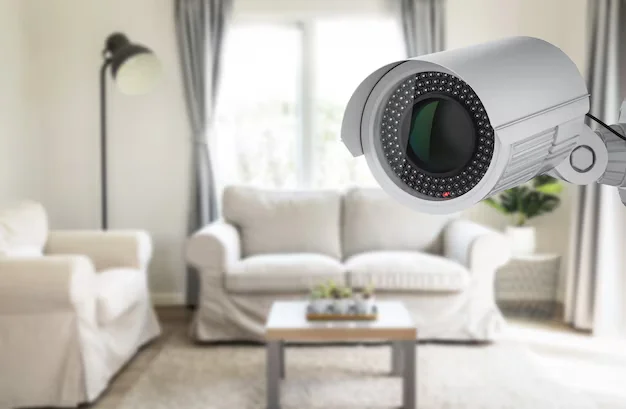
Security cameras help protect your home or business. Their appearance may not suit every space. You can make cameras less noticeable by choosing models matching their color to nearby surfaces and hiding cables neatly. The goal is to keep your security system discreet, without blocking the cameras view or weakening its signal.
If you want to learn how to hide security cameras start by choosing a camera and planning its position. Keep entrances and important areas in view test night vision. Check WiFi coverage. Always respect privacy laws. Avoid recording people where they expect privacy.
Why Would You Want to Hide a Security Camera?

1. Choose a Small Security Camera
Choosing the camera is the first step, toward a discreet setup. Smaller camera models are often easier to blend into a room or building exterior.
Here are a few common options:
- Mini cameras: Their compact size makes them suitable for discreet placement in permitted areas.
- Dome cameras: Their rounded shape can blend into ceilings and commercial interiors.
- Turret cameras: These work well under eaves and on walls when you want a neat appearance.
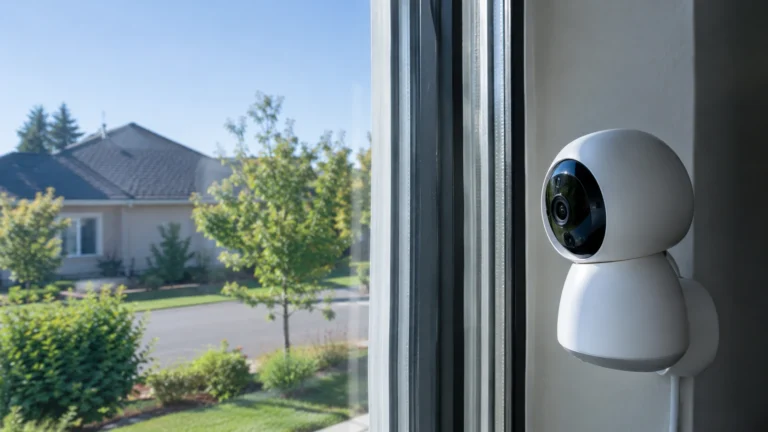
- Compact WiFi cameras: These are useful when you need flexible placement and have a reliable wireless connection.
Check the camera resolution the camera field of view the camera night vision and the camera storage options before you buy. A small camera with a camera view can miss important activity. If you plan to use the camera choose a camera that is rated for the weather conditions at your property. If you plan to use the camera indoors think about whether the camera needs a power cable a memory card or a connection, to a recorder.
2. Place Indoor Security Cameras in Discreet Locations
The best indoor position depends on the area you need to monitor. The best indoor position should be chosen with care because the best indoor position can make a difference. A camera can be less noticeable, by using the rooms layout of covering the camera.
Consider these locations:
- High shelves: A suitable shelf can provide a clear view of a doorway or shared room.
- Room corners: A corner may offer a wide view while keeping the camera away from the center of attention.
- Near entryways: A camera can capture people entering through a front or rear door.
- Home office areas: A properly placed camera can monitor the entrance and shared workspace.
The best place to hide a camera is somewhere that gives a view without standing out. Make sure to check the camera’s angle before you lock it into position. Keep the lens free from anything that might block the view like books, plants, curtains or other items. Don’t put the camera behind glass. That can cause reflections and mess with the light, which hurts night vision.
Never hide cameras in areas like bedrooms or bathrooms unless there’s a strong legal reason and proper consent. In homes or workplaces where people share the space be honest, about surveillance if the law or company rules require it.
3. Make Outdoor Security Cameras Less Noticeable
Outdoor cameras need an approach because Outdoor cameras face rain, sunlight, dust and changing temperatures. The aim is to make Outdoor cameras blend into the building while keeping Outdoor cameras view clear.
Use these ideas when planning an outdoor camera setup:
- Match the camera color: A white camera may blend into light siding, while a dark model may suit darker trim.
- Use roof overhangs: Eaves can provide shelter and reduce the camera’s visual impact.
- Keep the camera near useful viewing areas: Cover doors, garages, driveways, and side entrances.
- Choose weather-rated equipment: Check the manufacturer’s outdoor rating before installing the camera.
- Avoid direct sunlight: Strong glare can wash out images during certain hours.
I have seen many people put a camera high or far away and then it becomes very hard to see faces. Try to keep the camera at a height and distance. Also do not point the camera into a neighbors windows or private yard. Before you drill check the mounting surface the cable route, the power source and the WiFi signal. A little planning, at the start can stop you from having to make changes later.
4. Hide Security Camera Wires Neatly
Visible cables can make even a small camera stand out. A tidy cable route can improve the appearance of your installation without hiding the camera itself.
Here are practical ways to manage wires:
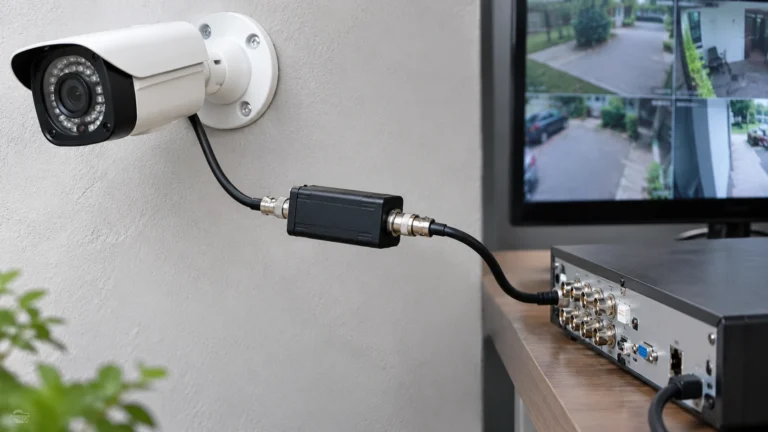
Use cable covers. Paintable raceways can run along walls. Trim. Choose a cover that fits the cable size and suits the room. Route cables along existing edges. Skirting boards, corners and trim can provide paths. Keep cables away, from doors moving parts and walking areas. Use outdoor fittings. Outdoor cable routes need fittings designed for the weather. Follow the camera manufacturers guidance for sealing cable entry points.
Keep connections. Do not bury power adapters, connectors or network equipment where they cannot be checked or replaced. If a cable must pass through a wall check for wires, pipes and other hidden services before drilling. Use materials and follow local building and electrical rules.
5. Hide Wireless Security Cameras Without Losing Signal

Wireless cameras cut down on the need, for video cables. They still rely on a strong connection to work properly. Most types still require a power cable unless they use batteries or a solar system that supports them.
When choosing where to place a security camera think about how the location impacts both signal strength and the quality of the recordings.
Follow these steps:
- Place the camera near the area you want to monitor.
- Check the WiFi signal at the planned mounting point.
- Test the live view and recorded footage.
- Check the connection during day and night.
- Move the camera if the signal drops or the video freezes.
Thick walls make it hard for WiFi signals to pass through. Metal objects also stop the signals from working. Long distances between the router and the device can make the signal weaker. Do not put the camera inside a metal box. Also do not place it behind things that stop the connection.
If the signal is not strong try moving the router to a spot. Maybe add another access point that works with the system. A mesh system can be useful, for homes. Check the connection first before you put the camera in a place.
6. Use the Right Camera Mounting Position
The right mounting position matters more than making a camera hard to spot. A camera that is hidden might seem discreet. If it’s placed poorly it won’t capture the evidence you need.
For home entrances starting with a height, between 8 and 10 feet can work well. The best height depends on the camera’s lens, the viewing angle, the surface where it’s mounted and the area you’re watching. You need to think about all these things to get the results.
Before completing the installation, check these points:
- Field of view: Make sure the camera covers the intended area without large blind spots.
- Face detail: Test whether a person’s face is clear at the distance you need.
- Night vision: Review footage after dark to check for glare or dark areas.
- Motion detection: Walk through the monitored area to confirm alerts work.
- Recording: Check that footage saves correctly to the recorder, memory card, or cloud service.
Avoid pointing a camera toward lights that cause glare. If the camera has motion zones use the camera to focus alerts, on relevant areas.
7. Can You Hide a Security Camera in Everyday Objects?
Some people think about putting cameras near items in the house to make them harder to spot.. An item can get in the way of the cameras view stop air from moving or mess up how it works at night. A camera must have a line of sight to capture good video. If the lens is covered with cloth, decorations or colored materials the picture might not be clear. Also infrared lights might bounce off things nearby. Make a bright spot when its dark.
Use a camera that is made for the place where it will be used of changing smoke detectors, air vents or other important safety tools. Never change a safety tool in a way that stops it from working
If you want something that’s not easy to see pick a small camera with the right way to attach it. Make sure it is easy to clean, update and fix. Searches, like “how to hide cameras” can also mean looking for cameras or hiding them in private areas. For a home or company security system focus on checking property and places that are shared. Do not secretly film people in places where they think they are private.
8. Common Mistakes to Avoid When Hiding Security Cameras
A discreet installation should still work well every day. Avoid these mistakes when planning camera placement. Blocking the lens: Plants, shelves, curtains and covers can obstruct the view. Leave space around the lens. Choosing appearance over coverage: A camera that blends into a wall may miss faces or entrances. Test the viewing angle before mounting.
Ignoring WiFi coverage: A hidden position may have a signal. Test the connection at the location before drilling. Forgetting night vision: Glass and nearby surfaces can reflect light. Review nighttime footage after installation. Making maintenance difficult: Cameras need cleaning, updates and occasional adjustments. Keep them reachable, without work. Ignoring privacy: Recording laws differ by location for audio and shared spaces. Check the rules that apply to your property before installation.
9. When Should You Hire a Professional Security Camera Installer?
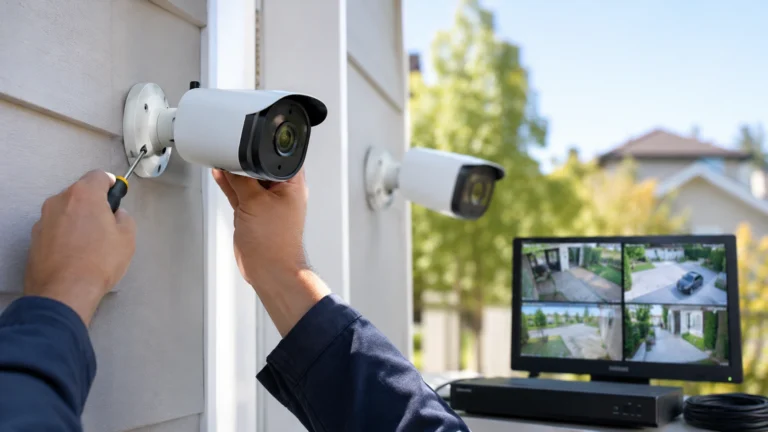
You may be able to place a small indoor camera yourself. However, professional installation can help when a project involves outdoor wiring, several cameras, weak WiFi coverage, or difficult mounting surfaces. A professional can assess the property, recommend suitable camera positions, and check the power and network connections. They can also help reduce visible wiring while keeping the cameras accessible for maintenance.
If you need expert help, Cam Security Surveillance provides security camera installation services. Visit our page for security camera installation Indianapolis to learn more about professional camera installation.
Before the work begins, ask the installer to explain the proposed camera locations, cable routes, recording options, and privacy considerations. After installation, check the live view, night vision, motion alerts, and saved recordings.
Conclusion
Learning How to Hide Security Cameras starts with choosing the right equipment and planning each camera’s position. Compact models, matching colors, neat cable covers, and suitable mounting points can help cameras blend into their surroundings.
Never sacrifice clear footage, reliable connections, or privacy for a less noticeable appearance. Test every camera before completing the installation. If wiring or coverage is difficult, contact us today for professional security camera installation and a discreet, reliable security setup.
FAQs
What is the best way to hide a camera in your home?
Choose a compact camera and place it near a suitable shelf, wall corner, or ceiling area. Keep the lens clear and make sure it covers the intended space.
What is the best place to hide a camera?
A suitable position near an entrance, shared living area, or office doorway can provide useful coverage. Choose a location based on the camera’s field of view rather than appearance alone.
How can I hide outdoor security cameras?
Choose a camera color that matches the building and consider mounting it beneath an eave. Keep the lens clear, protect the equipment from weather, and test the view before securing it.
Can I hide a wireless security camera without losing signal?
Yes, if the camera remains within reliable WiFi range. Test the connection at the planned location and avoid metal enclosures or obstacles that weaken the signal.
How do I hide security camera wires?
Use suitable cable covers, raceways, or approved cable routes along walls and trim. Keep connections accessible and follow electrical safety rules when passing cables through walls.
Can I put a cover over a security camera?
A cover can block the lens, cause reflections, or affect night vision. Use a compatible housing designed for your camera instead of placing random materials over it.
Should security cameras be visible or hidden?
Visible cameras can discourage unwanted activity, while discreet cameras may suit certain property layouts. The best choice depends on your security goals, privacy requirements, and need for clear footage.