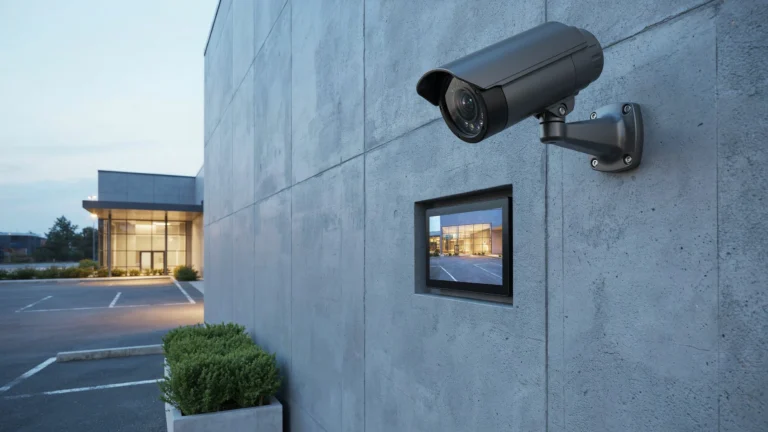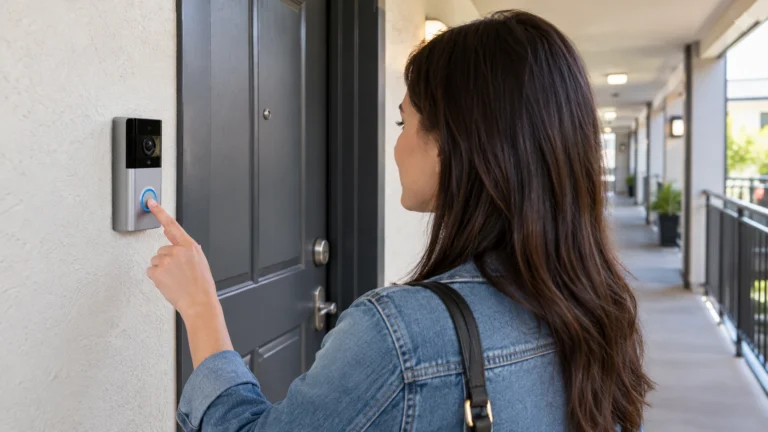

A burglar steps onto your porch at 2 a.m. Your camera lights up and sends an alert to your phone before he touches the door. That split-second reaction is not luck. It comes from a small sensor built to notice movement the instant it happens.So, how do motion detectors work? They detect changes in heat, light, or sound in the surrounding area and instantly trigger an alarm, security camera, or other connected device.
This guide from Cam Security Surveillance explains the technology in simple terms, helping you understand how motion detectors protect your home or business and how to choose the right system for your needs.
What Is a Motion Detector?
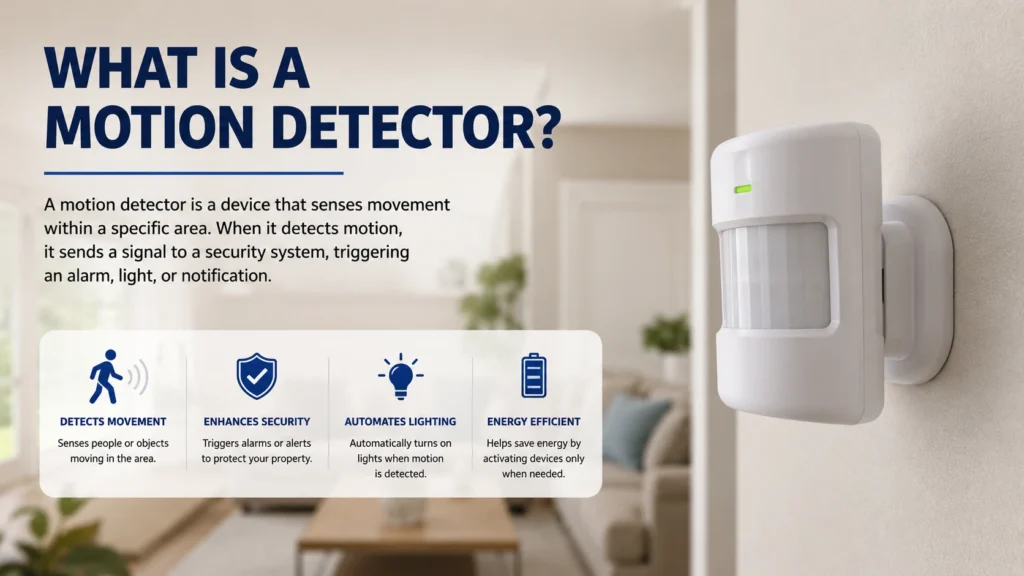
A motion detector is a small device that senses movement in its coverage area. You will find one in security systems, porch lights, and even automatic doors at the grocery store. Its job is simple: watch a space and react when something moves through it.
Most home security systems use motion detectors as a first line of defense. They sit near entry points, hallways, and stairs. When a sensor picks up movement, it sends a signal to your alarm panel or a linked app on your phone. That signal can trigger a siren, a light, or a text alert.
Motion detectors have been around since the 1950s, but the technology inside them has changed a lot. Early versions used simple light beams. Today’s sensors rely on infrared heat, microwave pulses, or a mix of several methods working together.
How Do Motion Detectors Work?
The short answer to how do motion detectors work is this: they measure a baseline condition in a room, then flag anything that breaks that pattern.
Passive infrared sensors, the most common type, read heat energy in a space. Every warm object gives off infrared light, including people, pets, and cars. The sensor’s lens splits the room into small zones. When a warm body moves from one zone to another, the sensor detects a sudden shift in infrared levels and sends a trigger signal.
Microwave sensors work differently. They send out radio waves and measure how those waves bounce back. If a wave returns faster or slower than expected, something in the room has moved. This method covers a larger area than infrared alone, but it can pick up motion through walls, which sometimes causes false alerts from neighbors or traffic outside.
Dual-technology sensors combine infrared and microwave detection. Both methods must confirm movement before the alarm triggers. This cuts down on false alarms while keeping the sensor sensitive to real threats.
Understanding motion sensor technology at this level helps you pick the right device for your home. A single infrared sensor works fine for a quiet hallway. A dual-tech sensor makes more sense for a garage or a room near a busy street.
Types of Motion Detectors
Not every motion detector works the same way, and the type you choose changes how motion detectors work in your specific home. Here are the main types you will run into.
Passive Infrared (PIR): These read heat signatures and are the most affordable, common option for homes.
Microwave Sensors: These send out radio waves and read the reflection pattern. They cover wide areas but cost more.
Dual-Technology Sensors: These blend PIR and microwave detection for fewer false alarms.
Ultrasonic Sensors: These emit sound waves above human hearing range and measure the echo. They work well in small, enclosed spaces.
Video-Based Motion Detection: Many modern cameras use software instead of a hardware sensor. The camera compares frames and flags pixel changes as motion. This is the backbone of most smart home cameras today.
If you have ever wondered how motion sensor lights work, the answer usually points to PIR technology. Porch lights and floodlights almost always use infrared sensors because they are cheap, reliable, and fast to react.
Where Should Motion Detectors Be Installed?
Placement matters as much as the sensor type. A detector mounted in the wrong spot can miss real threats or trigger nonstop false alarms.
Corners work best for most rooms because they give the sensor a wide field of view. Install detectors seven to eight feet off the ground for the best angle on foot traffic. Avoid pointing a sensor at a window, since sunlight and outdoor movement can cause false triggers.
For outdoor use, mount detectors near entry points such as front doors, back doors, and garage entrances. Keep them away from trees or bushes that sway in the wind, since movement from plants often sets off unnecessary alerts.
What Can Trigger a Motion Detector?
People and pets are the obvious triggers, but several other things can set off a sensor too.
- Sudden temperature changes from heating vents or sunlight through a window
- Curtains or balloons moving in an air draft
- Small animals like rodents or insects near the sensor lens
- Headlights sweeping across a room at night
- Steam from a shower drifting near an indoor sensor
Knowing these triggers helps explain why some alarms go off for no clear reason. It is rarely a system failure. It is usually the sensor doing exactly what it was built to do.
Motion Detectors vs Motion Sensors: What’s the Difference?
People often use these terms as if they mean the same thing, but there is a small distinction. A motion sensor is the actual component that detects movement, like the infrared chip inside a device. A motion detector is the full unit, including the sensor, the housing, and the circuitry that sends a signal to your alarm system.
In everyday conversation, most people use both terms interchangeably, and that is fine. What matters more is understanding how motion sensor works inside whatever device you choose, whether it is a standalone detector or part of a larger security camera.
How to Reduce False Motion Alerts
False alarms waste time and can make you ignore real alerts over time. A few adjustments cut down on unnecessary triggers.
Adjust the sensitivity setting on your device. Most systems let you lower sensitivity in areas with pets or heavy sunlight. Keep sensors away from heating and cooling vents. Trim bushes and trees near outdoor units. Choose a dual-technology sensor if false alarms keep happening with a single-method device.
Pet-immune sensors are another option worth considering. These are calibrated to ignore movement under a certain weight, usually around 40 to 80 pounds, so your dog or cat will not set off the alarm every time they walk by.
Choosing the Right Motion Detector
The best motion detection system depends on your space and your priorities. For a small apartment, a single PIR sensor near the entry door usually covers the need. For a house with a yard, outdoor sensors with weatherproof housing and a wider detection range make more sense.
Think about range, field of view, and whether you need pet immunity. Check the detection distance listed by the manufacturer, since it varies from 15 feet to over 100 feet depending on the model. If you already own smart cameras, look for sensors that integrate with your existing app so every alert lands in one place.
Why Professional Installation Matters
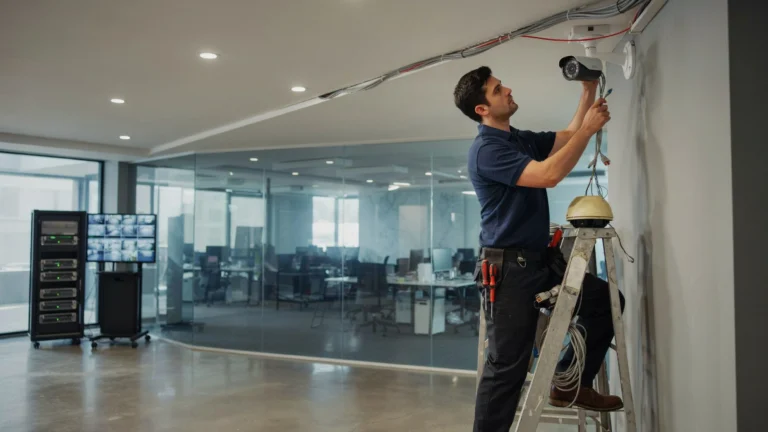
A motion detector only works as well as its placement and wiring. A sensor mounted at the wrong height, angled toward a window, or wired incorrectly will either miss real threats or flood you with false alarms. Professional installers know how to test coverage zones, adjust sensitivity, and connect the system to your existing security setup without gaps in coverage.
If you are searching for security camera installation Indianapolis, a trained technician can walk your property, identify blind spots, and place sensors where they will actually catch movement instead of guessing at placement yourself. At Cam Security Surveillance, our installers test each sensor’s field of view on site and calibrate it to your home before they consider the job finished. That extra step is often the difference between a system that protects you and one that just looks good on paper.
Conclusion
Now you know how motion detectors work: they protect your home or business by detecting changes in heat, light, or movement and responding in real time. Whether you choose an infrared, microwave, or dual-technology sensor, proper placement and calibration are the keys to reliable performance.
Take the time to match the right sensor to your space, or let the experts handle it for you. Contact us today for professional motion detector and security camera installation services designed to keep your property protected around the clock.
FAQs
How do motion detectors work in simple terms?
They sense changes in heat or movement in a space and send a signal to an alarm or light when something crosses their path.
Do motion detectors work through walls?
Microwave sensors can pick up motion through thin walls, but infrared sensors need a direct line of sight to detect movement.
How far can a motion detector sense movement?
Most home detectors cover 15 to 40 feet, though some outdoor models reach over 100 feet.
Can pets set off a motion detector?
Yes, unless you use a pet-immune sensor calibrated to ignore movement under a set weight.
What is the most reliable type of motion detector?
Dual-technology sensors, which combine infrared and microwave detection, tend to produce the fewest false alarms.