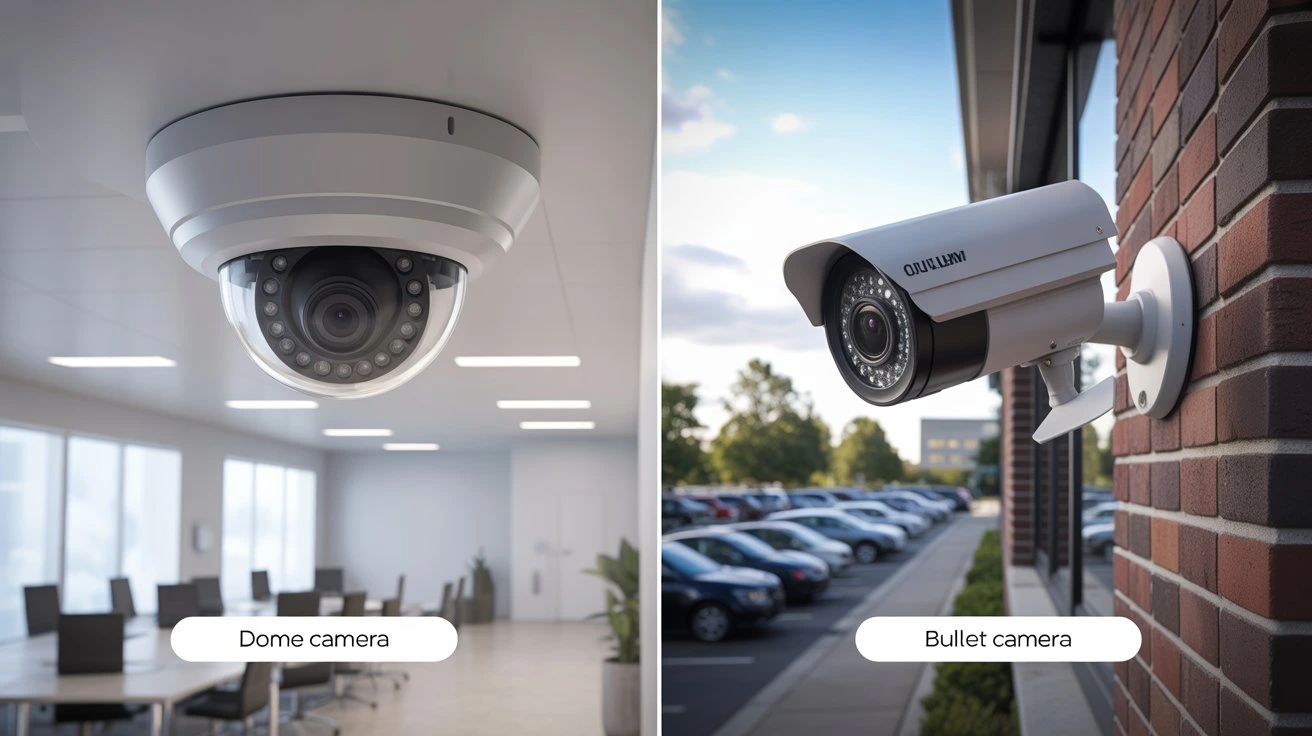
Security cameras are now a normal part of homes and businesses. They help stop theft and improve safety. But choosing the right type is not always simple. Two of the most common options are dome and bullet cameras. Each one works in a different way and fits different spaces.
The Difference Between Dome and Bullet Cameras comes down to design, coverage style, and visibility. Dome cameras stay low profile and blend into surroundings. Bullet cameras are more visible and focus on longer distance viewing. Knowing how each one works helps you avoid poor coverage and wasted money.
What Are Dome Cameras?

Dome cameras are shaped like a half-sphere. The lens sits inside a clear or tinted dome cover. This design makes it harder for people to tell which direction the camera is pointing. These cameras are often installed on ceilings or high walls. They are commonly used indoors in offices, shops, and homes. Many businesses prefer dome cameras because they look clean and less intrusive.
In a dome vs bullet camera comparison, dome models stand out for subtle monitoring. They are less likely to be noticed, which helps in tracking real behavior without drawing attention. Dome cameras also resist tampering. The dome cover protects the lens from dust, damage, and direct contact. This makes them a strong choice for crowded indoor areas.
What Are Bullet Cameras?

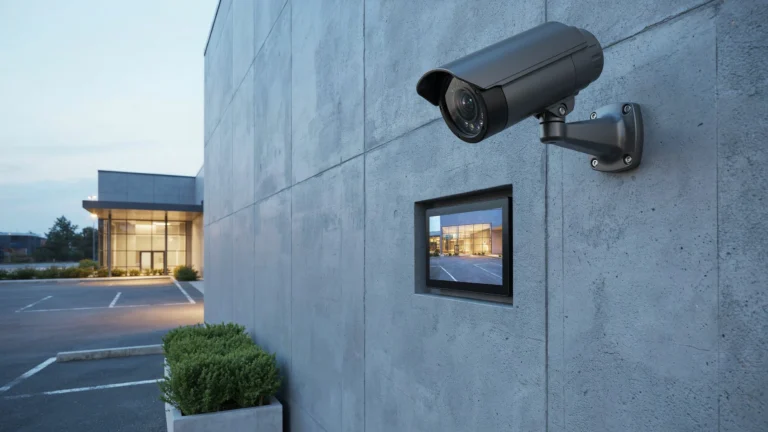
Bullet cameras are long and cylindrical in shape. They look like a small tube mounted on a bracket. This design makes them easy to spot. They are usually installed outdoors. You will often see them on walls, parking lots, and building perimeters. Their design helps them focus on long distances.
In a dome camera vs bullet camera comparison, bullet cameras are more direct. They clearly show where the lens is pointing. This alone can discourage unwanted activity. Bullet cameras are also built to handle weather. Rain, dust, and heat do not affect them easily. This makes them reliable for outdoor protection.
Key Differences Between Dome and Bullet Cameras

Understanding The Difference Between Dome and Bullet Cameras helps you choose the right setup for your space. Each type serves a different purpose.
Let’s break it down:
1. Design and Visibility
Dome cameras have a low-profile design that blends naturally into ceilings or walls. Their rounded cover makes it hard to see the exact lens direction, which helps with discreet monitoring. Bullet cameras, on the other hand, have a long cylindrical shape that is easy to notice. This visible design works as a warning and often discourages unwanted activity before it happens.
2. Viewing Range
Bullet cameras are built for distance. They can clearly capture objects and people far away, which makes them useful for outdoor spaces like driveways and parking lots. Dome cameras are better for closer and wider indoor coverage. They focus on general room monitoring rather than long-range detail, which suits offices, shops, and homes.
3. Installation Area
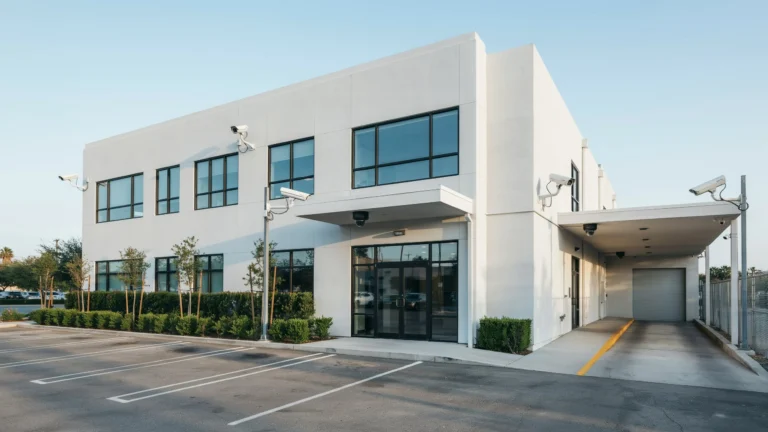
Dome cameras are mostly installed indoors because their design works best in controlled environments like hallways, retail stores, and reception areas. Bullet cameras are designed for outdoor use. They are commonly mounted on exterior walls where they can cover gates, building entrances, and open spaces.
4. Security Purpose
Dome cameras are mainly used for observation. They help monitor behavior without drawing attention, which is useful in customer-facing or indoor environments. Bullet cameras serve more as a visible security warning. Their presence alone can prevent suspicious activity and improve overall deterrence.
5. Durability
Both camera types are built to be strong, but bullet cameras are generally more weather-resistant. They are designed to handle rain, dust, heat, and cold, making them suitable for outdoor conditions. Dome cameras are also durable, but they perform best in indoor environments where exposure to harsh weather is not a concern.
6. Installation Example
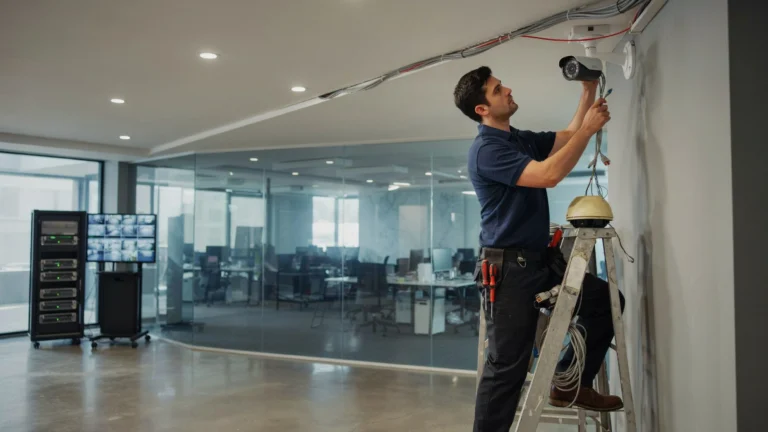
A professional setup like home security systems indianapolis by Cam Security Surveillance often combines both types for full coverage.
In a dome and bullet camera setup, experts usually place dome cameras inside and bullet cameras outside. This mix gives balanced protection.
Pros and Cons of Dome Cameras
Dome cameras come with clear strengths and a few limits.
Pros
- Hard to notice where they point
- Good for indoor use
- Strong against tampering
- Wide-angle view in small spaces
Cons
- Limited long-range focus
- Harder to adjust after installation
- Not ideal for open outdoor areas
Many users prefer dome systems for offices and retail spaces. In a dome vs bullet camera choice, dome models win for subtle monitoring.
Pros and Cons of Bullet Cameras
Bullet cameras are built for visibility and range.
Pros
- Long-distance monitoring
- Visible deterrent for crime
- Easy to install and adjust
- Works well outdoors
Cons
- Easy to spot and avoid
- Can be targeted or damaged
- Less discreet for indoor spaces
In a dome camera vs bullet camera comparison, bullet cameras are better when you want strong outdoor coverage and clear direction control.
Dome vs Bullet Cameras: Which One Should You Choose?
The answer depends on your space and goal. If you want hidden monitoring, dome cameras work better. If you want to warn intruders, bullet cameras are stronger. In most real setups, it is not about choosing one. It is about combining both.
A dome or bullet camera decision should be based on location:
- Indoor rooms → Dome cameras
- Outdoor areas → Bullet cameras
- Mixed property → Use both
When people compare The Difference Between Dome and Bullet Cameras, they often realize that neither one replaces the other. They work best together.
Expert Recommendation
From real installation experience, the best system uses both camera types. Homes often use dome cameras inside hallways and living areas. Bullet cameras are placed at gates, driveways, and backyards. Businesses follow the same logic. Shops use dome cameras for customer areas and bullet cameras for entrances.
At Cam Security Surveillance, we often design hybrid systems. During security camera installation Indianapolis, we first check lighting, distance, and blind spots. Then we decide the right mix of dome and bullet units. This approach reduces blind zones and improves recording quality.
When clients ask again about The Difference Between Dome and Bullet Cameras, the answer is simple. It is not about better or worse. It is about placement and purpose./
Common Mistakes People Make
Many users choose the wrong camera because of looks or price.
Here are common mistakes:
- Using bullet cameras indoors where dome cameras fit better
- Installing dome cameras outside without proper protection
- Not checking field of view before setup
- Ignoring lighting conditions
Another mistake is treating dome and bullet camera systems as interchangeable. They are not. A correct setup depends on planning, not guesswork.
Real-World Example
A small retail store in a busy market used only bullet cameras. Theft still happened inside blind corners. Later, they switched to a mixed system. Dome cameras were added inside. Bullet cameras stayed outside.
The result was better coverage and fewer blind spots. Staff behavior also improved because monitoring became less predictable. This is a simple example of how The Difference Between Dome and Bullet Cameras affects real security results.
Maintenance and Longevity
Both camera types last long if maintained well. Dome cameras need regular cleaning of the dome cover. Dust or scratches can reduce clarity. Bullet cameras need weather checks and bracket tightening.
A proper setup from professionals like Cam Security Surveillance helps reduce long-term issues. That is why many clients choose expert installation instead of DIY setups.
Dome vs Bullet in Modern Security Systems
Modern systems now mix both types with smart recording. In a dome vs bullet camera system, software now matters as much as hardware. Motion alerts, night vision, and remote viewing improve performance.
But camera placement still decides success. Even the best system fails with poor positioning. That is why experts always revisit The Difference Between Dome and Bullet Cameras before planning any layout.
Conclusion
The right choice between dome and bullet cameras depends on your needs, not just appearance. Dome cameras give hidden, wide coverage indoors. Bullet cameras give strong, visible protection outdoors.
In most cases, a mixed setup works best. It balances awareness and coverage in one system. When you understand The Difference Between Dome and Bullet Cameras, you make better security decisions that last longer and cost less over time. If you need expert help with choosing or installing the right system, contact us today for professional guidance and support.
FAQs
Which is better, dome or bullet cameras?
Neither type is better on its own. Each has a specific purpose. Dome cameras work best for indoor monitoring where you want a clean and discreet look. Bullet cameras are better for outdoor use because they cover longer distances and are more visible.
Can I use both dome and bullet cameras together?
Yes, and this is actually the most common setup in professional systems. Using both gives you full coverage. Dome cameras handle indoor areas, while bullet cameras protect outdoor spaces like entrances, driveways, and parking areas.
Are dome cameras harder to vandalize?
Yes. Dome cameras are more resistant to tampering. Their hard dome cover protects the lens and internal parts from direct damage. This makes them a strong choice for public or high-traffic indoor areas where interference is possible.
Do bullet cameras work in bad weather?
Yes. Bullet cameras are designed for outdoor conditions. They can handle rain, dust, wind, and heat. Their sealed body and protective casing make them reliable for long-term outdoor security without performance issues.