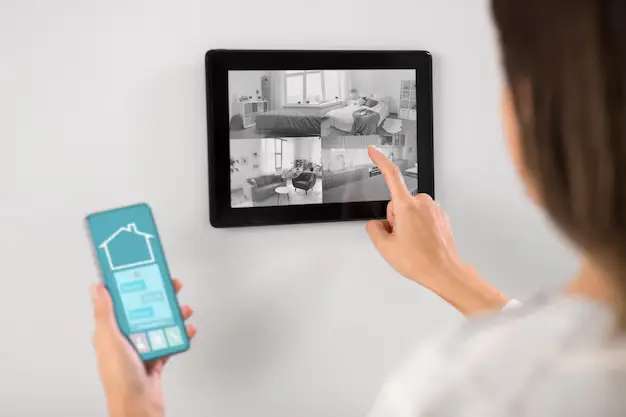
You can protect your home for less than $100 a month, and in many cases far less. A basic DIY kit with two sensors and a camera often costs under $50 upfront, with no contract needed. That is the short answer for anyone in a hurry.
Price alone will not keep your family safe. The cheapest home security system only works when it properly covers your doors, windows, and main entry points. This guide from Cam Security Surveillance explains real costs, key features, and smart ways to save without sacrificing protection.
What Is the Cheapest Home Security System?
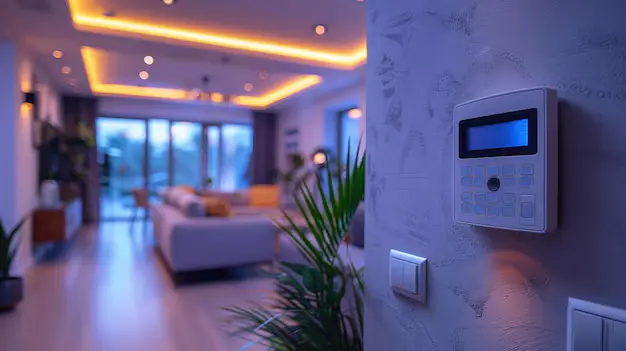
The cheapest home security system is a setup that gives you basic protection without high equipment costs or long contracts. This usually means a DIY kit you install yourself, paired with a mobile app for alerts.
Most budget systems include a hub, one or two door sensors, and a camera. Some also add a motion detector. You skip installation fees and professional monitoring, which cuts your cost by a large margin.
A low cost security system does not mean poor quality. Many budget brands use the same sensor technology as pricier competitors. The difference is in extra features like video storage, 24/7 monitoring staff, and smart home integration.
Cheapest Types of Home Security Systems
Not every system works the same way, and costs vary based on type. Here are the main categories, ranked from least to most expensive.
DIY wireless kits are the cheapest option. You place sensors yourself and connect them through Wi-Fi. No technician visit means no labor charge.
Self-monitored systems send alerts straight to your phone. You skip the monthly monitoring fee, which is often the biggest recurring cost.
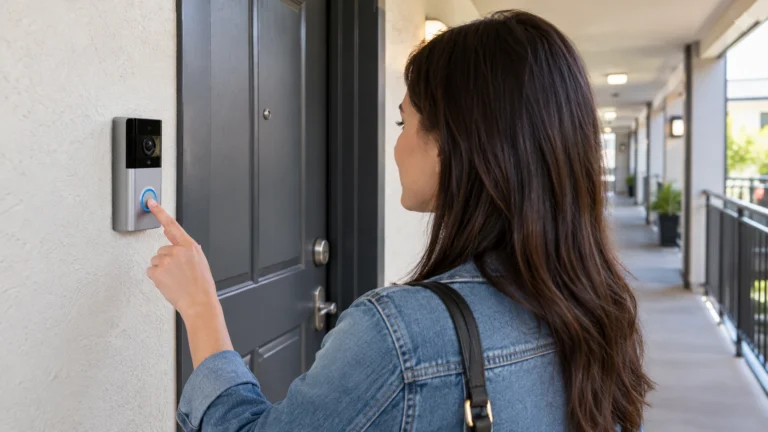
Video doorbells offer a simple, low cost home security upgrade. A single doorbell camera covers your front entry, which is where most break-ins happen.
Professionally monitored systems cost more but add a trained team watching for emergencies around the clock. This option suits people who travel often or live alone.
How Much Does the Cheapest Home Security System Cost?
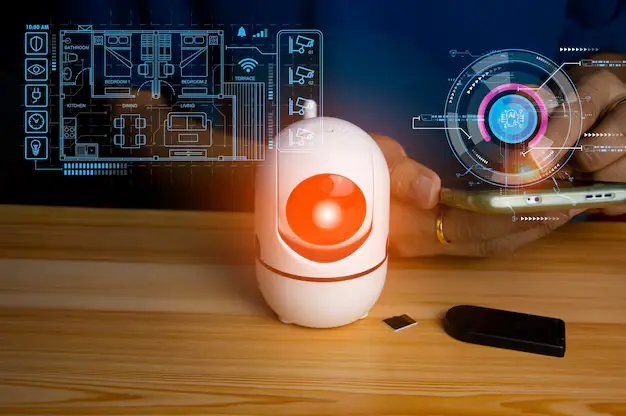
Budget kits typically start around $30 to $60 for basic sensors and a hub. A single smart camera adds another $25 to $50. Most people spend under $150 total for starter equipment. Monthly costs vary more than upfront costs. Self-monitored plans often run free to $10 a month for app access and cloud storage. Professional monitoring plans usually cost $15 to $30 a month.
The least expensive home security system setups skip contracts entirely. You pay once for hardware and use a free app. This works well for renters or anyone testing security equipment before committing to a bigger setup. Watch for hidden costs too. Some brands charge extra for video storage beyond a few days, or for additional sensors past the starter pack. Read the fine print before you buy.
Cheapest Home Security System Features to Look For
A cheap price tag should not mean weak protection. Look for these core features when comparing budget options.
- Door and window sensors that trigger an alert the moment they open
- A loud built-in siren to scare off intruders and alert neighbors
- Mobile app alerts sent straight to your phone in real time
- Battery backup so the system still works during a power outage
- Two-way audio on cameras, so you can speak to visitors or warn intruders
Skip systems that lack a backup battery or offer no app notifications. Those gaps leave real holes in your protection, no matter how low the price looks.
DIY vs. Professional Home Security Installation
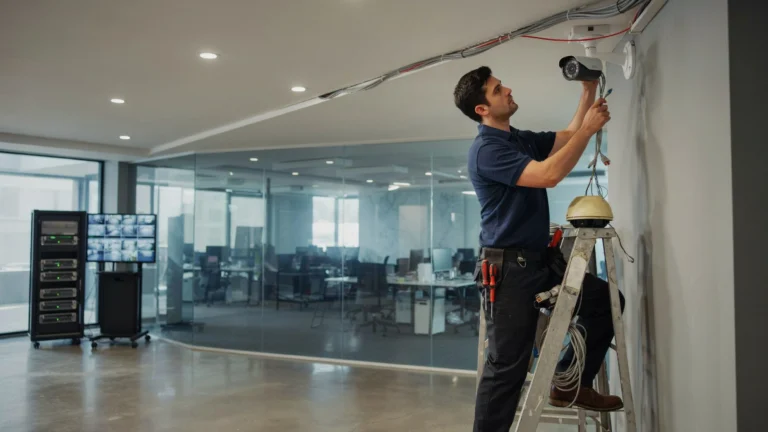
DIY installation saves money right away. Most kits take under an hour to set up, and companies design them for beginners. You place sensors on doors and windows, then connect everything through an app.
Professional installation costs more, often $100 to $200 for a technician visit. But it comes with fewer mistakes. A trained installer places sensors at the strongest points and tests the whole system before leaving.
If you rent your home or move often, DIY makes more sense. You can take the equipment with you and reinstall it elsewhere. Homeowners planning to stay long term may find professional setup worth the extra cost.
How to Save Money on a Home Security System
You do not need to spend a lot to stay protected. These tips can lower your costs without cutting corners on safety.
- Buy starter kits instead of building a system piece by piece. Bundles often cost less per sensor.
- Skip professional monitoring if you check your phone often and can respond to alerts yourself.
- Look for seasonal sales around major shopping holidays, when many brands cut prices sharply.
- Ask your insurance provider about discounts. Many companies lower premiums for homes with basic security equipment.
- Start small with one camera and expand later as your budget allows.
Choosing inexpensive home security does not mean settling for less safety. It means spending wisely on the features that matter most for your home.
Are Cheap Home Security Systems Worth It?
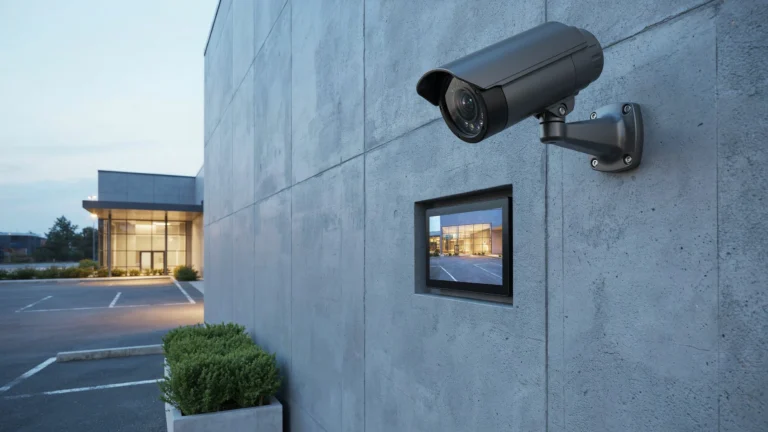
Yes, for most households, a budget system offers real value. Studies on home burglary patterns consistently show that visible security devices, even basic ones, discourage break-ins. A doorbell camera or window sensor sends a clear signal that your home is watched.
Cheap systems do have limits. They may lack backup cellular connections, so if someone cuts your Wi-Fi, the system goes silent. High-end systems solve this with cellular backup, but that adds cost.
For apartments, small homes, or first-time buyers, a low cost security system is often enough. Larger homes with multiple entry points may need a bigger setup or added sensors over time.
Cheapest Home Security System for Different Needs
Your ideal setup depends on where you live and how you use your space.
Renters benefit most from wireless, no-contract kits that require no drilling. You can peel off adhesive sensors and take them when you move.
Families with kids should prioritize door sensors on bedrooms and a central hub with clear alerts, so you always know when a door opens.
Pet owners need motion sensors with pet immunity settings. This stops false alarms triggered by a wandering cat or dog.
Apartment dwellers often do best with a single video doorbell and one indoor camera. Shared entryways mean full perimeter coverage is not always possible or necessary.
Common Mistakes to Avoid When Buying a Cheap System
Many buyers focus only on price and miss details that matter later. Avoid these common mistakes. Do not skip reading the return policy. Some budget brands charge restocking fees or offer no refunds on opened equipment.
Do not ignore storage limits. Free cloud plans often save footage for only a few hours before deleting it. Do not forget to test your system monthly. Batteries die, and a silent sensor gives you no real protection.
When Should You Choose Professional Security Installation?
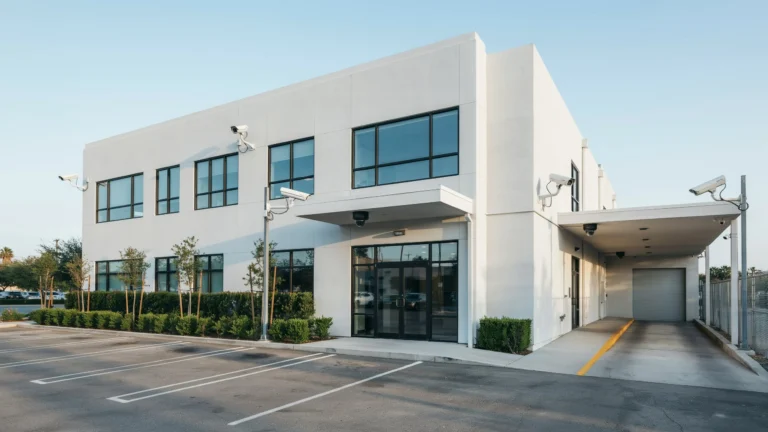
A DIY setup works for many homes, but some situations call for expert help. If your home has multiple stories, a detached garage, or several entry points, professional placement reduces blind spots. Older homes with thick walls or unusual layouts can also cause wireless signal issues. A trained installer knows how to test signal strength and place sensors where they will actually work.
If you want peace of mind without the guesswork, search for home security system installation Indianapolis in your area to connect with local experts. Companies like Cam Security Surveillance offer hands-on installation, system testing, and ongoing support that DIY kits cannot match on their own.
Professional installation also makes sense if you plan to add cameras, smart locks, or full monitoring later. Starting with expert setup avoids the cost of redoing work down the road.
Conclusion
Finding the cheapest home security system does not mean choosing the weakest one. Focus on core features like door sensors, a loud siren, and reliable app alerts before looking at the price tag. Compare DIY and professional options based on your home layout and how long you plan to stay there.
Start small, use the money-saving tips above, and upgrade your setup as your needs grow. Whether you go fully DIY or bring in a professional team, the right system keeps your home protected without draining your budget. For help choosing or installing the right security system for your home, contact us today.
FAQs
What is the cheapest way to secure my home?
A basic DIY kit with door sensors and a mobile app is the cheapest starting point. Add a video doorbell for extra coverage at your front entry.
Do cheap home security systems actually work?
Yes. Visible sensors and cameras discourage most break-ins, even on budget systems. The key is proper placement on doors and windows.
Is DIY installation hard to do?
No. Most kits take under an hour and use adhesive mounts, so no drilling or wiring is required.
Can I upgrade a cheap system later?
Most brands let you add sensors and cameras over time, so you can start small and expand as your budget allows.
Do I need professional monitoring?
Not always. Self-monitoring works well if you check your phone regularly. Larger homes or frequent travelers may benefit from professional monitoring instead.