Home security cameras can be hacked, but it is not easy when they are set up the right way. Most cases happen because of weak passwords, old software, or poor setup. With basic steps, you can stop most attacks and keep your home safe.
So, Can You Really Hack Into Home Security Cameras? Yes, but the risk depends on how you use them. This guide explains real risks, common methods, and how to stay protected in simple terms.
How Home Security Cameras Work
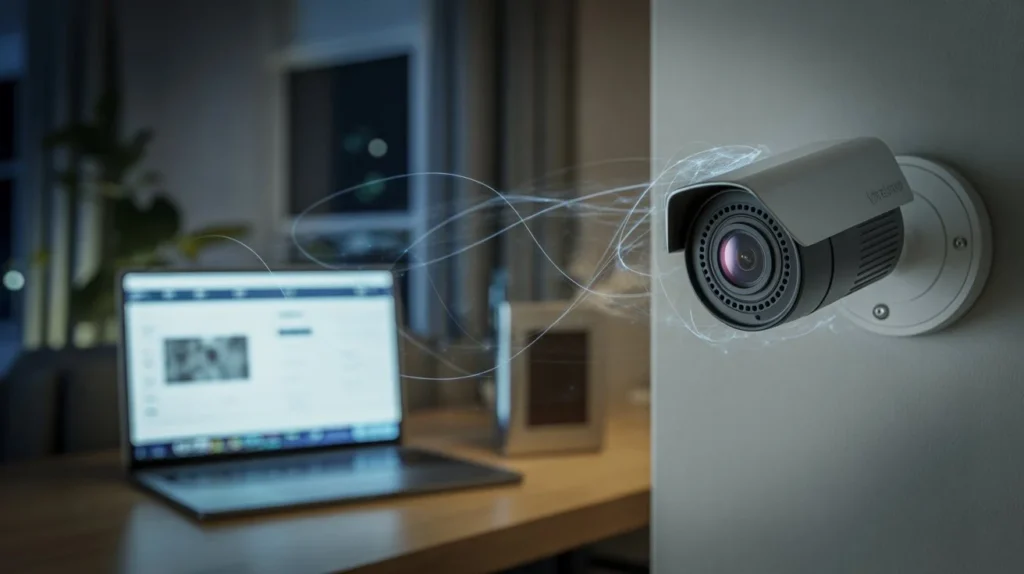
To understand the risk, you need to know how cameras work.
Protocol) technology.
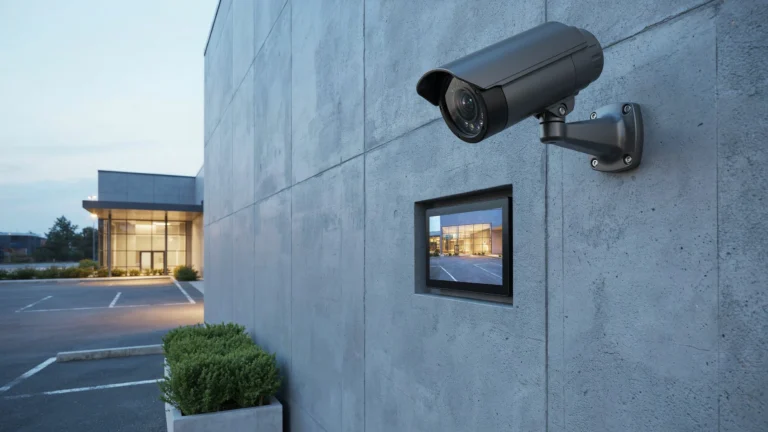
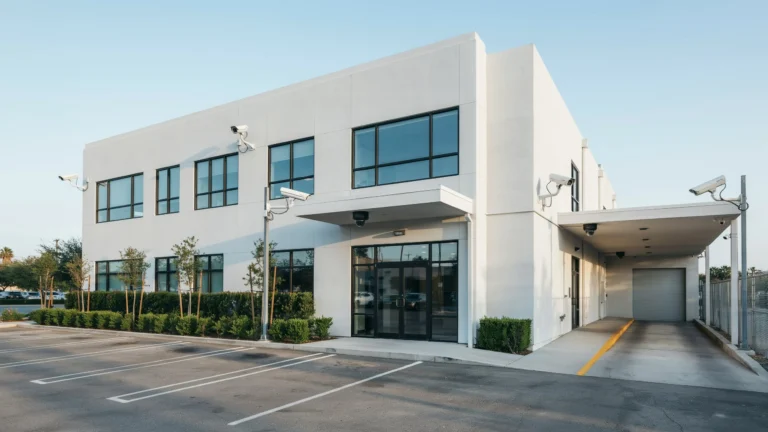
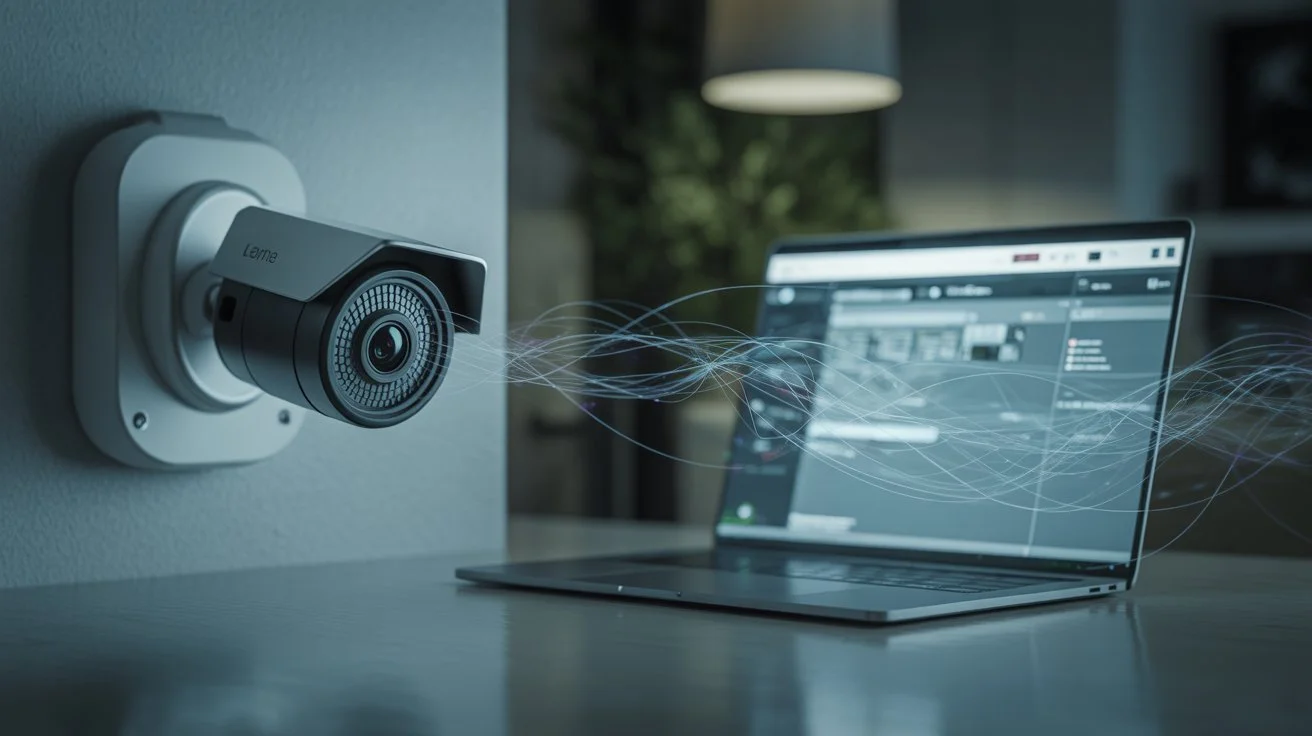
Most modern cameras connect to the internet. They send video to your phone or computer through an app using IP (Internet Protocol) technology. Systems installed and configured by Cam Security Surveillance often use this setup to enable remote viewing, alerts, and easy access to footage from anywhere.
Here’s how they usually work:
- Camera records video
- Data is sent over Wi-Fi or cables
- Footage is stored in cloud or local storage
- You access it through an app or browser
Wireless cameras are easier to install. Wired cameras use cables and are often more stable. When your camera is online, it can be accessed remotely. That’s useful, but it also creates risk if not secured.
Can Home Security Cameras Be Hacked?
Yes, can home security cameras be hacked is a real concern. But not every camera is an easy target.
Hackers don’t break in like movies show. They look for simple weaknesses like:
- Default usernames and passwords
- Weak Wi-Fi security
- Outdated firmware
- Open ports on your network
If your setup is weak, your home security camera hacked risk goes up. But with proper setup, hacking becomes very hard. Most attacks target easy systems, not well-protected ones.
Common Ways Hackers Access Security Cameras
Understanding how attacks happen helps you stop them.
1. Weak Passwords
This is the biggest reason for hacked home cameras. Many users still use simple passwords like “admin,” “123456,” or their name. These are easy to guess using basic tools. Hackers often run automated programs that try thousands of common passwords in seconds. If your password is short or predictable, your camera becomes an easy target. A strong password should include a mix of letters, numbers, and symbols. It should also be different from your other accounts.
2. Default Settings
Many users never change the default login details that come with the camera. These details are often the same for every device of that brand. Hackers already know these default usernames and passwords and scan the internet to find devices that still use them. Leaving default settings unchanged is like leaving your door unlocked. Always update login details and review settings after installation.
3. Unsecured Wi-Fi
If your Wi-Fi network is not protected with a strong password, anyone nearby can connect to it. Once inside your network, they can try to access your camera and other devices. Using outdated security like WEP or weak passwords makes it easier for attackers. Always use WPA2 or WPA3 encryption and set a long, unique Wi-Fi password. This adds a strong layer of protection.
4. Outdated Software
Cameras run on software called firmware. Over time, security flaws are found in this software. Brands release updates to fix these issues. If you ignore updates, your device may stay vulnerable. Hackers often target old systems because they know the weaknesses. Keeping your camera updated is one of the simplest ways to stay secure.
5. Phishing Attacks
Phishing is when hackers trick you into giving your login details. You may receive an email that looks like it’s from your camera brand. It may ask you to log in or reset your password. If you click the link and enter your details, hackers can access your account. Always check the sender’s email and avoid clicking unknown links. It’s safer to log in directly through the official app or website.
6. Open Network Ports
Some users open network ports to access their cameras remotely. While this allows remote viewing, it can also create a weak point if not set up correctly. Hackers scan for open ports and try to enter through them. If security settings are not strong, this becomes an easy entry point. It’s best to avoid manual port forwarding unless you fully understand how to secure it.
These methods explain how hacked home security cameras incidents happen in real life.
Signs Your Security Camera Might Be Hacked
You should watch for warning signs. A hacked system often behaves differently.
Look for these signs:
- Camera moves on its own
- Strange voices or noises
- Settings change without your action
- Unknown devices logged into your account
- Increased data usage
- Camera light turns on randomly
If you notice these, your home security camera hacked risk may be real. Act fast to secure it.
Real-Life Examples of Camera Hacking
There have been real cases where cameras were accessed by outsiders. In some cases, hackers spoke through baby monitors. In others, they watched live feeds without permission.
These events usually had one thing in common: weak security.
- Default passwords were not changed
- Accounts had no two-factor authentication
- Firmware was outdated
These examples show that can home security cameras be hacked is not just a theory. It happens, but mostly when users ignore basic safety steps.
How to Protect Your Home Security Cameras
You can stop most threats with simple steps. This is where you take control.
Use Strong Passwords
Create long, unique passwords. Avoid simple words like “admin” or “123456.” Use a mix of letters, numbers, and symbols for better security.
Enable Two-Factor Authentication
This adds a second step when logging in. Even if someone gets your password, they still need a code to access your account.
Update Firmware Regularly
Updates fix security issues. Always keep your camera software up to date to avoid known risks.
Secure Your Wi-Fi
Use WPA2 or WPA3 encryption. Set a strong Wi-Fi password and avoid sharing it widely.
Avoid Public Networks
Do not access your cameras on public Wi-Fi. Use mobile data or a secure private network instead.
Disable Unused Features
Turn off features you don’t need, like remote access. This reduces possible entry points for hackers.
Use Trusted Brands
Reliable brands offer better security and regular updates. Cheap devices often lack proper protection.
Professional Setup Matters
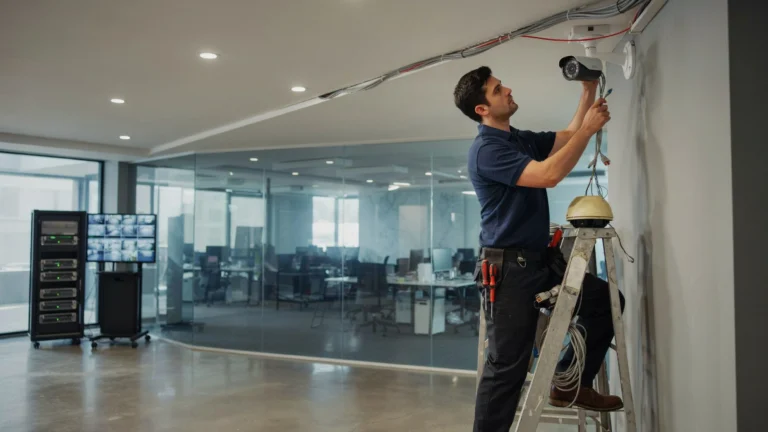
A proper setup reduces risk. If you want expert help, consider Cam Security Surveillance. They offer secure home security systems Indianapolis with correct installation and protection in place.
Taking these steps makes hacked home cameras very unlikely.
Are Wired Cameras Safer Than Wireless?
This is a common question.
Wired cameras:
- Use cables instead of Wi-Fi
- Harder to hack remotely
- More stable connection
Wireless cameras:
- Easy to install
- More flexible
- Slightly higher risk if not secured
Wired systems are safer in many cases. But wireless cameras are still secure if set up properly. So the answer to Can You Really Hack Into Home Security Cameras? depends more on setup than type.
The Role of Professional Installation
Many people install cameras themselves. That can work, but mistakes happen.
Professional installers:
- Secure your network
- Set strong configurations
- Close unused ports
- Enable security features
This reduces the risk of hacked home security cameras. Experts know what to lock down. That makes a big difference.
Legal and Privacy Concerns
If someone hacks your camera, it is illegal in most countries. It violates privacy laws.
But you also have responsibility as an owner.
You must:
- Protect your system
- Avoid recording in private areas of others
- Follow local surveillance laws
If your camera is hacked and used wrongly, it can create legal trouble.
Myths About Camera Hacking
There are many myths that confuse users.
Myth 1: All Cameras Get Hacked
False. Not all cameras are easy targets. Only poorly secured systems with weak settings are at risk.
Myth 2: Hackers Target Everyone
Most hackers do not focus on specific people. They scan for easy systems with weak security.
Myth 3: Expensive Cameras Are Always Safe
Price does not guarantee safety. Even high-end cameras can be at risk if not set up properly.
Myth 4: Wired Cameras Cannot Be Hacked
Wired cameras are safer, but not fully immune. If connected to a network, they can still be accessed if security is weak.
Understanding these myths helps answer can home security cameras be hacked in a realistic way.
Future of Security Camera Protection
Technology is improving fast.
New systems now include:
- AI-based threat detection
- End-to-end encryption
- Secure cloud storage
- Automatic updates
These features reduce the risk of home security camera hacked incidents. In the future, hacking will become harder. But users must still follow best practices.
Additional Tips Most People Ignore
Here are a few simple tips many users forget:
- Change passwords every few months
- Use a separate network for smart devices
- Check login activity often
- Turn off cameras when not needed indoors
These small steps add strong protection.
Conclusion
So, Can You Really Hack Into Home Security Cameras? Yes, but it is not as simple as people think. Most cases happen because of weak setup and poor security habits. If you use strong passwords, update your system, and secure your network, your risk becomes very low. Cameras are still one of the best tools for home safety.
Focus on proper setup, not fear. A secure system protects your home without worry. If you want expert help to secure your system the right way, contact us today and let professionals handle it for you.
FAQs
Can home security cameras be hacked easily?
No. They are not easy to hack if set up correctly. Most issues happen when users keep weak passwords or ignore software updates. A secure setup makes hacking very difficult.
What is the most common reason for hacked home cameras?
Weak passwords and unchanged default settings are the main causes. Many users forget to update login details, which makes it easy for hackers to guess access.
Are wireless cameras less secure?
Not always. Wireless cameras can be very safe if you use strong Wi-Fi security and update the device regularly. The risk comes from poor setup, not the technology itself.
How do I know if my camera is hacked?
Look for unusual activity like random camera movement, unknown logins, changed settings, or higher data usage. These signs may indicate unauthorized access.
Can hackers talk through my camera?
Yes, if your camera has a speaker and is not properly secured. Hackers can access the audio feature, but this usually happens only with poorly protected systems.