Grocery stores deal with constant movement, cash handling, and crowded spaces. That mix creates risk. Theft, disputes, and safety issues can happen at any time. A strong camera system helps control these problems before they grow. Clear video coverage lets store owners see what is happening in real time. It also helps review past events with proof. In busy retail spaces, this becomes a basic need, not a luxury.
Grocery Store Security Cameras help owners monitor activity, reduce losses, and keep both staff and customers safe in daily operations.
Why Grocery Stores Need Security Cameras
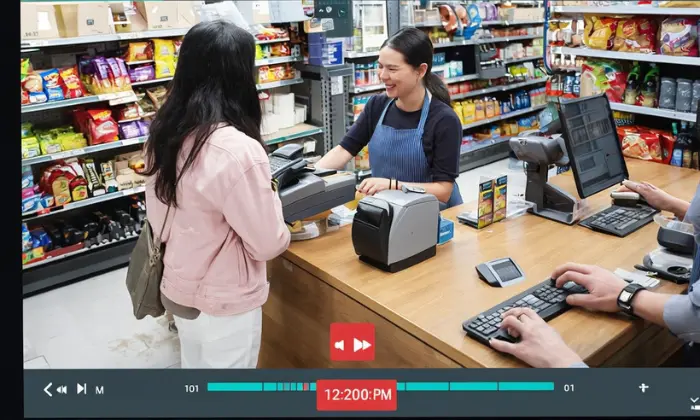
Grocery stores face high shrinkage rates. Most losses come from theft and human error. Cameras reduce these risks by adding constant watch. Security also helps staff stay alert. When employees know they are being recorded, careless actions drop. This improves service quality and honesty.
Modern stores also rely on security cameras in grocery stores for legal protection. If a customer slips or a dispute happens, video becomes proof.
A professional setup from a security camera installation business like Cam Security Surveillance helps design the right system for each store size and layout.
How Grocery Store Security Camera Systems Work
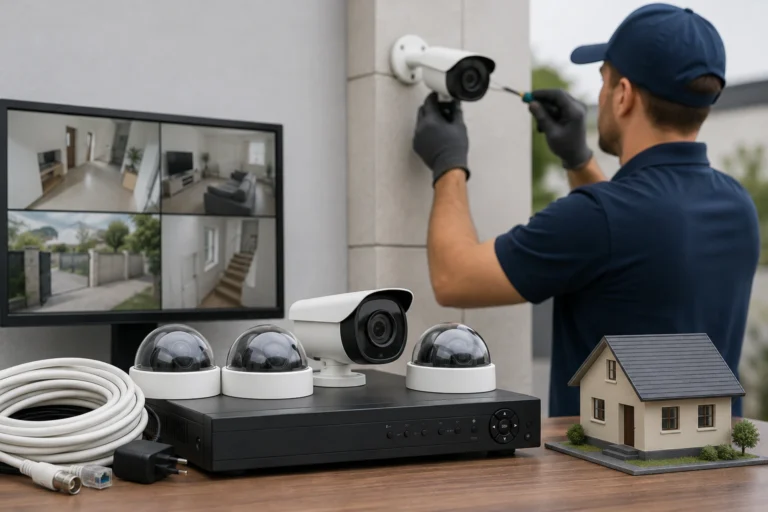
A grocery store system works through three main parts:
- Cameras that capture video
- A recorder like DVR or NVR
- A storage system for saving footage
Live feeds appear on a monitor or mobile device. Many owners use a grocery store security cameras screen placed in a back office for quick viewing.
Modern systems also support remote access. Owners can check grocery store surveillance cameras from a phone anytime. This setup helps track activity across all store areas without blind spots.
Best Types of Security Cameras for Grocery Stores
Different areas need different cameras. Choosing the right type improves coverage and reduces cost.
Dome Cameras
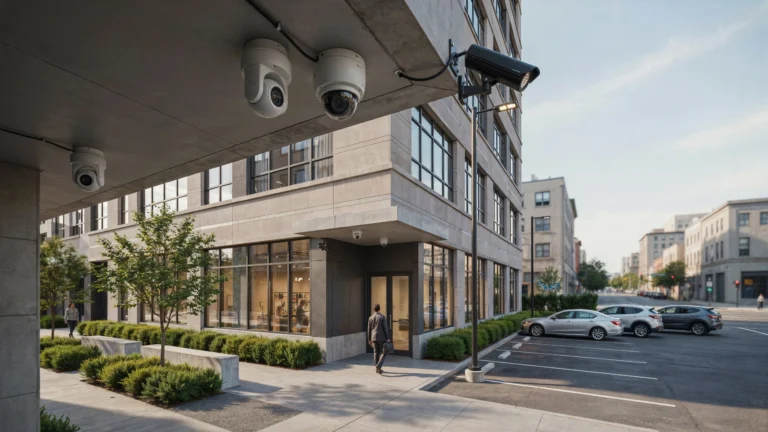
Dome cameras are commonly used inside grocery stores. They have a small dome-shaped cover, which makes it hard for people to see where the lens is pointing. This helps reduce suspicious behavior. They are best for wide indoor coverage like aisles, checkout zones, and entry paths. Many Grocery Store Security Cameras setups use dome cameras because they blend into the ceiling and give a clean look while still covering a large area.
Bullet Cameras
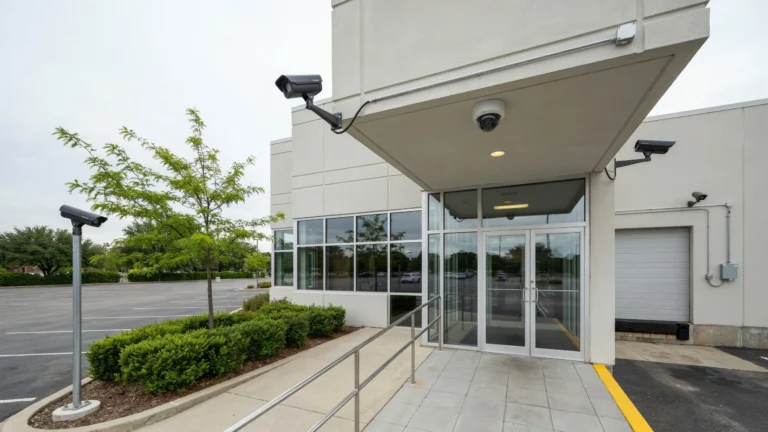
Bullet cameras are long and visible, which helps act as a strong warning for theft. They are best placed at entrances, exits, and parking areas. These cameras are designed for long-distance viewing, so they capture clear details like faces and license plates. In most security cameras in grocery stores, bullet cameras are used for outdoor protection and high-risk entry points where clear focus is needed.
PTZ Cameras
PTZ stands for pan, tilt, and zoom. These cameras can move in different directions and zoom in on specific actions. Store managers can control them manually or set them to move on a pattern. They are useful in large stores where one camera needs to cover multiple sections. In advanced grocery store surveillance cameras systems, PTZ cameras help security teams focus on suspicious activity in real time.
Fisheye Cameras
Fisheye cameras offer a full 360-degree view of a space. They are usually installed on ceilings in the center of aisles or open areas. One fisheye camera can cover a large section without blind spots. This reduces the need for multiple cameras and lowers cost. Many modern Grocery Store Security Cameras systems use fisheye models for full-store visibility, especially in medium to large grocery stores.
Smart AI Cameras
Smart AI cameras are the most advanced option. They can detect movement, track behavior patterns, and send alerts when something unusual happens. Some models can even identify repeated suspicious actions. These cameras are used in modern grocery store security cameras systems where automation is important. They help managers respond faster and reduce the need for constant manual monitoring.
Key Areas to Install Security Cameras in Grocery Stores
Placement matters more than the number of cameras.
Focus on:
- Entry and exit doors
- Checkout counters
- High-value product aisles
- Storage rooms
- Loading docks
- Parking lots
These spots are where most incidents happen. Good placement removes blind spots and improves trust in Grocery Store Security Cameras systems.
Features to Look for in Grocery Store Security Cameras
Not all systems are equal. Strong features improve results.
Look for:
- HD or 4K video quality
- Night vision for low light areas
- Motion detection alerts
- Wide viewing angles
- Cloud and local storage
- Remote mobile access
Clear video is key. Blurry footage has no value during disputes. Modern grocery store security cameras screen setups also allow split views for full monitoring.
Benefits of Grocery Store Surveillance Systems
A proper system offers real business value.
Main benefits include:
- Lower theft and shrinkage
- Better employee behavior
- Safer shopping environment
- Faster dispute resolution
- Stronger operational control
Stores using security cameras in grocery stores report fewer losses and better staff accountability. It also helps improve customer trust, which leads to repeat business.
Legal Considerations for Security Cameras in Stores
Laws vary by location, but some rules stay common.
- Cameras must not be placed in private areas
- Customers should be informed through signage
- Audio recording may need permission
- Employee monitoring rules must be followed
Ignoring these can lead to legal issues. A trusted security camera installation business like Cam Security Surveillance can guide store owners through compliance.
Common Mistakes to Avoid
Many store owners install systems but still face problems. The issue is often poor setup.
Avoid these mistakes:
- Poor camera angles
- Low-quality devices
- No backup storage
- Ignoring night coverage
- Not checking footage regularly
Bad setup makes even Grocery Store Security Cameras useless in real cases.
Cost of Installing Grocery Store Security Cameras
Costs depend on store size and system type.
Basic systems: small shops with 4–6 cameras
Mid systems: medium stores with 8–16 cameras
Advanced systems: large supermarkets with AI features
Pricing also depends on storage type and camera quality. Investing in strong grocery store surveillance cameras reduces long-term loss, which often saves more money than it costs.
Maintenance and System Management
A camera system needs regular care.
Tasks include:
- Cleaning lenses
- Checking storage space
- Updating software
- Testing live feeds
- Reviewing key footage weekly
Without maintenance, even top Grocery Store Security Cameras can fail at the wrong time.
Future of Grocery Store Security Systems
Security is moving toward smarter tools.
New systems now include:
- AI behavior detection
- Automatic theft alerts
- Smart tracking of movement
- Integration with billing systems
Future grocery store security cameras will not just record. They will help prevent problems before they happen. This will improve grocery store security and reduce human effort in monitoring.
Conclusion
Grocery stores need strong protection to run smoothly. Cameras are now part of daily business safety. They protect money, staff, and customers.A well-planned system of Grocery Store Security Cameras reduces theft, improves control, and builds trust.
With proper setup from Cam Security Surveillance, store owners get reliable protection that works every day. For professional installation and support, contact us today to secure your store with confidence.
FAQs
Why are security cameras important in grocery stores?
They help reduce theft, monitor staff, and improve customer safety. Cameras also provide clear evidence during disputes, accidents, or refund claims. Store owners can review real events instead of relying on guesses or verbal reports. This improves control and builds a safer shopping environment for everyone.
How many cameras does a grocery store need?
It depends on the store size, layout, and risk areas. Most small to medium stores need between 6 and 16 cameras for proper coverage. Larger supermarkets may need more. The goal is to cover all key zones like entrances, checkout areas, aisles, and storage rooms without leaving blind spots.
Can grocery store cameras work at night?
Yes, most modern systems include night vision. They use infrared light to record clear video even in low light or complete darkness. This is very useful for after-hours security, especially in storage areas, parking lots, and entry points when the store is closed.
Can owners view cameras remotely?
Yes, many systems allow remote access through mobile phones or computers. Owners can check live video or review recordings from anywhere with an internet connection. This helps them stay informed even when they are not physically present at the store.
Do cameras help reduce employee theft?
Yes, they increase accountability and reduce internal loss. When employees know their actions are being recorded, they are more likely to follow rules and handle products carefully. Over time, this creates a more honest and responsible work environment.