Construction sites are high-value targets. Expensive equipment, copper wiring, and building materials sit out in the open often overnight and on weekends. Without proper security, theft and vandalism can add up fast. One break-in can set a project back by days or even weeks.
Construction site security cameras are one of the most effective ways to protect your site, your crew, and your timeline. They deter criminals, document incidents, and give you remote visibility over everything happening on-site. This guide covers every reason you need them and how to set them up right.
Why Do We Need Construction Site Security Cameras?
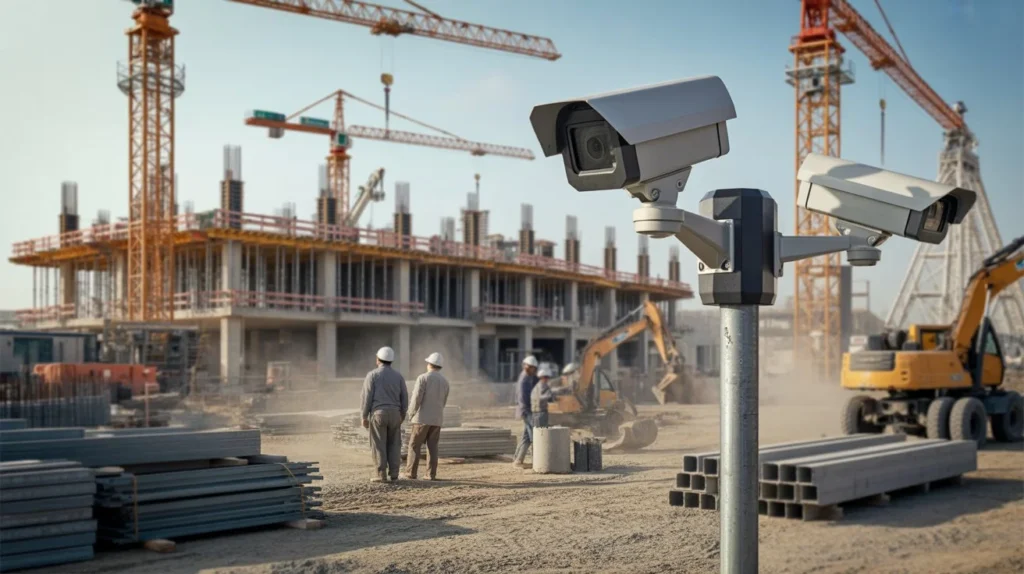
Construction theft is a bigger problem than most people realize. According to the National Equipment Register, equipment theft costs the U.S. construction industry between $300 million and $1 billion every year. Recovery rates are low, typically under 25%.
Cameras don’t just catch thieves. They reduce accidents, lower insurance costs, and help managers oversee multiple sites at once. The return on investment is clear for both small contractors and large developers, especially when using a reliable business security camera system installation to ensure full site coverage and long-term protection.
How Construction Site Security Cameras Improve Safety
Safety is the first reason most site managers invest in cameras.
Construction is one of the most dangerous industries. Falls, equipment accidents, and site injuries happen regularly. Cameras help in several ways.
They document safety compliance. You can verify that workers are wearing hard hats, high-vis vests, and harnesses. If an incident occurs, you have footage showing what happened and who was responsible.
They reduce unsafe behavior. Workers behave differently when they know cameras are present. This isn’t about surveillance for its own sake. It’s about creating a culture where safety rules are followed consistently.
They speed up incident response. If an accident happens on-site, you can review footage immediately. This helps supervisors understand the cause quickly and prevent repeat incidents.
OSHA requires construction sites to maintain safety records and investigate accidents. Having camera footage makes that process faster and more accurate.
Preventing Theft with Construction Site Cameras
Theft is the most obvious reason to install construction site security cameras. Tools, generators, copper wire, and heavy equipment disappear from unmonitored sites regularly.
Visible cameras serve as a strong deterrent. A study by the University of North Carolina found that most burglars check for surveillance before deciding to target a location. A camera mounted at the site entrance or over equipment storage sends a clear message.
When theft does happen despite cameras, you have evidence. Clear footage with time stamps helps police identify suspects and supports insurance claims. Many insurers offer reduced premiums for sites with active surveillance systems.
Cam Security Surveillance helps contractors and site managers set up complete theft-prevention systems. If you’re in the area, their CCTV installation services in Indianapolis cover everything from camera placement to remote monitoring setup.
Types of Security Cameras Used on Construction Sites
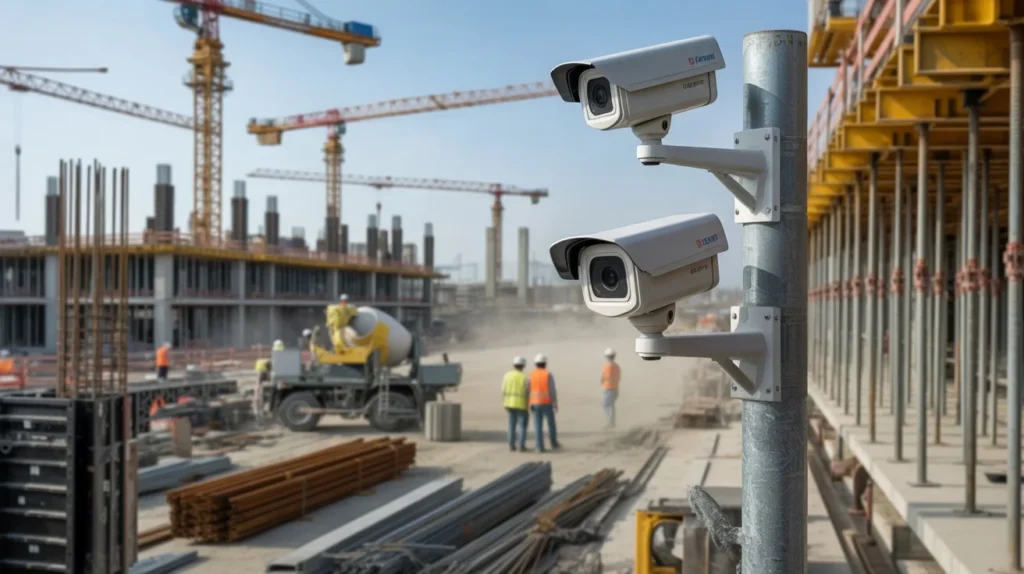
Not all cameras are built for the demands of a job site. Here are the main types used for construction surveillance:
PTZ Cameras (Pan-Tilt-Zoom) These cameras can rotate, tilt, and zoom remotely. One PTZ camera can cover a large open area that would require several fixed cameras. Ideal for monitoring wide perimeters and active work zones.
Bullet Cameras Long, cylindrical cameras designed for outdoor use. They have strong IR night vision and are weatherproof. Good for covering entrances, gates, and long stretches of fencing.
Dome Cameras Low-profile and vandal-resistant. Harder to tamper with or redirect. Often used in site offices, trailers, and material storage areas.
Thermal Cameras Detect heat signatures rather than visible light. Excellent for nighttime perimeter monitoring. Can detect intruders even in complete darkness or through light fog.
Solar-Powered Cameras Construction sites often lack reliable power. Solar-powered cameras with battery backup are a practical solution for remote areas of a site.
Trailer-Mounted Mobile Cameras Self-contained camera units on a trailer. Easy to reposition as the site changes. Many come with built-in cellular connectivity and solar power.
Best Features to Look for in Construction Site Cameras
When shopping for the best security camera for construction site use, look for these features:
High resolution (4MP or higher) You need enough detail to identify faces and equipment. 4K cameras are worth the investment for large sites.
Night vision or color night vision Most theft happens at night. IR night vision is the minimum. Dual-light cameras that deliver full-color night footage are even better.
Wide-angle lens A 2.8mm or 90-degree-plus field of view covers more ground with fewer cameras.
Weatherproofing (IP66 or IP67) Construction sites deal with rain, dust, mud, and extreme temperatures. Your cameras need to handle all of it.
Smart motion detection Basic motion detection creates constant false alerts from wind and passing vehicles. Smart AI detection filters for people and vehicles only. This keeps alert fatigue low and response speed high.
Remote access and live viewing You should be able to check any camera from your phone or laptop at any time. This is essential for managing multiple sites.
Tamper detection Cameras that alert you when they’re moved, blocked, or disconnected are valuable on sites where vandalism is a risk.
Remote Monitoring for Construction Sites
One of the biggest advantages of modern cameras on construction sites is remote monitoring.
You don’t need to be physically on-site to know what’s happening. A live feed is available on any device with an internet connection. This is valuable for:
- General contractors managing multiple active projects
- Site owners checking progress from the office
- Security teams responding to after-hours alerts
- Project managers reviewing worker activity during shifts
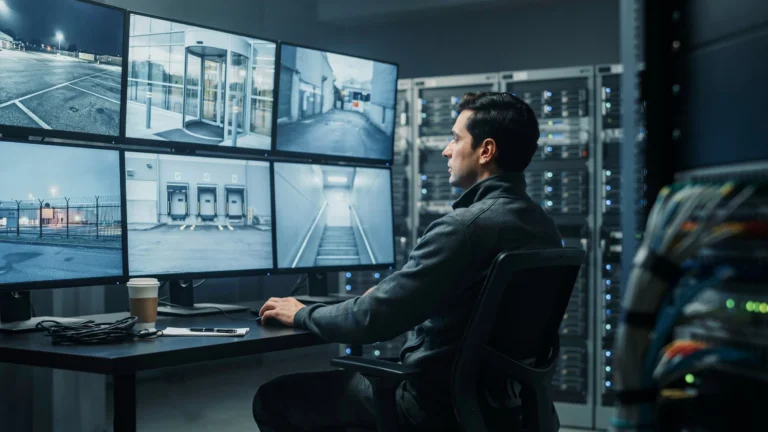
Many camera systems now include 24/7 professional monitoring as an add-on service. A live monitoring center watches your site feeds and contacts emergency services if something suspicious occurs. This is a significant upgrade over cameras alone.
Remote monitoring also creates accountability. If a subcontractor claims work was completed, you can verify it. If an incident is reported, you can pull footage and review the timeline without visiting the site.
How Security Cameras Reduce Construction Delays
Delays are one of the biggest cost drivers in construction. Cameras help reduce them in ways people don’t always consider.
Faster theft resolution. If materials or tools go missing, footage helps you identify what happened quickly. You can file a police report and insurance claim without guesswork.
Proof for disputes. Disagreements over work progress, deliveries, and site conditions happen on almost every project. Camera footage gives you an objective record to resolve disputes without long back-and-forth.
Supply chain monitoring. You can verify when deliveries arrive and confirm that materials are being stored correctly. This prevents inventory losses that cause unexpected work stoppages.
Worker productivity insights. Footage helps managers see where crew time is being spent efficiently and where workflow bottlenecks exist. Adjustments based on real data save time across a project.
Should You Hire a Professional Security Camera Installer?
For a single trailer office camera, DIY might work. For a full construction site, professional installation is worth it.
Here’s why.
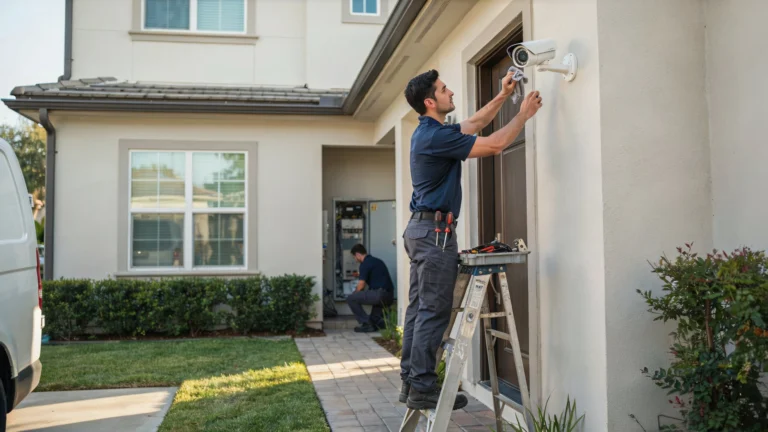
Construction sites are large and constantly changing. Proper camera placement requires experience. A professional assesses blind spots, identifies high-risk zones, and positions cameras for maximum coverage.
Wiring on a construction site is also more complex than a typical building. A professional handles cable management, weatherproofing of connections, and integration with your site power or generator system.
Remote access setup, NVR configuration, and alert management are also easier to get right the first time with an experienced installer. Mistakes in these areas mean gaps in your security coverage that you might not notice until it’s too late. That’s why working with Cam Security Surveillance ensures your system is installed correctly and stays fully reliable from day one.
How Much Do Construction Site Security Cameras Cost?
Costs vary depending on the size of the site and the type of system.
Basic setups (2 to 4 cameras): $500 to $1,500 for equipment. Add $300 to $600 for professional installation. Suitable for small residential build sites.
Mid-range setups (4 to 8 cameras with NVR): $1,500 to $4,000 for equipment and installation. Covers medium commercial sites with remote access included.
Large commercial setups (10+ cameras with PTZ and monitoring): $5,000 to $15,000 or more. Includes professional remote monitoring, advanced analytics, and full site coverage.
Mobile trailer camera units can be rented for $200 to $500 per month. These are useful for shorter projects where buying a system doesn’t make financial sense.
Many general contractors factor camera costs into their project budgets as a standard line item. The cost of one theft incident almost always exceeds the cost of a full camera system.
Future Trends in Construction Site Surveillance
Security camera technology is moving fast. Here’s what’s coming for job site surveillance.
AI behavior analysis Cameras that recognize unusual behavior patterns, not just motion. Loitering detection, perimeter breach alerts, and unauthorized access notifications are becoming standard.
Drone integration Drones paired with fixed cameras give aerial site views for large projects. Some systems automatically launch a drone when a camera detects an intrusion.
Cloud-based video storage Local NVR storage is being replaced by cloud systems that offer unlimited retention, automatic backups, and easy remote playback. No hardware to manage on-site.
Digital twin integration High-end construction companies are using camera footage to update digital project models in real time. This helps track build progress automatically.
5G connectivity Faster cellular networks make it practical to run cameras in areas without Wi-Fi or hardwired internet. 5G cameras stream high-resolution footage reliably from anywhere on a site.
Conclusion
Construction sites face real threats every day. Theft, accidents, unauthorized access, and project disputes all cost time and money. Construction site security cameras address all of these problems in one investment.
Whether you manage a small residential build or a large commercial development, the right camera system protects your people, your equipment, and your project timeline. Start with a clear site assessment, choose cameras built for outdoor and industrial use, and consider remote monitoring for after-hours coverage.
The cost of not having cameras almost always exceeds the cost of setting them up properly. If you want a reliable security setup that protects your property and reduces long-term losses, contact us today at Cam Security Surveillance for professional guidance and installation support.
FAQs
Why are security cameras important on construction sites?
They deter theft, document safety incidents, provide remote visibility, and create accountability for workers and subcontractors.
What is the best security camera for a construction site?
PTZ cameras and bullet cameras with 4K resolution, smart detection, and weatherproof ratings (IP66+) are the most effective for job site use.
Can construction site cameras work without power?
Yes. Solar-powered cameras with battery backup are designed specifically for sites without permanent power connections.
How many cameras does a construction site need?
It depends on the size of the site. A small residential site may need 2 to 4. A large commercial site may need 10 or more, including PTZ units for wide coverage.
Do construction cameras work at night?
Yes. Most professional-grade cameras have IR or dual-light night vision that delivers clear footage in complete darkness.
Can I monitor multiple construction sites from one place?
Yes. Cloud-based NVR systems and remote monitoring platforms let you view all sites from one dashboard on any device.